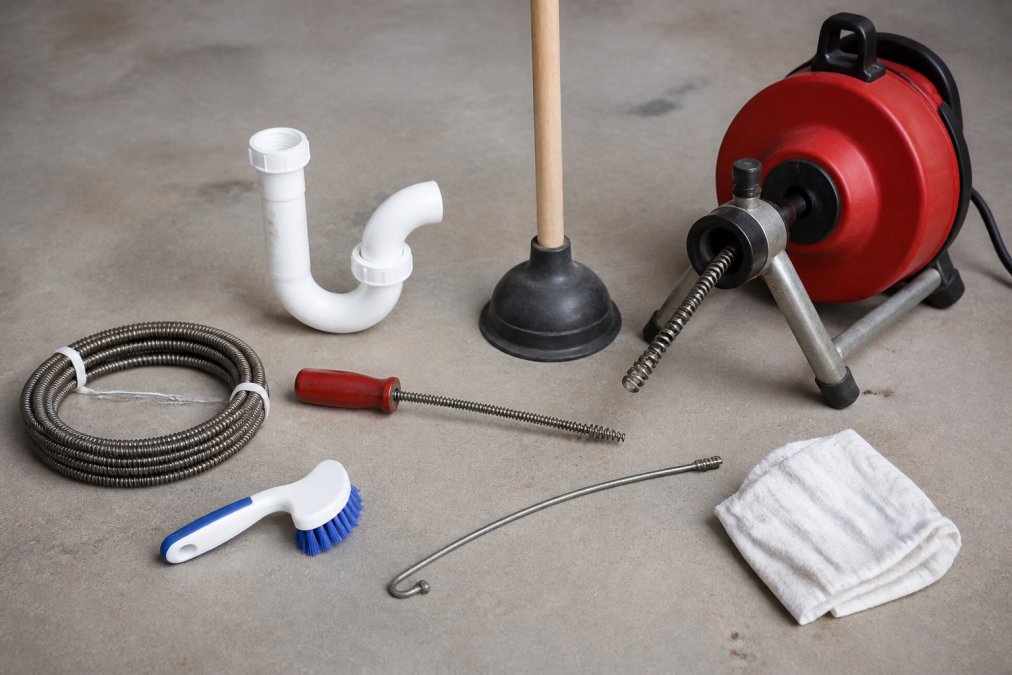
 comparison
Best Methods for Stubborn Drain Clogs
Table of Contents
- Understanding Stubborn Drain Clogs
- Mechanical Solutions: How to Use a Plumbing Snake Effectively
- Safe Alternatives to Chemical Drain Cleaners
- When Professional Drain Cleaning Services Are Necessary
- P-Trap Disassembly and Manual Cleaning
- Preventative Maintenance to Avoid Future Clogs
- Frequently Asked Questions
Last Updated: September 22, 2026
Understanding Stubborn Drain Clogs
A stubborn drain clog resists simple removal methods like plunging or hot water. Hair, grease, soap scum, mineral deposits, or debris accumulate inside the drainage system, creating a solid obstruction that prevents water flow.
Stubborn drain clogs completely block water flow, unlike slow drains that allow gradual passage. Hair clogs in bathroom sinks, grease buildup in kitchens, and mineral deposits in older fixtures commonly cause these problems. Blockages near the P-trap or deep in the system are harder to clear than surface-level obstructions.
Stubborn drain clogs often require multiple removal attempts. Understanding mechanical and natural solutions helps you avoid unnecessary expense and plumbing damage.
Mechanical Solutions: How to Use a Plumbing Snake Effectively
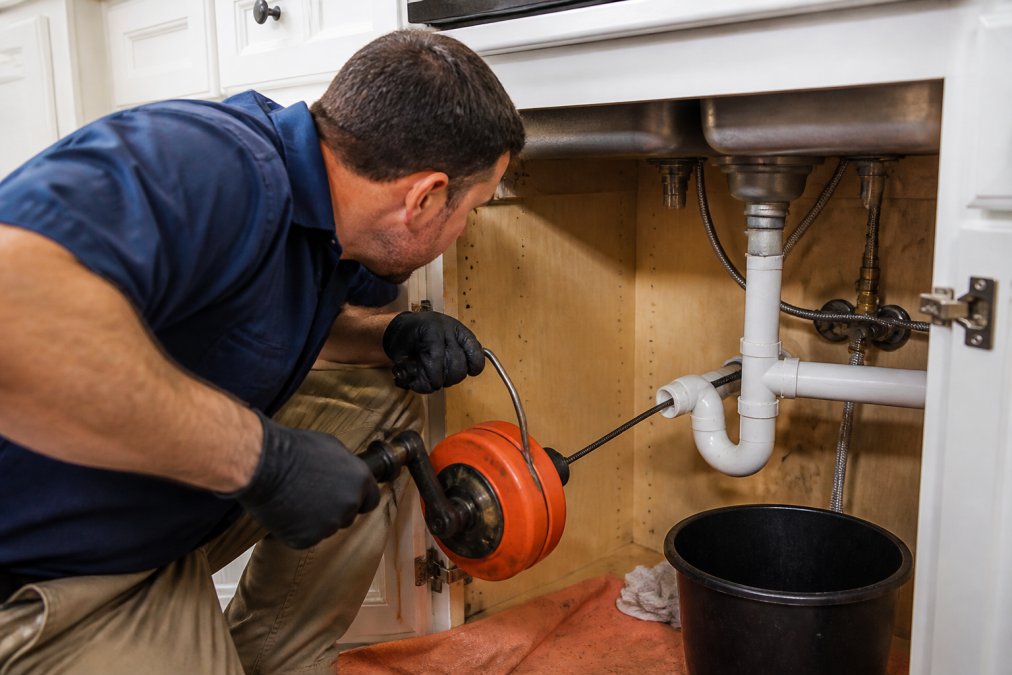
A plumbing snake (drain auger) physically breaks apart or pulls out stubborn drain clogs. Unlike chemical cleaners, snakes mechanically dislodge blockages, making them effective for hair, grease, and solid debris.
Choosing the Right Type of Drain Snake
Hand-crank snakes like the General Pipe Cleaners Handy-Rooter (25 feet, $30-$50) work well for bathroom and kitchen sink clogs within 15-25 feet. For deeper main line clogs, motorized drum augers (50-100 feet, $150-$400) provide more power but are typically rented.
Flexible cable snakes navigate P-traps and sink drains; rigid snakes work better in straight sections like toilet drains. Assess clog location: sink and tub drains need flexible snakes, toilet clogs may need a closet auger.
Setting Up Your Drain Snake
Before snaking, place a bucket under the drain to catch water and debris. Remove the sink stopper or strainer to give the cable better access.
Position yourself comfortably to prevent arm fatigue. Insert the snake's tip slowly into the drain opening. If you feel immediate resistance within the first 12 inches, the clog may be in the P-trap, consider disassembly first, as snaking a P-trap clog is often less effective than manual cleaning.
Operating the Snake and Recognizing Clog Resistance
Turn the crank handle slowly and steadily. Steady, consistent pressure is more effective than aggressive cranking. Most clogs yield to 30 seconds to 2 minutes of continuous, moderate-speed cranking.
Gentle, consistent resistance means the cable is navigating normal pipe bends; sudden, sharp resistance indicates you've hit the clog. When you hit it, continue cranking firmly for 10-15 seconds to break apart the obstruction or wrap around hair.
If the cable breaks through and moves freely, continue cranking for another 15-20 seconds to ensure complete clearance. Stopping too early leaves partial blockages that return within 24-48 hours.
Cleaning and Retrieving Debris
Pull the snake back out slowly, bringing hair, grease, and debris with it. Have your bucket ready. Wipe the cable clean as it emerges; don't let debris dry on it.
Run hot water down the drain for 30-60 seconds to flush away remaining debris. Water should flow freely. If it still drains slowly, repeat snaking or consider professional equipment.
Common Mistakes That Reduce Effectiveness
Avoid common snaking errors: forcing the cable aggressively causes it to coil rather than advance; pulling out too quickly lets it slip past the clog; not removing the strainer limits cable access.
Safe Alternatives to Chemical Drain Cleaners
Chemical drain cleaners corrode older metal pipes, damage PVC, and create dangerous fumes. For stubborn drain clogs, safer alternatives often work just as well without endangering your plumbing or health.
Baking Soda and Vinegar Method
Pour half a cup of baking soda into the drain, followed by half a cup of white vinegar. The fizzing action helps dislodge debris. Cover the drain with a plug or wet cloth to keep the reaction inside the pipe.
Let the mixture sit for 15-30 minutes while the reaction works on the clog. Then pour boiling water down the drain to flush away the loosened debris. This method is safe for all pipe materials, PVC, metal, and ceramic, because the reaction is gentle and the vinegar is non-corrosive.
When it works best: Baking soda and vinegar is most effective for slow drains and minor clogs caused by soap scum and light hair accumulation. It is generally ineffective on stubborn drain clogs that completely block water flow, especially those caused by dense hair mats or grease buildup. If water isn't draining at all, this method alone will not clear the blockage; combine it with mechanical methods like plunging or snaking for better results.
Hot Water and Dish Soap Technique
Hot water and dish soap work together to break down grease-based clogs, which are common in kitchen drains. Heat a pot of water until it's steaming but not quite boiling, around 160-180°F is ideal. Add a generous squirt of dish soap (approximately 2-3 tablespoons) to the drain opening. Pour the hot water slowly down the drain while the soap coats the pipe walls.
The heat softens grease deposits while the soap helps them break apart and wash away. This method is gentler than chemical cleaners and completely safe for all pipe materials, including older galvanized steel and PVC. Repeat the process 2-3 times if the drain is still sluggish. This technique prevents future grease clogs when used regularly as part of preventative maintenance.
When it works best: This method is excellent for slow kitchen drains and grease-related clogs. It is ineffective on hair clogs, mineral deposits, or complete blockages. If your kitchen drain is completely blocked and water won't drain at all, hot water and soap alone will not clear it; you'll need mechanical intervention like plunging or snaking.
Plunger Pressure Method
A quality plunger creates hydraulic pressure that can dislodge stubborn drain clogs without chemicals or tools. The Korky Beehive Max Plunger is specifically designed for sink drains, with a shape that creates a superior seal compared to standard cup plungers. Fill the sink with enough water to cover the plunger cup completely, the water seal is essential for creating pressure.
Place the plunger over the drain and push down firmly, then pull up quickly. Repeat this motion 15-20 times in rapid succession.
Combining Methods for Stubborn Clogs
For truly stubborn drain clogs that resist a single approach, combining methods often works better than relying on one alone. Try this sequence: (1) plunge vigorously for 20 pumps to dislodge surface debris, (2) if plunging fails, use baking soda and vinegar or hot water and soap to soften the clog for 15-30 minutes, then (3) plunge again or move to mechanical snaking.
When Professional Drain Cleaning Services Are Necessary
Some stubborn drain clogs resist all DIY methods and require professional intervention. If you've tried plunging, snaking, and natural cleaners without success, or if water backs up into multiple drains simultaneously, the blockage may be deep in your main drainage line or caused by structural pipe damage.
P-Trap Disassembly and Manual Cleaning
The P-trap is the U-shaped section of pipe under your sink that holds standing water. This water seal prevents sewer gases from entering your home, but it also traps debris that causes clogs. For stubborn drain clogs located in the P-trap itself, disassembly and manual cleaning is often the fastest solution.
Preventative Maintenance to Avoid Future Clogs
Preventing stubborn drain clogs is far easier than removing them. Simple habits protect your drainage system and extend the life of your plumbing fixtures. Use drain screens or strainers in all sinks and tubs to catch hair and debris before they enter the pipe. Empty these screens regularly rather than letting debris accumulate. Consistent maintenance minimizes the need for drastic interventions, though mastering the techniques for unclogging sinks efficiently remains a vital skill for every homeowner to possess when minor blockages inevitably occur.
| Prevention Method | Frequency | Best For | Effort Level |
|---|---|---|---|
| Using drain screens | Every time | All drains | Minimal |
| Monthly baking soda flush | Monthly | All drains | Low |
| Hot water rinse | Weekly | Kitchen drains | Minimal |
| Hair removal tool | As needed | Bathroom drains | Low |
| Professional inspection | Annually | All drains | None (professional) |
Frequently Asked Questions
What do plumbers recommend instead of chemical drain cleaners?
Professional plumbers typically recommend mechanical methods like drain snakes or augers for stubborn drain clogs, as these physically remove the blockage without risking pipe damage. For minor clogs, hot water combined with dish soap or a plunger can be effective. Baking soda and vinegar create a chemical reaction that helps break up debris safely. These approaches preserve pipe integrity better than harsh chemical cleaners, which can corrode older plumbing systems or damage PVC pipes over time.
How to use a plumbing snake effectively on stubborn drain clogs?
Feed the snake's cable slowly into the drain while turning the crank handle clockwise. When you feel resistance, apply steady pressure rather than forcing it. Rotate the handle to break through the obstruction or snag debris like hair. Once the clog breaks, retrieve the snake carefully, pulling out any debris caught on the cable. For P-trap clogs, you may need to disassemble the trap first. Practice controlled, steady movements to avoid damaging the drain pipe or plumbing fixture.
When should you stop DIY attempts and call a professional plumber?
Call a professional if a plunger, snake, or safe alternatives fail after two or three attempts, if you notice standing water that won't drain, or if the clog affects multiple drains simultaneously (indicating a main line blockage). Also seek professional help if you suspect the clog is deep in the drainage system, if you're unsure about disassembling the P-trap, or if you have older plumbing that might be damaged by mechanical tools. Professional drain cleaning services have specialized equipment and expertise to handle complex blockages safely.
Is boiling water safe for all types of drain pipes?
Boiling water works well for metal pipes and modern PVC, but can damage older plastic or PVC pipes if used repeatedly or at extremely high temperatures. Check your plumbing material first. For safer results, use hot (not boiling) water mixed with dish soap, which still creates effective hydrostatic pressure to dislodge clogs without thermal stress. If you're unsure about your pipe material, test with warm water first or consult a professional before using boiling water.