 how-to
How to Clear a Slow Draining Bathtub: 7 Fixes That Work
Table of Contents
- Step 1: Diagnose the Clog Before You Pour Anything Down
- Step 2: Remove the Drain Stopper and Clear Surface Debris
- Step 3: Try Natural Solutions Like Baking Soda and White Vinegar
- Step 4: Use the Best Tools for Clearing Bathtub Clogs
- Step 5: Know When to Call a Professional Plumber for Drain Issues
- Step 6: Preventing Bathtub Drain Clogs With a Simple Maintenance Schedule
- Step 7: When DIY Fails: What a Plumber Actually Does to Clear a Slow Draining Bathtub
- Frequently Asked Questions
Last Updated: September 20, 2026
Step 1: Diagnose the Clog Before You Pour Anything Down
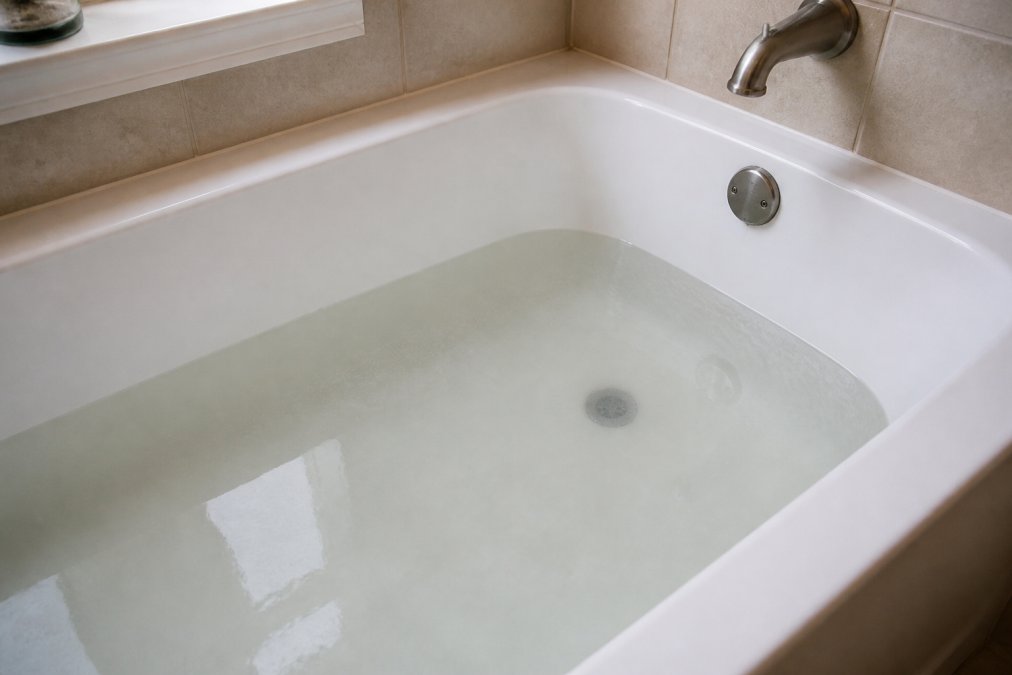
A slow draining bathtub is usually caused by a clog building up in the drain stopper, the P-trap, or the pipe itself. Where that clog sits changes which fix will work.
- Water pools fast, then drains slowly: the clog is close to the drain opening, often hair and soap scum.
- Water drains fine, then backs up: the clog sits deeper, likely in the P-trap or vent pipe.
- Water won't drain at all: you have a full blockage, not a slow one.
- Multiple fixtures drain slow: the problem is in your main drainage system, not the tub.
U.S. Environmental Protection Agency guidance on household plumbing
Step 2: Remove the Drain Stopper and Clear Surface Debris
Most slow-draining bathtubs are fixed right here. The stopper catches hair, soap scum, and debris before it ever reaches the pipe.
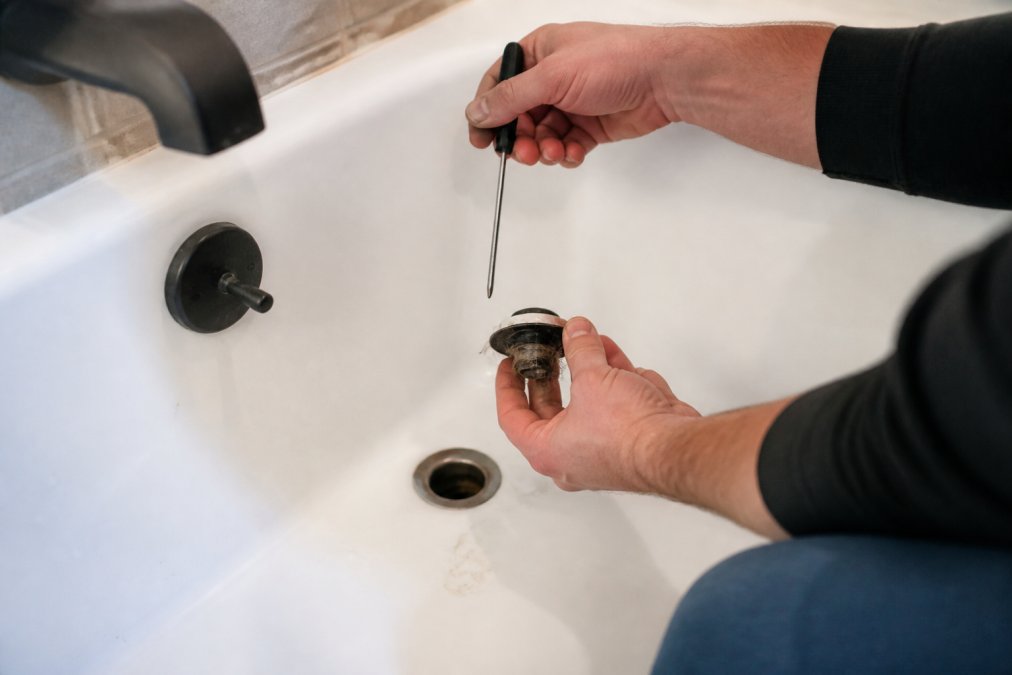
Common Drain Stopper Types and How Each One Comes Out
The stopper assembly you have decides how it comes apart. Here's how to identify yours:
- Pop-up stopper: usually has a small knob on top. Twist it counterclockwise or pull straight up.
- Toe-touch stopper: press it down, then pull up firmly. Some unscrew from the flange.
- Lift-and-turn stopper: turn it a quarter turn and lift it out.
- Trip-lever stopper: find the lever plate on the overflow drain, remove the two screws, and pull the linkage out.
Step 3: Try Natural Solutions Like Baking Soda and White Vinegar
Baking soda and white vinegar are the go-to natural drain cleaners, and they work best on light organic buildup like grease, soap scum, and biofilm. They will not cut through a solid hair clog, and no amount of fizzing will change that.
Here is the method that actually does something:
- Pour half a cup of baking soda down the drain.
- Follow it with one cup of white vinegar.
- Cover the drain and wait 15 minutes while it fizzes.
- Flush with a kettle of hot water, not boiling, if you have PVC pipes.
Chemical vs. Natural Drain Cleaners: What's Actually Safe
Natural options are safer for your pipes and your septic system. Chemical drain cleaners are harsh, and they can damage older pipes over repeated use.
| Method | Works Best On | Pipe Safety | Septic Safe | Municipal Sewer Impact |
|---|---|---|---|---|
| Baking soda + vinegar | Grease, soap scum | Safe | Yes | Neutral, no residual |
| Hot water flush | Light buildup | Safe for most pipes | Yes | None |
| Enzyme cleaner | Organic waste | Safe | Yes | Breaks down organically |
| Caustic chemical cleaner | Hair, grease | Risky on old pipes | No, kills bacteria | Residual caustic load |
Environmental Impact: Septic Systems vs. Municipal Sewer Lines
- Septic systems: Caustic and acidic drain cleaners kill the anaerobic bacteria your tank relies on to break down waste. Once that bacteria colony is knocked back, solids accumulate faster and you may need more frequent pumping. Enzyme cleaners are the safer choice because they add to the bacterial action rather than destroying it.
- Municipal sewer lines: The caustic load from chemical cleaners gets diluted in the main line, but it still reaches the treatment plant. Many treatment plants rely on biological processes, and heavy chemical loads can disrupt them. The bigger concern for the homeowner is that repeated caustic use corrodes older cast iron and galvanized pipes from the inside.
- The practical takeaway: If you are on a septic system, treat chemical drain cleaner as a last resort and never use it as routine maintenance. If you are on municipal sewer, the pipe-damage risk is the bigger issue, not the environmental one.
U.S. Environmental Protection Agency guidance on household hazardous waste disposal
Step 4: Use the Best Tools for Clearing Bathtub Clogs
The best tools for clearing bathtub clogs are a plunger, a drain snake, and a hair catcher. Each one handles a different stage of the clog.
- Cup plunger: seal it over the drain and plunge 15-20 times. Block the overflow drain with a wet rag first, or you'll just push air.
- Drain auger (plumbing snake): feed it into the drain and crank it through the clog. Best for hair deeper in the pipe.
- Zip tool: a cheap plastic strip with barbs. Great for pulling hair out of the stopper area.
- Wet/dry vacuum: seal the hose over the drain and suck the clog back up.
Step 5: Know When to Call a Professional Plumber for Drain Issues
Call a professional plumber for drain issues when DIY methods fail twice, when multiple fixtures back up, or when you smell sewage. Those signs point to a main line or vent pipe problem.
Stop and call if you notice any of these:
- Water backs up in other drains when you use the tub
- You smell sewer gas in the bathroom
- The drain gurgles after every use
- Repeated clogs return within days
- You see water damage or a soft spot near the tub
Step 6: Preventing Bathtub Drain Clogs With a Simple Maintenance Schedule
Preventing bathtub drain clogs comes down to catching debris before it settles. A five-minute routine once a month beats an emergency call every year. The schedule below is the one most plumbers recommend, and it is designed to be printed and stuck inside a bathroom cabinet door.
Printable Maintenance Checklist
| Frequency | Task | Why It Works |
|---|---|---|
| Every use | Rinse the drain with hot water for 30 seconds | Flushes loose soap scum before it cools and hardens |
| Weekly | Pull the stopper and clear hair with a paper towel | Removes the single most common clog material at the source |
| Monthly | Baking soda and vinegar flush (½ cup soda, 1 cup vinegar, 15 min, hot water rinse) | Loosens grease and biofilm on pipe walls |
| Every 3 months | Remove and clean the P-trap and drain screen | Catches buildup the surface flush misses |
| Every 6 months | Run an enzyme cleaner overnight | Digests organic residue without harming pipes |
| Yearly | Have a plumber inspect slow drains and camera the main line | Catches corrosion, bellies, and root intrusion early |
How to Actually Stick to the Schedule
A checklist only works if you use it. Three habits make the difference:
- Keep a hair catcher in the drain at all times. A mesh or silicone screen costs a few dollars and stops most hair before it enters the pipe. Empty it after every shower, a full catcher just redirects hair around the edges.
- Set a monthly phone reminder. Tie the baking soda flush to a recurring task you already do, like changing the HVAC filter or testing smoke detectors.
- Watch for the early warning signs. A drain that starts draining a few seconds slower than it used to is telling you buildup is forming. Address it at that stage, not when water is standing in the tub.
What Not to Put Down the Drain
- Cooking grease and oil: cools, hardens, and coats the inside of the pipe. Wipe pans with a paper towel and throw it in the trash.
- Coffee grounds and eggshells: gritty and do not break down in water. They collect in the P-trap.
- Hair from brushing or shaving: the number one cause of bathtub clogs. Brush hair over a trash can, not the sink or tub.
- Facial wipes and "flushable" products: they do not break down as fast as the label claims and can snag on pipe joints.
A hair catcher or drain screen is the single best investment here. It costs almost nothing and stops most clogs before they start.
Step 7: When DIY Fails: What a Plumber Actually Does to Clear a Slow Draining Bathtub
When DIY fails, a plumber uses a drain auger or hydro-jetting to clear the full length of the pipe, not just the first few feet. This is why a professional fix tends to last.
Here's what actually happens on a service call:
- The plumber pulls the stopper and inspects the stopper assembly and flange.
- A manual or powered drain auger is fed through the trap and main line.
- If needed, the P-trap is removed and cleaned by hand.
- A camera may be sent down to check pipe integrity.
- Hydrostatic pressure from hydro-jetting scours the pipe walls clean.
Frequently Asked Questions
What can I put down my bathtub drain to make it drain faster?
Start with a mix of half a cup of baking soda followed by half a cup of white vinegar. Let it sit for 15 minutes, then flush with hot (not boiling) water. For slower drains caused by soap scum and hair, a drain snake or hair catcher will remove the clog more reliably than any liquid. Avoid chemical drain cleaners if you have a septic system or older pipes, since they can damage pipe integrity.
Is it safe to use chemical drain cleaners in my bathtub?
Chemical drain cleaners can clear some clogs, but they carry real risks. They generate heat through a chemical reaction that can soften PVC pipes and worsen pipe corrosion over time. If a plumber needs to snake the drain later, those chemicals can splash back. For routine slow drainage, manual extraction with a drain auger or a natural baking soda and vinegar flush is safer for your pipes and the environment.
How do I snake a bathtub drain to clear a clog?
Remove the stopper and overflow cover first. Feed a manual drain snake or auger into the overflow drain opening rather than the main drain, since the P-trap sits below the overflow on most tubs. Crank clockwise when you feel resistance, then pull the clog out slowly. Flush with hot water to confirm flow. If the snake hits a solid block, stop before you damage the pipe and call a licensed plumber.
How often should I clean my bathtub drain to prevent clogs?
Pull hair from the stopper every one to two weeks and flush the drain with hot water weekly. A baking soda and vinegar treatment once a month keeps soap scum from building up on the pipe walls. If you have long hair in the household, install a hair catcher and clean it after every shower. This routine is the most effective form of preventing bathtub drain clogs and helps you avoid standing water and slow drainage.
A slow draining bathtub is easy to ignore until it becomes a backup you can't ignore. If you've tried the stopper, the snake, and the baking soda flush and water still pools, the issue is deeper than a DIY fix can reach. Colby Plumbing Company LLC offers fast, reliable service with licensed, seasoned professionals and a 100% satisfaction guarantee. We show up when we say we will, and we charge what we quote. Contact us today to get your drain flowing right.