 how-to
How to Shut Off Main Water Supply: 2026 Guide
Table of Contents
- Locating Your Main Water Shut-Off Valve
- Gate Valve vs. Ball Valve: Which One Do You Have?
- Step-by-Step: How to Shut Off the Main Water Supply
- What to Do If Your Valve Is Stuck
- How to Drain Pipes After Turning Off Water
- When to Call a Professional Plumber
- Frequently Asked Questions
Last Updated: September 15, 2026
Locating Your Main Water Shut-Off Valve
Knowing how to shut off main water supply fast is the single most important plumbing skill a property owner can learn. When a pipe bursts or a fixture fails, you have minutes, not hours, before water causes serious structural damage. This guide from Colby Plumbing Company LLC walks through exactly where the valve lives, how to close it, and what to do when it refuses to budge.
The main water supply is the primary pipe carrying water from the municipal line into your building. The shut-off valve sits on that line, and finding it before an emergency is the whole game.
Single-Family Home Valve Locations
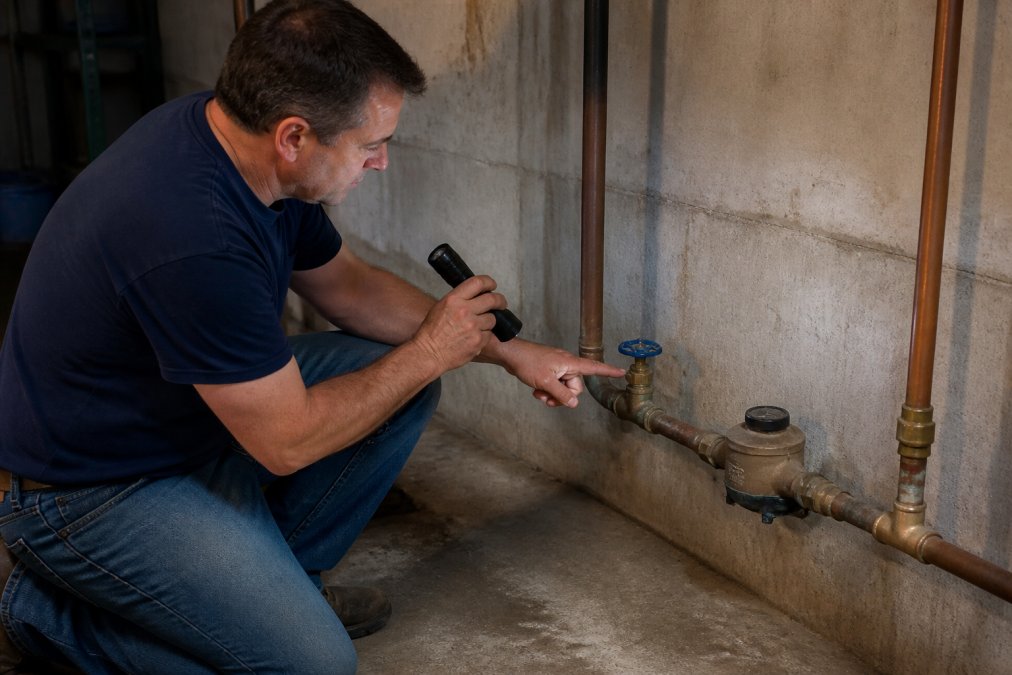
In most single-family homes, the main shut-off valve sits in the basement, crawl space, or utility room on the wall facing the street. Look for a copper or galvanized pipe entering through the foundation with a valve handle attached.
Other common spots:
- Near the water heater or furnace
- Inside a ground-level closet or under the kitchen sink
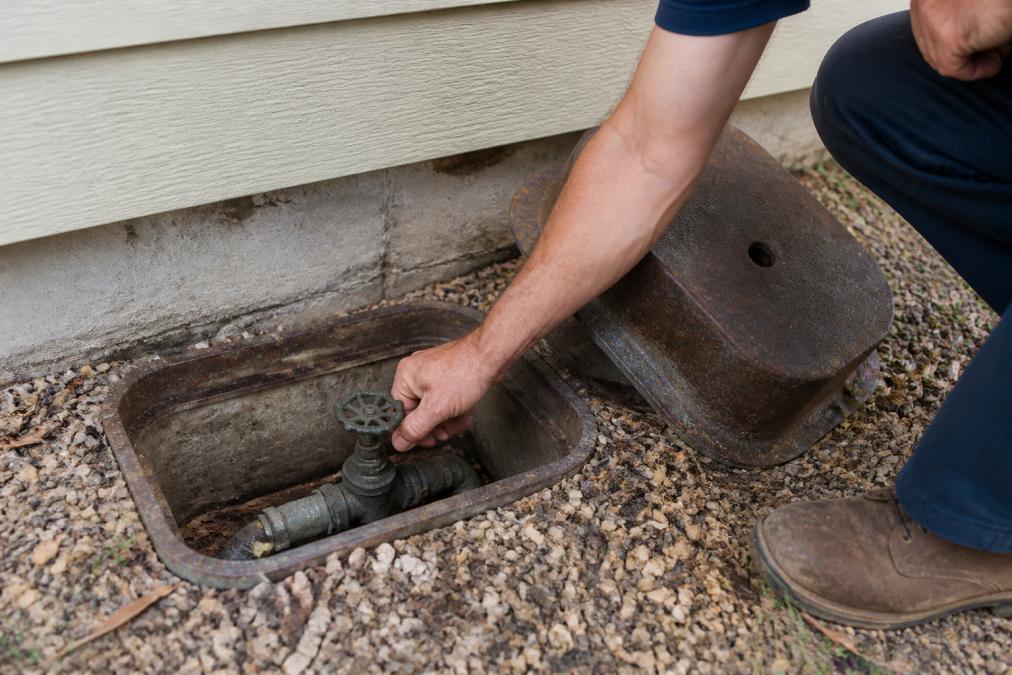
- In a concrete pit near the property line in warmer climates
Apartment and Condo Shut-Off Locations
Units in multi-family buildings usually have an individual shut-off valve for the unit itself, often behind an access panel in a closet, bathroom, or laundry room. That valve controls your unit only. The building's main water main valve is typically in a shared mechanical room and requires property management approval to touch.
Gate Valve vs. Ball Valve: Which One Do You Have?
A gate valve has a round, wheel-style knob that requires multiple turns to close. A ball valve has a lever handle that needs only a quarter turn. The two behave very differently under pressure, and identifying yours takes five seconds.
| Feature | Gate Valve | Ball Valve |
|---|---|---|
| Handle type | Round wheel or knob | Flat lever |
| Turns to close | 3-7 full rotations | 90-degree turn |
| Reliability | Prone to sticking | More dependable |
| Flow control | Gradual | Immediate |
| Age in homes | Older construction | Modern builds |
Gate valves are the reason most emergency shut-offs fail. The internal gate corrodes against the seat over years of disuse, and when you finally need it, the stem strips or the handle spins freely. Ball valves avoid this because the ball rotates against a smooth seat rather than sliding.
If you have a gate valve, test it twice a year. Turn it fully clockwise to close, then counterclockwise to open. That single habit prevents most stuck-valve emergencies.
Step-by-Step: How to Shut Off the Main Water Supply
Work through these steps in order. The whole sequence takes about two minutes if the valve cooperates, and the order matters, closing the valve before you know which fixtures are downstream prevents the mess that sends people scrambling for towels.
Before you turn anything:
- Tell everyone in the building what you're about to do. Anyone mid-shower or running a washing machine needs a heads-up.
- Kill power to the water heater at the breaker if the shut-off is for a repair rather than a quick fixture swap. An electric element that fires with no water in the tank can burn out in under a minute (Consumer Water Heaters).
- Grab a towel, a bucket, and a flashlight. Basements and utility closets are dim, and a slow drip from a stem packing nut is normal when you exercise an old valve.
Closing the valve:
- Locate the main shut-off valve on the incoming service line.
- Turn the handle clockwise until it stops. On a gate valve, you'll feel the gate seat, resistance increases, then the wheel stops hard. On a ball valve, the lever swings 90 degrees and stops flat against the pipe; the handle should end up perpendicular to the pipe body, not parallel.
- If the valve has a bleed screw or drain cap on the body, open it a quarter turn after closing. That releases pressure trapped between the valve and the fixtures and lets you confirm the valve is actually holding.
Confirming the water is off:
- Open a cold-water faucet on the lowest floor first, a basement slop sink or laundry tub. Water will run for a few seconds, then sputter and stop. That sputter is the line depressurizing, not a sign the valve failed.
- Work upward, opening every cold faucet one at a time. Hot-side faucets will keep running briefly because the water heater still holds pressure; that's expected.
- Flush each toilet once. The tank empties, the bowl refills from the supply line, and you've now confirmed the toilet fill valve is downstream of your shut-off.
- Check the ice maker line, the refrigerator water dispenser, the humidifier feed, and any outdoor spigots. These are the fixtures people forget, and they're the ones that spray when a fitting is opened.
Turning Off Water at the Street Meter
If the indoor valve is broken or missing, the curb stop at the street meter is your backup. This valve sits in a concrete or plastic box near the sidewalk, usually under a metal lid marked "water."
Lift the lid and look for a valve on the service line. You may need a meter key or a long-handled wrench to reach it. Turn clockwise to close. Curb stops are often stiff from years of sitting untouched, so expect resistance.
One caution specific to cold-weather months: curb stop boxes fill with water that freezes around the valve stem. If the box is iced over, pouring warm (not boiling) water down the side of the box can free the stem without cracking the valve body (the EPA). Boiling water on a frozen cast-iron curb stop is a common way to crack it and turn a $0 DIY job into a municipal repair bill.
The Water Meter Shut-Off Tool You Need
A water meter shut-off tool is a long metal key designed to reach the curb stop without you climbing into the pit. Most hardware stores sell them, and they're inexpensive insurance for any homeowner.
What to keep on hand:
- A meter key sized for your curb stop
- An adjustable wrench for indoor valves
- A can of penetrating oil for stuck stems
- A spare valve handle or a small pipe wrench, in case the original handle is missing
Draining the Lines After the Valve Is Closed
Most guides stop at "open a faucet." That leaves water sitting in the lines, and residual pressure is what sprays you when you crack a fitting. Drain the system properly and the repair stays dry.
Open every cold faucet, starting at the highest floor and working down. Gravity does the work, water in the upper floors pushes air down and out through the lowest fixture. Flush toilets to empty the tanks. For water heaters, connect a garden hose to the drain valve at the base and run it to a floor drain or outside; this also relieves pressure on the tank and shortens the wait before you can work on hot-side plumbing.
Expect gurgling as air enters the lines. That's normal. Once faucets run dry, the system is depressurized and you can open a fitting without a face full of water.
What to Do If Your Valve Is Stuck
Stuck valves are the most common failure point in a water emergency, and they almost always fail at the worst possible moment, after years of sitting untouched, when the gate has corroded against its seat or mineral scale has locked the stem in place. Understanding why it's stuck tells you whether to work it free or stop before you break something.
Diagnose before you force:
- Handle spins freely, no resistance, no water stops. The stem has stripped or the gate has separated from the stem.
The recovery sequence:
Preventing the Next Stuck Valve
The twice-a-year routine:
When to replace rather than repair:
How to Drain Pipes After Turning Off Water
When to Call a Professional Plumber
Frequently Asked Questions
How do I turn off the water supply to my house?
Find your main water shut-off valve, usually in the basement, crawl space, or near the water meter. For a ball valve, turn the lever 90 degrees clockwise until it is perpendicular to the pipe. For a gate valve, turn the round knob clockwise until it stops. Then open a faucet to release remaining pressure and confirm the water has stopped.
Do you leave faucets open after shutting off water?
Yes, open the lowest faucet in the house after shutting off the main water supply. This drains remaining water from the pipes and relieves pressure. Leave it open while you work, then close it before turning the water back on. This step also helps you confirm the shut-off actually worked.
What should I do if my main water valve is stuck?
Do not force a stuck valve, as you risk breaking the handle or cracking the pipe. Apply penetrating oil to the stem and wait 15 to 30 minutes. Try again with an adjustable wrench for extra leverage. If it still will not budge, call a licensed plumber. Forcing a stuck valve can cause a burst pipe and serious water damage.
Can I shut off my own water main?
You can shut off the valve inside your home safely. However, the curb stop at the street typically requires a water meter shut-off tool and may belong to the municipal water utility. If your indoor valve fails or you cannot find it, call a professional plumber rather than digging up the meter box yourself.
A failed shut-off valve turns a small leak into a flooded basement. Colby Plumbing Company LLC offers fast emergency response, licensed technicians, and a 100% satisfaction guarantee on every repair. Whether you need a stuck valve freed or a gate valve upgraded to a ball valve, our team has the tools and experience to handle it. Contact us today and get your water under control.