 comparison
Cap Hill Plumbing Alternatives for Homes
Table of Contents
- Top Plumbing Alternatives in the Denver Metro Area
- How to Choose a Reliable Plumbing Contractor
- Family-Owned Plumbing Services vs National Chains
- Understanding Emergency Plumbing Repair Costs
- What Sets Colby Plumbing Apart
- Conclusion
Last Updated: August 28, 2026
Top Plumbing Alternatives in the Denver Metro Area
When your pipes burst at midnight or your water heater dies mid-winter, you need a plumber you can trust. The Denver metro area has no shortage of options, from national chains with 24/7 availability to local family-owned shops that've been fixing homes for decades. But not every plumber is created equal, and choosing the wrong one can mean overpaying, waiting hours for service, or worse, having to call them back to redo the work.
This guide from Colby Plumbing Company LLC breaks down your real alternatives in the Denver area. We've analyzed the major providers, compared their strengths and limitations, and shown you exactly how to pick the right contractor for your specific situation. Whether you're facing an emergency or planning a remodel, you'll find the information you need to make a confident decision.
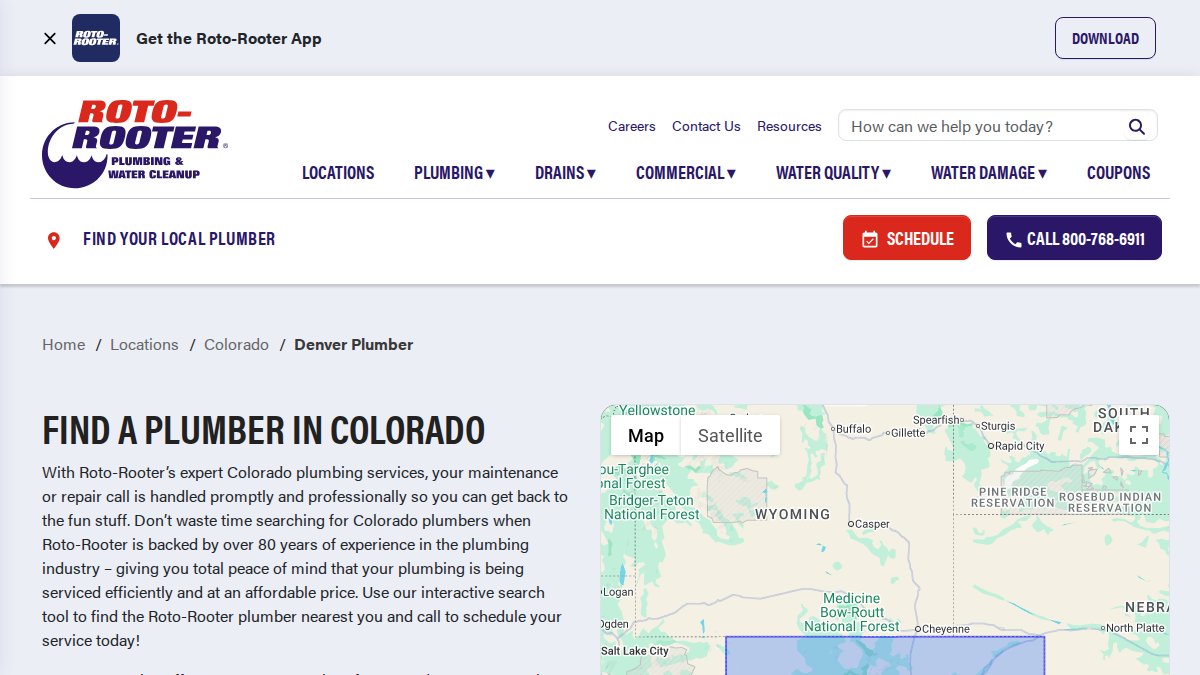
Roto-Rooter: National Chain with Local Presence
Roto-Rooter operates 24/7, 365 days a year across the Denver metro area. They handle everything from burst pipes to sewer line repairs, and their technicians are trained on the specific challenges Denver homes face, historic properties with aging plumbing, expansive clay soils that shift and crack pipes, and the altitude-related pressure issues that plague some neighborhoods.
The strength of Roto-Rooter is availability and scale. If you call at 3 a.m. on a Sunday, someone answers. Their technicians arrive in fully equipped trucks and often complete repairs the same day. They use advanced camera diagnostics to inspect sewer lines without digging, and they offer trenchless technology for repairs that would otherwise require excavation.
Where Roto-Rooter typically falls short is in personalized service and cost control. As a national chain, quality varies by technician. Some customers report transparent pricing and professional work; others mention surprise charges or feeling rushed through the diagnosis. You're also paying for the brand name and infrastructure, their overhead is higher than local shops, which usually means higher bills.
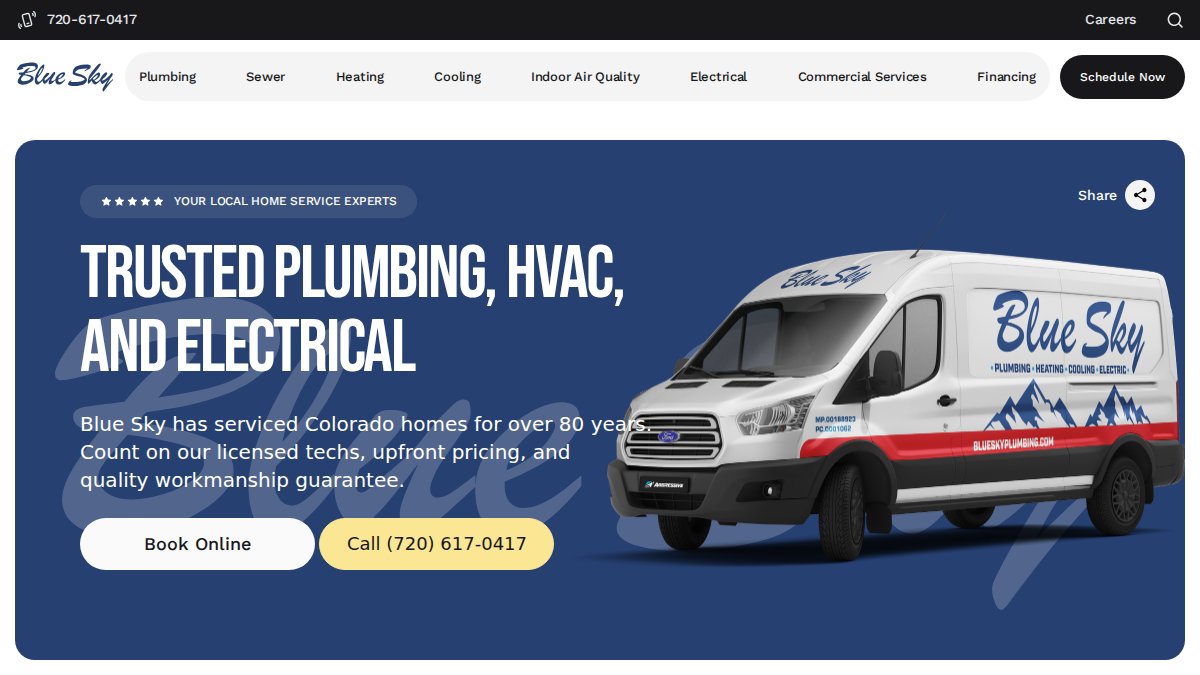
Blue Sky Plumbing, Heating, Cooling & Electric: Full-Service Provider
Blue Sky is a family-owned Denver company that handles plumbing, HVAC, and electrical work. This matters because they can coordinate multi-trade jobs, if your bathroom remodel needs plumbing rough-in, electrical work, and ventilation, one company manages it all. Their technicians arrive in fully stocked trucks and often complete same-day repairs. They also offer a Home Protection Plan, which includes yearly inspections, discounted repairs, and priority scheduling for members.
The real advantage here is convenience and consistency. If you have multiple systems failing, Blue Sky handles it without coordinating three different contractors. Their one-year warranty on parts and labor is standard but reassuring. Many customers praise their professionalism and punctuality, they show up when they say they will.
The trade-off is that their all-in-one approach means less specialization. A company that does plumbing, heating, cooling, and electrical can't go as deep in any single area as a specialist. Some customers have noted that certain services carry higher fees than independent plumbers would charge. The Home Protection Plan adds value, but you're committing to an annual membership to get the best pricing.
Prime Plumbing & Heating: Master Plumber-Led Service
Prime Plumbing was founded by a Colorado Master Plumber, and that background shows in how they operate. They promise same-day service for most calls, often within one to two hours for non-emergency work. More importantly, they provide upfront pricing before any work begins. You know exactly what you're paying before they touch your pipes. No hidden fees, no surprise invoice at the end.
This is the differentiator that matters most to homeowners who've been burned before. Prime specializes in water heater services for both traditional tank and tankless units, leak detection, fixture installations, and drain and sewer services. They back everything with a 100% satisfaction guarantee. If something isn't right, they come back and fix it.
The limitation is scope. Prime focuses on plumbing and heating, they don't offer electrical or cooling services. If you need a full-service coordination, you'll go elsewhere. Also, specific pricing isn't listed online, so you'll need to call for a quote. But that upfront pricing promise means no surprises once they arrive.
Squeak's Plumbing, Heating & Air: 24/7 Emergency Specialist
Squeak's positions itself as the emergency response team. They're available around the clock, including weekends and holidays, and they specialize in the urgent problems that can't wait: burst pipes, sewage backups, water heater failures, frozen lines. Their team is trained to diagnose and fix problems quickly to minimize damage to your home.
The value of Squeak's is pure availability. When you have a crisis at 2 a.m. on Christmas, they answer the phone. They understand Denver neighborhoods and the property-specific challenges that cause emergencies, the same expansive clay and altitude issues that affect other providers. Their technicians are experienced in rapid diagnosis and repair.
The trade-off is that emergency pricing typically runs higher than routine service. Squeak's focuses on crisis management rather than preventative maintenance or routine repairs. If you need them for a planned water heater replacement, you might find better pricing elsewhere. Specific pricing isn't readily available online, which means you're calling for an estimate without knowing the range.
How to Choose a Reliable Plumbing Contractor
The difference between a good plumber and a bad one often comes down to three things: responsiveness, transparency, and follow-through. A contractor who shows up late, surprises you with charges, or leaves you calling back to fix the same problem isn't saving you money, they're costing you time and stress.
Start by verifying licensing and insurance. Every plumber working in the Denver metro area should carry a current Colorado plumbing license and liability insurance (dora.colorado.gov). Ask to see both before they touch your pipes. This isn't paranoia, it's protection. If something goes wrong, you need to know they're bonded and insured.
Next, ask how they price work. The best contractors give you an upfront estimate before they start. They walk you through the problem, explain what needs to happen, and tell you exactly what it will cost. If a plumber says "I'll know the price once I look at it," that's a red flag. You're setting yourself up for sticker shock.
Check references and reviews, but be specific. Don't just look at star ratings, read the detailed reviews. Look for patterns. If multiple people mention the same problem (late arrivals, incomplete work, surprise charges), that's a signal. If reviews consistently mention reliability and fair pricing, that's what you're looking for.
Ask about emergency service and response times. If you need 24/7 availability, confirm they actually provide it and ask what the typical wait time is. Some companies advertise 24/7 but take four hours to respond. Others guarantee arrival within 90 minutes. The difference matters when your basement is flooding.
Finally, ask about guarantees. A reputable contractor stands behind their work. They should offer at least a one-year warranty on parts and labor. If something fails within that window, they come back and fix it for free. This is your safety net against bad workmanship.
Family-Owned Plumbing Services vs National Chains
This choice comes down to what you prioritize. National chains like Roto-Rooter offer scale, 24/7 availability, and standardized processes. Family-owned shops like Colby Plumbing Company LLC offer personalization, accountability, and often better pricing because they don't carry the overhead of a national operation.
National chains have resources. They can deploy technicians quickly, they have multiple locations, and they handle complex jobs like sewer line replacement with advanced equipment. If you need someone at 3 a.m., a national chain is your answer. But you're paying for that infrastructure. Their service calls typically cost more, and the quality of work depends heavily on which technician you get.
Family-owned plumbers usually know their neighborhoods. They understand local water chemistry, soil conditions, and the typical problems homes in your area face. They have relationships with suppliers and can often source parts faster and cheaper than national chains. Because they rely on reputation, they're often more careful about the quality of work. A bad job costs them customers; a national chain just deploys another technician.
The trade-off is availability. A small family-owned shop might not have someone available at midnight. They might not offer the same range of services. But when you do reach them, you're talking to someone who's been doing this for decades, not a call center routing your request to whoever's available.
For many homeowners, the best choice is a local shop for routine work and planned repairs, and a national chain for true emergencies when you need someone now. Colby Plumbing Company LLC, for example, has been serving the Denver metro area since 1996 with licensed professionals who handle everything from emergency repairs to new construction and remodels. They prioritize fast, affordable service and stand behind their work with a 100% satisfaction guarantee.
Understanding Emergency Plumbing Repair Costs
Emergency plumbing repair costs depend on what's actually broken, how quickly you need it fixed, and who you call. There's no universal price list because the work varies dramatically. A simple faucet repair might take 30 minutes; a burst pipe repair could take three hours or more depending on where the break is and what's needed to access it.

What you should understand about emergency pricing is that it's usually higher than routine service. Calling a plumber at 2 a.m. costs more than calling during business hours. This is standard across the industry. You're paying for the availability and the rapid response. Some companies charge an emergency service fee on top of the repair cost; others build it into their hourly rate.
The best protection against surprise charges is the upfront estimate. Before any work starts, ask the plumber to diagnose the problem and give you a price. A good contractor will tell you what they think is wrong, what needs to happen to fix it, and what it will cost. If the problem is more complex than they initially thought, they'll call and update the estimate before proceeding.
Ask about payment options. Some plumbers require payment on completion; others offer financing for larger jobs. Know this going in so you're not caught off guard. Also ask about guarantees on the repair. If the same problem comes back within 30 days, will they come back and fix it for free? A contractor confident in their work will say yes.
Common emergency repairs, burst pipes, water heater failures, sewage backups, are what most emergency plumbers handle regularly. They know how to diagnose these quickly and fix them efficiently. The cost varies based on severity and location, but knowing that you're calling someone experienced in emergencies gives you confidence the repair will be done right the first time.
What Sets Colby Plumbing Apart
Colby Plumbing Company LLC has been serving the Denver metro area since 1996. That's decades of experience with Denver's specific plumbing challenges: the freeze-thaw cycles that crack pipes, the expansive clay that shifts and damages sewer lines, the altitude-related pressure issues that affect some neighborhoods. This isn't theoretical knowledge, it's earned through thousands of service calls and repairs.
What customers consistently mention is reliability. One customer called at 5:30 p.m. on a Friday with a broken pipe. Colby arrived within 90 minutes with the right materials and fixed the problem in 30 minutes. Another customer noted that Colby completed two bathroom remodels and a kitchen remodel, always arriving on time, finishing when promised, and charging exactly what was quoted, no surprises.
The 100% satisfaction guarantee isn't marketing language. It means if you're not satisfied with the work, they come back and make it right. For homeowners who've had bad experiences with other contractors, this matters. You're not gambling on whether the work will hold up.
Colby handles the full range of plumbing work: emergency repairs, new construction, remodels, water heater installation and repair, pipe replacement, leak detection, and sewer line services. They're licensed professionals with the expertise to handle complex jobs and the accountability of a family-owned business that's built its reputation over decades in the Denver area.
=== FAQ ANSWERS (audit these too, same rules) ===
[1] Q: How can I verify a plumber's license and insurance before hiring them? A: Ask for proof of current licensing and insurance before any work begins. Licensed plumbers must be registered with your state's licensing board, and you can verify credentials online (dora.colorado.gov). Request a copy of their insurance certificate for both liability and workers' compensation. Reputable plumbing alternatives like those in the Denver metro area will provide this documentation without hesitation. Never hire someone unwilling to prove their credentials, it's a major red flag.
[2] Q: A:
[3] Q: What's the difference between family-owned plumbing services and national chains? A: Family-owned plumbing services typically offer personalized attention, and direct accountability to the owner. National chains provide brand recognition, 24/7 availability, and established processes. Family-owned companies often have deeper roots in local communities and understand neighborhood-specific plumbing challenges. National chains may have more resources but sometimes less flexibility. Both models have merit, your choice depends on whether you prioritize personal relationships or extensive availability.
[4] Q: How do I avoid overpaying for emergency plumbing repair costs? A: Get multiple quotes before committing to work, even in emergencies. Ask about service call fees and whether they'll be waived if you proceed with repairs. Confirm the final cost before work starts, reputable contractors provide upfront pricing. Some plumbing alternatives offer flat-rate pricing instead of hourly rates, which prevents surprise bills. Ask if they offer payment plans or financing for larger repairs. Transparent pricing and written estimates protect you from unexpected charges.
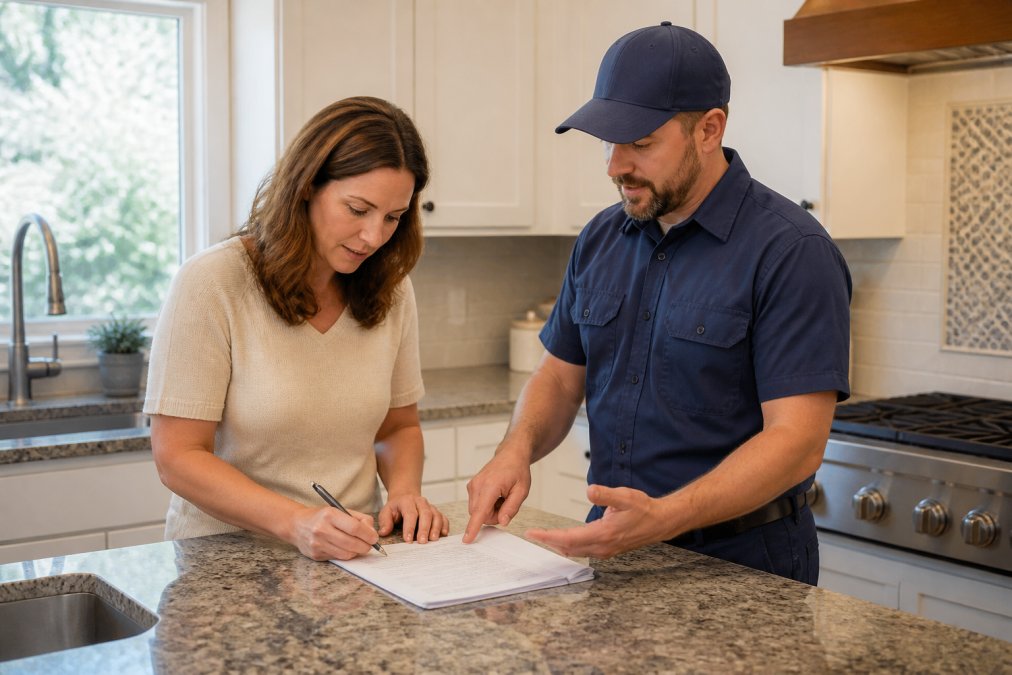
[5] Q: What should I look for in a residential plumbing service agreement? A: A solid service agreement should include the scope of work, materials to be used, timeline, total cost, and warranty details. Check whether labor and parts are both covered under warranty and for how long. Verify that the agreement specifies who's responsible for cleanup and permits. Ensure it lists the contractor's license number and insurance information. A good agreement protects both you and the contractor by setting clear expectations. Never sign anything with blank fields or vague cost descriptions.
Frequently Asked Questions
How can I verify a plumber's license and insurance before hiring them?
Ask for proof of current licensing and insurance before any work begins. Licensed plumbers must be registered with your state's licensing board, and you can verify credentials online. Request a copy of their insurance certificate for both liability and workers' compensation. Reputable plumbing alternatives like those in the Denver metro area will provide this documentation without hesitation. Never hire someone unwilling to prove their credentials, it's a major red flag.
What's the difference between family-owned plumbing services and national chains?
Family-owned plumbing services typically offer personalized attention, faster response times, and direct accountability to the owner. National chains provide brand recognition, 24/7 availability, and established processes. Family-owned companies often have deeper roots in local communities and understand neighborhood-specific plumbing challenges. National chains may have more resources but sometimes less flexibility. Both models have merit, your choice depends on whether you prioritize personal relationships or extensive availability.
How do I avoid overpaying for emergency plumbing repair costs?
Get multiple quotes before committing to work, even in emergencies. Ask about service call fees and whether they'll be waived if you proceed with repairs. Confirm the final cost before work starts, reputable contractors provide upfront pricing. Some plumbing alternatives offer flat-rate pricing instead of hourly rates, which prevents surprise bills. Ask if they offer payment plans or financing for larger repairs. Transparent pricing and written estimates protect you from unexpected charges.
What should I look for in a residential plumbing service agreement?
A solid service agreement should include the scope of work, materials to be used, timeline, total cost, and warranty details. Check whether labor and parts are both covered under warranty and for how long. Verify that the agreement specifies who's responsible for cleanup and permits. Ensure it lists the contractor's license number and insurance information. A good agreement protects both you and the contractor by setting clear expectations. Never sign anything with blank fields or vague cost descriptions.
When you need a plumber, you're looking for someone who shows up on time, does the work right, and charges a fair price. The Denver metro area has options, but not all of them deliver on all three. Colby Plumbing Company LLC combines fast, professional service with the kind of reliability that comes from three decades serving local homes and businesses. Contact us today for a service estimate or emergency repair, we're here when you need us.
This article was written using GrandRanker