 ultimate-guide
Hiring Licensed Plumbers for New Construction
Table of Contents
- What Licensed Plumbers for New Construction Actually Do
- How to Verify Plumbing License and Insurance Before Hiring
- Understanding the New Construction Plumbing Bid Process
- The Plumbing Contractor Vetting Checklist
- Key Qualifications and Experience to Demand
- Why Code Compliance and Inspection Matter in New Construction
- Building the Right Partnership for Your Project
- Conclusion
Last Updated: August 23, 2026
What Licensed Plumbers for New Construction Actually Do
When you're building something from the ground up, the plumbing systems don't install themselves. Licensed plumbers for new construction handle the entire skeletal infrastructure before walls close and fixtures go in. This is fundamentally different from repair work or remodeling.
New construction plumbing starts with blueprint reading and system design coordination. Your licensed plumber interprets architectural drawings, determines pipe routing, and plans where water supply lines, drainage systems, and vent stacks will run through the building. They work alongside electricians, HVAC contractors, and framers to ensure nothing conflicts and everything fits.
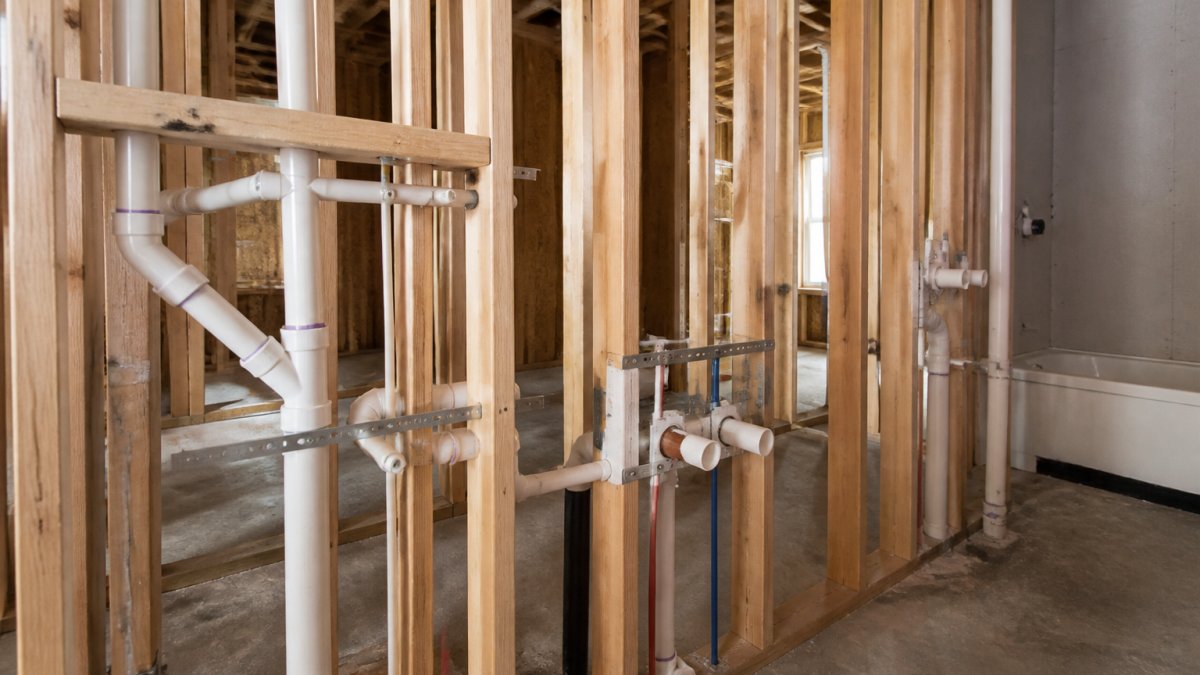
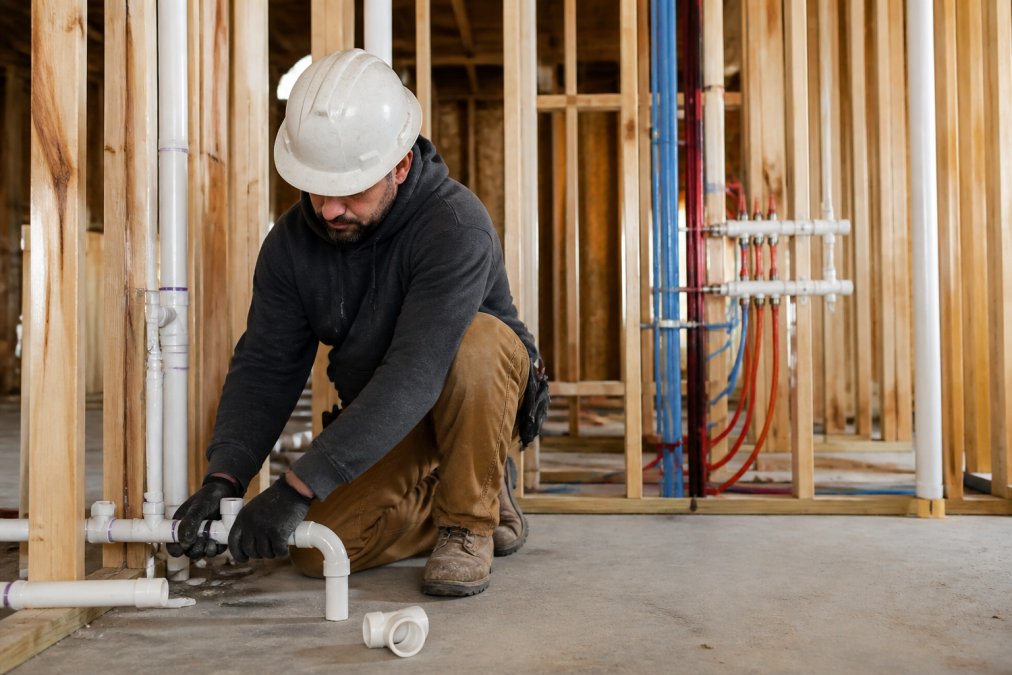
The actual installation happens in phases. During rough-in, plumbers run all the main water supply lines and drainage systems behind walls and under floors. They install the main stack, branch lines, and connection points for fixtures. This happens before drywall closes everything in. After inspections pass and walls are sealed, the finish phase brings the visible components: faucets, fixtures, water heaters, and final connections.
Licensed plumbers also manage compliance throughout. They ensure every component meets local building codes, obtain plumbing permits where required, coordinate with inspectors at mandatory checkpoints, and document all work for final approval. A single code violation can delay your entire project or force expensive rework.
At Colby Plumbing Company LLC, we've managed new construction plumbing from small residential additions to full commercial builds. The scope is substantial, the timeline is tight, and there's no room for guesswork. This is why hiring the right licensed plumber matters before you break ground.
How to Verify Plumbing License and Insurance Before Hiring
Before a licensed plumber touches your project, you need proof that they're actually licensed and properly insured. This isn't paperwork theater. It's your protection against liability, code violations, and incomplete work.
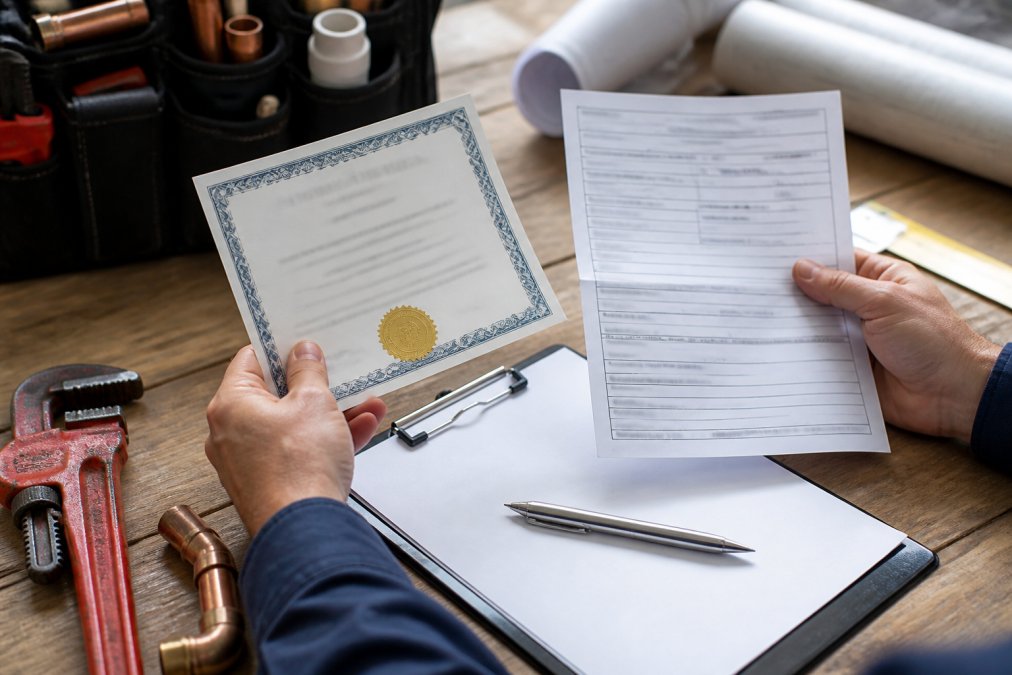
Start by asking for their license number directly. Don't accept vague assurances. Request the actual license document. In most states, you can verify the license online through your state's plumbing board or licensing authority. Search the plumber's name and license number. The database will confirm whether the license is active, what classification they hold (apprentice, journeyman, or master plumber), and whether any complaints or disciplinary actions are on record.
Insurance is equally critical. Ask for a Certificate of Insurance that lists general liability and workers' compensation coverage. The certificate should show current dates and adequate limits. Call the insurance company directly if you need confirmation. Don't rely on the plumber's word that coverage is active. If someone gets injured on your site or property damage occurs, your insurance company will look back at whether the contractor was properly covered. If they weren't, you're liable.
Bonded and insured means the plumber carries both insurance policies and a surety bond. The bond protects you financially if the work isn't completed or violates code. Not all plumbers carry bonds, but for new construction projects, it's worth asking. A plumber who refuses to provide proof of insurance or licensing is a red flag that should end the conversation immediately.
Document everything. Keep copies of the license verification, insurance certificate, and any communications about licensing status. If an issue arises during or after the project, you'll have proof that you hired a properly credentialed professional.
Understanding the New Construction Plumbing Bid Process
The bid process for new construction plumbing is more complex than a simple repair estimate. It involves scope definition, material selection, labor estimates, and timeline coordination. Understanding what goes into a bid helps you spot realistic pricing versus red flags.
A solid bid starts with a detailed scope of work. The plumber should walk the site, review all blueprints, and identify every component they'll install. This includes water supply lines, drainage systems, vent stacks, fixture rough-ins, water heater installation, and any special systems like radiant heating or greywater recirculation. If the bid is vague about what's included, ask for specifics.
Material costs vary based on pipe type, fixture grade, and system complexity. Copper, PEX, and PVC each have different costs and applications (the EPA). High-end fixtures cost more than builder-grade options. A transparent bid breaks down materials separately from labor. You should see line items for each major component, not a lump sum that obscures what you're actually paying for.
Labor is typically estimated by phase and complexity. Rough-in labor differs from finish labor. Commercial projects often take longer than residential work. A realistic bid accounts for the actual time required, not an artificially low figure designed to win the contract.
What to Include in Your Bid Request
When you request bids from licensed plumbers for new construction, provide clear documentation. Give each plumber the same blueprints, specifications, and project timeline. This ensures comparable bids. Include details about fixture selections, water pressure requirements, any special systems, and local code requirements. The more information you provide, the more accurate the bid will be.
Ask each plumber to specify their experience with similar projects. Have they done new construction work at this scale before? Do they understand the specific building codes in your jurisdiction? A plumber experienced in commercial new construction may not be the best fit for a residential project, and vice versa.
Request a timeline. When can they start? How long will rough-in take? When will they be available for inspections and finish work? New construction projects are scheduled sequentially. Your plumber's timeline affects the entire project schedule. If they can't commit to your timeline, that's a problem before work even begins.
Red Flags in Bids That Are Too Low or Too High
A bid that's significantly lower than others should raise questions. Unrealistically low pricing often means the plumber is underbidding to win the contract, then cutting corners or requesting change orders later to recover costs. They might use cheaper materials, rush through work, or skip steps that aren't immediately visible. By the time problems surface, you're locked into the project.
Conversely, a bid that's much higher than others might reflect quality and experience, or it might reflect inefficiency. Ask why the high bid is higher. Is it premium materials? More experienced staff? Better warranty coverage? Or is the plumber padding the estimate because they're not confident in their pricing?
The most reliable bid is one that's detailed, clearly explained, and in the middle range compared to other quotes. It shows the plumber has thought through the work, understands the scope, and isn't gambling on the project.
The Plumbing Contractor Vetting Checklist
Hiring the right licensed plumber for new construction requires systematic evaluation. A checklist ensures you don't overlook critical factors in the pressure of keeping your project on schedule.
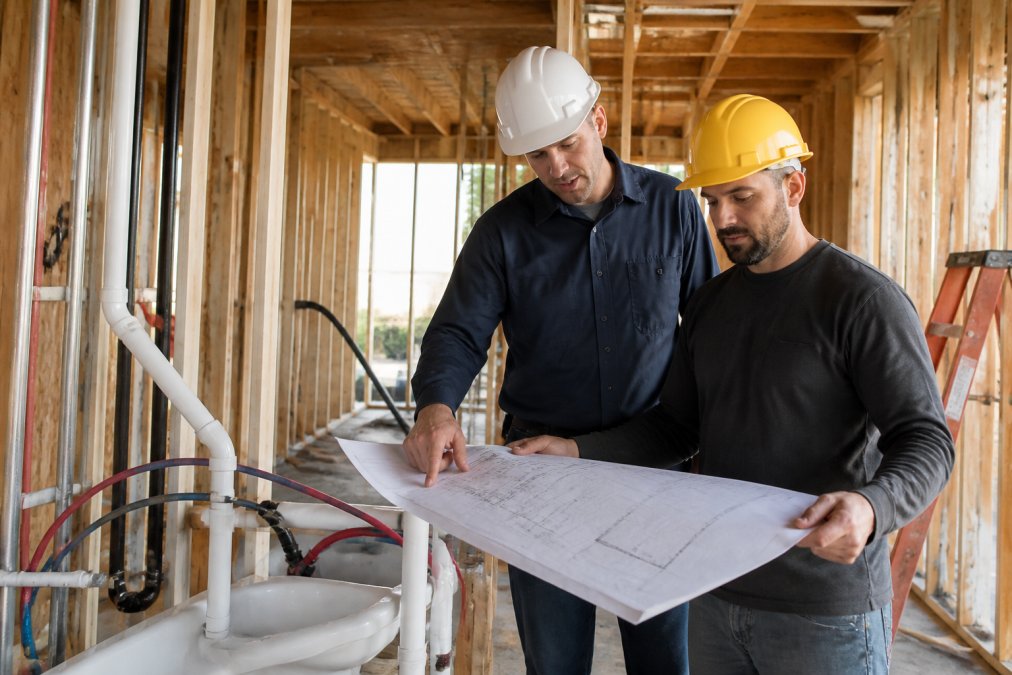
Start with credentials. Verify the license is active and in good standing. Check for complaints or disciplinary history. Confirm insurance and bonding. Call references from previous new construction projects, not just repair work. Ask specifically about their experience with rough-in coordination, code compliance, and project timeline adherence.
Evaluate their communication style. Do they answer questions clearly? Do they explain what they'll do and why? A plumber who takes time to educate you about the process is more likely to catch problems early and keep you informed throughout the project.
Review their understanding of local building codes. Ask them to walk through the specific code requirements for your project. If they can't articulate the relevant standards, they may not be staying current with code changes. Building codes get updated regularly. A plumber who doesn't keep pace creates compliance risk.
Assess their project management capability. New construction plumbing requires coordination with other trades. Ask how they handle scheduling conflicts, how they communicate with inspectors, and how they manage change orders. A disorganized plumber creates delays that ripple through your entire timeline.
Check their bonding and insurance limits. Standard coverage may not be sufficient for a large new construction project. Confirm the coverage is adequate for your specific project scope and value.
Finally, trust your gut. If something feels off during your conversations, it probably is. The plumber you hire will be a significant presence on your job site for weeks or months. Choose someone you're confident in.
Key Qualifications and Experience to Demand
Not all licensed plumbers have the same qualifications. For new construction, specific experience matters.
A journeyman plumber has completed apprenticeship and passed licensing exams (peer-reviewed research). They understand code, can work independently, and handle complex installations. A master plumber has additional years of experience and advanced certifications. They often supervise teams and handle system design. For new construction, you want at least a journeyman on your project, ideally with specific new construction experience.
Ask about their background with the specific project type. Residential new construction differs from commercial. Rough-in work for a single-family home is different from a multi-story office building. A plumber experienced in residential work may not understand the complexity of commercial systems, and vice versa.
Experience with specific systems matters too. If your project includes radiant floor heating, greywater systems, or other specialized plumbing, confirm the plumber has installed those systems before. Don't hire someone to learn on your project.
Ask about their experience with on-site coordination. New construction means working alongside electricians, HVAC contractors, framers, and inspectors. A plumber who's managed that coordination before will navigate your project more smoothly. Someone doing their first major new construction project will likely create delays and conflicts.
Request examples of previous new construction work. Ask to visit a completed project if possible. See the quality of the rough-in, the neatness of the installation, and the attention to detail. This reveals whether the plumber's standards match yours.
Why Code Compliance and Inspection Matter in New Construction
Building codes exist for a reason: safety, functionality, and long-term durability. In new construction, code compliance is non-negotiable. A plumbing system that violates code can create health hazards, fail inspections, and require expensive rework.
Your licensed plumber is responsible for understanding and following the building codes that apply to your project. These codes specify pipe sizing, slope requirements for drainage, vent stack placement, water pressure limits, and fixture types. A code violation might seem minor, but it can compromise the entire system's functionality or create safety risks.
Inspections happen at mandatory points during the project. After rough-in is complete and before walls close, an inspector verifies that all pipes are properly sized, routed, and supported (the CDC). After finish work, another inspection confirms all fixtures are properly connected and functioning. These inspections aren't bureaucratic hurdles. They're checkpoints that catch problems before they become expensive failures.
Your plumber should manage the inspection process. They schedule inspectors, ensure the work is ready for inspection, and address any violations the inspector identifies. If violations are found, the plumber fixes them at no additional cost. This is part of doing the job correctly.
Building codes also change over time. A plumber who stays current with code changes ensures your project meets current standards, not outdated ones. This protects your investment and ensures the system will function properly for decades.
Building the Right Partnership for Your Project
Hiring a licensed plumber for new construction isn't a transaction. It's a partnership that lasts through the entire project lifecycle.
The best partnerships start with clear communication. Before work begins, establish how you'll communicate. How often will the plumber update you? How will you address questions or concerns? What's the process for change orders? Clear expectations prevent misunderstandings later.
Set realistic timelines together. The plumber should understand your project schedule and commit to milestones that keep the project moving. If delays occur, they should notify you immediately and explain the reason. Transparency about timelines prevents surprises.
Establish how you'll handle issues. Problems happen on every project. What matters is how they're addressed. A good plumber identifies issues early, proposes solutions, and works with you to resolve them without blame or defensiveness.
At Colby Plumbing Company LLC, we approach every new construction project as a partnership. We show up when we commit to show up. We finish when we say we'll finish. We charge exactly what we quote. Our customers know they're getting reliable, professional work backed by our 100% satisfaction guarantee.
The right licensed plumber for new construction is someone who takes ownership of their work, communicates clearly, and prioritizes your project's success. That's the standard you should demand.
Hiring the right licensed plumber for new construction sets the foundation for your entire project. The wrong choice creates delays, code violations, and costly rework. The right choice delivers a properly functioning plumbing system installed on schedule and within budget. Verify licensing and insurance, evaluate experience with new construction specifically, and choose someone who communicates clearly and takes responsibility for their work. Contact Colby Plumbing Company LLC today to discuss your new construction plumbing needs and get a detailed bid for your project.
Frequently Asked Questions
Q: What qualifications should I look for when hiring licensed plumbers for new construction?
A: Look for plumbers who hold a valid journeyman or master plumber license in your state, have specific new construction experience (not just service calls), understand building codes and blueprint reading, and carry current liability insurance and bonding. Ask for references from recent new construction projects and verify they've worked on projects similar in scope to yours. A licensed plumber should be able to discuss rough-in phases, fixture installation timing, and coordination with other trades like HVAC.
Q: How do I verify a plumbing contractor's license and insurance?
A: Contact your state's licensing board or plumbing board directly, most states maintain online searchable databases of licensed plumbers. Request proof of liability insurance and bonding directly from the contractor, then verify it with their insurance provider. Ask for their license number and expiration date. Never accept verbal assurances; always get documentation in writing.
Q: What should the new construction plumbing bid process include?
A: A complete bid should itemize labor costs, materials, timeline, and phases (rough-in, fixture installation, testing, inspection). It should reference the project blueprints, specify which building codes will be followed, clarify what happens if inspection fails, and outline payment terms. Compare multiple bids, but don't choose based solely on price, the lowest bid often signals inexperience or incomplete scope. A thorough bid shows the contractor understands the full project lifecycle and has done similar work.
Q: What's the difference between a residential service plumber and a new construction plumber?
A: Service plumbers fix existing systems and handle emergency repairs. New construction plumbers install plumbing systems from the ground up, work from blueprints, coordinate with other trades, and must pass inspections at multiple stages. New construction requires knowledge of code compliance, system design, and project management. When hiring for new construction, specifically ask about their experience with rough-in work, system testing, and passing final inspections, not just repair experience.
This article was written using GrandRanker