 ultimate-guide
Residential Plumbing Code Requirements: A 2026 Guide
Table of Contents
- What Residential Plumbing Code Is and Why It Exists
- How to Find the Plumbing Code That Applies to Your Home
- Residential Plumbing Permits: When You Need Them and How to Get Them
- Plumbing Fixture Requirements and Installation Standards
- Drain and Vent Pipe Code Requirements Explained
- Plumbing Code Inspection Checklist and Common Violations
- Water Supply, Drainage, and Backflow Prevention Standards
- Homeowner Responsibilities Versus Licensed Plumber Work
- Frequently Asked Questions
Last Updated: October 10, 2026
What Residential Plumbing Code Is and Why It Exists
Residential plumbing code is a set of standards and regulations that establish minimum requirements for how plumbing systems must be designed, installed, and maintained in homes. These codes exist to protect public health, ensure water safety, prevent contamination, and guarantee that plumbing systems function reliably without endangering occupants or neighboring properties.
Plumbing codes are built on decades of engineering research and real-world failure data. When a pipe freezes and bursts, when drain systems back up into living spaces, or when contaminated water enters the potable water supply, the consequences extend beyond one home, they affect entire neighborhoods and municipal water systems. That's why codes aren't suggestions; they're enforceable requirements that your local authority having jurisdiction uses to evaluate every significant plumbing project.
Most homeowners encounter residential plumbing code requirements when they undertake remodels, new construction, or emergency repairs. At Colby Plumbing Company LLC, we work with these codes daily. Understanding them upfront prevents costly corrections later. A rough-in inspection failure, for example, can delay a project by weeks and require expensive rework. Knowing what inspectors look for helps you avoid that scenario entirely.
How to Find the Plumbing Code That Applies to Your Home
Finding your local plumbing code requirements is simpler than most homeowners assume, but the process varies by location. The first step is determining which code edition your jurisdiction has adopted.
Most jurisdictions in the United States adopt one of these model codes: the International Plumbing Code (IPC), the Uniform Plumbing Code (UPC), or a regional variant. Some states and municipalities create their own amendments or adopt older editions. Your local building department maintains this information publicly, and calling them directly is often the fastest approach.
Start by contacting your city or county building department. Ask specifically: "What plumbing code edition does your jurisdiction enforce, and what year was it adopted?" Request any local amendments in writing. Many departments now publish this information online through their building code or planning sections.
For new construction or major remodels, request a code summary document. Some jurisdictions provide these free; others charge a small fee. This document typically outlines the adopted code edition, local amendments, common requirements for residential projects, and the permit and inspection process.
Local amendments matter significantly. A jurisdiction might adopt the IPC but modify requirements for water-supply sizing, drainage system configurations, or approved materials based on local soil conditions, water quality, or climate. Ignoring local amendments is one of the most common mistakes, and it often surfaces only during inspection.
Residential Plumbing Permits: When You Need Them and How to Get Them
Nearly all plumbing work beyond minor repairs requires a permit. The specifics depend on your jurisdiction, but the principle is consistent: permits ensure that work meets code and receives inspection at critical stages.
Work that typically requires a permit includes new installations, fixture replacements, water heater installations, drain or vent system modifications, and rough-in plumbing for remodels. Some jurisdictions permit minor repairs, like replacing a faucet or fixing a leak, without formal approval, but this varies widely. When in doubt, contact your building department before starting work.
The permit process follows a predictable sequence. First, you submit an application with plans or specifications showing the proposed work. For simple projects, this might be a one-page form and a sketch. For new construction or major remodels, you'll need detailed plumbing plans showing water-supply lines, drainage routes, vent locations, and fixture placement. The building department reviews your application to confirm it complies with adopted code. If it does, they issue the permit. If not, they request modifications before approval.
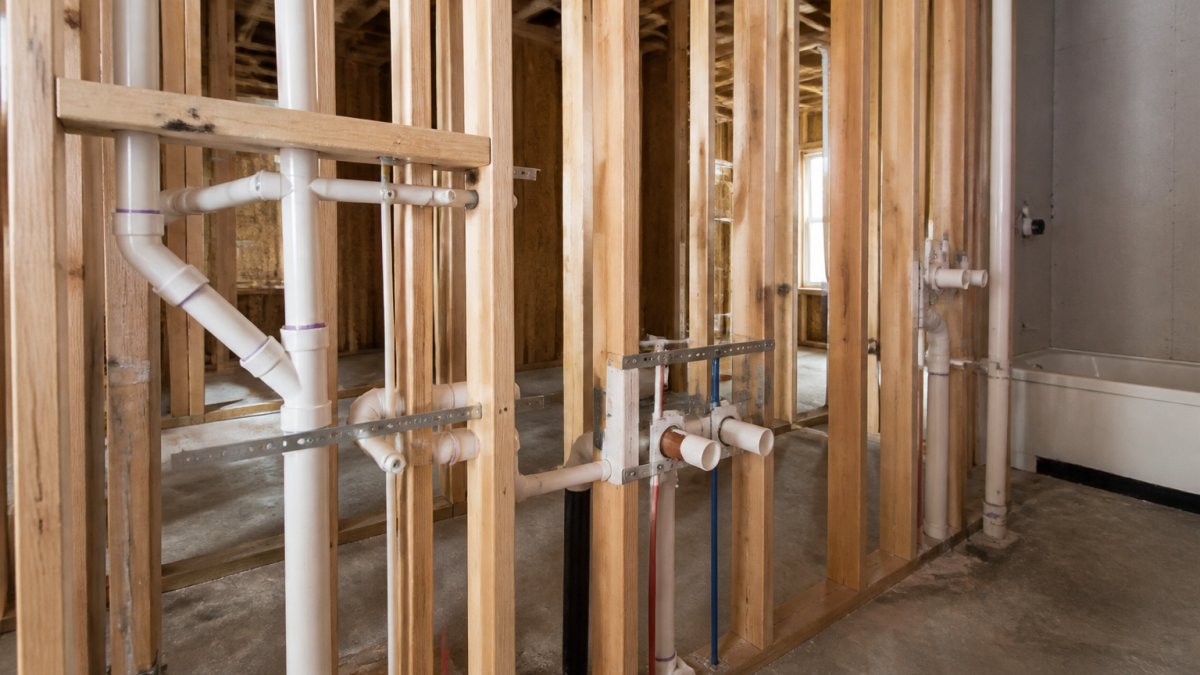
Once you have a permit, you're authorized to begin work. Most codes require inspections at specific stages: typically a rough-in inspection before walls close and a final inspection after all fixtures are installed and systems are operational. The inspector verifies that materials meet code requirements, pipe sizing is correct, connections are proper, and all components function as designed.
Plumbing Fixture Requirements and Installation Standards
Plumbing fixtures, sinks, toilets, showers, tubs, water heaters, and specialty items, must meet specific performance and installation standards under residential plumbing code. These standards ensure fixtures operate reliably, use water efficiently, and integrate safely into the overall system.
Fixtures must be approved for the intended use and installed according to manufacturer specifications and code requirements. A toilet, for example, must have a water-supply valve that delivers water at the correct pressure and volume, a trap that maintains a water seal to prevent sewer gases from entering the home, and a drain connection sized appropriately for the fixture's discharge.
Spacing and accessibility requirements also apply. Fixtures must be positioned to allow reasonable access for maintenance and repair. A water heater, for instance, cannot be installed in a confined space that prevents inspection and service. Bathrooms typically require minimum clearances around toilets and sinks to meet accessibility standards.
Water-supply connections to fixtures must use approved materials and include proper shut-off valves. Each fixture typically requires its own shut-off valve or access to a main valve, allowing you to isolate a fixture for repair without shutting down the entire system. Supply lines must be protected from freezing in cold climates and routed to avoid damage.
Drain and Vent Pipe Code Requirements Explained
The drainage and venting system is the most complex part of residential plumbing code. This system removes waste water and solids from fixtures, transports them to the sewer or septic system, and allows air to enter pipes so water flows freely without creating vacuums or backpressure.
Drain pipes must slope uniformly toward the main drain or sewer connection. The standard slope is typically one-quarter inch per horizontal foot, steep enough to move solids but not so steep that water separates from waste. Horizontal drains that lack proper slope accumulate debris and eventually clog. Drain pipes must also be sized correctly for the fixtures they serve, measured in drainage fixture units.
Trap seals are critical for safety. Every fixture drain must include a trap, a U-shaped section of pipe that holds standing water. This water seal prevents sewer gases and vermin from entering the home through the drain. Traps must be accessible for cleaning and must maintain their seal under normal operating conditions.
Vent pipes allow air into the drainage system, maintaining atmospheric pressure so water drains freely. Without adequate venting, drains create negative pressure, which can siphon trap seals and allow gases to escape into the home. Vent pipes must be sized appropriately, routed to prevent water from collecting inside them, and terminated above the roofline where they cannot create odors or health hazards.
Plumbing Code Inspection Checklist and Common Violations
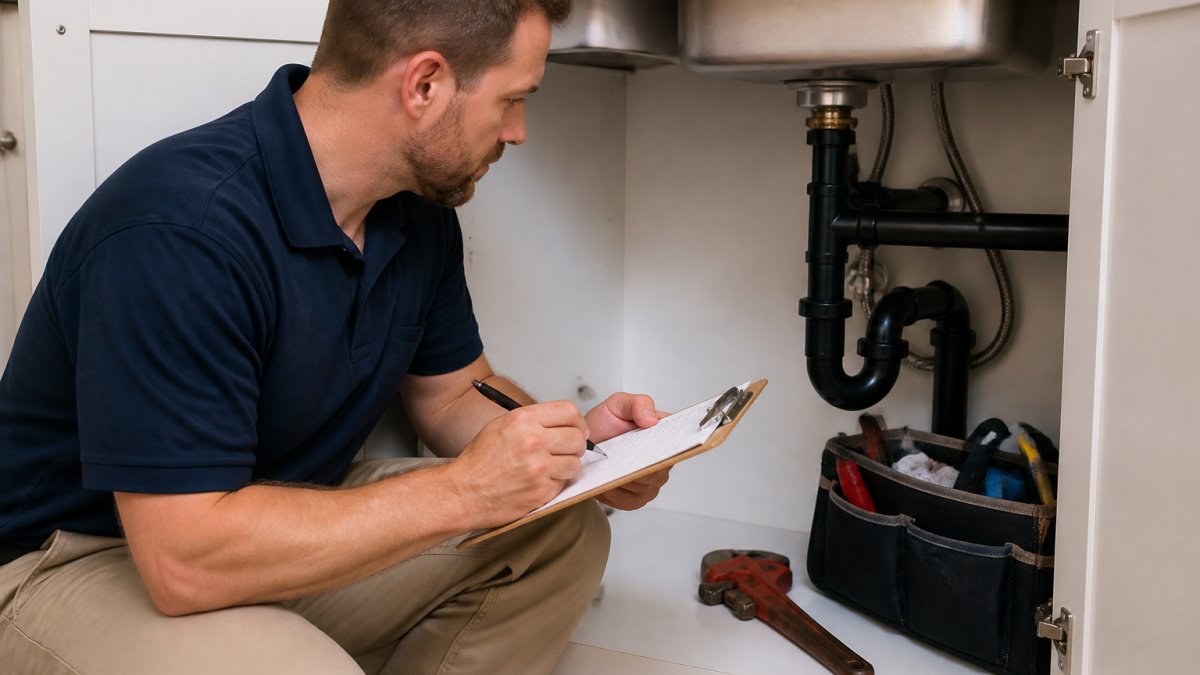
Inspectors evaluate plumbing systems against a consistent checklist. Understanding what they assess helps you prevent failures and costly rework.
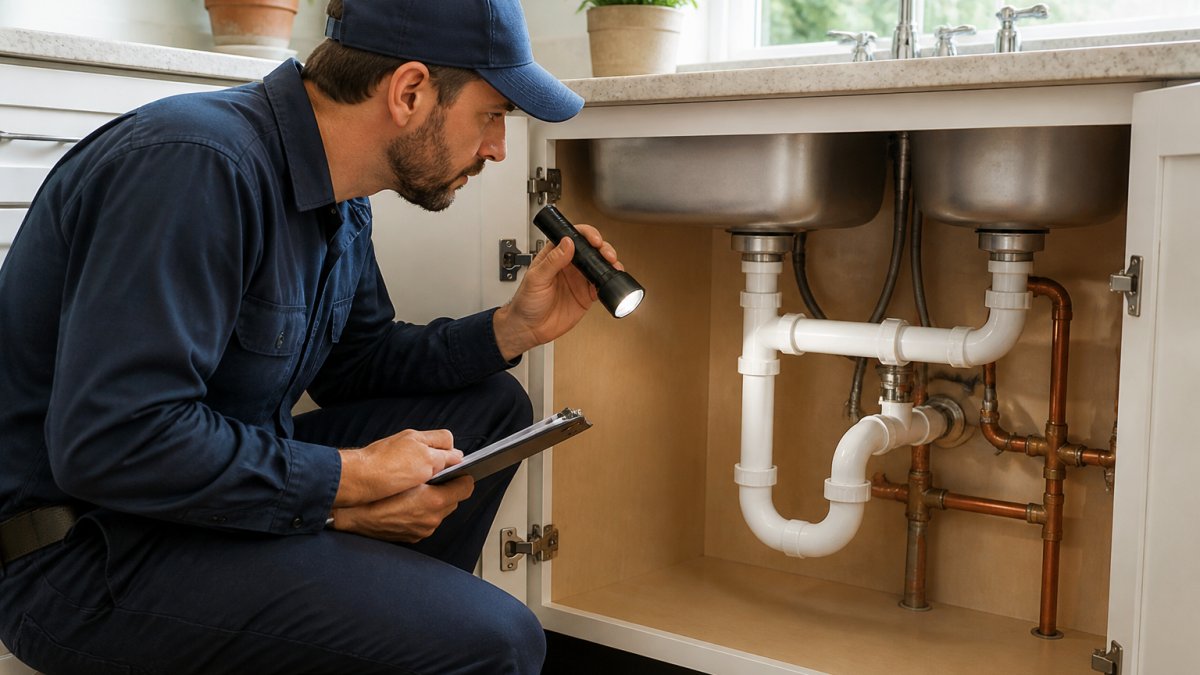
Common violations include undersized drains that lead to slow drainage or backups, improper slopes that allow debris accumulation, missing or defective trap seals, inadequate or missing vent pipes, unsupported or improperly supported pipes that sag or shift, connections made with unapproved materials or methods, and water-supply lines that lack shut-off valves or backflow prevention where required.
Many violations stem from DIY attempts or contractors unfamiliar with local code. A homeowner might install a drain line without the required slope, thinking "as long as water flows, it's fine." An inspector will catch this and require correction. The cost of fixing a violation after inspection often exceeds the cost of getting it right the first time.
Water Supply, Drainage, and Backflow Prevention Standards
The water-supply system must deliver clean, potable water at adequate pressure and volume to all fixtures while preventing contamination. Backflow prevention is a critical component of this requirement.
Backflow occurs when water flows backward through the supply line, potentially carrying contaminated water into the public water system or the home's supply lines. This can happen when pressure in the supply line drops below pressure in a fixture or appliance. Backflow prevention devices, such as check valves, vacuum breakers, or reduced-pressure backflow preventers, stop this reverse flow.
Water-supply pipes must be sized to deliver adequate flow to all fixtures simultaneously while maintaining minimum pressure. Undersized supply lines result in low water pressure and poor fixture performance. Supply lines must also be protected from freezing in cold climates and routed away from sources of contamination like sewer lines or chemical storage areas.
Drainage systems must transport all waste water and solids to the sewer or septic system without creating backups, odors, or health hazards. Drain sizing, slope, and venting all contribute to proper drainage. In areas served by municipal sewers, the main drain must connect to the public sewer line at the property line or beyond. In areas with septic systems, the drain must connect to an approved septic tank sized for the home's occupancy and water usage.
Homeowner Responsibilities Versus Licensed Plumber Work
Understanding where homeowner responsibilities end and licensed plumber work begins protects you legally and ensures code compliance. While some minor maintenance falls within homeowner scope, most plumbing work requires a licensed professional.
Homeowners can typically replace faucet washers, clean strainers, clear minor clogs using a plunger, and perform cosmetic maintenance like caulking around fixtures. These tasks don't alter the plumbing system itself and don't require permits or inspections.
Most other work requires a licensed plumber and a permit. This includes fixture installation or replacement, water heater installation, drain or vent modifications, supply line repairs or relocations, backflow prevention installation, and any work that involves opening walls or altering the plumbing system.
When you hire a licensed plumber, verify their license through your state plumbing board or licensing authority. Ask for proof of insurance and bonding. Confirm they'll obtain necessary permits and arrange inspections, this protects you if something goes wrong later.
At Colby Plumbing Company LLC, we handle all permitting and inspection coordination for our clients. We understand local code requirements and ensure every project meets current standards.
Understanding residential plumbing code requirements prevents costly mistakes, ensures your home's systems function safely, and protects your investment in remodels or new construction. Code compliance isn't optional, it's a legal requirement that protects you, your family, and your community's water systems.
Frequently Asked Questions
How do I find the plumbing code requirements that apply to my specific home?
Contact your local authority having jurisdiction, typically your city or county building department. They'll confirm which code edition and amendments apply to your address. You can also ask a licensed plumber to verify requirements for your project. Building departments usually provide code information online or by phone at no charge.
What plumbing work requires a residential plumbing permit?
Most jurisdictions require permits for new plumbing installations, fixture additions, water heater replacement, and significant repairs or remodeling. Minor repairs like fixing a faucet or replacing a trap typically don't need permits. Your local building department or a licensed plumber can confirm what requires a permit before you start work.
What are the basic requirements for drain and vent pipe code requirements?
Drain pipes must slope uniformly at 1/4 inch per foot toward the sewer connection. Vent pipes carry gases safely out of the building and maintain proper drainage pressure. Pipe sizing depends on the number and type of fixtures connected. All materials must be approved by your local jurisdiction, common materials include PVC, ABS, and cast iron.
Can homeowners do their own plumbing work, or does it have to be done by a licensed plumber?
Rules vary by jurisdiction. Many areas allow homeowners to perform work on their own primary residence but require permits and inspections. Some jurisdictions require all plumbing work to be done by licensed professionals. Check with your local building department. Even where homeowner work is allowed, complex projects like water heater installation or new construction rough-in are safer and more reliable when handled by licensed plumbers.
What happens if plumbing work doesn't meet code?
Code violations can delay inspections, prevent occupancy permits, create safety hazards, and lead to costly corrections. Inspectors will require work to be redone to meet standards. In some cases, violations discovered during a home sale can become the seller's liability. Working with a licensed plumber from the start ensures compliance and protects your investment.
How often are residential plumbing codes updated?
The International Plumbing Code is updated every three years. Most jurisdictions adopt new editions within 2-5 years. Some states and local governments create amendments that modify or add to the adopted code. Check with your local building department to learn which edition and amendments currently apply to your area.