 comparison
Mile High Drain vs Independent Plumbers: Which Fits Your Needs
Table of Contents
- Service Scope: What Each Option Covers
- Emergency Response and Availability
- Average Hourly Rate for Plumbers and Pricing Models
- Benefits of Hiring Local Plumbing Contractors
- How to Spot Plumbing Overcharging
- Comparing Independent Plumbers to Larger Operations
- Which Option Is Right for Your Situation
Last Updated: August 30, 2026
Service Scope: What Each Option Covers
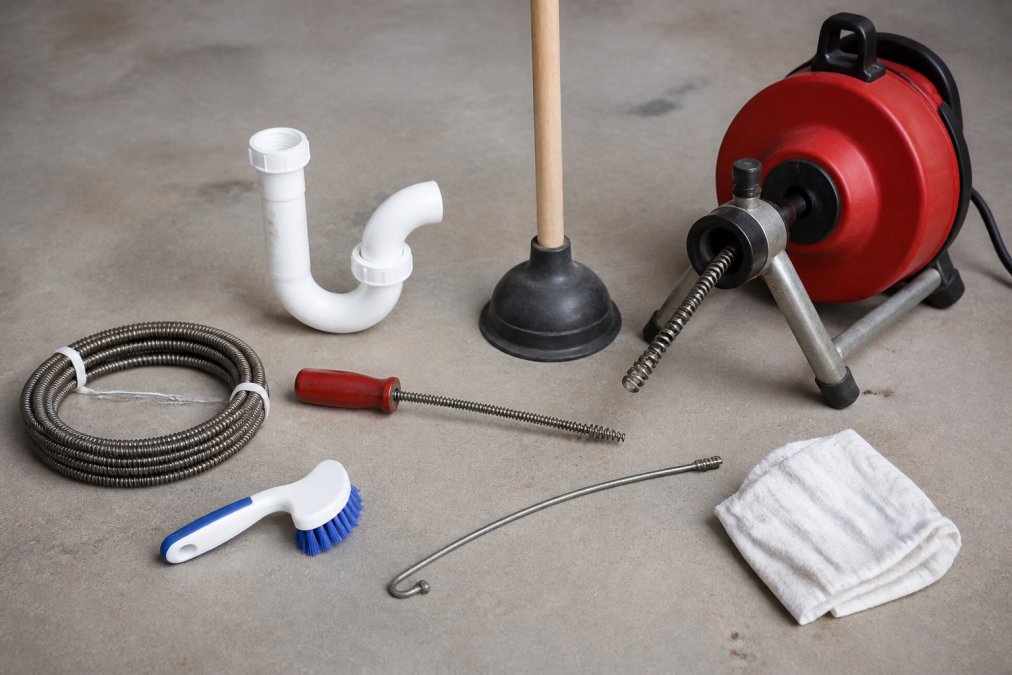
When you're facing a plumbing emergency or planning a major project, understanding what each provider actually does, and what they don't, changes everything. Mile High Drain specializes in drain cleaning, sewer line services, and emergency response. They handle hydro-jetting, camera inspections for diagnostics, and sewer line replacement. Independent plumbers vary widely in scope, but many offer comprehensive plumbing services including water heater installation, pipe repair, fixture work, and emergency calls. The critical difference: Mile High Drain is a specialist operation focused on drainage systems, while independent plumbers typically handle the full spectrum of residential and commercial plumbing needs.
This matters because specialists go deep in one area. Mile High Drain's expertise in sewer diagnostics and high-pressure jetting is genuine, they've built their operation around those services. But if you need a water heater replaced or your kitchen plumbing rerouted for a remodel, you're calling someone else anyway. Independent plumbing contractors, by contrast, position themselves as full-service providers. They handle drain cleaning, but they also install fixtures, repair leaks, and manage complex new construction rough-ins. One approach isn't universally better, it depends on what you actually need fixed.
| Service | Mile High Drain | Independent Plumbers | Best For |
|---|---|---|---|
| Emergency Response | 24/7 availability | Varies by contractor | Urgent situations |
| Drain Cleaning | Specialty service | Common offering | Clogged drains |
| Sewer Line Work | Full range | Limited to some | Sewer diagnostics |
| Water Heater Service | Limited | Full service | Replacements/repairs |
| New Construction | Not primary focus | Core service | Rough-ins, remodels |
| Pipe Repair | Not primary focus | Full service | Leak fixes |
Emergency Response and Availability
24-hour emergency plumbing response sounds like a luxury until 2 a.m. on a Sunday and your main line backs up. Mile High Drain advertises around-the-clock availability for burst pipes, clogged drains, and sewer backups. That's their business model, emergencies are when they make money, so they staff for it. Independent plumbers vary dramatically here. Some operate strict 9-to-5 schedules. Others take emergency calls but charge premium rates after hours. A few genuinely offer 24-hour service, but you need to verify before crisis hits.
The real cost of emergency availability isn't just the service fee, it's the response time. Mile High Drain, as a larger operation, can dispatch crews quickly because they have multiple technicians and trucks positioned across the service area. An independent plumber might be 45 minutes away on a Friday night, or they might be your neighbor and arrive in 10 minutes (bls.gov). The trade-off is consistency. Larger operations have systems. Independent contractors have personalities. One gives you predictable response times; the other gives you a plumber who actually cares about your specific problem because you're not account #4,827.
Average Hourly Rate for Plumbers and Pricing Models
Plumbing pricing operates on three layers: the service call fee (typically $75-$150), the hourly labor rate (typically $85-$150 per hour depending on experience and location), and materials marked up 15-30% above cost (bls.gov). Understanding this structure matters less than understanding when each business model saves you money.
A specialized drain operation like Mile High Drain typically charges higher hourly rates, often $120-$150 per hour, because they've invested in diagnostic equipment (camera inspection systems cost $3,000-$8,000), specialized training, and 24-hour staffing (peer-reviewed research). That overhead gets passed to you. But here's the cost-benefit: if your problem is a sewer line issue requiring camera inspection and hydro-jetting, you're paying for equipment and expertise you can't get from a generalist. One specialized call solves the problem. An independent plumber might charge $95-$125 per hour, but if they lack camera equipment, they'll either refer you to a specialist anyway (wasting your first service call fee) or guess at the diagnosis and potentially recommend unnecessary excavation.
Independent plumbers have lower overhead, which translates to lower hourly rates, but only if you're hiring them for work within their core competency. For a simple clogged drain, a plunger, or a basic drain snake, an independent contractor is the economical choice. For a water heater replacement, fixture installation, or leak repair, they're also the right choice because they do this work constantly and have the tools on hand.
The real cost comparison isn't hourly rate, it's total job cost. A sewer line diagnosis that requires specialized equipment might cost $300-$500 with a specialist (one service call, accurate diagnosis, no wasted time). The same diagnosis attempted by a generalist might cost $150-$200 for the initial call, then another $300-$800 when they realize they need to refer you to a specialist anyway. You've now paid two service fees and still don't have the answer.
Conversely, if you need a water heater replaced, a leaky faucet fixed, and a drain cleaned, three separate issues, an independent plumber handles all three in one visit. A specialized drain operation handles only the drain, requiring you to call someone else for the other two jobs. That's two additional service call fees ($150-$300 combined) plus the inconvenience of coordinating multiple contractors.
The pricing question isn't "who's cheaper per hour." It's "what's the total cost to solve my actual problem?" For drainage diagnostics and sewer work, specialists justify their higher rates through equipment and accuracy. For general plumbing, generalists justify lower rates through breadth of service and fewer wasted calls.
Benefits of Hiring Local Plumbing Contractors
Independent plumbers know your neighborhood in ways larger operations cannot. They understand which homes have problem soil that causes foundation shifts, which streets have aging infrastructure from the 1950s-1970s, and which building codes the local inspector actually enforces. When an independent plumber says "your 1970s copper piping is starting to fail," they're not guessing, they've replaced it on ten other houses on your block. This hyperlocal expertise prevents unnecessary work and catches problems before they become emergencies.
They also show up because their reputation is hyperlocal. A bad review doesn't just hurt their online rating; it spreads through your neighborhood. They know their neighbors are their best customers. Larger operations can absorb bad reviews across a wider service area. An independent plumber cannot. This creates a powerful incentive to do good work and follow through when something doesn't hold up.
There's also scheduling flexibility. Need a plumber to work around your contractor's schedule during a remodel? An independent is more likely to adjust. Need someone to explain what's actually wrong instead of just quoting a fix? Independent contractors often take time because they're not racing to the next call. They're building a relationship with someone who might hire them again in five years.
However, service area limitations are a critical factor most homeowners overlook. An independent plumber's "local" service area might be 5 miles or 25 miles from their home base. If you live at the edge of their service area, response times can be 45 minutes to an hour, which defeats the purpose of hiring someone local. Before calling, verify their service area explicitly. Ask: "Do you service my zip code?" and "What's your typical response time for non-emergency calls in my area?" Some independent plumbers won't service areas beyond a certain radius because travel time cuts into profitability.
Also verify their availability window. Many independent plumbers operate strict business hours, 7 a.m. to 5 p.m., Monday through Friday, and don't take emergency calls. If you need 24-hour availability, an independent plumber might not be viable regardless of how good their reputation is. A few independent contractors do offer after-hours service, but they charge premium rates (typically 50-100% above their standard rate) and may require a deposit before dispatching.
The relationship-based advantage of hiring locally only works if they actually serve your location and operate during hours when you can reach them. Verify both before assuming an independent plumber is a viable option for your situation.
How to Spot Plumbing Overcharging
Overcharging happens in two ways: unnecessary work and inflated pricing. The first is harder to catch because you don't know what's necessary. The second is easier, you can get multiple quotes. Any plumber who won't give you an estimate before starting work is a red flag. Reputable contractors, whether independent or larger operations, quote the job first. They know what materials cost, what labor takes, and they can tell you the total before they touch your pipes.
Watch for vague estimates. "I'll need to look at it and see what we're dealing with" is honest. "This could be anywhere from $500 to $3,000 depending on what I find" is not. Good plumbers can narrow that range significantly after a brief inspection. They know the difference between a simple clog and a structural sewer issue. If a plumber can't give you a range, they're either inexperienced or they're leaving room to upsell.
The second red flag is the emergency surcharge that doesn't make sense. Yes, calling a plumber at midnight costs more than calling at 9 a.m. That's fair. A 50-100% surcharge is standard. A 300% surcharge is overcharging. Compare the after-hours rate to what they advertise as their standard rate. If they won't tell you their standard rate, they're hiding something.
Finally, ask what's included in the estimate. Does it cover the diagnostic call? Does it include the service call fee? Some plumbers quote labor only, then surprise you with a $150 diagnostic fee on top. Transparent plumbers break down every component. That transparency is worth paying for.
Comparing Independent Plumbers to Larger Operations
The fundamental difference comes down to scale versus specialization. Mile High Drain is a specialized drain and sewer operation. They've invested heavily in camera inspection technology, hydro-jetting equipment, and crews trained specifically in drainage diagnostics. If your problem is a sewer line issue, they're probably the right choice because they do it constantly and have the best equipment. But if you need a water heater replaced and a leaky faucet fixed, you're hiring a specialist to do generalist work.
Independent plumbing contractors are generalists. They do everything from emergency repairs to new construction. They're not experts in drainage diagnostics the way Mile High Drain is, but they're competent across the full range of plumbing needs. This matters when you have multiple problems. One service call from an independent contractor handles everything. One service call from Mile High Drain handles the drain, then you're calling someone else for the water heater.
Larger operations also have systems. They use scheduling software, dispatching protocols, and quality assurance processes. That consistency is valuable when you need predictability. Independent plumbers operate on relationships and reputation. You might get better service because they care about your specific problem, or you might get inconsistent service because they're juggling too many jobs.
The cost difference isn't always what you'd expect. Independent plumbers can be cheaper because they have lower overhead. But a busy, well-reviewed independent plumber might charge more than a larger operation because demand is higher. Pricing depends on the specific contractor, not the business model.
Which Option Is Right for Your Situation
Choose Mile High Drain if your primary issue is drainage or sewer-related and you need 24-hour emergency availability. They specialize in those services and have the equipment to diagnose problems accurately. Choose them if you want the consistency of a larger operation with established protocols and multiple crews available.
Choose an independent plumber if you need comprehensive plumbing work, multiple issues, new construction, or remodeling projects. Choose them if you value local expertise and relationship-based service. Choose them if cost is a significant factor and you're willing to invest time in finding a good contractor. Choose them if you want flexibility around scheduling and the ability to work with someone who actually explains what's happening instead of just quoting a price.
The decision ultimately hinges on three questions: What's your primary problem? Do you need emergency availability? And how much do you value local relationships versus operational consistency? Answer those honestly, and the choice becomes clear.
Choosing the right plumber matters because plumbing problems don't wait for convenient timing. You need someone reliable who shows up when they say they will and charges fairly for the work. At Colby Plumbing Company LLC, we've been serving the Denver metro area since 1996 with licensed professionals who handle everything from emergency repairs to complex remodeling projects. Our commitment is straightforward: transparent pricing, quality workmanship, and a 100% satisfaction guarantee. CONTACT US TODAY to discuss your plumbing needs and get a fair estimate.
Frequently Asked Questions
Are independent plumbers cheaper than larger plumbing companies?
Independent plumbers often have lower overhead costs than large operations, which can translate to competitive pricing. However, cost depends on the specific job, the plumber's experience level, and local market rates. Some independent plumbers charge hourly rates while others use flat-rate pricing. The key is getting written estimates from multiple providers and comparing what's included in each quote, rather than assuming size determines price.
How much should a plumber charge per hour?
The average hourly rate for plumbers typically ranges based on experience, location, and complexity of work. Rates vary significantly depending on whether it's a service call, emergency work, or specialized repairs. Rather than focusing on hourly rates alone, request a detailed estimate that breaks down labor, materials, and any service fees. This helps you understand the total cost and compare fairly across different providers.
How can I verify that a plumber is licensed and insured?
Ask the plumber directly for their license number and insurance information before work begins. You can verify licensing through your state's licensing board or contractor registry. Request a copy of their insurance certificate of insurance. Licensed and insured plumbing contractors protect you from liability if something goes wrong during the job. A reputable plumber will provide this information without hesitation.
What should I look for in a plumbing service estimate to avoid overcharging?
A clear estimate should itemize labor costs, materials, and any service or diagnostic fees separately. Avoid estimates that are vague or significantly lower than others without explanation. Ask what's included and what might cost extra. Get the estimate in writing. If the plumber needs to diagnose the problem first, ask whether that diagnostic fee applies toward the final bill if you hire them for the repair.
This article was written using GrandRanker