 ultimate-guide
Why Plumbing Repairs Fail Repeatedly
Table of Contents
- Why Plumbing Repairs Fail Repeatedly: The Root Causes
- Common Causes of Recurring Drain Clogs
- Underlying System Issues vs. Isolated Incidents
- When to Replace vs. Repair Plumbing Pipes
- How to Choose a Licensed Plumber to Prevent Failures
- Preventative Maintenance to Avoid Repeat Failures
- Conclusion
Last Updated: August 26, 2026
Why Plumbing Repairs Fail Repeatedly: The Root Causes
Plumbing repairs fail repeatedly for reasons that often have nothing to do with the original problem. A pipe that leaks gets patched, but the underlying cause, corrosion, improper sizing, or material incompatibility, remains untouched. Within weeks or months, the same issue resurfaces, sometimes worse than before. Understanding why plumbing repairs fail repeatedly is the difference between a temporary fix and a lasting solution.
At Colby Plumbing Company LLC, we've spent decades watching homeowners and property managers repeat the same cycle: emergency repair, brief relief, failure again. The pattern isn't random. It follows predictable patterns rooted in how repairs are diagnosed, executed, and maintained.
Improper Pipe Sizing and Installation
When a pipe is sized incorrectly during installation or repair, it creates pressure problems that no patch can fix. A pipe that's too small generates excessive water pressure and turbulence. A pipe that's too large loses pressure and creates stagnation. Both scenarios accelerate failure.
The issue surfaces when a plumber replaces a section of pipe without calculating the flow rate required for the fixtures it serves. Building codes define minimum and maximum pipe diameters based on the number of fixtures and the water demand they create. Ignore these requirements, and the repair becomes a ticking clock.
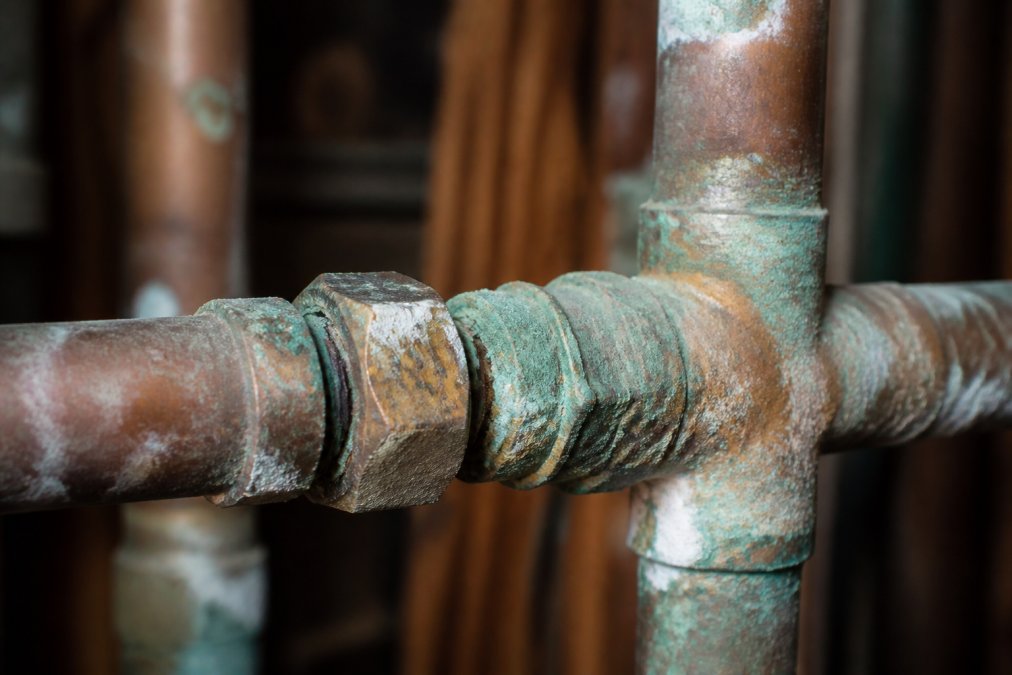
Over-tightening fittings during installation causes another layer of damage. Compression fittings, which rely on a soft ring to create a watertight seal, fail when twisted too hard. The ring deforms, the seal weakens, and within months, leaks appear. This is why many repairs fail within the first year, the installation itself was flawed.
Substandard Materials and Compatibility Issues
Using the wrong material or mixing incompatible materials is one of the most common reasons repairs fail. Galvanic corrosion occurs when two different metals, copper and steel, for example, sit in contact within a water system. The interaction accelerates oxidation and weakens both materials. A repair that connects a copper pipe to a steel fitting without a dielectric union will corrode faster than either material alone.
Budget-conscious repairs sometimes swap materials to cut costs. Replacing a copper section with PVC might seem economical, but if the original system was copper, the incompatibility creates weak points. Water chemistry also plays a role. Hard water with high mineral content corrodes certain metals faster than soft water does. A repair material that works in one region may fail quickly in another.
Substandard fittings compound the problem. Cheap brass fittings contain higher levels of zinc, which leaches into water over time. The fittings weaken internally while appearing normal on the outside. Pressure spikes or temperature changes then expose the weakness, and the fitting fails.
Over-Tightening Fittings and Joint Damage
The instinct to tighten a fitting "just a bit more" to ensure a seal is one of the most damaging mistakes in plumbing repair. Compression fittings and threaded connections have precise torque specifications. Exceeding them crushes the sealing materials and creates micro-fractures in the fitting body.
Once a fitting is over-tightened, it cannot be undone. Backing it off slightly will break the seal. The fitting must be replaced entirely. Many plumbers who rush through repairs don't account for this, leaving the homeowner with a repair that fails as soon as water pressure increases.
Joint failure also happens when fittings are tightened unevenly. Tightening one side of a compression fitting more than the other creates an angled seal that fails under pressure. The damage isn't visible until the leak appears weeks later.
Common Causes of Recurring Drain Clogs
A drain that clogs repeatedly is not a drain problem, it's a system problem. The clog is a symptom, not the disease. When a plumber clears a clogged drain without identifying why it clogs, the blockage returns because the root cause persists.
Sediment Buildup and Flow Rate Problems
Sediment accumulation in older pipes reduces the effective diameter of the pipe and slows flow rate. This sediment, mineral deposits, rust particles, and debris, creates a rough interior surface that traps more sediment. Over time, the pipe becomes increasingly restrictive.
When a drain is cleared mechanically, the sediment is temporarily removed. But if the pipe diameter is already compromised by corrosion or mineral buildup, normal water flow will redeposit sediment in the same location. The clog returns within weeks.
Flow rate problems also stem from fixture installation. If a fixture is installed at an angle or if the drain line is undersized for the fixture's water output, water moves too slowly through the pipe. Solids settle instead of flowing through. A toilet that drains slowly or a shower that backs up isn't necessarily clogged, the system may simply be moving water too slowly to carry waste.
Structural Fractures and Sewer Line Issues
Structural damage to the sewer line or main drain causes recurring backups that no amount of clearing will fix. Tree roots penetrate sewer lines, creating fractures that trap debris. Soil settlement cracks the line. Corrosion weakens the pipe walls until they collapse partially.
When a sewer line has structural damage, clearing the clog provides temporary relief. But the fracture or blockage point remains. Within days or weeks, debris accumulates again in the damaged section, and the clog returns. The only permanent fix is replacement of the damaged section.
Diagnosing structural issues requires more than a plunger or a drain snake. Video inspection of the sewer line shows cracks, root intrusion, and collapse. Many plumbers skip this step and simply clear the line repeatedly, costing homeowners thousands in unnecessary service calls.
Underlying System Issues vs. Isolated Incidents
The difference between a one-time repair and a recurring failure often comes down to whether the problem is isolated or systemic. An isolated incident is a single component failure, a fitting cracks, a valve wears out. A systemic issue affects the entire plumbing infrastructure and will cause failures elsewhere if left unaddressed.
Consider water pressure. High water pressure damages fittings, hoses, and valves throughout the system. A homeowner might have a leak repaired at one location, only to experience a new leak elsewhere weeks later. The real problem is pressure regulators that have failed or are set too high. Until the pressure regulator is repaired or replaced, leaks will continue appearing in different locations.
The same principle applies to corrosion. If one section of pipe shows corrosion failure, the entire system is likely corroding. Replacing one corroded section doesn't address the chemical environment that caused the corrosion in the first place. Water quality, pipe material, and system age all contribute to corrosion rates.
A thorough plumbing inspection identifies whether a repair is addressing an isolated problem or masking a systemic issue. This distinction determines whether the repair will hold or fail repeatedly.
When to Replace vs. Repair Plumbing Pipes
The decision to repair or replace a pipe section depends on the pipe's service life, the extent of damage, and the cost-effectiveness of each option. Knowing when repair becomes futile is critical to avoiding the endless cycle of repeated failures.
Service Life and Corrosion Indicators
Different pipe materials have different service lives. Copper pipes typically last 50-70 years (peer-reviewed research). Galvanized steel pipes last 40-50 years. PVC pipes last 50-75 years. When a pipe approaches the end of its service life, repairs become increasingly expensive and less reliable.
Corrosion indicators signal that a pipe is nearing failure. Discolored water, low pressure, or pinhole leaks in copper pipes indicate advanced corrosion. Rust-colored water from galvanized pipes suggests internal rust buildup. These are signs that the pipe material is breaking down throughout the system, not just at the repair location.
A single repair on a pipe that's already 40 years old and showing corrosion is often a poor investment. The next failure may occur at a different location within months. Replacing the entire section or the entire system prevents cascading failures and provides years of reliable service.
The Band-Aid Repair Trap
The "Band-Aid repair" is a temporary fix applied to a problem that requires a permanent solution. It's appealing because it costs less upfront. But Band-Aid repairs create false economy, they delay the real fix while allowing the underlying problem to worsen.
A common Band-Aid repair is patching a corroded section of pipe without addressing the corrosion source. The patch might hold for a year, but corrosion continues spreading through the system. The next failure occurs at a nearby location, requiring another repair. This cycle can repeat for years, costing far more in total service calls than a single comprehensive replacement.
Another Band-Aid example is replacing a failed fitting without replacing the pipe section it connects to. If the pipe is corroded or undersized, the new fitting will fail under the same conditions that failed the old one. The repair addresses the symptom, not the cause.
Recognizing when a repair is a Band-Aid and when it's a legitimate fix requires understanding the root cause. If the root cause isn't addressed, the repair will fail repeatedly.
How to Choose a Licensed Plumber to Prevent Failures
The quality of a plumbing repair depends directly on the skill, knowledge, and integrity of the plumber performing it. Choosing the right plumber reduces the risk of repeated failures dramatically.
Verification and Code Compliance
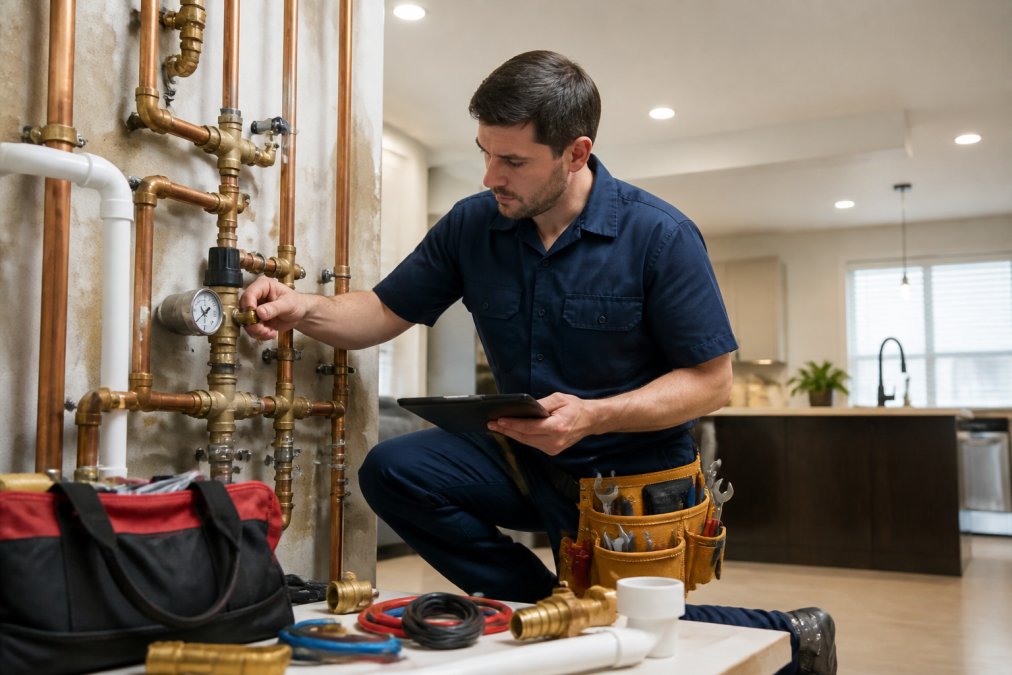
A licensed plumber has passed exams demonstrating knowledge of plumbing code, system design, and safety standards. Licensing varies by jurisdiction, but all licensed plumbers must understand the National Plumbing Code and local amendments. Verify licensing through your state or local licensing board before hiring.
Code compliance matters because codes exist to prevent failures. A plumber who sizes pipes correctly, uses compatible materials, and installs fittings to specification is following code. A plumber who cuts corners, undersizing a pipe to save cost, mixing incompatible materials, or over-tightening fittings, is violating code and creating future failures.
Ask potential plumbers whether they're familiar with your area's specific code amendments. Different jurisdictions have different requirements for pipe materials, venting, and pressure regulation. A plumber experienced in your area will know these requirements and apply them correctly.
Warranty and Liability Expectations
A reputable plumber stands behind their work with a warranty. This warranty protects you if the repair fails due to poor workmanship or material defect. Understanding what the warranty covers and for how long is essential.
A typical warranty covers labor for 30-90 days and materials for 1-2 years. If the repair fails within the warranty period due to the plumber's error, the plumber will return and fix it at no charge. This commitment incentivizes the plumber to do the work correctly the first time.
Liability insurance protects you if the plumber's work causes property damage. A licensed plumber carries liability insurance as a standard requirement. Verify that your plumber carries adequate coverage before work begins.
Ask about the plumber's policy on repeat visits. If you call back for the same issue within the warranty period, will they return at no charge? A plumber confident in their work will agree to this without hesitation. A plumber who hedges or refuses is signaling that they may cut corners.
Preventative Maintenance to Avoid Repeat Failures
Preventative maintenance catches problems before they cause failures. Regular inspections, pressure monitoring, and system upkeep extend the service life of your plumbing and reduce the frequency of repairs.
Annual plumbing inspections identify corrosion, leaks, and pressure problems before they cause major failures. A plumber can spot early signs of corrosion, check pressure regulator settings, and test water quality. Catching these issues early prevents emergency repairs and repeated failures.
Water pressure monitoring prevents fitting and valve damage. High water pressure, above 80 PSI, accelerates wear on all components (the CDC). A pressure regulator should maintain pressure between 40-60 PSI. If your pressure is higher, have the regulator checked or installed.
Drain maintenance prevents recurring clogs. Avoid pouring grease, food solids, or other debris into drains. Use drain screens to catch hair and debris. Periodically flush drains with hot water to prevent sediment buildup. These simple steps prevent the slow flow rate that leads to repeated clogs.
Addressing leaks immediately prevents water damage and corrosion. A small drip may seem minor, but it wastes water and can lead to mold growth or structural damage. More importantly, it signals that a fitting or valve is failing. Have it repaired promptly rather than waiting for it to worsen.
Plumbing repairs fail repeatedly when the root cause isn't addressed, when materials or installation methods are substandard, or when systemic issues are ignored. The cycle of repeated failures is preventable with proper diagnosis, quality workmanship, and preventative maintenance.
At Colby Plumbing Company LLC, we break this cycle by identifying root causes, using code-compliant materials and methods, and standing behind our work with warranties. Our licensed professionals have served the Denver metro area since 1996, building a reputation on repairs that hold. When you need a plumbing repair that will last, contact Colby Plumbing Company LLC for a thorough inspection and a permanent solution. We deliver fast, professional service with a 100% satisfaction guarantee, because we know the cost of repeated failures.
Frequently Asked Questions
Q: What are the signs that a plumbing repair was performed incorrectly?
A: Signs of failed plumbing repairs include recurring leaks in the same location, reduced water pressure shortly after repair, visible corrosion around fittings, persistent clogs that return within weeks, and water stains appearing on walls or ceilings. If you notice these issues, the original repair likely didn't address the root cause. A licensed plumber can diagnose whether the problem stems from improper pipe sizing, substandard materials, or over-tightened connections that damaged the joint.
Q: Why do plumbing repairs fail repeatedly in the same spot?
A: Repeated failures at the same location usually indicate the underlying system issue wasn't fixed. Common culprits include inadequate pipe diameter causing flow rate problems, incompatible materials creating galvanic corrosion, or over-tightening that weakened the joint. Sometimes the original repair was a temporary fix without addressing the plumbing infrastructure problem. A diagnostic inspection can reveal whether you're dealing with sediment buildup, pressure regulator failure, or structural fractures in the main line.
Q: When is it more cost-effective to replace a pipe rather than repair it?
A: Replace rather than repair when a pipe has exceeded its service life, shows multiple corrosion points, or experiences recurring failures within short intervals. Galvanic corrosion affecting multiple sections, structural fractures, or widespread sediment buildup also signal replacement is wiser. If you're repairing the same pipe twice in two years, replacement usually saves money long-term. A licensed plumber can assess your plumbing system integrity and recommend replacement if the pipe diameter is undersized or materials are incompatible with your water pressure.
Q: How do I know if a plumber is licensed and properly insured?
A: Ask the plumber for their license number and verify it with your state's licensing board before work begins. Request proof of liability insurance and workers' compensation coverage. Licensed professionals understand plumbing code compliance and use proper diagnostic technology to identify root causes. They should provide a written estimate, explain their warranty on parts and labor, and guarantee their work won't create repeat failures. Reputable plumbers stand behind their repairs and offer clear liability expectations in writing.
This article was written using GrandRanker