 listicle
10 Signs of a Main Sewer Line Clog
Table of Contents
- 10 Signs of a Main Sewer Line Clog
- 1. Multiple Drains Backing Up at Once
- 2. Gurgling Noises in Toilets and Drains
- 3. Slow Drainage Across All Fixtures
- 4. Sewage Odors and Foul Smells
- 5. Water Backing Up in Unexpected Places
- Diagnosing Your Main Sewer Line with a Camera Inspection
- How to Clear a Main Sewer Line Clog: Professional vs. DIY
- When to Call Residential Drain Cleaning Services
- Frequently Asked Questions
Last Updated: September 24, 2026
10 Signs of a Main Sewer Line Clog
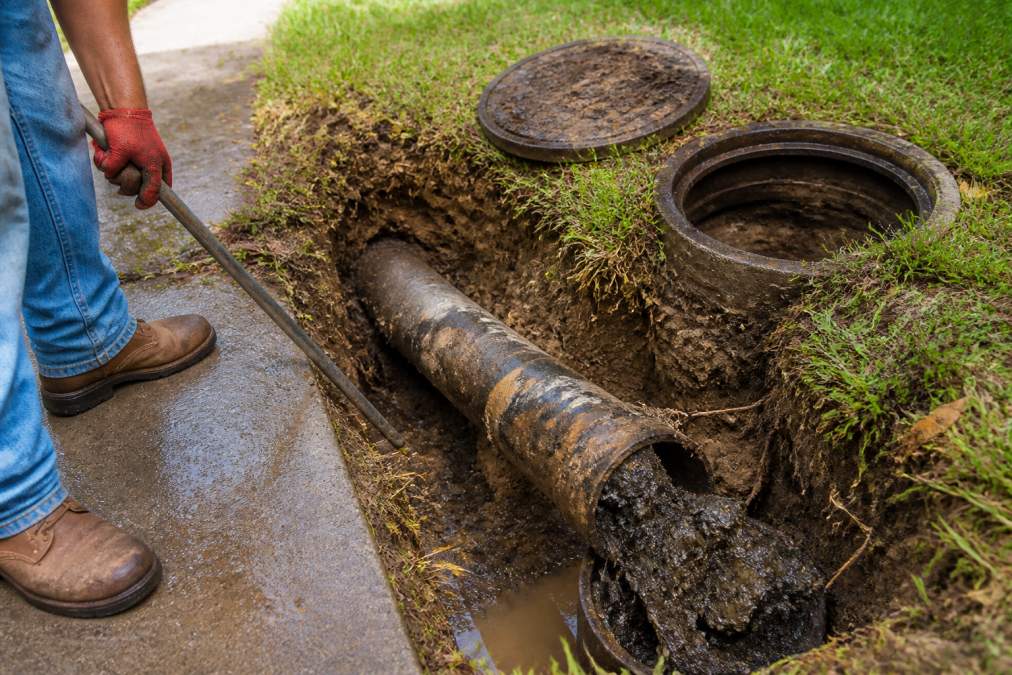
A main sewer line clog affects your entire drainage system at once, unlike a single backed-up drain. Catching it early can mean the difference between a manageable repair and a complete system replacement.
1. Multiple Drains Backing Up at Once
The most obvious sign of a main sewer line clog is water backing up in multiple fixtures simultaneously, water pooling in the shower when you flush the toilet, or the kitchen sink draining slowly when you run the washing machine.
All drains connect to a single main line. When blocked, wastewater backs up into your fixtures. A single slow drain suggests a localized problem; multiple fixtures backing up points to the main line.
Check lowest-level drains first, basements and ground-floor bathrooms show symptoms earliest. Water pooling in the basement floor drain while upstairs drains fine indicates the blockage is downstream.
2. Gurgling Noises in Toilets and Drains
Gurgling sounds from toilets, sinks, and showers indicate air trapped in pipes as wastewater pushes past an obstruction.
Consistent gurgling, especially when water isn't running, suggests a main line issue. Single-drain blockages rarely produce audible gurgling.
Note when gurgling occurs, patterns help plumbers locate the obstruction.
3. Slow Drainage Across All Fixtures
When every drain slows simultaneously, slow drainage everywhere points to a main line obstruction.
A slow septic system affects drainage without immediate backups or odors. A clogged main sewer line creates backups first, then slow drainage.
Test by running water in an upstairs sink, then a downstairs fixture. Equal slowness suggests a main line problem; upstairs draining fine with downstairs sluggish indicates blockage between those points.
4. Sewage Odors and Foul Smells
Persistent sewage smell inside or outside your home indicates gases trapped in blocked pipes and wastewater backing up in your plumbing.
Outdoor odors suggest blockage in the sewer lateral; indoor smells indicate backup in your main plumbing stack.
Sewage gas contains hazardous methane and hydrogen sulfide. Accumulated wastewater creates conditions for mold growth and foundation damage.
5. Water Backing Up in Unexpected Places
Watch for water pooling around basement floor drains or sewage surfacing in lowest-level bathrooms and shower drains.
Backflow occurs because wastewater reverses direction and exits through the path of least resistance, a floor drain, toilet, or tub.
Backup location indicates blockage position: basement-only suggests blockage between house and main sewer line; multiple floors suggest obstruction in main plumbing stack.
Diagnosing Your Main Sewer Line with a Camera Inspection
A sewer camera inspection confirms a main sewer line clog and locates it precisely. A licensed plumber feeds a camera down your drain, displaying live video of pipe interiors.
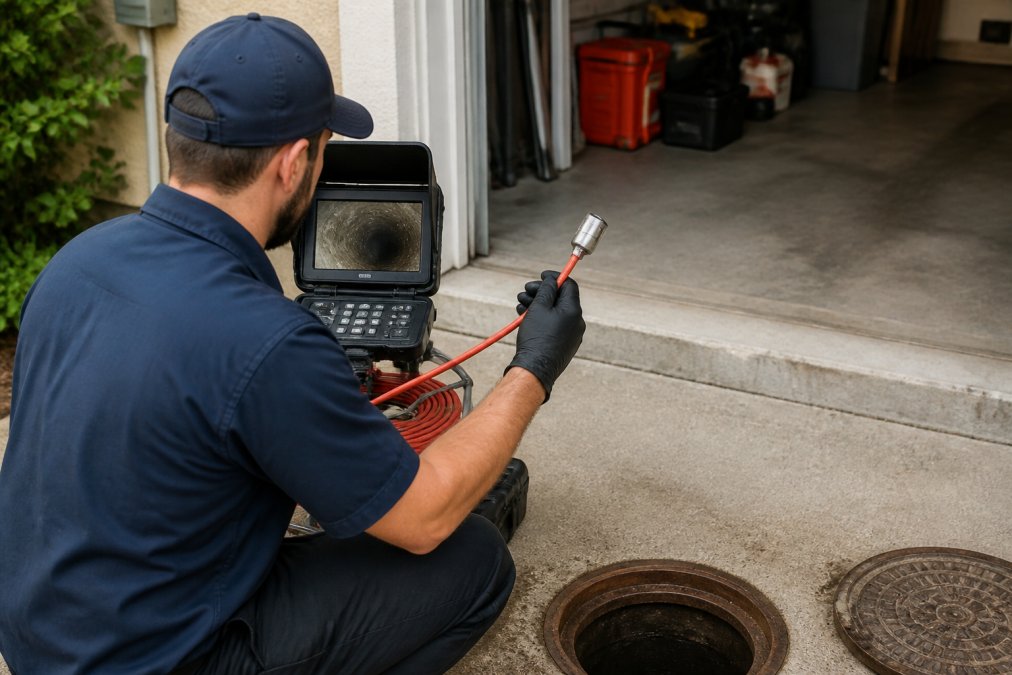
This inspection reveals whether you're dealing with a blockage, tree root intrusion, pipe collapse, or another issue entirely. It's the difference between guessing and knowing. Many homeowners assume they need an expensive repair when a simple cleaning would solve the problem, a camera inspection prevents that mistake.
The process takes 30 minutes to an hour for most residential properties. A professional can identify tree roots, grease buildup, debris, or structural damage. They'll also locate the exact spot so they know whether the problem is in your lateral, your main stack, or the municipal connection point.
How to Clear a Main Sewer Line Clog: Professional vs. DIY
DIY diagnosis tools vs. repair attempts: There's an important distinction between diagnosing a main line clog yourself and actually clearing it. Homeowners can safely use diagnostic tools to confirm the problem exists before paying for a professional inspection; attempting to clear a main line clog yourself is where things go wrong.
A consumer-grade drain snake (typically 25 to 50 feet long) can help you determine whether a blockage is localized to one drain or affects multiple fixtures. Run the snake down your lowest-level drain, usually a basement floor drain or the main cleanout access point if you can locate it. If the snake encounters resistance immediately, the blockage is close to that drain. If it feeds through easily, the obstruction is further downstream in the main line. This simple test costs nothing and tells you whether you're dealing with a local clog or a main line emergency.
For a more definitive check, pour water down an upstairs drain while someone watches a downstairs fixture. If water backs up into the downstairs drain or toilet within seconds, you have a main line issue. If it drains normally, the problem is likely isolated.
Why DIY clearing fails for main lines: Consumer-grade drain snakes lack the power and reach to clear main line blockages. A main sewer line typically runs 4 to 8 inches in diameter and extends 50 to 100+ feet from your house to the municipal connection. A consumer snake is designed for 1.5-inch to 2-inch fixture drains and rarely extends beyond 25 feet. Even if you manage to push through a blockage, you're not removing it, you're just punching a temporary hole through it. The clog reforms within weeks.
Chemical drain cleaners are even less effective for main lines. They work on hair and soap buildup in fixture traps, not on tree roots, mineral deposits, or structural debris accumulating in a main line. Pouring caustic chemicals down your drain can damage older cast-iron pipes and won't solve the underlying problem.
Professional clearing methods and when to use each:
Hydro-jetting is the most effective solution for main line clogs caused by grease, mineral buildup, or debris. A professional-grade hydro-jet uses water pressure between 3,000 and 4,000 PSI to blast through blockages and scour the interior pipe walls. This method works well for recurring clogs because it clears buildup completely rather than just punching through.
When to Call Residential Drain Cleaning Services
Immediate emergency signs: You need professional help right now if you see sewage backing up into your home, smell persistent sewage odors indoors, or notice water pooling in your basement. These aren't problems that improve on their own. They worsen rapidly, and every day of delay increases the risk of foundation damage, mold growth, and health hazards from untreated sewage exposure.
-
Enzyme treatments: Monthly or quarterly enzyme drain treatments break down grease and organic buildup before it accumulates. These are inexpensive ($20-$40 per treatment) and safe for all pipe types. They're most effective if used consistently after a main line cleaning.
-
Tree root inhibitors: If tree roots caused your blockage, apply a copper sulfate or herbicide-based root inhibitor to your sewer line annually. These products kill root tips that penetrate pipes without harming the tree itself. Cost is typically $100-$300 per application, applied by a professional.
-
Grease disposal: Never pour cooking grease, fats, or oils down drains. These solidify in cool pipes and accumulate over time. Dispose of grease in a container and throw it in the trash. This single habit prevents the majority of recurring main line clogs.
-
Avoid flushing non-flushable items: Wipes labeled "flushable" don't break down in sewer systems and are a leading cause of blockages. Flush only toilet paper and human waste.
-
Schedule periodic inspections: If your home is over 40 years old or you've had a main line clog before, consider a camera inspection every 3 to 5 years. Early detection of tree root intrusion or pipe deterioration prevents emergency backups.
Frequently Asked Questions
How do I know if the main sewer line is blocked?
A main sewer line clog typically shows multiple warning signs at once. If several drains back up simultaneously, you hear gurgling from toilets and sinks, or sewage odors emerge inside or outside your home, your main sewer line is likely blocked. The key difference from a single-drain problem is that the issue affects your entire plumbing system, not just one fixture. Professional sewer line camera inspection confirms the diagnosis by showing the exact location and cause of the blockage.
Can you clear a main sewer line clog yourself?
Minor clogs in individual drains can sometimes be cleared with a plunger or drain snake, but main sewer line clogs require professional equipment and expertise. A main line obstruction often involves tree roots, grease buildup, or pipe damage deep underground. Attempting DIY clearing risks damaging your plumbing system further. Professional residential drain cleaning services use hydro-jetting and motorized drain snakes to safely clear main lines without causing additional problems.
What causes a main sewer line to clog?
Common causes include tree root intrusion into underground pipes, grease and soap buildup over time, pipe collapse from age or ground movement, and debris like paper towels or wipes. Older clay or cast-iron pipes are especially vulnerable to root penetration and deterioration. Knowing the underlying cause helps determine whether you need a temporary fix or a long-term replacement solution for your sewer lateral.
How long does it take a plumber to unclog a main sewer line?
Clearing a main sewer line clog can vary in duration, depending on the severity and cause. Simple blockages near the cleanout may clear faster, while deep clogs or root intrusion can take longer. Some situations require multiple visits or follow-up treatment. A professional plumber can provide a time estimate after diagnosing the problem with a camera inspection.
What happens if a main sewer line is not cleared?
Ignoring a main sewer line clog leads to serious consequences. Raw sewage backs up into your home through drains and toilets, creating a health hazard and unpleasant odors. Untreated clogs can damage your foundation, contaminate groundwater, and cause pipe collapse. The longer you wait, the more expensive the repair becomes. Prompt professional intervention prevents costly emergency situations and protects your property and health.