 listicle
What Should Be on Your Emergency Plumbing Maintenance Checklist?
Last Updated: October 29, 2026
Quick Summary
An emergency plumbing maintenance checklist covers monthly checks of under-sink pipes, toilets, faucets, shut-off valves, water pressure, and washing machine hoses, plus seasonal winterization before the first freeze. It should also include knowing how to shut off water to the house and what to do in the first ten minutes of a leak.
- Shut off the water first in a plumbing emergency, then kill power to flooded areas and document damage.
- Exercise the main shut-off valve twice a year so it does not seize from corrosion.
- A ball valve closes with a quarter turn, making it the fastest option in an emergency.
- Replace washing machine hoses every few years, and check them for cracks before cold weather.
- Call a licensed emergency plumber when water will not stop, a leak is inside a wall, or sewage is backing up.
Table of Contents
- Start with a Home Plumbing Maintenance Checklist
- What to Do in a Plumbing Emergency: First 10 Minutes
- How to Shut Off Water to House Before Damage Spreads
- Burst Pipe Emergency Steps for Home and Business
- Monthly Emergency Plumbing Maintenance Checklist Items
- Seasonal Emergency Plumbing Maintenance Checklist for Cold Weather
- When to Call a Licensed Emergency Plumber
- Schedule Your Emergency Plumbing Maintenance Inspection
- Frequently Asked Questions
Start with a Home Plumbing Maintenance Checklist
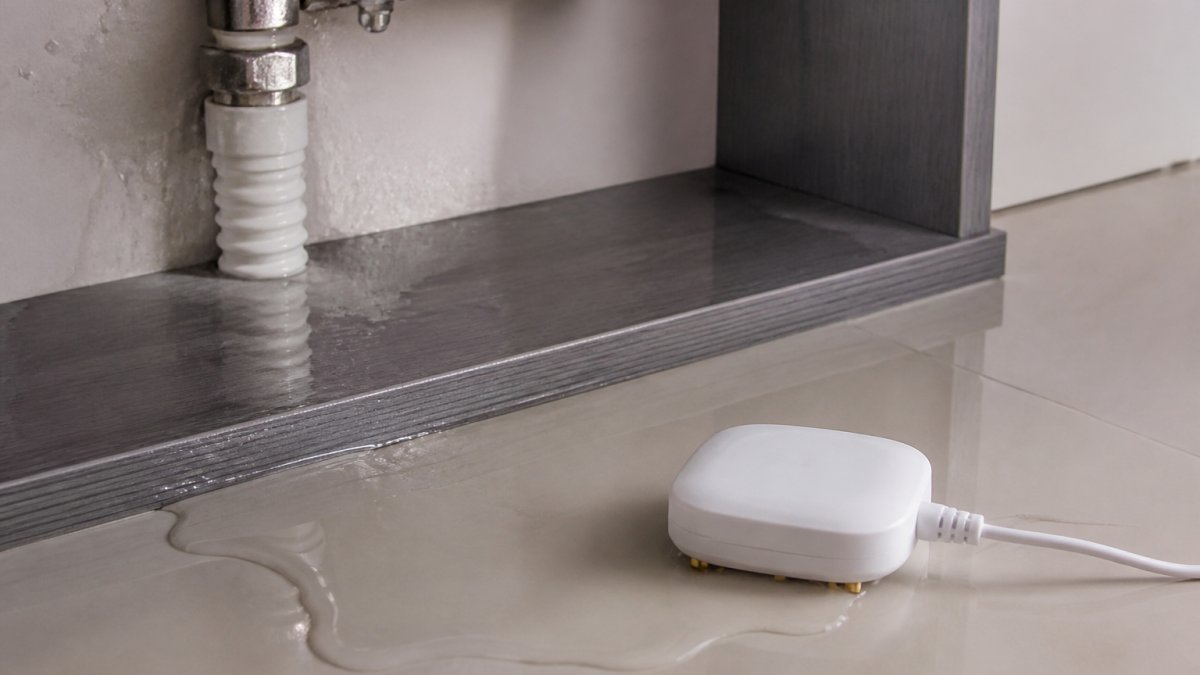
A plumbing emergency rarely announces itself. It builds quietly behind a cabinet or under a floor until it floods your Saturday morning.
A home plumbing maintenance checklist is a recurring set of inspections and tests that catch leaks, weak valves, and failing fixtures before they cause water damage.
Below, we cover what to check, what to do in the first ten minutes of an emergency, and when to call a plumber.
What to Do in a Plumbing Emergency: First 10 Minutes
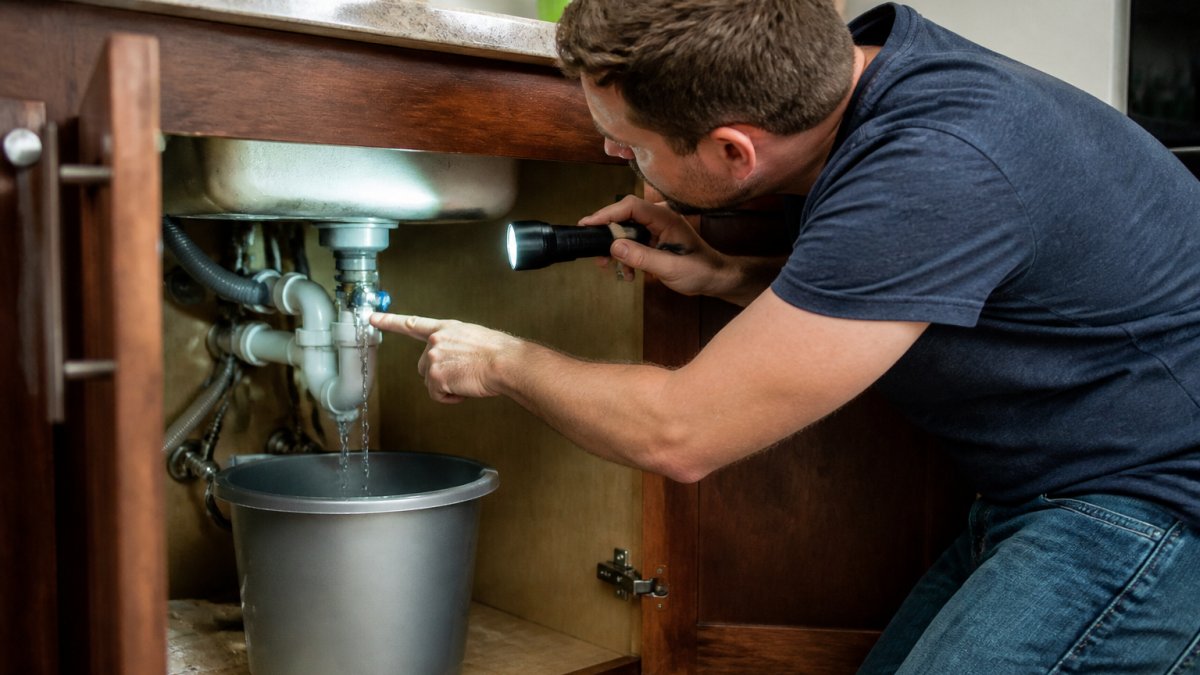
In a plumbing emergency, shut off the water first and worry about cleanup second. The first ten minutes decide whether you face a wet floor or a collapsed ceiling. Work in this order.
- Shut off the water. Close the fixture valve or the main water shut-off.
- Kill the power to any flooded area at the breaker panel if water is near outlets or appliances.
- Open a low faucet to drain pressure from the lines.
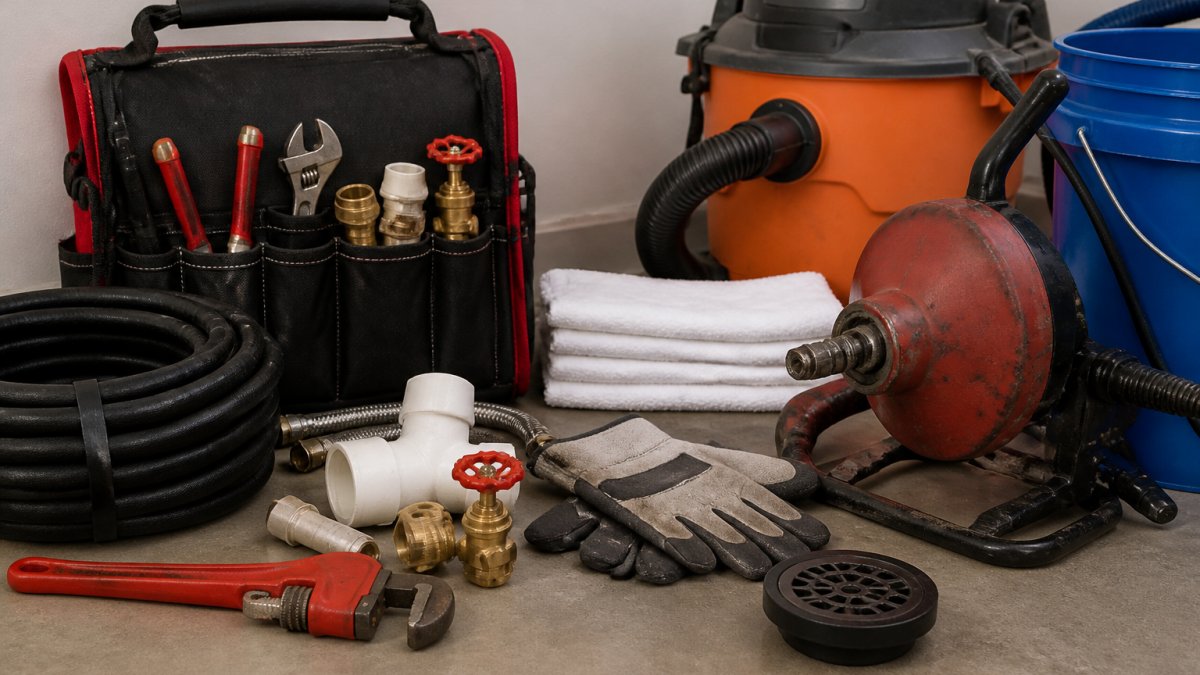
- Contain the water with buckets, towels, and a wet/dry vacuum.
- Document everything with photos and video before you touch a thing.
Watch out: never stand in standing water while flipping breakers. If the panel itself is wet, call an electrician and a plumber instead.
Emergency Triage: Match the Response to the Problem
Not every plumbing problem is the same emergency. Use this decision tree to decide whether you can manage the first minutes yourself or need to evacuate and call for help.
| Situation | First Move | Call Immediately? |
|---|---|---|
| Slow drip or damp cabinet | Close the fixture valve, place a bucket, dry the area | No, schedule a plumber during business hours |
| Steady leak from a supply line | Close the fixture valve; if it will not stop, close the main | Yes, if the main will not stop it |
| Burst pipe or water spraying | Close the main, open a low faucet, contain water | Yes, call a licensed emergency plumber |
| Toilet overflowing | Lift the tank lid and close the fill valve or angle stop; if it will not stop, close the main | Yes, if sewage is present |
| Sewage backup | Stop using water, keep people and pets away, do not run other fixtures | Yes, sewage is a contamination hazard |
| Water heater leaking | Shut off the cold inlet and the power or gas to the unit | Yes, do not relight a gas pilot yourself |
| Flooding near outlets or a panel | Do not enter standing water; shut off power at the panel only if it is dry and reachable | Yes, call a plumber and an electrician |
| Suspected gas smell | Do not flip switches or use a phone inside; leave the building and call from outside | Yes, leave first, then call the gas utility and emergency services |
Safety Rules That Override the Checklist
- Electrical: Water plus live current is the top hazard in a flood. If you cannot reach the breaker panel without standing in water, stay out and call for help.
- Gas: A rotten-egg smell near a water heater or any gas appliance means leave the building before doing anything else. Do not test a gas valve or relight a pilot.
- Contamination: Sewage backup and gray water carry bacteria. Wear gloves and boots, keep children and pets out, and do not use a wet/dry vacuum that will later be used for clean tasks.
If you smell gas, see sparks, or the flooded area contains outlets or a panel, stop the plumbing checklist and prioritize safety. Evacuate if needed and call the appropriate utility or emergency service from outside.
Temporary Damage Control and Documentation
Once the water is stopped, protect what you can and record what happened.
- Contain: Use buckets, towels, and a wet/dry vacuum. Move furniture, electronics, and rugs out of the splash zone. Prop up wet items so air can reach both sides.
- Protect: Place aluminum foil or plastic under leaking fittings to divert drips into a bucket. Do not tape a leaking pipe and leave it, a temporary wrap is only for the minutes until a plumber arrives.
- Document: Photograph the room, the leak, and damaged belongings before you move them. Note the date, time, and what you shut off. This record helps with insurance and the plumber's diagnosis.
What to Tell the Emergency Plumber
Have these details ready before you dial:
- Address and access notes, gate codes, parking, which entrance is closest to the problem.
- What happened, burst pipe, sewage backup, no hot water, water heater leaking, etc.
- Shut-off status, whether the fixture valve or main is closed and whether the water has stopped.
- Hazards, standing water near outlets, gas smell, sewage, or structural sagging.
- Water type, clean supply water versus sewage or gray water changes the safety gear and response.
- Photos, offer to text or email them so the dispatcher can send the right technician and parts.
The first ten minutes are about stopping water, removing electrical and gas hazards, containing damage, and giving the plumber a clear picture. Cleanup and repair come after those four jobs are done.
How to Shut Off Water to House Before Damage Spreads
The most important skill on any emergency plumbing maintenance checklist is knowing how to shut off water to the house. Locate your main shut-off valve now, before you need it. For most homes it sits near the water meter, in a basement, crawlspace, or utility closet. Stopping the flow immediately prevents catastrophic damage while you prepare for emergency plumbing repair.
Find the Main Valve
Walk the property and identify the main shut-off before an emergency. Common locations:
- Basement or crawlspace near the front foundation wall, where the service line enters.
- Utility closet or mechanical room beside the water heater or meter.
- Exterior meter box near the curb or sidewalk, sometimes under a metal or concrete lid.
Trace the pipe backward from a working fixture, or start at the meter and follow the line inside. Tag the valve once you find it, and make sure everyone in the household knows where it is.
Know Your Valve Type
| Valve Type | How It Looks | How to Operate It |
|---|---|---|
| Ball valve | Lever handle | Turn the lever a quarter turn so it is perpendicular to the pipe |
| Gate valve | Round wheel handle | Turn clockwise until it stops; may take several turns |
| Angle stop (fixture) | Oval or lever handle under a sink or toilet | Turn clockwise to close; controls only that fixture |
A ball valve closes fastest in an emergency. A gate valve can be stiff if it has not been exercised, which is why testing it during routine maintenance matters.
Shut Off the Water Step by Step
- Close the fixture valve first if the leak is at a sink, toilet, or appliance. That stops the local flow without cutting water to the whole building.
- Close the main valve if the fixture valve will not stop the leak or you cannot find it. Turn clockwise until it stops. For a ball valve, a quarter turn is enough.
- Open a low faucet, a basement sink or outdoor spigot at the lowest point, to drain pressure from the lines and confirm the water has stopped.
- Flush a toilet to confirm the supply is off; the tank should not refill.
- Check the meter if you have access. A meter that is still moving after the main is closed suggests a second service line or a valve that is not fully closed.
Exercise the main valve twice a year, open and close it fully, so it does not seize from corrosion. A valve that will not close all the way is a maintenance item to fix before an emergency, not during one.
If the Valve Will Not Close
A stiff, corroded, or broken main valve is a common failure point. If it will not close fully:
- Do not force it with a pipe wrench or cheater bar; you can snap the stem and turn a leak into a full-flow flood.
- Call the water utility if the leak is at the meter or the street-side valve. Many utilities will shut off service at the curb stop for an emergency.
- Call a licensed plumber to replace the valve. A gate valve that has not been turned in years is a candidate for replacement with a ball valve.
For the full walkthrough with photos, see our guide on how to shut off your main water supply.
Burst Pipe Emergency Steps for Home and Business
A burst pipe needs three things fast: stopped water, drained pressure, and a temporary patch.
- Shut off the main valve and open the lowest faucet in the building.
- Wrap the break with a pipe repair clamp or, in a pinch, rubber and hose clamps.
- Move valuables and electronics out of the splash zone.
For a temporary fix that holds until a pro arrives, see our guide on how to fix a leaking pipe temporarily.
On the commercial side, know where your isolation valves sit for each zone. A burst line in a warehouse or restaurant can shut down an entire operation if the only shut-off is the building main.
Monthly Emergency Plumbing Maintenance Checklist Items
Run this short list every month.
| Check | What to Look For | If You Find a Problem |
|---|---|---|
| Under-sink pipes | Damp cabinets, corrosion, drips | Tighten fittings or call a plumber |
| Toilets | Running, rocking, constant refill | Replace the flapper or fill valve |
| Faucets and showerheads | Drips, low flow, mineral buildup | Clean aerators, replace cartridges |
| Shut-off valves | Stiff handles, corrosion | Exercise or replace the valve |
| Water pressure | Weak or spiking flow | Test with a gauge, check the regulator |
| Washing machine hoses | Bulging, cracks, brittleness | Replace every few years |
Work through each item methodically: check for leaks under sinks, around toilets, and along exposed pipes; inspect fixtures for drips; test shut-off valves gently; and flush the water heater annually to remove sediment.
A dripping faucet is not just annoying. It is an early warning that a cartridge or seal is failing.
Seasonal Emergency Plumbing Maintenance Checklist for Cold Weather
Cold weather is when plumbing emergencies spike, and winterization is the best defense. Before the first freeze, complete these tasks.
- Disconnect and drain outdoor faucets and hoses.
- Insulate exposed pipes in garages, crawlspaces, and along exterior walls.
- Test the sump pump by pouring water into the pit and confirming it kicks on.
For commercial properties, add a walkthrough of any unheated mechanical rooms.
When to Call a Licensed Emergency Plumber
Call a licensed emergency plumber when water will not stop, when a leak is inside a wall or slab, when you smell gas, or when sewage is backing up. Those are safety and contamination risks, not DIY situations.
Before you dial, have three things ready: your shut-off status, a description of what happened, and photos. That helps the dispatcher send the right technician.
If cost is your worry, our breakdown of emergency pipe repair costs explains what drives the final bill. If you are unsure whether your policy helps, read our guide on whether emergency plumbing is covered by insurance. And once you decide to hire, our tips on choosing a reliable local plumber help you vet licensing and insurance.
Schedule Your Emergency Plumbing Maintenance Inspection
Prevention beats panic, and a professional inspection catches what a homeowner checklist cannot.
Colby Plumbing Company LLC has served the metro area as a family-owned business since 1996, with licensed, seasoned professionals and a 100% satisfaction guarantee.
Get started with Colby Plumbing Company LLC and schedule your emergency plumbing maintenance inspection before the next drip becomes a disaster. Contact us today.
Frequently Asked Questions
What is the 135 rule for plumbing?
The 135 rule is a simple way to remember the three leading causes of plumbing emergencies: one main shut-off valve, three common leak points (under sinks, around toilets, and along exposed pipes), and five minutes to act. Knowing where your main water shut-off is located and testing it twice a year can help you prepare for an emergency. If you cannot find or operate your valve, call a licensed plumber to label it for you.
What should I do first in a plumbing emergency?
Shut off the water supply immediately. For a burst pipe or overflowing fixture, turn the fixture valve clockwise until it stops, then open the main water shut-off valve if the leak continues. Next, cut power to any electrical outlets or appliances near the water and document the damage with photos. Call a licensed emergency plumber only after the water is stopped and the area is safe.
How do I shut off the water to my house?
Locate the main water shut-off valve, usually near the water meter, in a basement, crawlspace, or utility closet. Turn the handle clockwise until it stops. For a gate valve, turn several full rotations; for a ball valve, a quarter turn is enough. Test the valve before an emergency by shutting it off, opening a faucet to confirm water stops, then reopening it. If the valve is stuck or corroded, a plumber can replace it.
What qualifies as a plumbing emergency?
A plumbing emergency is any uncontrolled water flow or sewage backup that risks property damage or health. Examples include burst pipes, a running toilet that will not stop, a water heater leaking from the tank, sewage backing up into drains, and no water supply to the whole building. Slow drips are not always emergencies. When in doubt, shut off the water and call a licensed plumber for guidance.
What should I do if my water heater is leaking?
Turn off the power to an electric water heater at the breaker, or set a gas heater to pilot. Close the cold-water inlet valve on top of the tank, then attach a hose to the drain valve and drain the tank into a safe area. Do not relight or re-energize the heater until a plumber inspects it. A leaking tank often means replacement is needed, so schedule a professional assessment before the leak causes floor or ceiling damage.