 Listicle
How to Benefit From Routine Sewer Line Inspections
Last Updated: November 10, 2026
Quick Summary
Routine sewer line inspections catch cracks, root intrusion, and joint problems while they are still small and cheap to fix. A camera check shows what is happening underground, where standard home inspections typically do not look. Inspections every one to two years suit many homes, especially those with mature trees or older pipes.
- Early detection of small problems costs far less than a collapsed pipe that floods a finished basement.
- A camera inspection records footage that gives you a baseline for comparing future conditions.
- Slow drains in several fixtures at once can signal a restriction in the main line.
- Most plumbers recommend inspections every one to two years for homes with mature trees or older pipes.
- Standard home inspections usually exclude the sewer line, so buyers often order a separate camera inspection.
Table of Contents
- What a Sewer Line Inspection Actually Shows
- Benefits of Routine Sewer Line Inspections for Homeowners
- How Often to Inspect a Sewer Line
- Sewer Line Inspection Cost and What Affects the Price
- Sewer Inspection When Buying a House
- DIY Checks Versus a Professional Inspection
- Scheduling Your Next Sewer Inspection With Colby Plumbing
- Frequently Asked Questions
Most homeowners never think about their sewer line until something goes wrong: a backup in the basement, a soggy patch in the yard, or a drain that gurgles every time the washing machine drains. By then, the damage is often underground and expensive. Routine sewer line inspections catch problems while they are still small, and they give a clear picture of what is happening beneath your home.
A sewer line is the pipe that carries wastewater from your house to the municipal main or a septic system. It runs underground, out of sight, and it rarely announces trouble before it fails. That is the core reason inspections matter.
What a Sewer Line Inspection Actually Shows
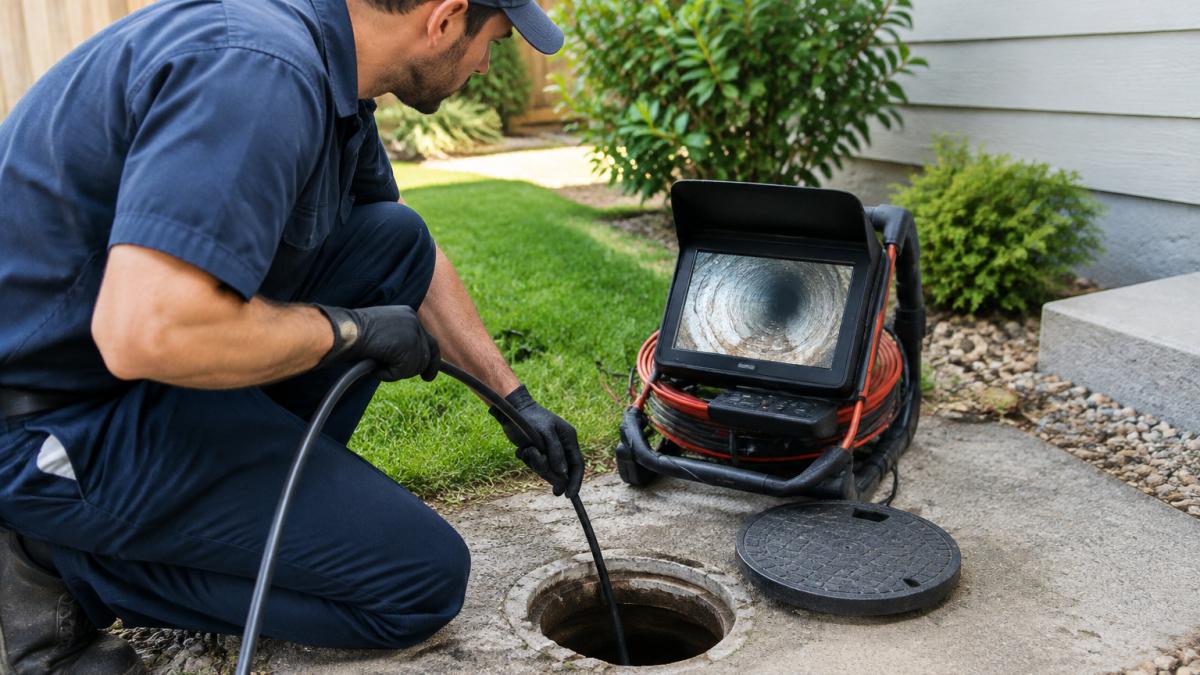
A sewer line inspection uses a small waterproof camera to look inside the pipe. The footage shows cracks, offset joints, root intrusion, corrosion, bellies where water pools, and debris buildup. It turns a hidden system into something a plumber and a homeowner can both see and discuss.
How the Camera Inspection Process Works
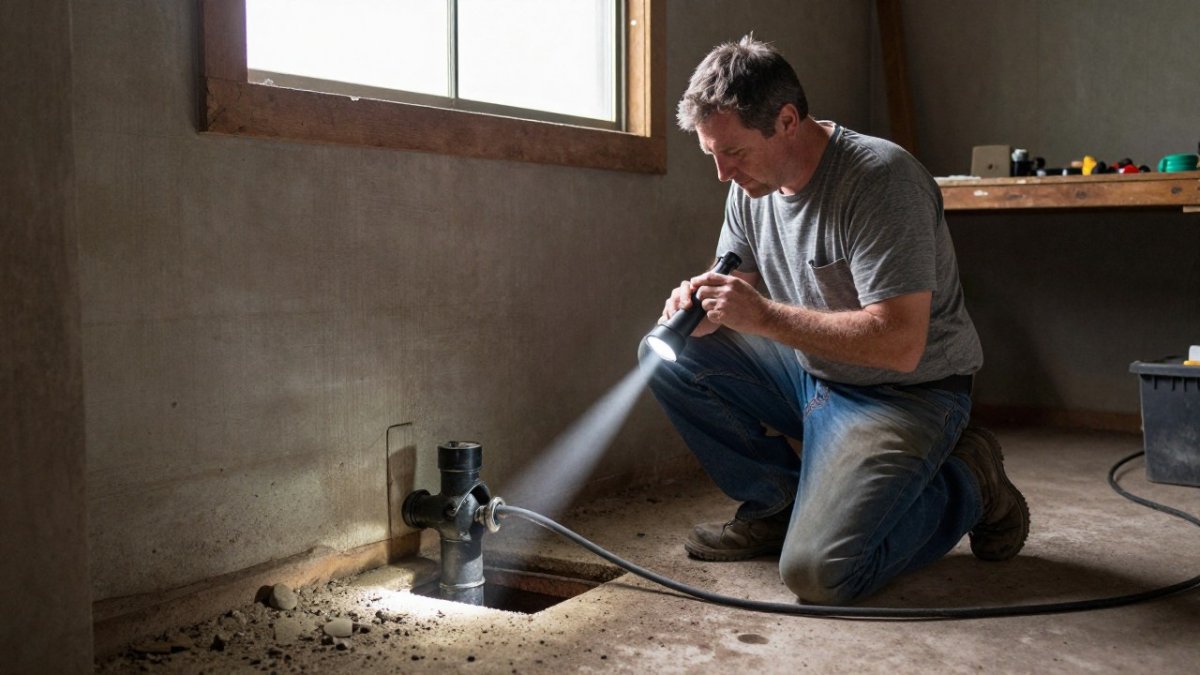
The technician usually starts at a cleanout access point, often in the yard near the foundation or at the basement wall. A flexible camera head on a long cable is fed into the line while the technician watches a monitor. Most residential runs take under an hour, and the footage is typically recorded so you can review the same images the plumber saw.
Benefits of Routine Sewer Line Inspections for Homeowners
The main benefit is early detection. A small root intrusion or a single offset joint is far cheaper to address than a fully collapsed pipe that floods a finished basement. Inspections also give you a baseline. If the footage shows a pipe in good condition today, you have a reference point for comparing future conditions.
Watch for these warning signs that a professional pipe inspection is needed now:
- Slow drains in more than one fixture at the same time
- Recurring backups, especially after heavy rain
- Foul odors around floor drains or the yard
- Lush, unusually green patches of grass above the line
- Gurgling sounds from toilets or tubs
The warning signs below point to when a sewer line inspection is needed sooner rather than later.
| Warning sign | What it may indicate | Action |
|---|---|---|
| Slow drains in more than one fixture at once | Restriction in the main line | Schedule a professional inspection |
| Recurring backups, especially after heavy rain | Ongoing line or joint problem | Schedule a professional inspection |
| Foul odors around floor drains or the yard | Possible leak or blockage | Schedule a professional inspection |
| Lush, unusually green patches of grass above the line | Possible leak in the line | Schedule a professional inspection |
| Gurgling sounds from toilets or tubs | Air or water movement in a blocked line | Schedule a professional inspection |
How Often to Inspect a Sewer Line
Most plumbers recommend a sewer line inspection every one to two years for homes with mature trees, older clay or cast iron pipes, or a history of backups. Newer homes with PVC lines in stable soil may go longer between inspections, though a camera check after any major landscaping or excavation nearby is a sensible step.
Sewer Line Inspection Cost and What Affects the Price
Pricing depends on the specifics of your property. Visit the Colby Plumbing Company LLC website for current pricing and to request a quote.
Sewer Inspection When Buying a House
A sewer scope is one of the few inspections that can reveal a problem with a major cost and no visible sign during a walkthrough. Because the line runs underground, the standard home inspection typically does not include it, so buyers who want that information usually order a separate camera inspection and make it a condition of the purchase agreement. Timing matters. The inspection should be scheduled early enough in the contingency period to allow a repair estimate, a request for concessions, and, if necessary, a clean exit from the contract.
Reading the report requires attention to three things: the pipe material, the location and severity of defects, and whether the issues are localized or systemic. Clay and cast iron lines are more prone to root intrusion and joint separation, and older lines often show gradual scaling that narrows the bore over decades. Orangeburg, a bituminous fiber pipe used widely in the mid-twentieth century, can soften, deform, and collapse in ways that may look intact from a single camera pass, so a report that describes its condition as serviceable deserves a second look and a question to the inspector about remaining structural life. PVC lines generally perform well but can be damaged by poor bedding, improper joints from earlier repairs, or excavation nearby. A single offset joint in an otherwise sound line is usually a targeted repair. Multiple defects across the run, especially in a line that has collapsed sections or heavy root masses, suggest a full replacement may be the more realistic scope.
Using findings in negotiation works best when the request is specific. Ask the seller to provide the footage and the written report, then get a repair estimate from a licensed plumber. With an estimate in hand, you can ask for a repair credit at closing, a price reduction equal to the estimated cost, or a seller-completed repair before closing with documentation of the work. Sellers often resist open-ended requests but respond to a defined number tied to documented defects. Watch out: a repair credit covers the cost of the fix, not the disruption of living with an unrepaired line, so it is worth confirming the timeline and whether the work will be done by a licensed contractor with a warranty.
Buyers should also confirm the line's insurance and maintenance position. Standard homeowners policies frequently exclude or sublimit sewer and drain backup losses, so a documented pre-purchase inspection gives you a baseline and helps you decide whether to add a sewer backup endorsement. Keep the inspection report in the closing file, since it is also useful evidence if a defect later causes damage and a claim is filed.
DIY Checks Versus a Professional Inspection
Homeowners can do a fair amount on their own, and the checks are worth doing because they catch symptoms early. Watch how the drains behave: a single slow sink usually points to a clog in a fixture trap, while several fixtures draining slowly at the same time suggests the restriction is in the main line. Note whether the problem gets worse after rain, after a large laundry load, or after a neighbor's irrigation cycle, since these patterns can indicate a groundwater or joint-leakage issue. Check the yard for soggy strips that run in a line from the house toward the street, and look for sunken ground or unusually vigorous growth along that path. Keep a simple log with dates, what you observed, and what you did about it. That log is useful later if you call a plumber, because it shows whether the symptoms are recurring.
Where DIY checks run out of usefulness is inside the pipe itself. A consumer drain snake is designed to break up a blockage, not to reveal what is wrong with the pipe wall. Pushing a snake through a cracked or offset joint can clear the immediate obstruction while the surrounding damage keeps progressing, and it can snag on a displaced joint or a root mass and leave the pipe in worse shape. A plumbing snake camera bought online presents a different risk. Many consumer units have short cable runs, low-resolution lenses, limited lighting, and no way to record a timestamped, location-referenced view that a plumber can compare against later. Without a reliable distance counter, it is hard to tell whether a defect is 12 feet from the cleanout or 60, which matters when a repair crew needs to decide where to dig. Footage shot without measurement can also be misread, since a light-colored deposit, a shadow, or a water-stained wall can look like a crack.
Scheduling Your Next Sewer Inspection With Colby Plumbing
If you have noticed any warning signs, or if your home is more than a few years past its last inspection, now is a good time to schedule one. Colby Plumbing Company LLC has served the Denver metro area since 1996, with licensed, seasoned professionals. Visit our website for current pricing and to request a quote. Contact Colby Plumbing Company LLC today to learn more about your plumbing needs.
Frequently Asked Questions
Is it worth getting a sewer scope inspection?
For most homeowners, yes. Pricing varies with the specifics of your property, so contact Colby Plumbing Company LLC directly for a quote.
How often should you inspect a sewer line?
Many homeowners inspect their main sewer line every three to five years as preventive maintenance. Homes with mature trees nearby, older clay or cast iron pipe, a history of backups, or recent landscaping work near the line may benefit from more frequent checks. Properties with a known problem should be reinspected after any repair to confirm the fix held. A plumber can recommend an interval based on the age of your pipes, the trees on the lot, and what the previous inspection found.
Should you get a sewer inspection when buying a house?
Yes. A standard home inspection does not include a sewer scope, so the condition of the main line often goes unchecked.