 Listicle
Inefficient Water Heater Signs: How to Spot Them Early
Last Updated: November 13, 2026
Quick Summary
An inefficient water heater usually shows up as rising energy bills, slower hot water recovery, or water that never reaches the set temperature. Water pooling beneath the tank signals a more serious problem that needs prompt attention.
- Monthly bills rising without new appliances or more occupants can signal an inefficient water heater.
- Compare usage across seasons before blaming the heater, since winter water temperatures can raise costs.
- Wipe the tank base with a dry paper towel and recheck after an hour to tell a pipe leak from a tank leak.
- Shut off the cold water supply and power or gas before inspecting a leaking water heater.
- Do not drain a leaking tank while power or gas is still on, since heating an empty tank can cause damage or fire.
Table of Contents
- Signs of an Inefficient Water Heater Showing Up in Your Bills and Hot Water
- Rising Energy Bills and Slow Recovery: The Efficiency Warning Signs
- Water Heater Leaking from Bottom: When It Signals Trouble
- Bad Water Heater Element Symptoms in Electric Models
- Gas Water Heater Problems That Reduce Efficiency
- Is a Leaking Water Heater Dangerous? Safety Triage Steps
- Your Next Step: Diagnostic Checklist and When to Call a Professional
- Frequently Asked Questions
Signs of an Inefficient Water Heater Showing Up in Your Bills and Hot Water
Most homeowners don't notice a water heater losing efficiency until the utility bill jumps or the shower runs cold a few minutes sooner than it used to. That's the core problem with an inefficient water heater: it rarely fails loudly. It just quietly costs more to run and delivers less. The warning signs below are the ones most homeowners should watch for.
Water heaters are one of the larger energy users in a typical home, so efficiency losses can show up in your utility bill first. You can measure actual water heater efficiency to confirm whether the unit is the cause. The good news is that most of the early signs are easy to spot once you know what to watch for. This guide walks through the common symptoms, what they usually mean, and when a simple check becomes a call for help.
Rising Energy Bills and Slow Recovery: The Efficiency Warning Signs
A steady climb in your utility bill with no change in household habits is the clearest early sign. If you're weighing the cost, see upgrade benefits and payback for efficient models. A water heater that's struggling to heat water works longer and draws more energy to do the same job.
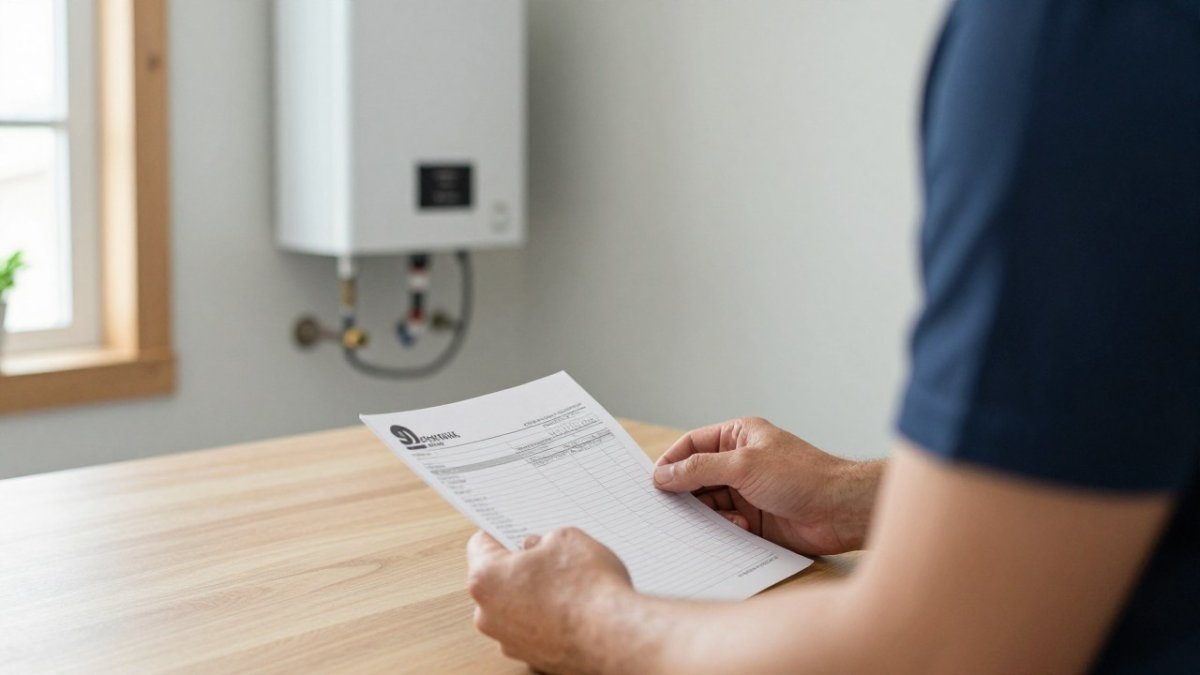
Slow recovery is the second signal. Recovery time is how long the heater takes to reheat water after a large draw, like two showers back to back. If the tank runs lukewarm sooner or takes noticeably longer to refill with hot water, sediment buildup or a failing heating element may be reducing capacity.
Watch for these patterns:
- Monthly bills rising without new appliances or more occupants
- Hot water lasting noticeably shorter than it did a year ago
- The heater running constantly or cycling more often than normal
- Water that never quite reaches the temperature you set
Watch out: Don't assume a bill increase is always the water heater. Compare usage across seasons first, since winter water temperatures and longer showers can raise costs on their own.
The article lists the main early warning signs of an inefficient water heater and what each usually means.
| Sign | What it usually means | Next step |
|---|---|---|
| Monthly bill rising with no household change | Heater working longer to heat water | Compare usage across seasons first |
| Hot water running out sooner | Sediment buildup or failing element reducing capacity | Check recovery time after back-to-back showers |
| Heater running constantly or cycling often | Struggling to hold set temperature | Verify thermostat setting |
| Water never reaches set temperature | Reduced heating capacity | Check for sediment or element failure |
Water Heater Leaking from Bottom: When It Signals Trouble
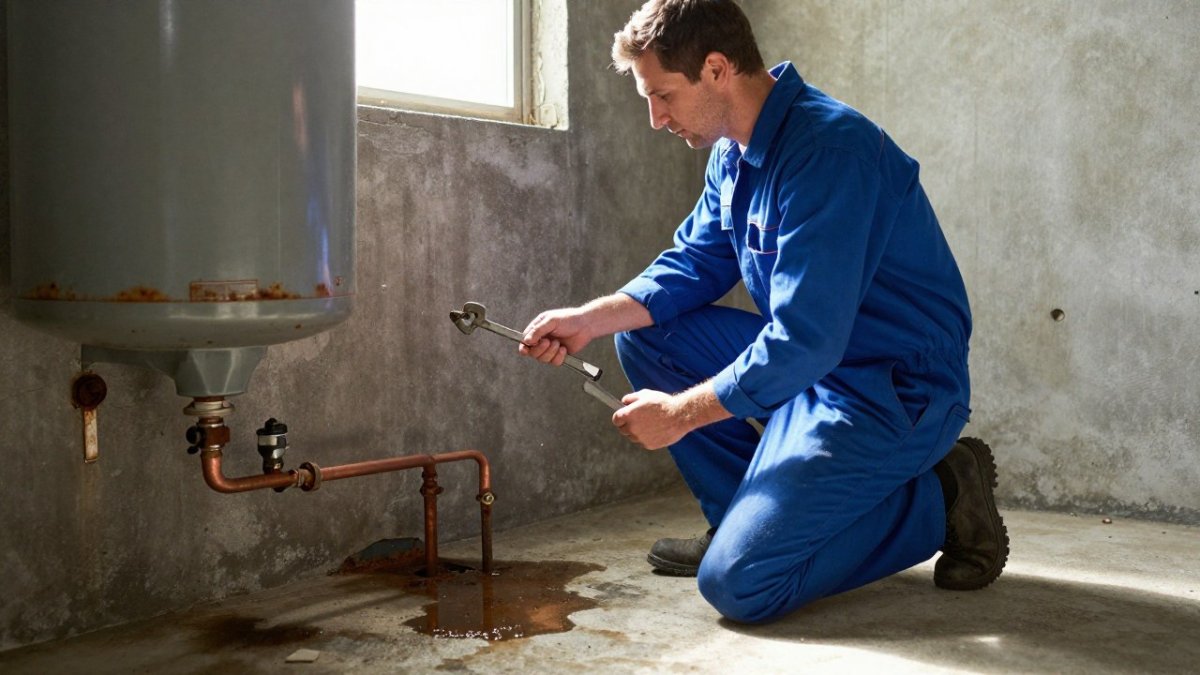
A water heater leaking from the bottom is one of the more serious symptoms. Some moisture can come from a loose connection or condensation on cold water lines, but water pooling beneath the tank usually points to a problem inside the tank itself.
Corrosion is the most common cause. Over time, the steel tank can rust through, and once that happens, the leak is rarely temporary. Sediment buildup can also stress the tank and its fittings, which in some cases leads to a slow weep at the base.
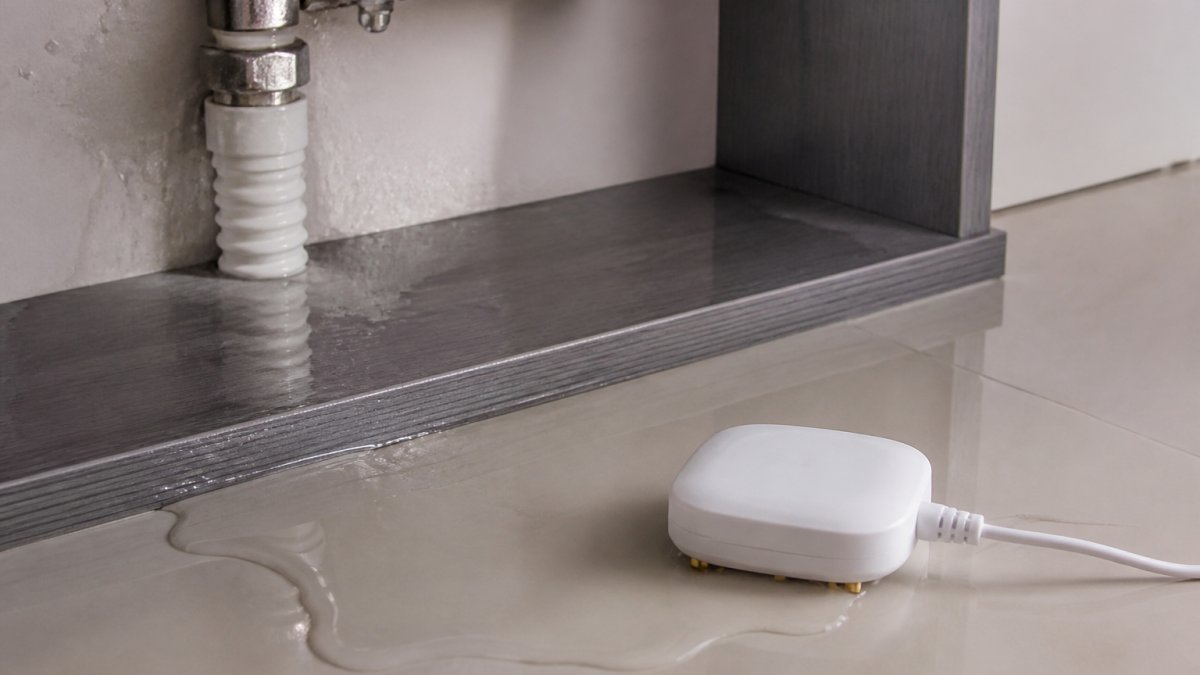
Check the area with a dry paper towel. Wipe the base of the tank and the connections, then look again after an hour. If the towel comes back wet from the tank bottom rather than the pipes, the tank is likely compromised. Our team at
Bad Water Heater Element Symptoms in Electric Models
Electric water heaters rely on heating elements to warm the water. When an element fails or weakens, the symptoms often show up as temperature problems rather than a complete loss of hot water.
Common element symptoms include:
- Water that's lukewarm even when the thermostat is set high
- Hot water that runs out faster than expected
- Water that's only hot for part of the tank's capacity
- A tripped breaker or a heater that won't turn on at all
Elements typically work in pairs, an upper and a lower, so a failure in one can produce confusing results. Follow troubleshooting steps for no hot water to narrow down which element has failed. If the top element is fine but the bottom one has failed, you may get hot water briefly and then nothing. Electric circuits carry real risk, so turn off power at the breaker before any inspection. Elements can be replaced, but if the tank is older or the failure is widespread, replacement may cost less over the long run.
Gas Water Heater Problems That Reduce Efficiency
Gas storage heaters lose efficiency through a different set of pathways than electric models, and the symptoms reflect that. A gas unit heats from the bottom with a burner and vents exhaust up a flue that runs through the middle of the tank. Anything that disrupts combustion, heat transfer, or venting shows up as higher gas use and weaker hot water.
The most common efficiency drains on a gas heater:
- Sediment as a heat barrier. Minerals settle on the tank bottom, where the burner flame sits. The layer insulates the water from the flame, so the burner runs longer to reach the set temperature. This is the single most common cause of a gradual gas bill climb in older tanks, and a flush is the usual fix.
- A yellow or lazy flame. A healthy natural gas flame is steady and blue. A yellow, floating, or uneven flame can mean incomplete combustion, a dirty burner, or a venting problem. It wastes fuel and is a safety concern, not just an efficiency one.
- Flue heat loss. The flue carries hot exhaust up and out. If the flue baffle is missing or damaged, or the tank's insulation has degraded, more heat escapes up the chimney instead of into the water. Standard atmospheric gas tanks are already less efficient than power-vent or condensing models for this reason.
- Short cycling. A heater that fires, shuts off, and fires again repeatedly wastes gas on each startup and can point to a failing thermostat, a bad thermocouple, or a tank that's undersized for demand.
- Draft and combustion-air problems. A gas heater needs adequate air and a clear vent. A blocked flue, a backdrafting condition, or a crowded utility closet can reduce efficiency and create a carbon monoxide risk.
Watch out: A strong gas smell, a flame that rolls or lifts off the burner, or soot around the burner access panel are not efficiency issues to monitor. Leave the home, avoid switches and flames, and call your gas utility or 911 from outside.
Gas and electric symptoms overlap on the water side (lukewarm water, slow recovery, shorter hot showers), but the likely causes differ. On gas, sediment, burner condition, and venting dominate. On electric, failed elements and tripped breakers dominate.
Is a Leaking Water Heater Dangerous? Safety Triage Steps
A leaking water heater is not always an emergency, but it should never be ignored. If you need immediate help, you can find emergency water heater repair in Denver. Water can damage flooring, drywall, and nearby electrical equipment quickly, and a tank that's failing can rupture without much warning.
Use this quick triage sequence:
- Shut off the cold water supply valve to the heater.
- For electric models, turn off the breaker. For gas models, set the gas control to "pilot" or "off."
- Place a bucket or towels to contain water and protect the floor.
- Check the drain valve and fittings to see whether the leak is coming from a simple connection.
- Call a professional if the tank itself is leaking or water is pooling steadily.
Watch out: Don't drain a leaking tank while the power or gas is still on. Heating an empty tank can cause serious damage or fire.
If water is spreading into living spaces or electrical areas, treat the situation as urgent. Colby Plumbing Company LLC offers reliable emergency service.
Your Next Step: Diagnostic Checklist and When to Call a Professional
Not every warning sign means the heater is failing. Learn how a tankless system is properly maintained before deciding whether service is needed.
Category 1: Performance loss (usually maintenance). Rising bills, slow recovery, popping or rumbling, and shorter hot showers in an otherwise stable unit often trace to sediment.
Category 2: Repairable fault. Lukewarm water on an electric model, a tripped breaker, a pilot that won't stay lit, or a failed thermocouple are component failures.
Category 3: Urgent safety risk. Water pooling from the tank bottom, a gas smell, soot or a rolling flame, or water near electrical components are stop-and-call situations.
A simple diagnostic sequence before you call anyone:
- Confirm the thermostat setting hasn't been changed and matches your expected temperature.
- Wipe the tank base and fittings with a dry paper towel and recheck after an hour to separate a pipe leak from a tank leak.
- Note whether hot water is consistently short or only short after heavy use, that separates a capacity problem from a recovery problem.
- Check the age of the unit against its expected service life; most storage tanks are rated for roughly 8 to 12 years, and tankless units longer.
- Review maintenance history: when was the tank last flushed, and has the anode rod ever been inspected?
Watch out: Don't assume a bill increase is the heater. Compare usage across seasons and rule out other appliances before authorizing repairs.
When the symptom is a tank leak, a gas or electrical hazard, or multiple warning signs on an aging unit, a professional inspection is the right next step.
Frequently Asked Questions
What are the first signs of a water heater going bad?
The earliest signs are usually efficiency changes rather than failure. Watch for hot water that runs out sooner than it used to, a slower recovery between showers, water that takes longer to warm up, and a gradual rise in your utility bill without a change in household habits. Rusty or discolored hot water, popping or rumbling noises from sediment buildup, and moisture around the base are also worth checking. Catching these early often means a maintenance visit instead of an emergency replacement, so note when each symptom started.
Is a leaking water heater dangerous?
It can be. Water leaking from the top or sides of the tank often points to a fitting or valve problem that can be monitored, but water pooling at the bottom usually means the tank itself has corroded or cracked and will not be repaired. On a gas unit, any gas odor, soot, or a yellow or flickering burner flame needs immediate attention: shut off the gas supply and call the gas utility or a licensed plumber from outside the home. Standing water near electrical connections on electric models also creates a shock risk, so switch off the breaker before going near it.
What are the symptoms of a bad water heater element?
On electric water heaters, a failing heating element usually shows up as lukewarm water, hot water that runs out quickly, or a unit that takes much longer than normal to reheat. Because most electric tanks have two elements, one failing element can leave you with partial heat, and a single bad element may cause the upper or lower portion of the tank to stay cold. Element replacement is a common repair, but a licensed plumber should confirm the diagnosis and check the thermostat before you buy parts, since a faulty thermostat produces similar symptoms.
Can a water heater lose efficiency without leaking?
Yes. Sediment buildup at the bottom of the tank acts as insulation between the burner or elements and the water, so the heater works longer to reach the set temperature and wastes energy. Scale on heating elements and a worn anode rod can also reduce performance without any visible leak. Flushing the tank once a year, checking the thermostat setting, and confirming the unit is sized for your household demand can restore efficiency before a repair or replacement is needed.