 listicle
6 Ways to Lower Water Heating Bills in 2026
Table of Contents
- 1. Lower the Thermostat: The Water Heater Temperature Setting for Efficiency
- 2. Install Low-Flow Fixtures to Cut Hot Water Demand
- 3. Stop Wasting Hot Water: Fix Faucet Leaks Fast
- 4. Wash Laundry in Cold Water to Reduce Energy Consumption
- 5. Drain Sediment to Improve Thermal Efficiency
- 6. How to Insulate a Water Heater Tank and Pipes
- Electric vs Gas Water Heater Cost Difference: What It Means for Your Bill
- Frequently Asked Questions
Last Updated: September 16, 2026
1. Lower the Thermostat: The Water Heater Temperature Setting for Efficiency
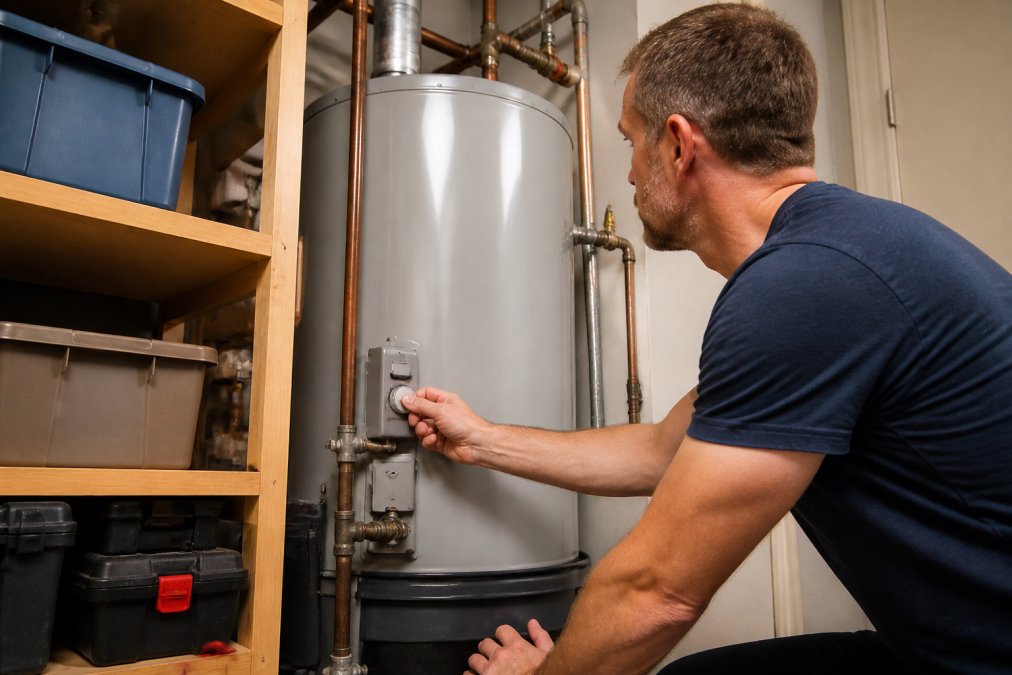
The fastest way to cut water heating bills is to lower your water heater temperature setting. Most manufacturers ship tanks set to 140°F, but the U.S. Department of Energy recommends 120°F for most households, and that 20-degree drop is the single highest-return adjustment you can make. This guide from Colby Plumbing Company LLC walks through six practical ways to lower water heating bills in 2026, starting with the setting that costs nothing to change.
Here is how to do it:
- Turn off power at the breaker (electric) or set the gas valve to "pilot" (gas).
- Remove the access panel or thermostat cover.
- Adjust the dial or screw to 120°F.
- Replace the cover and restore power.
- Wait two hours, then test with a thermometer at the tap.
Every 10°F reduction generally saves 3% to 5% on water heating costs, according to U.S. Department of Energy guidance on water heating. A common mistake is dropping below 120°F on a tank system. That invites bacterial growth in the tank and leaves you short on hot water during back-to-back showers.
2. Install Low-Flow Fixtures to Cut Hot Water Demand
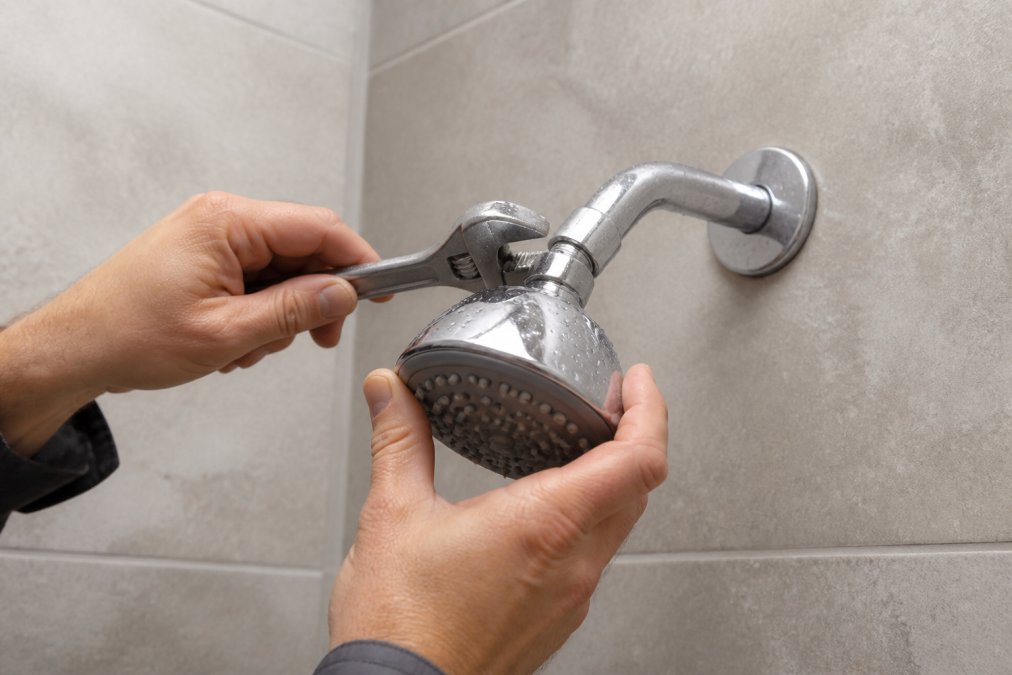
Reducing hot water demand at the source beats heating more of it. Low-flow showerheads rated at 1.5 to 1.75 GPM replace older 2.5 GPM models, and faucet aerators cut sink flow to 1.0 to 1.5 GPM. Together they shrink the volume your heater must warm on every shower and hand wash.
Showerheads from brands like Delta start around $25 and install in minutes with hand tools. Aerators from Moen run about $5 and thread onto standard kitchen and bathroom faucets. Neither requires a plumber.
| Fixture | Flow Rate | Typical Price | Install Time |
|---|---|---|---|
| Low-flow showerhead | 1.5-1.75 GPM | About $25 | 5-10 minutes |
| Faucet aerator | 1.0-1.5 GPM | About $5 | 2-3 minutes |
| Standard showerhead (old) | 2.5 GPM | N/A | N/A |
Full load laundry, shorter showers, and fixing drips all compound the savings. The one drawback: some people notice a lighter spray with 1.5 GPM heads. Look for models with aerating technology if that bothers you.
3. Stop Wasting Hot Water: Fix Faucet Leaks Fast
A dripping faucet is a slow, constant drain on your water heating bills. One drop per second can waste thousands of gallons a year, and every drop that runs hot is water you already paid to heat. Faucet leaks also raise water pressure problems and can stain fixtures over time.
Fixing a leak usually means one of three things:
- Replace the worn cartridge or O-ring inside the handle.
- Reseat or replace the valve seat.
- Tighten or replace the packing nut on older compression faucets.
Shut off the supply valves first, then disassemble the handle. Cartridges and O-rings cost a few dollars at any hardware store. If the leak is at a pipe joint or behind a wall, that's beyond a DIY fix and worth a call. According to EPA WaterSense program, household leaks waste nearly a trillion gallons of water nationwide each year, and hot-water leaks are the most expensive kind because you're paying twice: once for the water, once for the heat.
4. Wash Laundry in Cold Water to Reduce Energy Consumption
Washing in cold water is one of the simplest ways to reduce energy consumption tied to hot water. Most of a washing machine's energy use goes to heating the water, not to running the motor. Switching to a cold water wash for everyday loads removes that heating load almost entirely.
Modern detergents are formulated for cold water and clean just as well for typical soil levels. Reserve warm or hot cycles for heavily soiled items, bedding during illness, or anything requiring sanitizing. Running full load laundry instead of partial loads also matters: the same amount of hot water heats a full drum or a half-empty one.
For households with an older top-loader, cold-water washing is the biggest single lever.
5. Drain Sediment to Improve Thermal Efficiency
Sediment buildup at the bottom of a tank forces the heating element to work through a layer of mineral crust before it reaches the water. That directly lowers thermal efficiency and raises operating costs. Draining the tank annually is the fix, and it's the maintenance task most homeowners skip.
Here's the process:
- Turn off the power or gas and close the cold-water inlet.
- Connect a garden hose to the drain valve and run it to a floor drain or outside.
- Open a hot-water tap upstairs to break the vacuum.
- Open the drain valve and let the tank empty.
- Flush with a few gallons of cold water until it runs clear.
- Close the valve, refill the tank fully, then restore power.
6. How to Insulate a Water Heater Tank and Pipes
Insulating a water heater tank and its pipes reduces standby heat loss, the energy a tank bleeds into the surrounding air while sitting idle. Older tanks and any exposed hot-water pipes in a basement or crawlspace are the best candidates. The unique angle here is that the right move depends on whether you have a tank or a tankless unit, and most guides treat them the same.
| Measure | Typical Cost | Best For | Payback Feel |
|---|---|---|---|
| Pipe insulation sleeves | About $1.50 per section | Exposed hot-water pipes | Fast, low cost |
| Thermal blanket | About $30 | Older tank units only | Moderate |
| Tankless descaling kit | Varies by unit | Tankless heaters | Preventive |
Electric vs Gas Water Heater Cost Difference: What It Means for Your Bill
The electric vs gas water heater cost difference shapes every savings decision above. Gas units typically heat water faster and cost less per unit of energy in most markets, but they carry higher upfront installation costs and need venting. Electric units are cheaper to install and easier to place, but they cost more to run at equivalent usage.
| Upgrade | Typical Cost | Best For | Payback Feel |
|---|---|---|---|
| Pipe insulation sleeves | About $1.50 per section | Exposed pipes | Fast, low cost |
| Faucet aerators | About $5 | Every sink | Immediate |
| Low-flow showerhead | About $25 | Daily showers | Quick |
| Thermal blanket | About $30 | Older tanks only | Moderate |
| Programmable timer | About $40 | Predictable schedules | Moderate |
| Smart energy monitor | About $299 | Data-driven homes | Longer |
| Tankless heater | From about $800 plus install | Aging tank replacement | Longest |
Frequently Asked Questions
What runs up your water bill the most?
Water heating is typically the second-largest energy expense in a home, after space heating and cooling. Showers, laundry, and dishwashing account for most hot water use. Leaky faucets and old, inefficient water heaters also drive up costs. Fixing leaks and upgrading to low-flow fixtures can reduce water heating bills by cutting the volume of water that needs to be heated.
What is the ideal temperature setting for a water heater?
The U.S. Department of Energy recommends setting your water heater to 120°F for optimal efficiency and safety. Many manufacturers default to 140°F, which increases standby heat loss and energy consumption. Lowering the thermostat to 120°F can save 4% to 22% annually on water heating costs, according to Energy.gov. Check your user manual for specific instructions on adjusting your model.
Does insulating a water heater tank actually save money?
Yes, for older tanks. If your water heater is warm to the touch, a thermal blanket can reduce standby heat loss by 25% to 45%, saving 7% to 16% annually on water heating costs, per the U.S. Department of Energy. Newer tanks with internal foam insulation may not benefit. Insulating the first six feet of hot and cold pipes also reduces heat loss and can raise water temperature by 2°F to 4°F.
How often should a water heater be flushed to maintain efficiency?
Flush your tank water heater once a year to remove sediment buildup. Sediment creates a barrier between the burner or heating element and the water, forcing the system to work harder and increasing energy consumption. Annual flushing also extends the tank's lifespan. For tankless units, descaling is recommended annually in hard water areas. A licensed plumber can perform this preventative maintenance safely.
Is it cheaper to keep a water heater on all the time?
No. For electric water heaters, turning the unit off during extended away periods (vacation mode) saves energy by eliminating standby heat loss. For daily use, the savings from cycling power are minimal and can cause inconvenience. The bigger savings come from lowering the thermostat to 120°F, insulating the tank and pipes, and reducing hot water demand through low-flow fixtures and cold-water laundry.
Lowering water heating bills comes down to a handful of habits and a little maintenance, not a big remodel. If your tank is aging, your thermostat is stuck, or you want a professional eye on whether repair or replacement makes more sense, Colby Plumbing Company LLC can help. We offer fast, affordable service backed by licensed, seasoned professionals and a 100% satisfaction guarantee. Contact us today and get a straight answer on what your water heater actually needs.