 listicle
Which Water Leak Sensor Should You Choose for Your Home?
Last Updated: October 26, 2026
Quick Summary
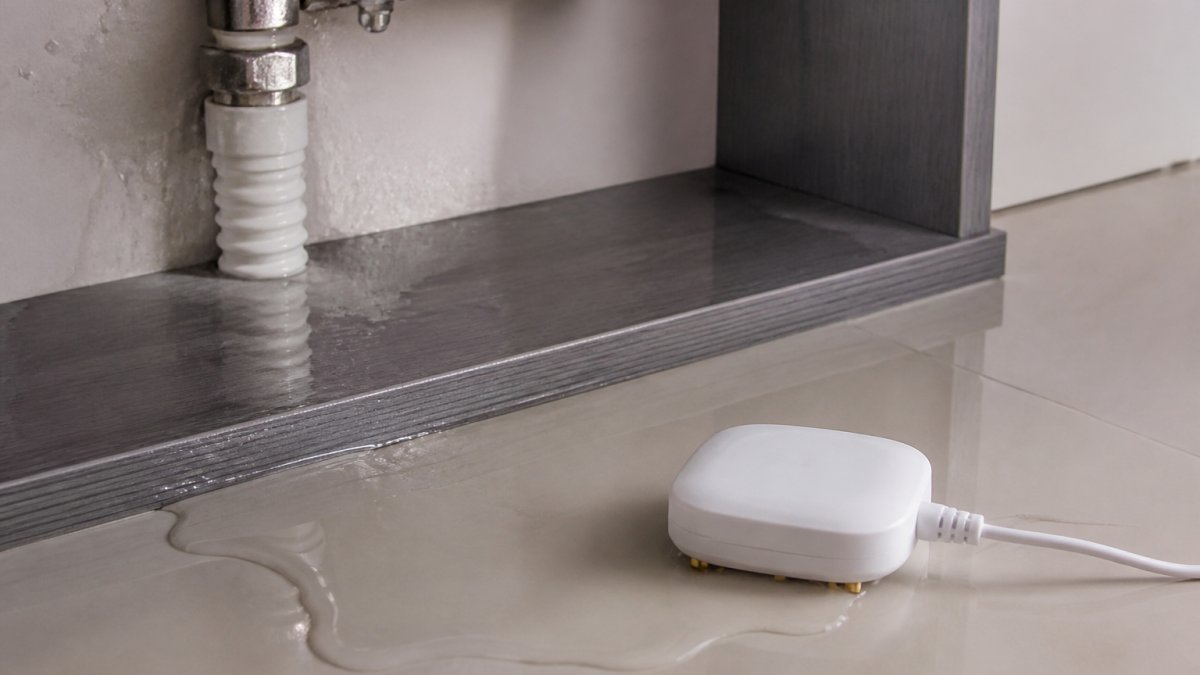
A water leak sensor detects moisture and alerts you before damage spreads, stopping costly repairs before they start. Most homeowners don't notice leaks until ceiling stains or mold appear, but a water leak sensor gives early warning to call a professional and prevent structural damage, mold growth, and electrical hazards.
- Standalone alarms cost around $35 and sound alerts with no Wi-Fi or subscription needed
- Wi-Fi sensors like SwitchBot cost $17-$39 and send app notifications to your phone
- Place sensors under sinks, near water heaters, around washing machines, in basements, and near toilets
- Automatic shutoff systems cost $200-$400+ and work best for vacation homes and older homes with high-risk plumbing
- Have a plumber inspect your main valve before installing automatic shutoff, as corroded valves may not close properly
Table of Contents
- Water Leak Sensors Stop Damage Before It Starts
- Standalone Alarms vs. Wi-Fi Sensors vs. Hub-Based Systems
- Where to Place Water Leak Sensors Around Your Home
- Whole-House Water Leak Detection Systems Explained
- Water Leak Sensor with Automatic Shutoff: When It Makes Sense
- DIY Water Leak Detector Options and Limitations
- Protecting Your Home: Next Steps After Choosing a Water Leak Sensor
- Frequently Asked Questions
Water Leak Sensors Stop Damage Before It Starts
A water leak sensor detects moisture and alerts you before damage spreads. Most homeowners don't notice leaks until they see ceiling stains or smell mold, by then, repairs cost thousands.
A small leak behind a wall can cause structural damage, mold growth, and electrical hazards, and water damage claims make up a significant share of homeowner insurance payouts (Facts + Statistics: Homeowners and renters insurance). A water leak sensor gives you early warning to call a professional before the problem escalates.
This guide covers the main types of water leak sensors, where to place them, and when automatic shutoff is worth the investment.
Standalone Alarms vs. Wi-Fi Sensors vs. Hub-Based Systems
Three main categories of water leak sensors exist, each with different alert methods and connectivity.
Standalone alarms are the simplest, most affordable option: they sit near water sources and sound a loud alert when they detect moisture, no app, Wi-Fi, or subscription. The Eufy Water and Freeze Sensor combines leak and freeze detection. While these compact units effectively monitor residential appliances, larger properties with complex plumbing infrastructure often require the more robust monitoring capabilities of commercial leak detection systems.
Wi-Fi sensors connect to your network and send app notifications. The SwitchBot Wi-Fi Leak Detector and First Alert's L1 Wi-Fi Water Leak and Freeze Detector are examples of Wi-Fi sensors.
Hub-based systems use a central hub to coordinate multiple sensors. The D-Link Water Leak Sensor Starter Kit and the X-Sense SWS54 Wi-Fi Water Leak Detector Kit are examples of hub-based systems.
Where to Place Water Leak Sensors Around Your Home
Place sensors where leaks are possible and damage could be costly.
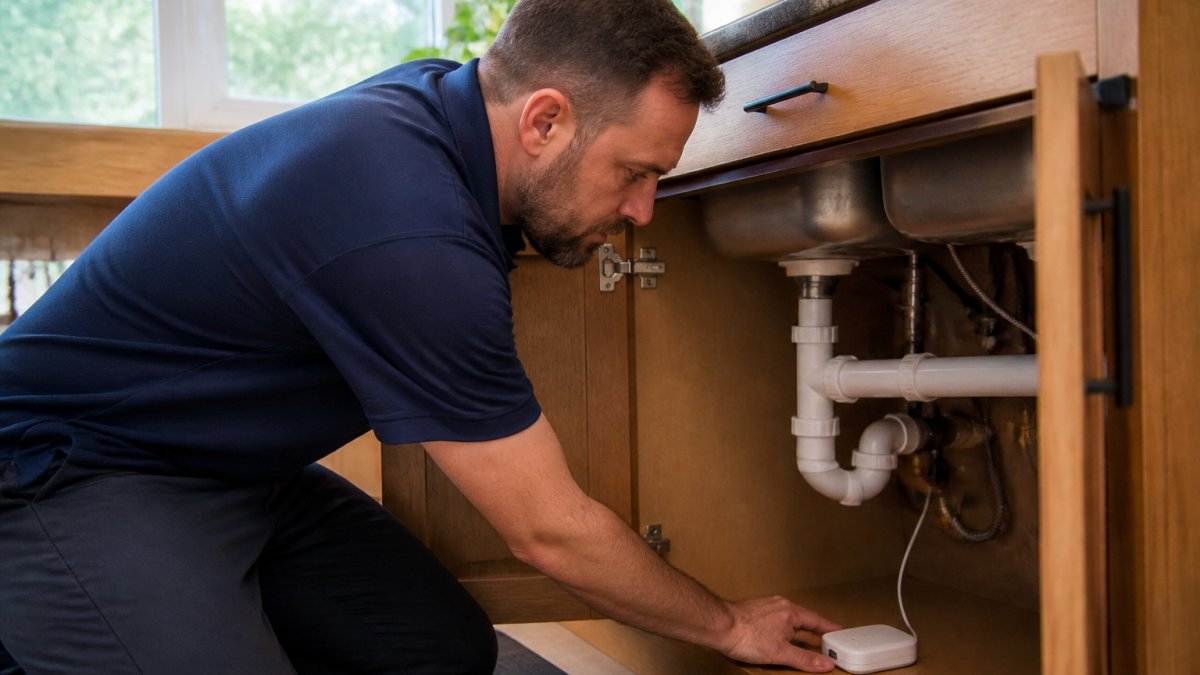
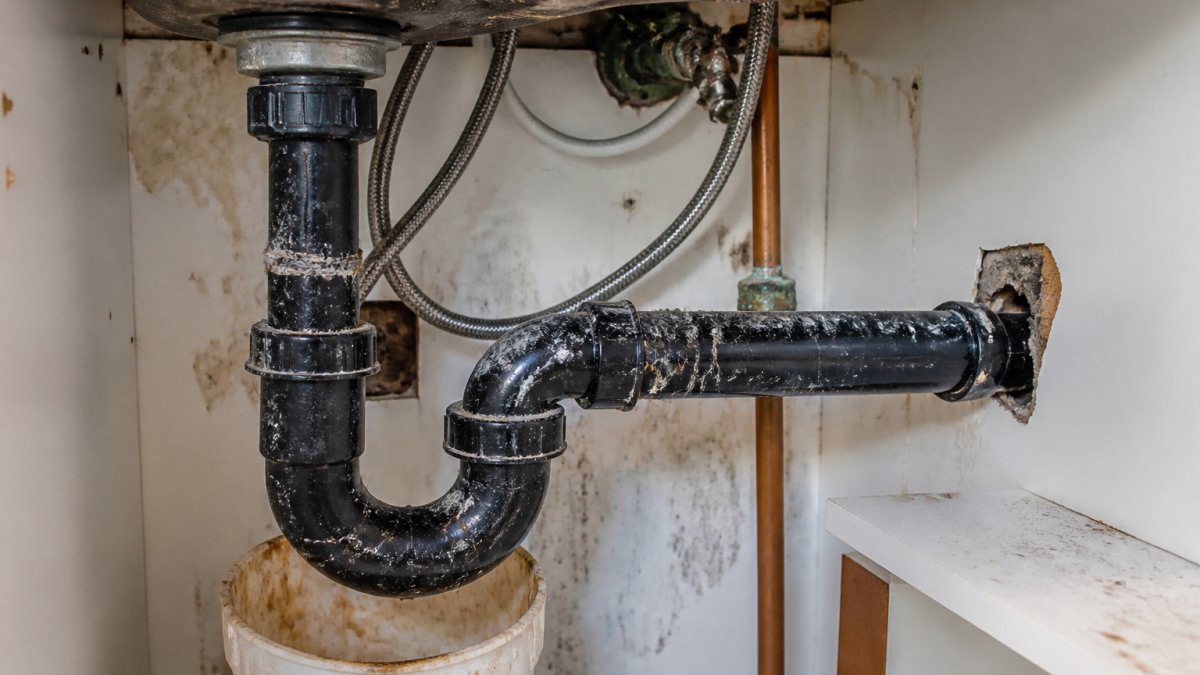
Under sinks are one possible location for a sensor.
Near water heaters is another possible location for a sensor.
Around washing machines and dishwashers is another possible location for a sensor. Prevent basement water damage by protecting these high-risk areas with dedicated sensors.
In basements and crawl spaces are other possible locations for sensors.
Near toilets is another possible location for a sensor.
Whole-House Water Leak Detection Systems Explained
Whole-house water leak detection systems are designed to monitor more than a single point.
Flow-based monitors are one type of whole-house monitoring system. The Flume 2 Smart Home Water Monitor is an example.
Valve-mounted shutoff systems are another type of whole-house system. The Moen Flo Smart Water Monitor and Shutoff is an example.
What whole-house systems actually cost to own
- Maintenance, annual valve exercise and firmware updates keep the shutoff reliable.
Outage behavior: what happens when the network drops
Outage behavior depends on where the intelligence lives:
Before installing any automatic shutoff, have a plumber inspect your main valve. A corroded or stuck valve, common in older homes, can prevent the motorized unit from closing when it matters. Leaking main water valves require professional repair first.
Who whole-house systems are for
Whole-house monitoring earns its cost in vacation homes, rentals, older homes with galvanized or polybutylene plumbing, and any house where the water heater or laundry sits above finished space. For a home where someone is usually present and responsive to alerts, well-placed point sensors plus a flow monitor are often the better value. When automatic shutoff makes sense for your situation comes down to worst-case damage versus cost of ownership.
Water Leak Sensor with Automatic Shutoff: When It Makes Sense
An automatic shutoff valve is designed to close a main water line when a leak is detected.
How the shutoff actually works
Many homeowners combine the two: point sensors under sinks and behind appliances for fast local detection, plus a flow-based shutoff at the main line for whole-house coverage.
The real cost of ownership
- Annual testing, exercise the valve quarterly and inspect it annually; an unused valve can seize.
When it makes sense, and when it doesn't
Automatic shutoff is insurance against the worst-case burst, not a replacement for placement. Put sensors where water pools, put a flow monitor on the main line, and put a motorized valve on the main line only after a plumber confirms the valve is sound.
Failure modes to plan for
- Sensor maintenance, point sensors need clean, dry probes; a probe caked with dust or mineral deposits may not respond. Wipe probes quarterly and replace batteries annually.
Insurance and damage prevention
If you are unsure whether your main valve can accept a motorized unit, contact a licensed plumber to inspect it before you buy. The inspection costs little compared with installing a shutoff on a valve that won't close when you need it.
DIY Water Leak Detector Options and Limitations
DIY water leak detection methods exist. Understanding their limitations may help you decide whether to invest in commercial products.
Protecting Your Home: Next Steps After Choosing a Water Leak Sensor
Choosing a water leak sensor is one step in considering how to protect your home. Learn what happens if a leak goes unrepaired and why early detection matters for your property.
If you're uncomfortable with installation or want guidance on placement, contact Colby Plumbing Company LLC for a consultation. Our team can evaluate your plumbing layout, identify leak-prone areas, and recommend the right sensors. We've helped homeowners across the Denver metro area protect their properties with comprehensive leak detection strategies, and we provide fast, professional service.
| Sensor Type | Starting Price | Best For | Key Feature |
|---|---|---|---|
| Standalone Alarm | $35 | Basic protection, budget-conscious | Audible alert, no Wi-Fi needed |
| Wi-Fi Sensor | $17-$39 | Renters, testing | App notifications, affordable |
| Hub-Based System | $39-$80 | Comprehensive coverage | Multiple sensors, automation |
| Whole-House Monitor | Varies | Advanced users | Usage tracking, leak pattern detection |
| Automatic Shutoff System | $200-$400+ | Vacation homes, high risk | Automatic water shutoff |
Quick Picks:
- Best Overall: D-Link Water Leak Sensor Starter Kit, hub-based system with multiple sensors and app monitoring
- Best Budget Option: SwitchBot Wi-Fi Leak Detector, affordable Wi-Fi connectivity at $17
- Best for Freeze Protection: Eufy Water and Freeze Sensor, dual detection for $35
Frequently Asked Questions
Where should you put water leak sensors in a home?
Water leak sensors can be placed in areas such as under sinks, near water heaters, around washing machines and dishwashers, and in basements or crawl spaces.
What's the difference between a basic water alarm and a smart leak sensor?
A basic water alarm and a smart leak sensor are product types with different features. Check the product information to learn what features each sensor offers.
Do water leak sensors need Wi-Fi to work?
Whether a water leak sensor needs Wi-Fi depends on the product. Check the manufacturer's product information for its connectivity and alert requirements.
Can a water leak sensor automatically shut off the water?
Some whole-house water leak detection systems include automatic shutoff valves. Check the product information to learn how a particular system operates.
Are water leak sensors worth it?
Whether a water leak sensor is worthwhile depends on your home and the product's features. Review the product information and consider your needs when deciding.