 listicle
Signs Your Bathroom Plumbing Needs Replacing
Table of Contents
- 1. Discolored Water: Yellow, Orange, or Brown Water from Bathroom Faucets
- 2. Water Leak Behind Bathroom Wall: Hidden Moisture and Water Damage
- 3. Low Water Pressure in Bathroom: When Weak Flow Signals Pipe Trouble
- 4. Slow Drainage, Repeated Clogs, and Sewer-Gas Odors
- 5. Corrosion, Rust, and Visible Pipe Damage
- 6. Bathroom Pipe Replacement: Repair vs. Replace Decision Guide
- 7. Plumbing Inspection Before Repiping: What to Expect
- Frequently Asked Questions
Last Updated: October 20, 2026
1. Discolored Water: Yellow, Orange, or Brown Water from Bathroom Faucets
Discolored water is one of the earliest and clearest signs your bathroom plumbing needs replacing. When water runs yellow, orange, or brown from a bathroom faucet, the cause is usually rust or sediment inside aging pipes. Those pipes are breaking down from the inside out.
The color tells you something. Yellow or orange water often points to iron in the water or a mild rust problem in galvanized steel lines. Brown water at the tap means heavier sediment or active corrosion. If the discoloration clears after you run the tap for a minute, the sediment is sitting in the pipes. If it never clears, the pipe walls themselves are failing.
Here's what most guides miss: discoloration that shows up only at one fixture usually points to that fixture's supply line or shutoff valve, not the whole system. Test every faucet in the home before you assume the worst. When the color appears at every tap, the problem sits in the main lines, and that is when a bathroom plumbing replacement conversation starts.
2. Water Leak Behind Bathroom Wall: Hidden Moisture and Water Damage
A water leak behind bathroom walls is the most expensive sign to ignore. You rarely see the leak itself. You see what it leaves behind: soft drywall, bubbling paint, a musty smell, or a stain that spreads a little each week.
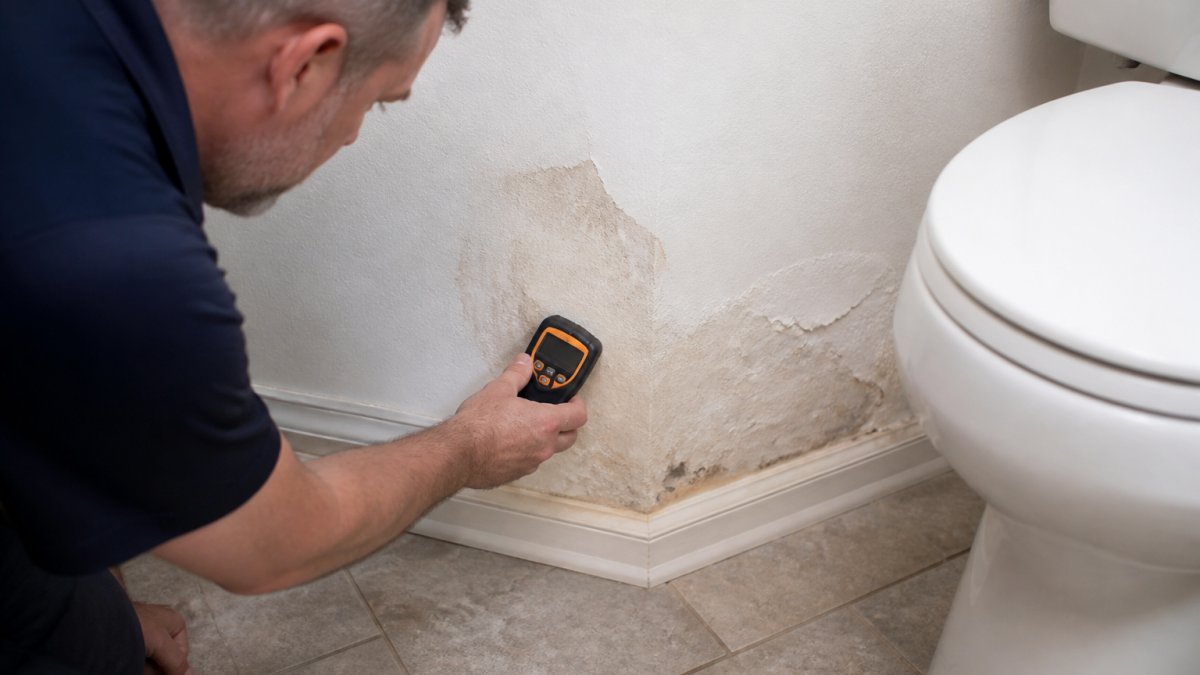
Hidden moisture does quiet damage. It rots wood framing, feeds mold inside wall cavities, and loosens tile. By the time a stain reaches the paint, the leak has usually been running for months. A common mistake is patching and repainting the wall without finding the source. The stain comes back, and the damage keeps growing behind it.
Watch for these signals of a hidden leak:
- Paint that bubbles or peels near the shower or behind the toilet
- A musty smell that does not go away after cleaning
- Soft or spongy drywall at the base of the wall
- Grout or caulk that keeps cracking despite repairs
- A water bill that creeps up with no change in habits
Small pinhole leaks in old copper or galvanized pipe are a frequent cause. When several leaks appear in the same wall over a few years, patch repairs stop making sense. That pattern is the plumbing telling you the pipe run is finished.
3. Low Water Pressure in Bathroom: When Weak Flow Signals Pipe Trouble
Low water pressure in a bathroom points to a supply problem, not a fixture problem. A single weak faucet usually means a clogged aerator or a failing cartridge. Weak flow at every bathroom fixture means the pipes feeding that room are restricted.
Corrosion is the usual culprit. Rust and mineral scale build up on the inside of steel and old copper lines, narrowing the passage for water. Pressure drops slowly, so homeowners adapt without noticing. Showerheads that once felt strong start to feel like a drizzle.
Run a quick check before you call anyone. Compare pressure at the bathroom sink, the tub, and the shower. Then compare the bathroom to a kitchen tap. If the whole house runs weak, the issue may be the main line or pressure regulator. If only the bathroom struggles, the branch lines serving it are the likely problem. Either way, a licensed plumber can confirm the cause with a pressure gauge and a visual inspection.
4. Slow Drainage, Repeated Clogs, and Sewer-Gas Odors
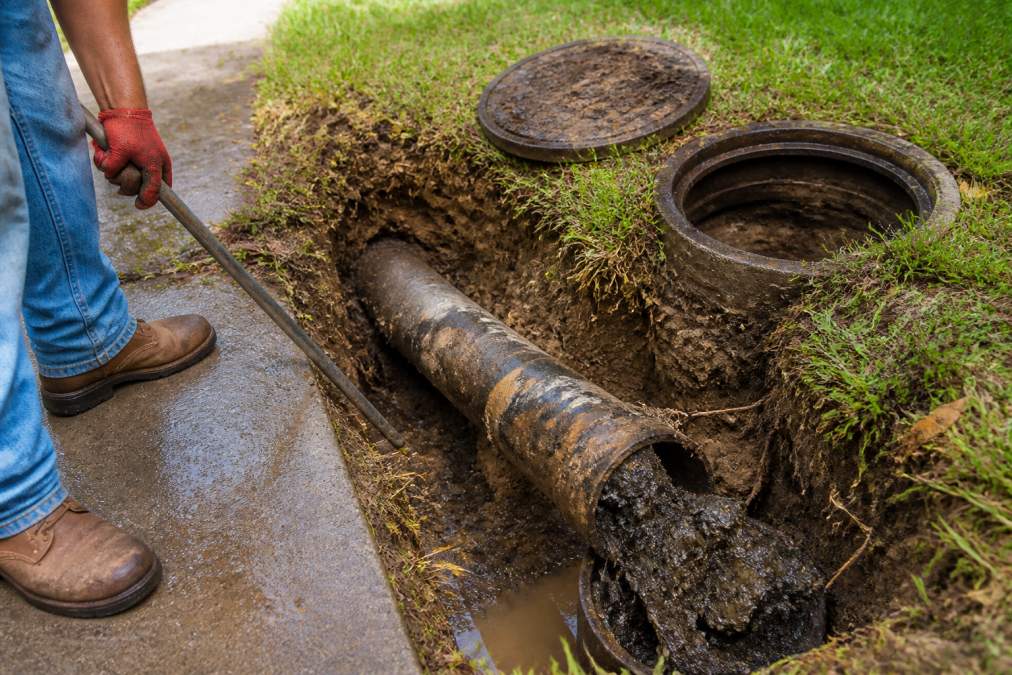
Slow drainage and repeated clogs are a drainage problem, and they rarely fix themselves. A sink or tub that drains slower each month is telling you the drain pipe is narrowing. Soap scum, hair, and mineral deposits coat the inside of old pipes until water can barely pass.
Repeated clogs matter more than one stubborn clog. If you are snaking the same drain every few months, the blockage is not a one-time event. Old cast-iron and galvanized drain lines corrode and scale on the inside, and no amount of snaking restores the full pipe diameter. Gurgling drains and a toilet that gurgles after flushing are related signals: the drain is struggling to vent and move water.
Sewer-gas odor is the warning you should never ignore. A rotten-egg smell in the bathroom usually means a broken seal, a cracked drain pipe, or a dried-out trap. Cracked drain lines under a slab or inside a wall can leak gas and moisture at the same time. If the smell persists after you run water in every fixture, treat it as an active problem and get it inspected.
5. Corrosion, Rust, and Visible Pipe Damage
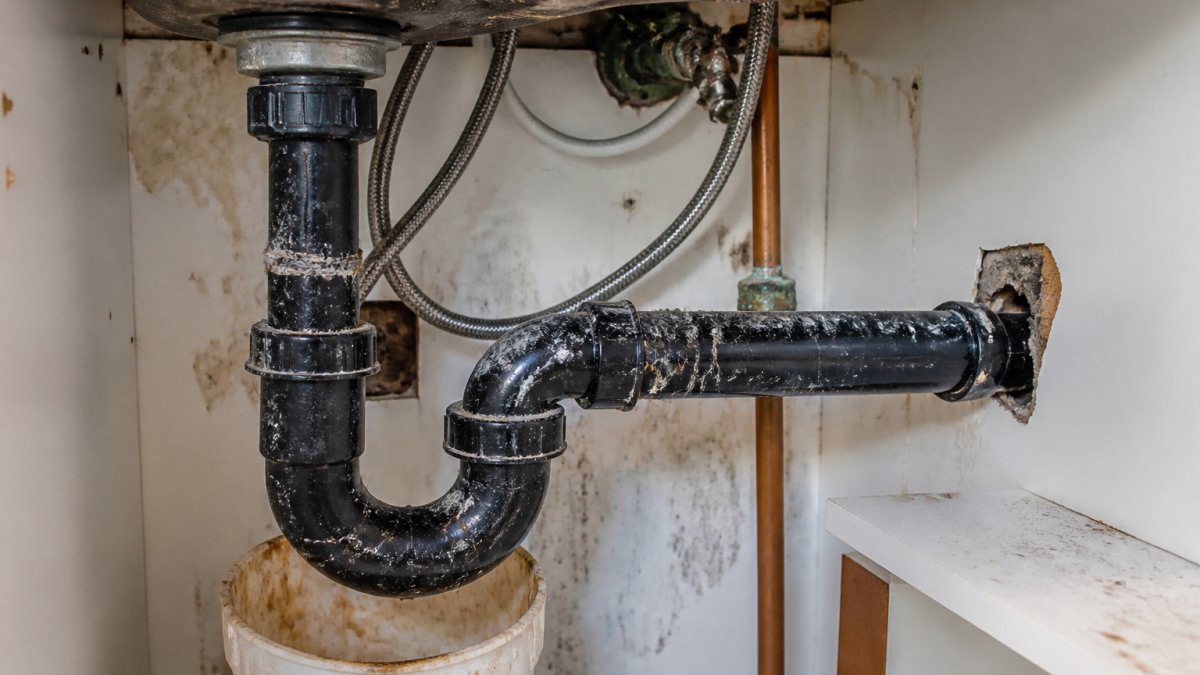
Visible corrosion on exposed bathroom pipes is a direct sign of pipe age and decline. Rust flakes, green crust on copper, white mineral buildup at joints, and pitting on the pipe surface all mean the metal is thinning. A pipe that is corroding on the outside is usually worse on the inside.
Check the pipes you can see: under the sink, behind the toilet, and in the basement or crawl space below the bathroom. Look for:
- Rust-colored flakes or stains around joints and fittings
- Green or white crust at solder joints on copper lines
- Damp spots or drips at connections
- Pipes that feel rough or pitted to the touch
Pipe material and lifespan drive this decision. Galvanized steel lines commonly fail within a few decades, and their corrosion is exactly what turns water brown. Copper lasts longer but develops pinhole leaks as it ages. Polybutylene pipe, used in some homes decades ago, is prone to sudden failures and is generally replaced on sight. Knowing what your pipes are made of tells you whether repairs are buying time or wasting it.
6. Bathroom Pipe Replacement: Repair vs. Replace Decision Guide
Bathroom pipe replacement is the right call when symptoms are widespread, recurring, or tied to pipe material at the end of its life. Repair is the right call when one isolated section failed and the rest of the system is sound. The decision comes down to pattern, age, and material.
Use this guide to sort it out:
| Situation | Better Choice | Why |
|---|---|---|
| One pinhole leak in otherwise sound copper | Repair | Isolated failure, low disruption |
| Multiple leaks in the same wall over a few years | Replace | Pattern signals system-wide decline |
| Galvanized steel pipes with brown water | Replace | Internal corrosion cannot be reversed |
| Single slow drain cleared once | Repair | One-time blockage, not a pipe defect |
| Repeated clogs in old cast-iron drain lines | Replace | Scaling narrows the pipe permanently |
| Cracked drain line leaking sewer gas | Replace | Safety issue, patch repairs rarely hold |
| Polybutylene supply lines | Replace | Known failure risk |
Two factors tip the scale toward replacement. First, repeated repairs: if you have called a plumber for the same bathroom three times in two years, the repairs are adding up against a system that keeps failing. Second, water damage history: a wall that has leaked before is likely to leak again if the pipe run stays in place.
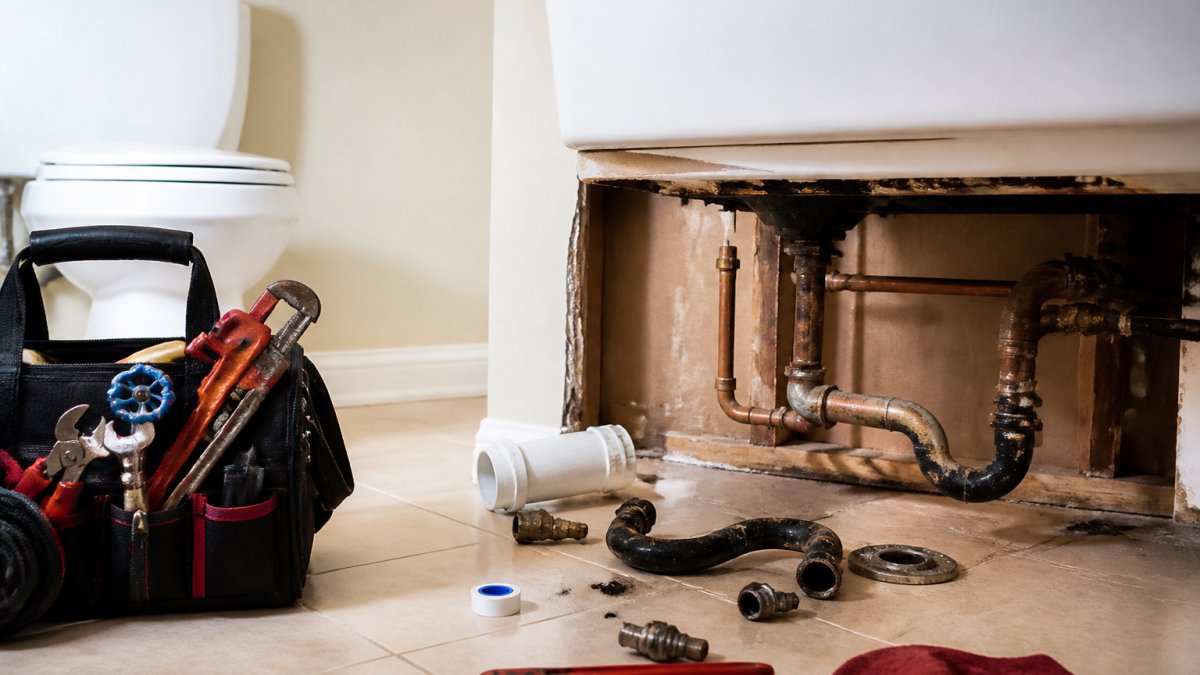
What most guides skip is the disruption question. A bathroom repipe is a real project with open walls, dust, and a few days of limited water. Weigh that against years of patch repairs and the risk of a burst line. For most homeowners facing widespread symptoms, replacement ends the cycle instead of extending it.
7. Plumbing Inspection Before Repiping: What to Expect
A plumbing inspection before repiping confirms the diagnosis before anyone opens a wall. The inspection answers three questions: what material the pipes are, where the failures are, and how far the replacement needs to go.
Expect a licensed plumber to start with a walkthrough of every bathroom fixture and the visible pipe runs. From there, the process usually includes:
- Pressure testing to measure flow and locate restrictions
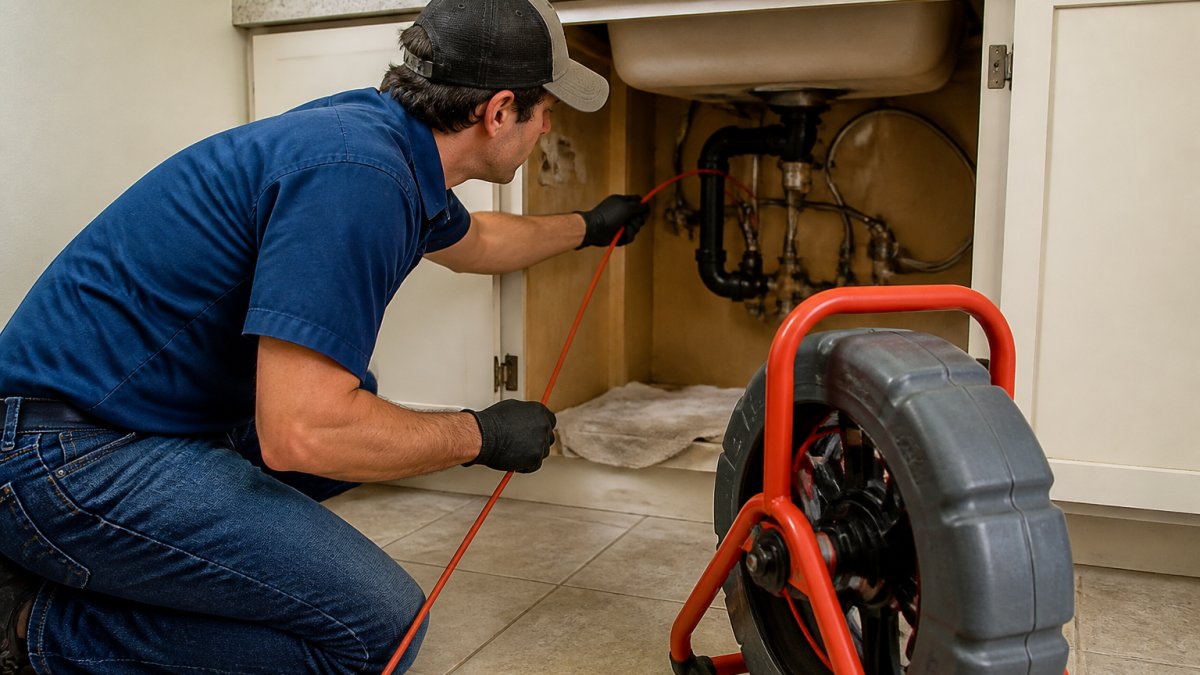
- Camera inspection of drain lines to see corrosion, scale, and cracks from the inside
- Moisture readings on walls and ceilings near suspected leaks
- Material identification on supply and drain lines
- A written scope covering what gets replaced, how walls get opened, and the expected timeline
Ask for the findings in plain language. A good inspection report tells you which symptoms trace to which pipes, so the replacement targets the real problem. At Colby Plumbing Company LLC, our licensed plumbers have handled bathroom remodels and repipes across the Denver metro area since 1996, and we put the scope in writing before work begins. That is how you avoid surprise charges after the walls are open.
Frequently Asked Questions
How do you know if your bathroom plumbing needs to be replaced?
Watch for a cluster of symptoms rather than a single issue: discolored water from bathroom faucets, low water pressure in the bathroom, slow-draining sinks or tubs, recurring clogs, gurgling drains, and musty smells. Visible rust or corrosion on exposed pipes and damp spots on walls or ceilings are stronger signals. If your home has galvanized steel pipes older than 40 to 50 years, replacement is often the practical path. A licensed plumber can confirm with a plumbing inspection before repiping.
Can low water pressure in the bathroom mean the pipes need replacing?
Sometimes, yes. Low water pressure in the bathroom can come from a clogged aerator or a failing fixture, but when pressure drops at every bathroom fixture at once, the cause is often buildup or corrosion inside the supply pipes. Galvanized steel pipes commonly narrow over decades as minerals and rust accumulate. A plumber can test pressure at multiple points and inspect the pipes to tell you whether cleaning, a partial repair, or bathroom pipe replacement is the right call.
What are the signs of a water leak behind a bathroom wall?
A water leak behind a bathroom wall often shows up as paint that bubbles or peels, a soft or stained patch of drywall, musty odors, or a baseboard that stays damp. You may also hear water running when no fixture is on. Left alone, hidden leaks feed mold and rot framing. Shut off the water supply if the leak is active, and have a plumber trace the source before opening the wall so the repair targets the actual failed pipe or fitting.
Should you repair or replace a leaking bathroom pipe?
It depends on the pipe material, age, and how many problem spots you have had. A single pinhole leak in otherwise sound copper can often be repaired. But repeated leaks, widespread corrosion, or galvanized pipes near the end of their service life usually make bathroom pipe replacement the better investment. A plumbing inspection before repiping gives you the evidence to decide. Ask the plumber for the pipe material, condition, and a written recommendation before you commit.
A bathroom that shows one warning sign may only need a repair. A bathroom showing several, especially with old pipe material behind the walls, is asking for a bigger decision. Colby Plumbing Company LLC is family owned and operated, licensed, and backed by a 100% satisfaction guarantee, with fast, reliable service for repairs, remodels, and full bathroom pipe replacement. Contact us today to schedule an inspection and get a clear, written plan before any wall comes open.