 how-to
Affordable Pipe Repair: A DIY Assessment Guide
Table of Contents
- Signs Your Pipes Need Professional Attention
- DIY vs. Professional Assessment: When to Call a Plumber
- Trenchless Pipe Repair vs. Traditional Methods: Cost and Process
- Average Cost of Pipe Repair and What Affects Your Price
- How to Choose a Licensed Plumber for Affordable Service
- Permitting, Local Codes, and Compliance for Affordable Pipe Repair
- Financing and Payment Plans for Pipe Repair Projects
- Conclusion
Last Updated: August 15, 2026
Signs Your Pipes Need Professional Attention
Water damage spreading across basement walls, persistent dripping sounds behind walls, or sewage backing up into your home are unmistakable red flags that your pipes need professional attention. These aren't cosmetic issues, they're structural problems that worsen rapidly without intervention. The longer you wait, the more expensive the repair becomes.
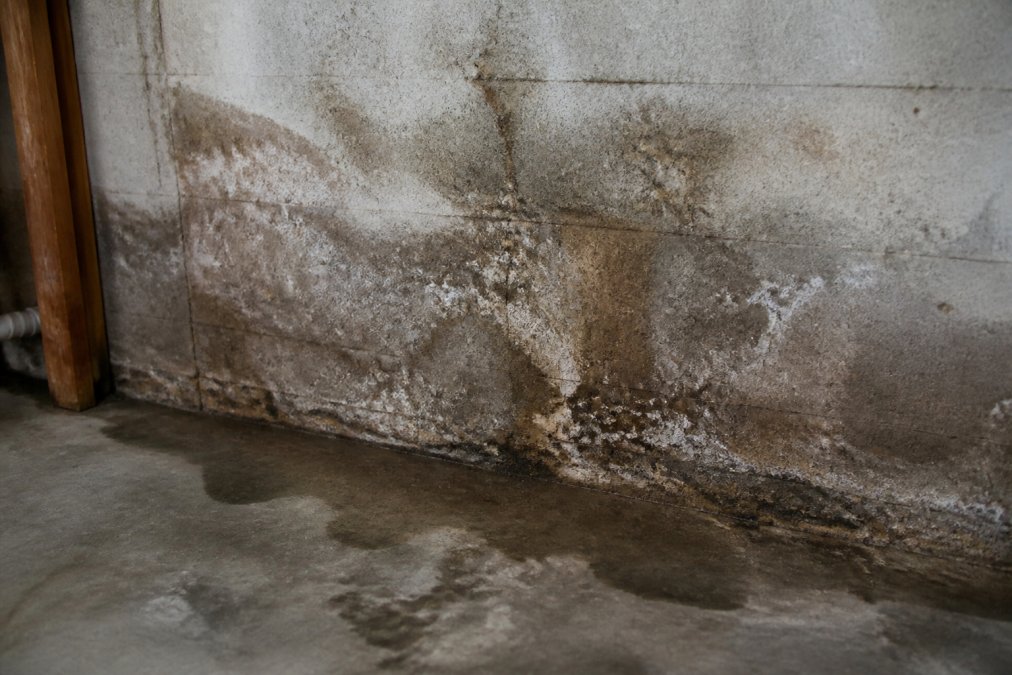
Common warning signs include slow drains that don't respond to plunging, water pooling in your yard, unusually high water bills, or the smell of sewage near your home. If you notice multiple fixtures draining slowly at once, your main sewer line may be compromised. Galvanized steel pipes, common in older homes, often develop pinhole leaks that start small and spread. Root intrusion into sewer lines is another frequent culprit, especially if you have mature trees near your foundation.
The key difference between a minor repair and a major replacement often comes down to timing. A small leak caught early might require simple pipe lining. The same leak ignored for six months could demand excavation and full line replacement. This is why early detection matters for your budget.
DIY vs. Professional Assessment: When to Call a Plumber
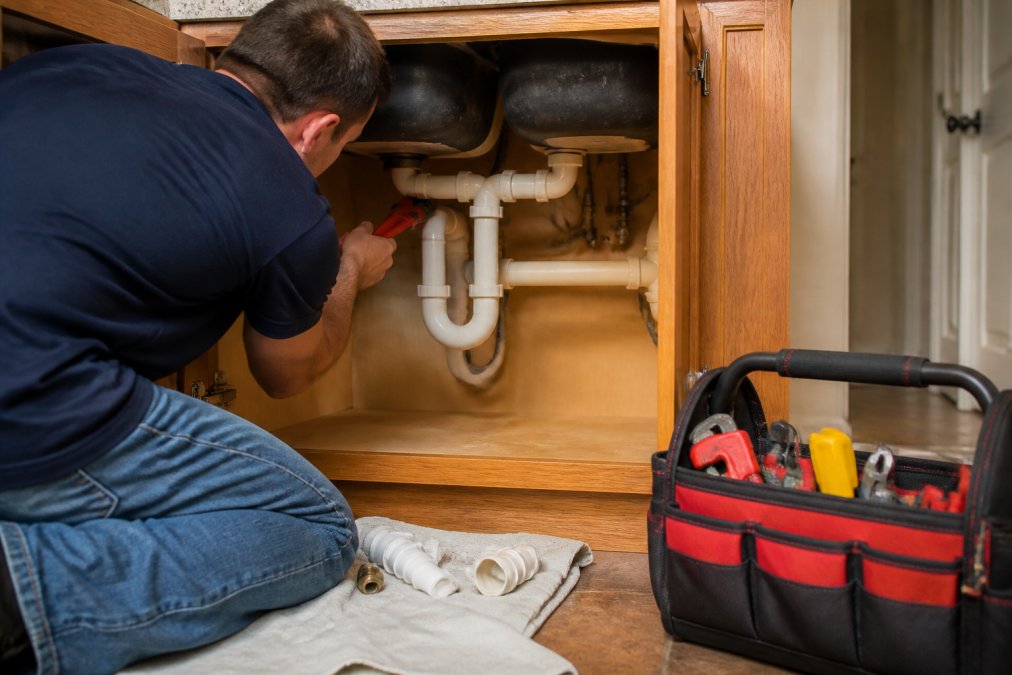
You can perform a basic visual inspection yourself, check under sinks for moisture, listen for dripping sounds, and monitor your water bill for unexplained increases. However, diagnosing the actual problem requires specialized equipment that most homeowners don't have.
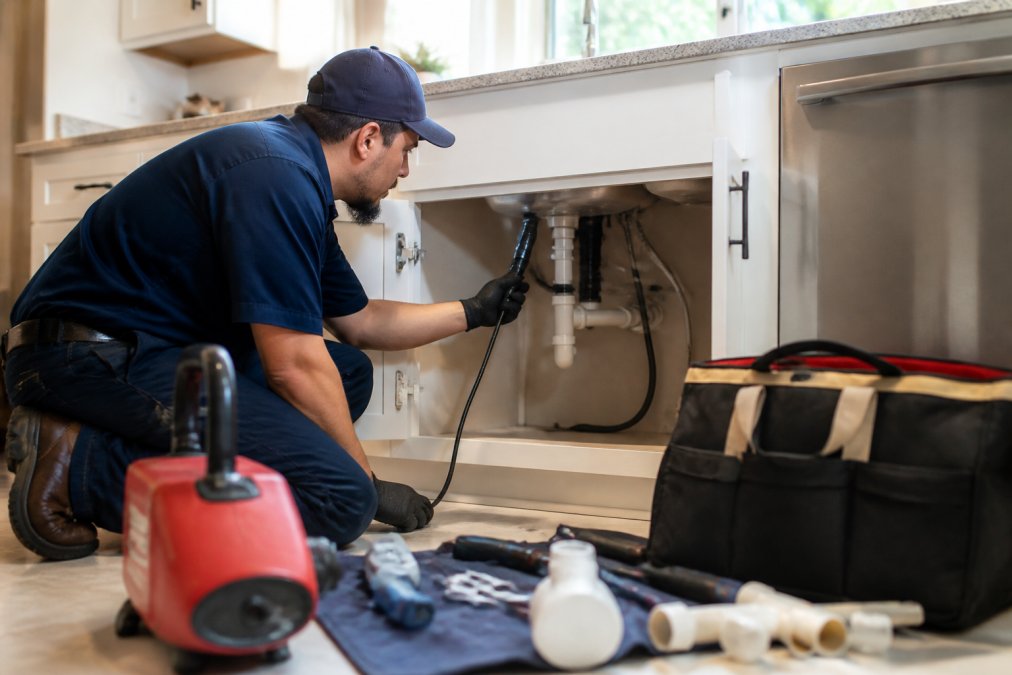
A camera inspection (sewer scope) is the gold standard for identifying pipe problems. A licensed plumber threads a small camera through your drain line to visualize cracks, blockages, root intrusion, and structural damage. This 30-minute inspection costs far less than guessing wrong about what's broken. Without it, you're essentially making repairs based on symptoms rather than root cause.
DIY assessments work for obvious problems: a puddle under the sink, water pooling in your basement, or sewage smell. But anything requiring a diagnosis, determining whether you need pipe lining versus full replacement, identifying where a slab leak is located, or assessing the extent of root intrusion, demands professional equipment and expertise.
The real cost of DIY diagnosis is getting it wrong. You might authorize a full excavation when trenchless pipe lining would have solved the problem. Or you might ignore a developing issue that later requires emergency repair at premium rates. A professional assessment costs money upfront but saves thousands in unnecessary or misdirected repairs.
Trenchless Pipe Repair vs. Traditional Methods: Cost and Process
Trenchless pipe repair uses specialized techniques to fix or replace pipes without excavating your yard. The two main methods are cured-in-place pipe (CIPP) lining and pipe bursting. With CIPP, a flexible tube coated with resin is inserted into the damaged pipe and inflated, creating a new pipe inside the old one. Pipe bursting breaks apart the old pipe while simultaneously pulling a new one into place.
Traditional pipe replacement means excavating the damaged section, removing it, and installing new pipe. This method provides complete access and works for any pipe diameter or configuration. However, excavation disrupts landscaping, driveways, and patios. It also takes longer and typically costs more in labor.
Trenchless methods work best for cracks, root intrusion, and corrosion in accessible lines. They're ideal when your damaged pipe runs under a driveway or through a finished basement. Traditional excavation becomes necessary when the pipe is severely collapsed, when multiple sections need replacement, or when local plumbing codes require it.
The choice between trenchless pipe repair and traditional methods depends on pipe condition, location, and your budget. A licensed plumber will recommend the right approach after inspecting your line. Some situations allow both options; others allow only one.
Average Cost of Pipe Repair and What Affects Your Price
Pipe repair costs vary dramatically based on the damage type, pipe location, and repair method. A simple drain cleaning costs far less than replacing a main sewer line. The difference between affordable pipe repair and expensive pipe repair often comes down to how early you catch the problem.
Several factors determine your final bill. The length of pipe needing repair directly affects cost, fixing 10 feet costs less than fixing 50 feet. Pipe location matters: a line under your driveway costs more to access than one under an open yard. Pipe material affects pricing; replacing galvanized steel pipes costs differently than replacing cast iron or PVC. Whether you need trenchless technology versus traditional excavation changes the labor intensity significantly.
Permitting and local codes can add to costs. Some jurisdictions require inspections at multiple stages. Water service line repairs often require coordination with your municipality, which adds time and expense. The depth of the pipe, whether it's 3 feet down or 8 feet down, affects excavation difficulty and cost.
Emergency timing also influences price. A pipe repair scheduled during regular business hours costs less than the same repair done at 2 a.m. on a Sunday. However, delaying an emergency repair to save money often backfires when water damage spreads.
For accurate pricing, get multiple free estimates from licensed plumbers. Each estimate should specify what's being repaired, which method will be used, what materials are included, and the timeline. This transparency lets you compare apples to apples and understand where your money goes.
How to Choose a Licensed Plumber for Affordable Service
Finding an affordable pipe repair contractor starts with verifying credentials. Any plumber working on your home should be licensed, bonded, and insured. These aren't optional, they protect you if something goes wrong.
Verify Licensing and Insurance
A licensed plumber has passed exams demonstrating knowledge of plumbing codes, safety standards, and best practices. Your state's licensing board maintains a searchable database of licensed plumbers. You can verify a plumber's license status, check for complaints, and confirm their license is current.
Bonding protects you financially if the plumber doesn't complete work as agreed. Insurance covers damage to your property during the repair. Ask for proof of both before hiring anyone. A legitimate plumber carries these without hesitation.
Local codes vary by jurisdiction. A plumber familiar with local plumbing codes ensures your repair passes inspection and doesn't create future problems. Someone from out of state or unfamiliar with local regulations might miss requirements that cost you money later.
Get Multiple Free Estimates
Call at least three licensed plumbers and request free estimates. A quality estimate includes the specific work being done, materials used, labor costs, timeline, and warranty information. Compare these estimates carefully, the cheapest option isn't always the best value.
During the estimate, ask questions about the repair method, why they recommend it, and what alternatives exist. A plumber who listens to your concerns and explains options clearly is more likely to deliver good service. Someone who rushes through the estimate or pressures you to decide immediately raises red flags.
Check References and Satisfaction Guarantees
Ask for references from recent customers and actually call them. Ask about the plumber's punctuality, professionalism, and whether the work held up. A plumber confident in their work offers a satisfaction guarantee. Colby Plumbing Company LLC, for example, stands behind their work with a 100% satisfaction guarantee, if you're not satisfied, they make it right.
Real customer feedback reveals patterns. One complaint might be an outlier. Multiple complaints about the same issue suggest a genuine problem. Conversely, consistent praise for reliability and fair pricing indicates a trustworthy contractor.
Permitting, Local Codes, and Compliance for Affordable Pipe Repair
Your pipe repair likely requires permits and inspections. This seems like extra cost and hassle, but it protects you. Permitted work is documented, inspected for code compliance, and recorded on your property records. Unpermitted work creates problems when you sell your home or file an insurance claim.
Local plumbing codes specify pipe materials, installation methods, and safety requirements. These codes exist because certain practices have caused problems in the past. A licensed plumber knows your local codes and builds compliance into their estimates. The cost of compliance is built into the affordable pipe repair quote, not added as a surprise later.
Water service line repairs often require coordination with your municipality. Some jurisdictions require them to inspect and approve the work. This adds time but ensures the repair meets standards. Your plumber should handle this coordination, not leave it to you.
Slab leak repairs, leaks in pipes running under concrete foundations, have specific code requirements. These repairs must be done correctly to prevent future problems. A licensed plumber knows these requirements and factors them into their approach.
Understanding that permits and inspections add cost helps you budget accurately. They're not optional expenses to avoid, they're protections that make your repair legitimate and durable.
Financing and Payment Plans for Pipe Repair Projects
Unexpected pipe repairs strain budgets. Many homeowners don't have thousands of dollars sitting aside for emergencies. This is why financing options matter.
Some plumbers offer payment plans that let you spread costs over several months. These plans typically don't require a credit check and are designed for homeowners facing unexpected repairs. Ask about this option when getting estimates, not all plumbers offer it, but many do.
Credit cards with promotional interest rates can work if you can pay off the balance during the promotional period. However, if the balance carries beyond the promotion, interest rates jump significantly.
Home equity lines of credit (HELOCs) offer lower interest rates than credit cards if you own your home and have equity. This works well for larger projects but takes longer to set up.
Some municipalities offer low-interest loans for water service line repairs. Check with your city or county to see if this applies to your situation. These programs exist because water infrastructure failures affect entire neighborhoods.
The key is understanding all your options before the emergency happens. Once a pipe fails and water is leaking into your basement, you're in crisis mode and less likely to negotiate favorable terms. Getting familiar with financing options now means you'll make better decisions under pressure.
Choosing the right affordable pipe repair contractor comes down to three things: verification, comparison, and communication. Verify that whoever you hire is licensed and insured. Compare estimates from multiple qualified plumbers to understand your options. Communicate clearly about what's wrong, what will fix it, and what it will cost.
At Colby Plumbing Company LLC, we've been serving the Denver metro area since 1996 with licensed, seasoned professionals who deliver fast, affordable service. Our customers appreciate that we show up when we say we will, finish when we say we will, and charge exactly what we quote, no surprises. When you need affordable pipe repair done right, contact Colby Plumbing Company LLC for a free estimate and let us show you why homeowners and property managers trust us with their most critical plumbing needs.
Frequently Asked Questions
What's the average cost of pipe repair?
Pipe repair costs vary based on the damage type, location, and repair method. A camera inspection to diagnose the issue typically costs $100-$300. Simple repairs like patching may run $300-$800, while trenchless pipe lining (cured-in-place pipe) ranges $2,000-$5,000 depending on pipe length and diameter. Traditional excavation and replacement can exceed $10,000. Contact a licensed plumber for a free estimate tailored to your specific situation.
How can I tell if a plumbing contractor is reputable?
Ask for proof of licensing and insurance before hiring. Reputable contractors provide free estimates in writing, offer a satisfaction guarantee, and have verifiable references from past customers. Check if they're bonded and insured, which protects you if something goes wrong. A family-owned business with 25+ years in the area and consistent customer testimonials is a strong indicator of reliability and quality work.
Is trenchless pipe repair more affordable than traditional methods?
Trenchless pipe repair (pipe lining or pipe bursting) often costs less upfront than excavation because it requires no digging, no landscaping restoration, and faster completion. However, the best option depends on your specific damage. A camera inspection reveals whether your pipes can be lined or need replacement. Licensed plumbers can compare costs for both methods and recommend the most cost-effective solution for your situation.
What should I ask before hiring a pipe repair contractor?
Ask about their experience with your specific issue (slab leaks, root intrusion, galvanized pipe replacement, etc.), their warranty or satisfaction guarantee, how long repairs take, and whether they handle permitting. Request a detailed written estimate that includes materials, labor, and any potential additional costs. Confirm their licensing, bonding, and insurance status. Also ask about emergency availability if you need fast service.
This article was written using GrandRanker