 How-to
How Do You Maintain a Home Sewer System?
Quick Summary
To maintain your home sewer system, keep the main line clear by keeping wipes, grease, hair and food out of drains, using strainers, and protecting pipes from tree roots. Check your system monthly, clear yard drains seasonally, and book a sewer camera inspection every two to three years.
- Only toilet paper and human waste belong in the toilet; even flushable wipes can snag in the line.
- Pour cooking grease into a sealed container and throw it away once it has cooled.
- Plant trees and large shrubs at least 10 feet from the sewer line when possible.
- Slow drains everywhere at once almost always point to the main line, not a local clog.
- Have a plumber run a sewer camera inspection every 2 to 3 years, especially in homes over 30 years old.
Table of Contents
- What Your Home Sewer System Includes and Why Upkeep Matters
- Step 1: Keep Your Main Sewer Line From Clogging
- Step 2: Protect Your Pipes From Tree Roots and Yard Debris
- Step 3: Set a Sewer Line Cleaning Frequency and Inspection Schedule
- Step 4: Choose Sewer Line Maintenance Products Carefully
- Your Sewer Cleaning Checklist and Warning Signs to Watch For
- When to Call a Professional and Booking Your Next Inspection With Colby Plumbing
- Frequently Asked Questions
What Your Home Sewer System Includes and Why Upkeep Matters
Last Updated: November 14, 2026
Your home sewer system carries everything that goes down your drains, toilets and tubs out to the public sewer or to a septic tank on your property.
A home sewer system is the network of pipes that moves wastewater from your fixtures to the main sewer line.
Most homeowners only notice the sewer line after something goes wrong. Routine care can help keep small problems from turning into backups.
- Slow drains in several fixtures at once often point to the main line.
- Gurgling sounds from toilets or floor drains signal trapped air or a blockage.
- Foul odors near floor drains or the yard can mean a leak or buildup.
Watch out: A single slow sink is usually a local clog.
Step 1: Keep Your Main Sewer Line From Clogging
Most main line clogs come from what goes down the drain, not from pipe age. Stopping the problem at the source is the cheapest fix you have.
What Not to Flush or Pour Down the Drain
Only toilet paper and human waste belong in the toilet. Everything else causes trouble.
- Wipes: Even "flushable" wipes do not break down like toilet paper and snag in the line.
- Feminine products, cotton swabs and dental floss: These build up and catch other debris.
- Hair and soap scum: Use a drain strainer in showers and tubs to catch them.
Many homeowners assume a little extra toilet paper is harmless, but a family of five can overwhelm a standard line over time.
Disposing of Grease and Food Waste Properly
Grease is the most common cause of kitchen drain clogs. It cools, hardens and sticks to the pipe walls, trapping food and debris.
- Pour cooking grease into a sealed container and throw it in the trash once cool.
- Scrape plates into the trash or compost before rinsing them.
- Use the sink strainer to catch food scraps.
Step 2: Protect Your Pipes From Tree Roots and Yard Debris
Tree roots seek moisture, and sewer pipes provide it through tiny cracks and loose joints. Once roots get in, they grow and trap debris until the line backs up.
- Plant trees and large shrubs at least 10 feet from the sewer line when possible.
- Watch for soggy spots or unusually lush growth above the line's path.
- Keep yard drains and grates clear of leaves and grass clippings.
Leaves and yard debris can also wash into cleanouts and open drains, adding to blockages in the main line.
Step 3: Set a Sewer Line Cleaning Frequency and Inspection Schedule
There is no single schedule that fits every home, but a simple routine catches most problems early. Your home's age, pipe material, tree cover, and the number of people in the household all affect how often you should check things. The schedule below is a starting point, not a rule.
A Homeowner Maintenance Calendar
- Monthly: Run water in rarely used drains and watch for slow flow. Clean sink, shower, and tub strainers. Check that cleanout caps are in place.
- Seasonally (spring and fall): Clear yard drains and grates of leaves and grass clippings. Walk the yard after heavy rain and note any soggy spots or unusually lush growth over the line's path. Test toilets and tubs for normal drain speed.
- Annually: Inspect visible cleanouts and the basement or crawlspace for stains, corrosion, or odors. Flush rarely used fixtures. Review water bills for unexplained increases that can signal a leak.
What a Sewer Camera Inspection Actually Reveals
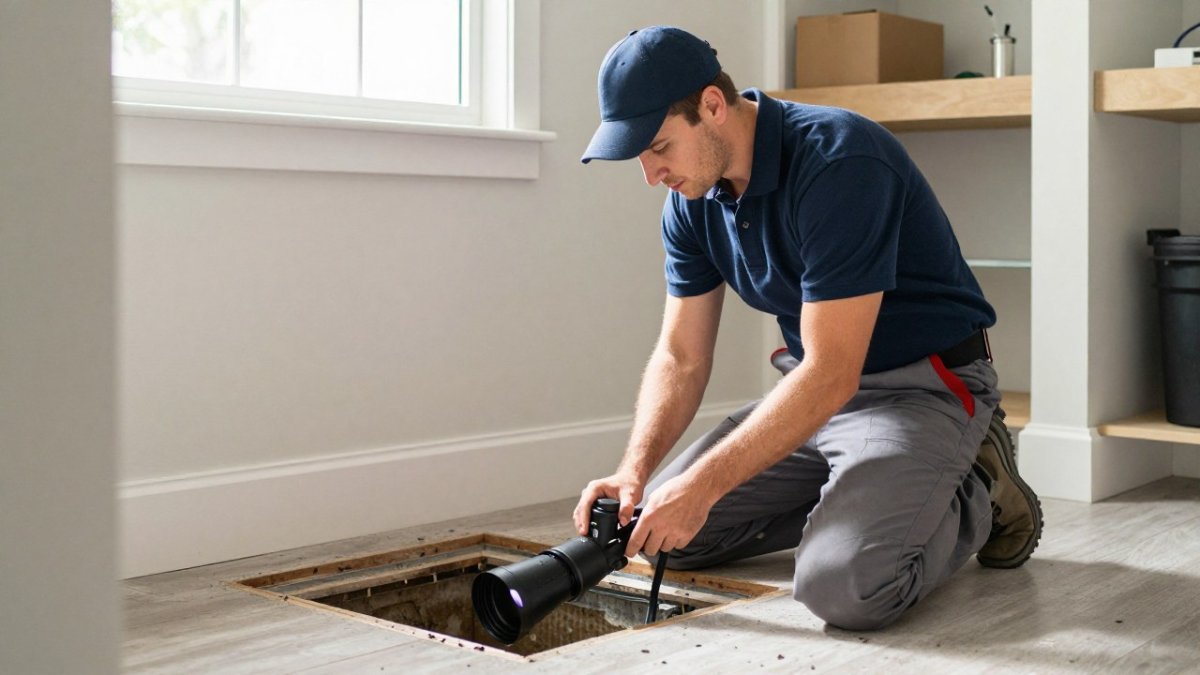
A camera inspection sends a flexible cable with a lighted camera head through a cleanout and down the main line. A useful inspection answers four questions:
- Condition: Is the pipe cracked, collapsed, offset at a joint, or corroded?
- Blockage: Is there grease buildup, root intrusion, or debris, and how far down the line is it?
- Location: How many feet from the cleanout is the problem, so a repair crew can dig or line the right spot?
A camera inspection is not the same as a cleaning. Cleaning removes what is in the line; the camera tells you why it was there and whether the pipe itself needs repair. If you are weighing a cleaning visit, see how long drain cleaning takes before you book.
When a Camera Inspection Is Worth the Cost
A camera inspection is most valuable when you are buying a home, when the same line has backed up twice, when you see soggy patches or sewage odors in the yard, or when a plumber proposes a repair and you want to see the evidence. It is less useful as a routine annual purchase in a newer home with PVC pipe and no trees over the line.
What to Ask During the Visit
- Ask for the camera footage or a recorded file, not just a verbal summary.
- Ask for the distance-to-defect reading in feet from the cleanout.
- Ask whether the line was cleaned before or after the camera run, and why.
!A licensed plumber in work clothes kneeling beside an open basement cleanout while preparing a sewer camera inspection in a well-lit home utility room
Watch out: A camera inspection performed without first clearing standing water or heavy grease can give a misleading picture, ask the plumber to note visibility conditions so you know whether the footage is diagnostic or just a partial look.
The article suggests a simple routine, summarised below so you can see which tasks fall at each interval.
| Interval | Task | Note |
|---|---|---|
| Monthly | Run rarely used drains; clean strainers; check cleanout caps | Catches slow flow early |
| Spring and fall | Clear yard drains; walk yard after heavy rain | Look for soggy spots |
| Annually | Inspect cleanouts and basement or crawlspace; review water bills | Watch for stains and odors |
| Every 2 to 3 years | Sewer camera inspection | Especially homes over 30 years old |
| As needed | Clean main line | After camera shows buildup or roots |
Step 4: Choose Sewer Line Maintenance Products Carefully
Store-bought drain products are tempting because they cost less than a service call, but they are not interchangeable and they are not a substitute for maintenance. The right choice depends on what is clogging the line, what the pipe is made of, and whether the blockage is local or in the main line.
How the Main Product Types Actually Work
- Enzyme cleaners: These contain bacteria or enzymes that digest organic film slowly over days. They are gentler on pipe walls and useful as a routine habit in kitchen and bathroom drains, but they need contact time and standing water to work, and they will not clear a full blockage or a root intrusion.
- Mechanical tools (augers and drain snakes): A hand auger reaches a local clog in a trap or branch line. It does not substitute for a camera inspection on a main line, but it is the right first step for a single slow sink.
- Drain strainers and cleanout caps: The cheapest and most effective products in this category. A strainer catches hair and food before it enters the trap, and a sealed cleanout cap keeps roots, soil, and stormwater out of the line.
Pipe Material Changes the Risk
A common pattern is that homeowners treat all drains the same regardless of what the pipe is made of. Cast iron installed before the 1980s corrodes from the inside and becomes rough, so caustic cleaners can worsen pitting. Clay tile joints shift with soil movement and give roots an entry point that no chemical will fix. PVC and ABS are more chemically resistant, but a strong caustic product can still soften joints over time if it sits in the line.
When a Product Will Make Things Worse
Watch out: Never pour a chemical drain cleaner into a line that is already backing up or into a fixture that drains slowly along with others, the chemical sits against the blockage, can damage the pipe, and creates a splash and burn hazard when the clog finally releases. If a drain keeps clogging after one treatment, the problem is usually deeper in the line, and a professional should look at it.
A Practical Product Routine
- Use strainers in every sink, shower, and tub, and clean them weekly.
- Keep a sealed cleanout cap on every cleanout, and replace a missing cap before the next rain.
- Use an enzyme cleaner monthly in kitchen and bathroom drains only if the line is flowing normally.
Your Sewer Cleaning Checklist and Warning Signs to Watch For
Use this checklist as a quick routine. Check off each item when you finish it.
- Strainers in all sinks and showers are clean
- No wipes, grease or food scraps going down the drain
- Cleanout caps are present and sealed
Warning signs that need prompt attention include sewage backing up into tubs or floor drains, multiple fixtures draining slowly at once, wet or foul-smelling patches in the yard, and sudden sewage smells that do not go away.
When to Call a Professional and Booking Your Next Inspection With Colby Plumbing
Call a licensed plumber if you see backups, repeated clogs, or any warning sign that affects more than one fixture. A camera inspection shows exactly what is happening inside the line, so you do not have to guess.
Colby Plumbing Company LLC is a family-owned business serving the Denver metro area since 1996. Our licensed plumbers handle emergency repairs, inspections and routine maintenance. Contact us today to schedule your next inspection.
Frequently Asked Questions
What can I put in my sewer line to keep it clean?
Only human waste, toilet paper, and water should go into your sewer line. Toilet paper labeled as septic- or sewer-safe breaks down quickly, while wipes, paper towels, feminine hygiene products, and grease do not. Running warm water through sinks and tubs after use helps move small buildup along. For routine upkeep, avoid relying on store-bought chemical additives, since many can damage pipes and harm the bacteria in septic systems. If a clog persists, a licensed plumber can clear it safely with proper equipment.
How do I keep my septic system healthy?
A septic system needs the same basic discipline as a sewer line, plus regular tank pumping. Most households have the tank pumped every three to five years, depending on tank size and how many people live in the home. Conserve water to avoid overloading the drainfield, spread out laundry loads, avoid driving or parking over the drainfield, and keep roots and deep-rooted plants away from it. Never flush wipes or grease, because they build up in the tank and can block the outlet. A septic inspection every one to three years helps catch problems early.
How often should home sewer lines be cleaned?
Most homes do not need routine sewer line cleaning on a fixed calendar, but many homeowners benefit from a professional camera inspection every one to two years, especially in older homes or those with large trees nearby. Schedule cleaning sooner if you notice slow drains across several fixtures, recurring gurgling, or repeated backups. Households with heavy grease use or many occupants may need more frequent attention. A plumber can recommend a cleaning frequency after inspecting the actual condition of your pipes.
How can I prevent tree roots from getting into my sewer line?
Tree roots grow toward moisture and can enter small cracks or loose joints in sewer pipes. Plant new trees and shrubs at a safe distance from the sewer line, typically further away than the tree's expected mature canopy spread, and avoid planting near the path of the pipe. Repair cracks and leaking joints promptly, since they attract roots. If roots are already present, a professional can cut them out and may recommend a pipe repair or liner. Periodic camera inspections help you catch root intrusion before it causes a backup.