 how-to
Avoiding Surprise Plumbing Repair Costs: A Homeowner's Guide
Table of Contents
- Why Avoiding Surprise Plumbing Repair Costs Matters
- Common Hidden Plumbing Costs Homeowners Face
- Signs of Hidden Plumbing Leaks You Shouldn't Ignore
- Build Your Plumbing Maintenance Checklist for Homeowners
- Questions to Ask a Plumber Before Hiring
- How Professional Inspections Prevent Emergency Service Fees
- Protecting Yourself: Warranties, Insurance, and Upfront Pricing
- Conclusion
Last Updated: August 25, 2026
Why Avoiding Surprise Plumbing Repair Costs Matters
A burst pipe at midnight. A slow leak silently destroying your bathroom wall for months. An emergency service call costing three times what you expected. These scenarios are why avoiding surprise plumbing repair costs should be on every homeowner's radar.
Plumbing emergencies don't wait for business hours or your budget. When crisis hits, you're forced to accept whatever price a plumber quotes because the alternative, water flooding your home, is far worse. But many "emergencies" could have been prevented or anticipated with the right approach.
At Colby Plumbing Company LLC, we've worked with homeowners blindsided by unexpected plumbing bills. The common thread: they didn't know warning signs to watch for, didn't maintain systems proactively, and didn't understand how to get transparent pricing upfront. This guide walks you through strategies that actually work to keep plumbing costs predictable and manageable.
Water damage from plumbing failures can cost tens of thousands of dollars. Emergency service fees can double or triple routine work costs. Outdated piping in older homes can fail catastrophically without warning. The good news: most financial surprises are preventable if you know what to do.
Common Hidden Plumbing Costs Homeowners Face
Surprise plumbing repair costs often come from places homeowners never anticipate.
Water damage mitigation is one of the most expensive consequences. A small leak behind a wall might seem minor until you discover mold, structural rot, or ruined insulation. By the time you notice water stains, damage has often accumulated for weeks or months. The repair bill jumps from a simple leak fix to full remediation work, replacing drywall, treating mold, and replacing flooring.
Emergency service fees represent another major hidden cost. Calling a plumber at 2 a.m. on a Sunday costs significantly more than scheduling service during business hours. What would cost $150 during the day might run $400 or more in an emergency.
Fixture replacement often surprises homeowners because a single failing component can require replacing an entire fixture. A leaking faucet seems simple until the plumber discovers the valve is corroded and can't be isolated. Now you're replacing the whole faucet instead of just repairing it.
Outdated piping in homes built before the 1980s creates persistent hidden costs. Galvanized steel pipes corrode from the inside out. Polybutylene plastic pipes become brittle and fail without warning (the EPA). Homeowners with these pipes face recurring leaks, low water pressure, and eventual full replacement, which is expensive and invasive.
Sewer line issues are perhaps the most expensive surprise. Tree roots infiltrate old clay or cast iron sewer lines. Settling soil causes pipes to crack. A backed-up toilet might signal a collapsed sewer line requiring excavation and replacement, easily exceeding $10,000.
Small problems compound into expensive ones when ignored or discovered too late.
Signs of Hidden Plumbing Leaks You Shouldn't Ignore
Hidden plumbing leaks damage your home long before you notice them. Learning to spot early warning signs can save you thousands in water damage mitigation costs.
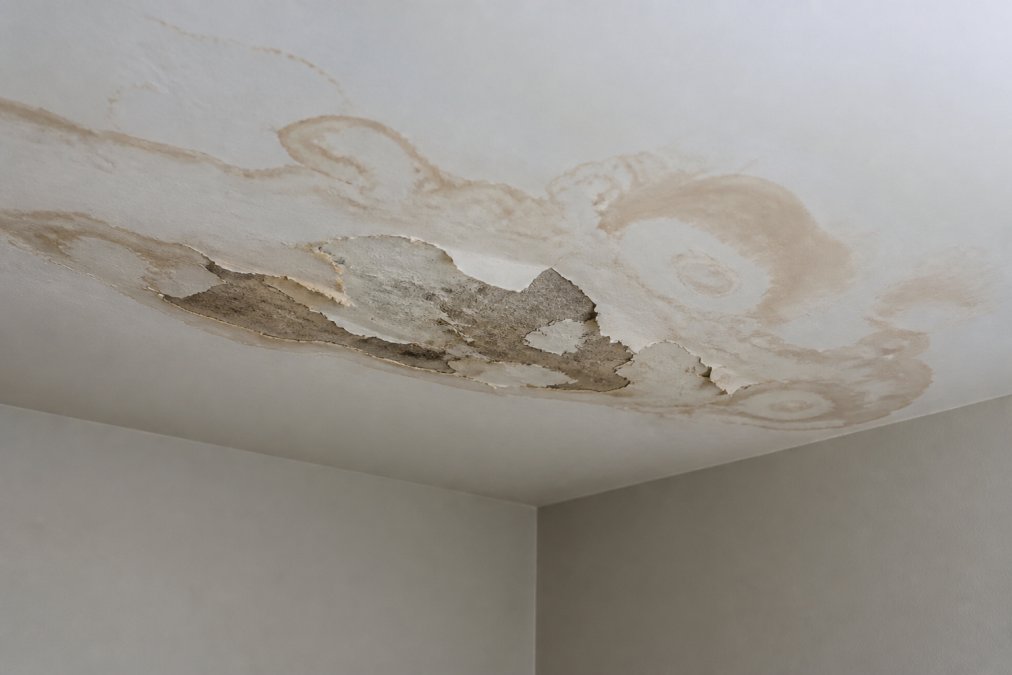
Water stains on ceilings or walls are the most obvious indicator. Brown, yellow, or dark patches on drywall suggest water has been seeping through for some time. If you see them, water damage is already happening. Have a professional inspect immediately.
Soft or spongy flooring indicates water has saturated the subfloor. Press on your bathroom or kitchen floor near fixtures. If it feels bouncy or gives under pressure, moisture is present. Once flooring becomes soft, structural damage is underway.
Musty odors in walls or crawl spaces signal mold growth from moisture. If you smell something earthy or unpleasant in areas without obvious water exposure, a hidden leak is likely the culprit.
Unexplained increases in your water bill often point to hidden leaks. If your usage hasn't changed but your bill has jumped 20-30%, water is escaping somewhere. Check your water meter: if it continues running when all fixtures are off, you have a leak.
Visible mold or mildew on walls, under sinks, or in crawl spaces indicates persistent moisture. The presence of mold means a leak has been active for weeks or longer.
Discolored or corroded pipes visible in basements or under sinks show advanced deterioration. If you see white, green, or orange buildup on copper or galvanized pipes, corrosion is active.
Act on these signs early. A small leak caught in week one costs far less than the same leak discovered three months later.
Build Your Plumbing Maintenance Checklist for Homeowners
Preventative maintenance is the most cost-effective way to avoid surprise plumbing repair costs. A simple routine inspection schedule catches problems before they become emergencies.
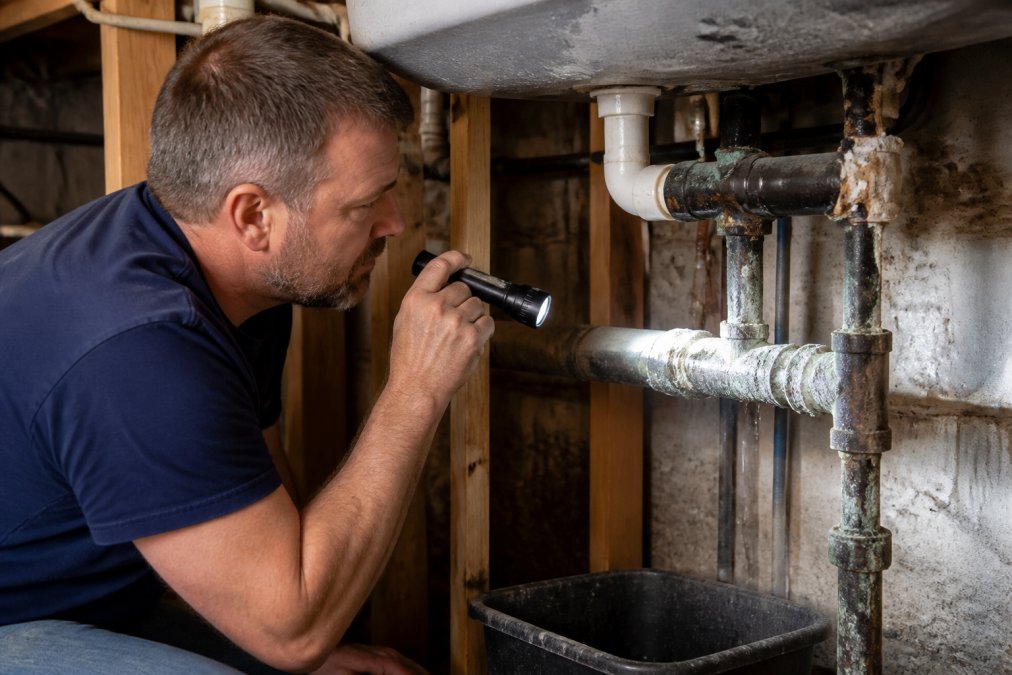
Monthly checks should focus on visible fixtures and obvious leaks. Look under sinks for water pooling or drips. Check toilet tanks for continuous running. Feel around water heater bases for moisture. These quick inspections take 10 minutes and catch most obvious problems early.
Quarterly inspections go deeper. Turn off water at individual fixtures and listen for drips. Check water pressure at different fixtures; low pressure in multiple areas suggests a system-wide issue. Inspect visible piping in basements or crawl spaces for corrosion, mineral buildup, or leaks.
Annual professional inspections are invaluable. A licensed plumber can identify problems invisible to homeowners: internal pipe corrosion, early-stage leaks behind walls, water heater condition, sewer line health. Catching one problem during an inspection typically pays for the inspection many times over.
Seasonal maintenance prevents winter and summer emergencies. Before winter, insulate exposed pipes in unheated areas to prevent freezing. In spring, check for water damage from winter freeze-thaw cycles.
Water heater maintenance extends equipment life and prevents failure. Drain sediment from the tank annually. Check the temperature and pressure relief valve. Inspect the anode rod. These simple steps add years to water heater life.
| Maintenance Task | Frequency | Time Required | Priority |
|---|---|---|---|
| Check under sinks for leaks | Monthly | 5 minutes | High |
| Listen for running toilets | Monthly | 2 minutes | High |
| Inspect visible pipes for corrosion | Quarterly | 10 minutes | Medium |
| Check water pressure | Quarterly | 5 minutes | Medium |
| Drain water heater sediment | Annually | 30 minutes | High |
| Professional plumbing inspection | Annually | 1-2 hours | High |
| Insulate pipes before winter | Seasonally | 1-2 hours | Medium |
| Check for water stains | Quarterly | 10 minutes | High |
Homeowner maintenance discipline prevents most emergency situations.
Questions to Ask a Plumber Before Hiring
Getting transparent answers before work begins is essential to avoiding surprise plumbing repair costs.
"Can you provide a written estimate before starting work?" This is non-negotiable. A reputable plumber will inspect the problem, provide a detailed written estimate, and get your approval before proceeding. The estimate should itemize labor, materials, and any additional costs.
"What's included in your service call fee?" Some plumbers charge a diagnostic fee that's credited toward repairs if you hire them. Others charge a flat service call fee regardless. Understand this upfront.
"Are there any additional costs I should expect?" Ask about potential complications. If they're opening walls to access pipes, will that require drywall repair? A good plumber will explain likely scenarios and associated costs.
"What warranty do you offer on your work?" Reputable plumbers stand behind their work. Ask specifically how long the warranty lasts and what it covers. At Colby Plumbing Company LLC, we back our work with a 100% satisfaction guarantee, if something isn't right, we fix it.
"Are you licensed and insured?" Verify their credentials. Ask to see their license and proof of insurance. Licensed plumbers have met training and competency standards.
"How long will this repair last?" Understanding the expected lifespan of a repair helps you budget for future work.
"What payment methods do you accept?" Confirm they accept your preferred payment method and ask if they offer financing options for larger jobs.
"Can you provide references from recent customers?" A quick call to a reference can confirm whether they charge fairly and deliver quality work.
The questions you ask upfront directly determine whether you'll face surprise plumbing repair costs later.
How Professional Inspections Prevent Emergency Service Fees
Professional plumbing inspections catch problems before they become emergencies, which means you avoid expensive emergency service fees entirely.
An emergency plumbing call typically costs two to three times more than the same repair scheduled during business hours (bls.gov). A $200 repair becomes a $600 emergency call.
Professional inspections identify vulnerabilities before they fail. A plumber using video inspection equipment can see inside pipes without excavation, revealing corrosion, tree root intrusion, or structural damage. They can assess water heater condition, check for leaks in hard-to-reach places, and evaluate sewer line health.
A professional plumbing inspection costs between $150-300. That single inspection can identify a problem that, if left undiscovered, would cost $3,000 in water damage or $5,000 in emergency sewer line repair. The inspection pays for itself many times over by preventing even one emergency.
Inspections also provide documentation. When you eventually sell your home, having records of professional inspections demonstrates you've maintained the plumbing system responsibly.
Schedule inspections when you're not in crisis mode. Spring and fall are ideal, after winter's freeze-thaw cycles and before summer usage peaks.
Protecting Yourself: Warranties, Insurance, and Upfront Pricing
Three layers of protection help you avoid financial surprises: warranties on work performed, homeowner insurance coverage, and transparent upfront pricing.
Warranties on plumbing work protect you if repairs fail prematurely. Reputable plumbers warrant their labor for a defined period, typically one to five years. If a repair fails within the warranty period, they'll fix it at no charge. A plumber willing to warranty their work has confidence in their quality.
Homeowner insurance covers certain plumbing emergencies but not all. Most policies cover sudden, accidental damage like burst pipes or water heater failure. However, they typically do NOT cover damage from neglected maintenance or gradual leaks. Review your policy to understand what's covered and what exclusions apply.
Upfront pricing transparency is your strongest protection. A detailed written estimate before work begins eliminates surprise costs. The estimate should specify exact labor cost, specific materials and their costs, any additional fees, timeline for completion, and what happens if complications are discovered.
Get multiple estimates for major work. Three estimates from different plumbers give you a sense of fair pricing in your area. If one estimate is dramatically lower than others, ask why.
Payment terms matter. Some plumbers require 50% upfront and 50% upon completion. Others bill upon completion only. Understand the terms before work begins.
The combination of warranties, insurance awareness, and transparent upfront pricing creates a safety net that prevents most financial surprises.
Conclusion
Avoiding surprise plumbing repair costs comes down to three core strategies: maintaining your systems proactively, asking the right questions before hiring, and understanding what protection you have in place.
Colby Plumbing Company LLC has spent three decades helping homeowners in the Denver metro area prevent plumbing emergencies. Our licensed professionals perform thorough inspections, provide detailed written estimates, and back every job with our 100% satisfaction guarantee.
The EPA's water conservation guidance emphasizes that early leak detection saves both water and money. Don't wait for a crisis. Contact Colby Plumbing Company LLC today for a professional plumbing inspection and get peace of mind knowing your systems are in good condition.
Frequently Asked Questions
Q: How can I tell if a plumber is overcharging me for repairs?
A: Request a written estimate before work begins and ask for a breakdown of labor, materials, and service call charges. Compare the estimate against quotes from other licensed plumbers in your area. Watch for vague descriptions like 'miscellaneous fees' or pressure to authorize work immediately. A reputable plumber will provide upfront pricing and explain what each charge covers. Ask about their hourly labor rates and whether they charge differently for emergency service versus standard appointments.
Q: What are the most common hidden plumbing issues that lead to high repair costs?
A: Outdated piping, corroded pipes, and undetected leaks are the biggest culprits. Water pressure issues caused by mineral buildup or failing regulators can damage fixtures silently. Sewer line problems, tree root intrusion, and deteriorating connections often go unnoticed until they cause major backups. Hidden leaks behind walls or under floors cause water damage and mold growth, multiplying repair costs. Regular plumbing inspections catch these issues early, preventing expensive emergency repairs and water damage mitigation.
Q: How does regular maintenance help in avoiding surprise plumbing repair costs?
A: Preventative maintenance extends your plumbing system longevity and catches small problems before they become expensive failures. Routine checkups identify leaks, corrosion, and failing fixtures early when repairs are cheaper. Drain cleaning prevents backups that require costly sewer line work. Inspecting water pressure, checking for leaks, and testing fixtures regularly keeps your system efficient. Professional assessments provide cost-effective solutions by addressing issues proactively rather than reactively during emergencies when service call charges are highest.
Q: What questions should I ask a plumber before hiring them for a major repair or remodel?
A: Ask about their licensing, insurance, and warranty coverage on parts and labor. Request a detailed written estimate and clarify what happens if costs exceed the estimate. Ask about their experience with your specific issue and whether they guarantee their work. Inquire about their response time for emergencies and whether they charge extra for nights and weekends. Ask for references from recent jobs and confirm they're a licensed plumber with verifiable credentials. Understanding these details upfront prevents misunderstandings and unexpected charges later.
This article was written using GrandRanker