 how-to
Prevent Basement Water Damage: 7 Best Practices
Table of Contents
- Inspect Your Foundation for Cracks and Water Entry Points
- Downspout and Gutter Maintenance: Your First Line of Defense
- Improve Soil Grading and Direct Surface Runoff Away from the Foundation
- Sump Pump Maintenance and Backup Power Systems
- Install Basement Drainage Solutions for Long-Term Protection
- How to Prevent Basement Flooding: Landscaping and Waterproofing
- Diagnose the Source of Basement Water and Know When to Call a Professional
- Frequently Asked Questions
Last Updated: October 19, 2026
Inspect Your Foundation for Cracks and Water Entry Points
To prevent basement water damage, you must start at the foundation.
Look for visible cracks, especially horizontal ones or those wider than 1/8 inch.
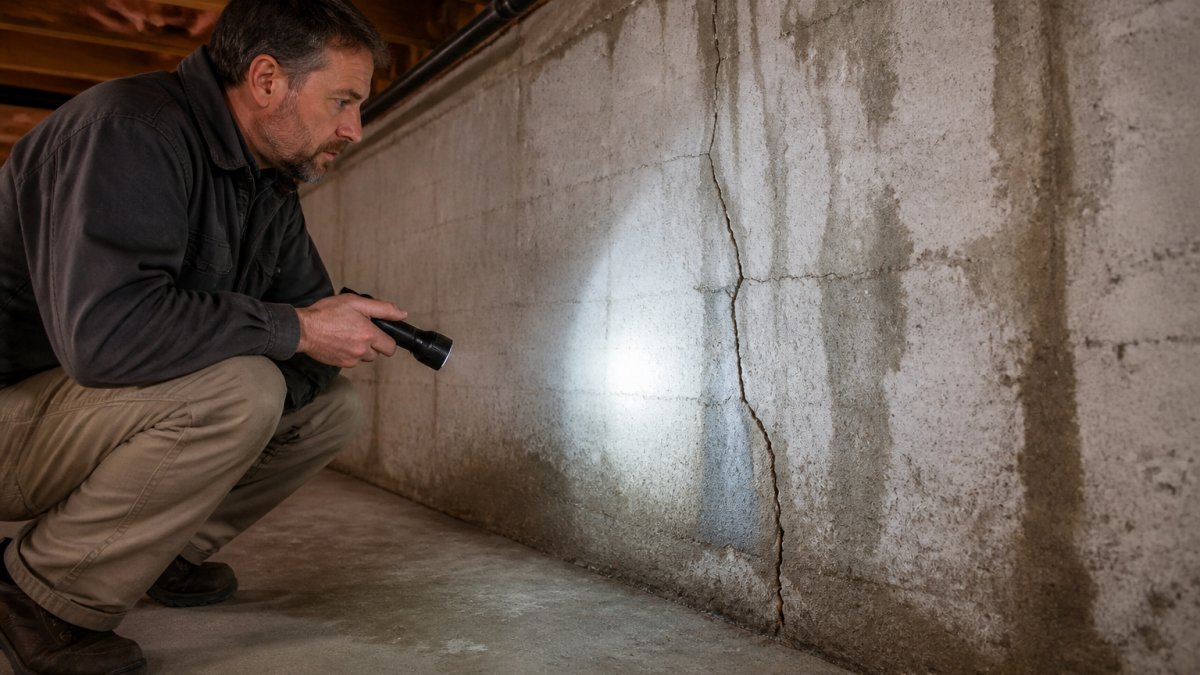
Watch for efflorescence, a white, chalky substance on concrete. It indicates water has already moved through the foundation.
Common problem areas include:
- Cracks running horizontally across the wall
- Gaps where the foundation meets the rim joist
- Deteriorated caulk around basement windows
Seal cracks promptly: small ones with concrete caulk, larger ones with professional repair.
Downspout and Gutter Maintenance: Your First Line of Defense
Gutters and downspouts are essential to prevent basement water damage by directing water away from your foundation.
Clean gutters at least twice a year, in spring and fall, and check that they slope slightly toward downspouts so water doesn't sit.
Extend downspouts so water discharges at least 4-6 feet from the foundation; short or missing extensions dump water against the foundation, where it seeps down to the basement.
Consider these gutter upgrades:
- Install gutter guards to reduce debris buildup
- Add downspout extensions or underground piping
- Use splash blocks to direct water further from the foundation
Replace rusted, holed, or damaged sections. Proper downspout and gutter maintenance prevents water from ever reaching your foundation.
Improve Soil Grading and Direct Surface Runoff Away from the Foundation
If the ground slopes toward your foundation, surface runoff flows directly at your basement walls. Poor grading is a common cause of basement flooding.
Check grading by observing where water pools after heavy rain. If it collects near the foundation, add soil to raise the grade.
Steps to fix grading issues:
- Add topsoil and compact it firmly around the foundation
- Slope it away from the house at least 10 feet out
- Plant grass or landscape to hold the soil in place
Remove mulch piles, wood chips, and landscape edging that trap moisture against the foundation, and keep these materials at least 12 inches from the house.
Sump Pump Maintenance and Backup Power Systems
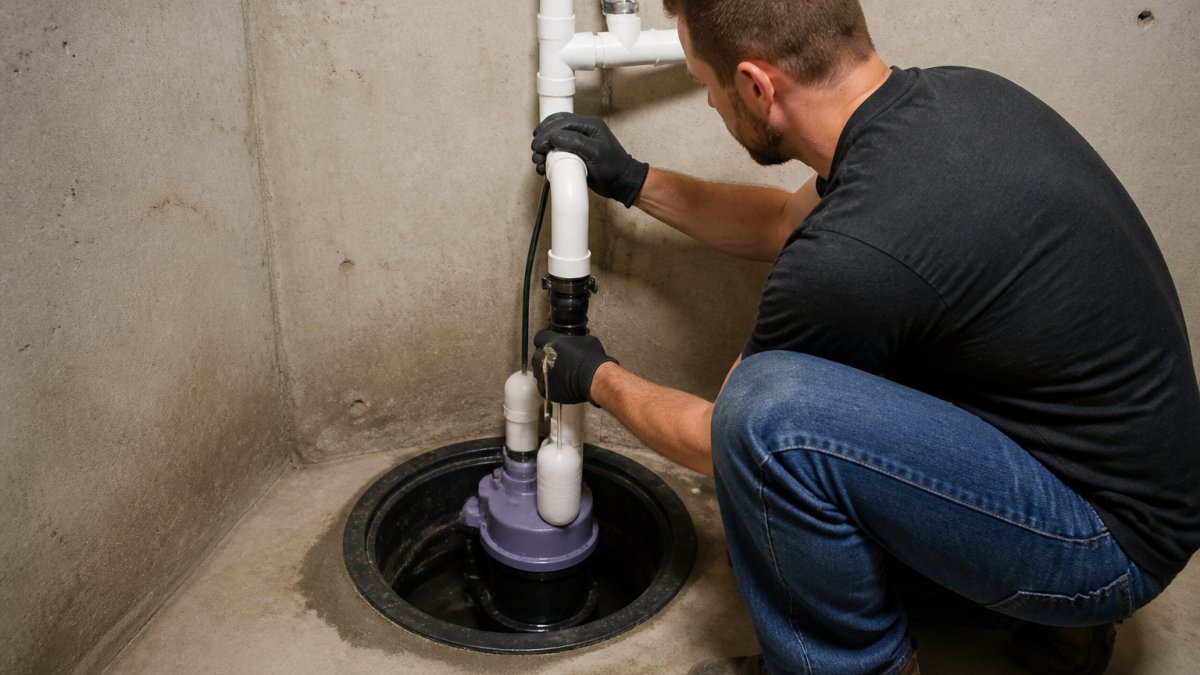
A sump pump is only as reliable as its last test. Most basement flooding attributed to pump failure involves a pump that was never checked, or a backup system never exercised under load.
Know which system you have
Before testing, identify the setup. Common configurations include:
- Primary pedestal or submersible pump plugged into a dedicated GFCI outlet, with a float switch that triggers at a set water level.
- Battery backup pump with its own float switch, a separate discharge line, and a deep-cycle or AGM battery maintained by a trickle charger.
- Combination unit with a single controller that runs the primary pump on AC power and switches to the backup pump and battery when power is lost.
Confirm the discharge line is separate from the primary pump's where the manufacturer requires it; sharing a line can cause backflow that defeats the backup.
Monthly five-minute test
- Fill the basin with a bucket until the float rises. The primary pump should start before water reaches the top of the basin and shut off cleanly as the level drops.
- Listen for grinding, rattling, or short cycling. A pump that runs but doesn't move water usually has a clogged intake screen or a blocked or frozen discharge line.
- Lift the float by hand to confirm the switch trips without sticking, a hanging float is the most common cause of a pump that never runs.
- Press the test button on the backup controller (if equipped) and confirm the alarm sounds and the backup pump engages.
- Check the outside discharge outlet: water should flow well away from the foundation, not pool at the wall.
Quarterly and annual maintenance
- Quarterly: Pull the pump, clean the intake screen and basin floor of silt and gravel, and verify it sits level on a solid base. Confirm the check valve holds, water in the discharge line should not drain back after the pump stops.
- Annually, before storm season: Inspect the discharge line for cracks, ice damage, and separation at joints. Confirm it slopes continuously to its outlet and doesn't terminate where it drains back toward the foundation. Test the GFCI outlet with its test and reset buttons.
- Battery backup annually: Load-test the battery rather than trusting the indicator light. With the primary unplugged, run the backup until the basin empties, then confirm the charger returns it to full. Replace deep-cycle batteries on the manufacturer's schedule, commonly every three to five years, and sooner if the load test shows shortened run time.
Power-outage readiness
- Confirm the backup battery charger is on a circuit that stays energized during outages; a charger on a switched outlet or a GFCI that trips will leave the battery flat when needed.
- Keep a portable generator or charged power station as a secondary option, and know how to connect the pump safely, never run a generator indoors or in an attached garage.
- Consider a high-water alarm in the basin or on the floor near it; it warns before water reaches finished surfaces and is inexpensive relative to the damage it can prevent.
When to repair versus replace
Repair or replace immediately if the pump runs continuously without clearing the basin, trips the GFCI repeatedly, grinds, or fails the float test after cleaning. A pump that has handled a major flood has likely run beyond its design life and should be evaluated for replacement even if it still operates. Keep the manual and model number with your maintenance records so parts and batteries can be sourced quickly.
Install Basement Drainage Solutions for Long-Term Protection
Interior and exterior drainage systems provide permanent protection against groundwater intrusion, handling water that reaches your foundation.
An interior drain, or French drain, runs along the inside of the foundation perimeter beneath the floor, collecting water at basement floor level and channeling it to the sump pump before it spreads.
Exterior drainage intercepts groundwater before it reaches the foundation. A perimeter drain at the footer level outside the home uses gravel and drainage pipe to direct water into a storm drain or daylight outlet.
Both systems require professional installation. The choice depends on your situation:
- High water table or previous flooding: exterior drain recommended
- Finished basement or limited exterior access: interior drain preferred
- Severe groundwater issues: both systems combined
How to Prevent Basement Flooding: Landscaping and Waterproofing
Trees, shrubs, and plantings should not trap moisture against the foundation or create low spots where water collects.
Waterproof coatings and sealants add a barrier. Interior sealants fill hairline cracks and pores in concrete, they don't stop active intrusion but help with minor seepage.
For how to prevent basement flooding in your specific situation, consider:
- Interior sealant for minor seepage and condensation
- Exterior waterproof coating during foundation repair
- Combination approach for high-risk properties These methods provide a necessary foundation for long-term protection, especially if you intend to waterproof your basement before installing drywall or flooring.
Waterproofing materials vary in durability. Some last 10-15 years. Others require reapplication. Discuss longevity and maintenance with a professional before choosing a product.
Diagnose the Source of Basement Water and Know When to Call a Professional
Choosing a fix before identifying the source is the most common way homeowners waste money on basement waterproofing. Groundwater, surface runoff, plumbing leaks, and sewer backup each call for a different response, and the wrong fix can mask the problem while damage continues.
Start with a water-event log
For two to four weeks, record the date and time of any water, the weather at the time, and where it appears. Patterns do most of the diagnostic work:
- Appears during or within hours of rain, then dries: surface runoff or a direct entry point such as a crack, window well, or basement door.
- Appears one to several days after rain, or persists in wet seasons: groundwater seepage through the floor or wall.
- Appears regardless of weather, often near a fixture or along a pipe route: plumbing leak or a failed supply or drain line.
Match the pattern to the mechanism
- Surface runoff follows grading, gutters, and downspouts. Look for staining or efflorescence high on the wall, water at the base of window wells, and dampness concentrated on the side of the house where downspouts discharge. If extending a downspout or regrading a low spot changes the pattern, runoff is confirmed.
- Groundwater moves through the foundation itself. Look for a white chalky bloom (efflorescence), damp patches that spread upward from the floor-wall joint, and water that appears in the same spot every wet season. A steady seep that does not track with individual storms points to groundwater.
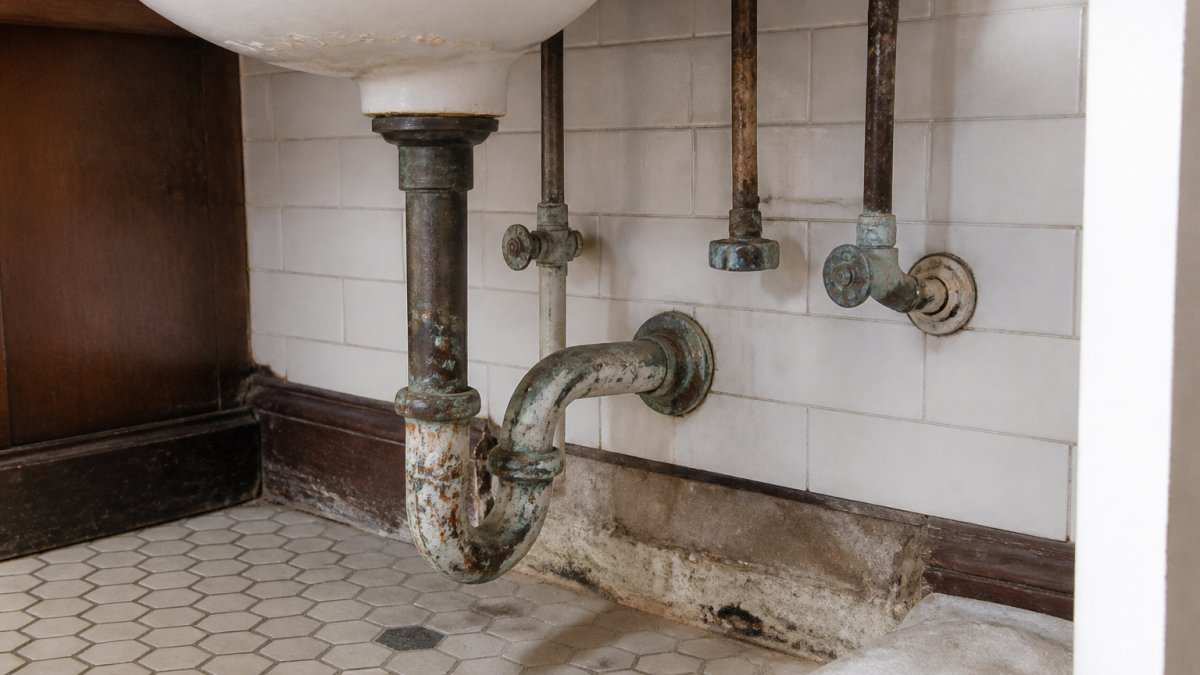
- Plumbing leaks are localized. Check the water meter with all fixtures off, movement indicates a supply-side leak. Look for staining under sinks, around the water heater, and along the path of drain lines. A musty smell near a wall that backs onto a bathroom is a clue.
Decide between DIY and professional help
Some causes are within reach of a careful homeowner: extending downspouts, regrading a low spot, sealing a hairline crack, cleaning gutters, running a dehumidifier. Others are not: active groundwater seepage, sewer backup, widening foundation cracks, and any source still unclear after a few weeks of observation.
Call a licensed professional when:
- Cracks are wider than 1/4 inch, horizontal, or actively leaking.
- Water persists after you have corrected grading, gutters, and downspouts.
- You cannot tell groundwater from surface runoff after logging the pattern.
Document before you call
Photograph every damp spot, crack, and stain with a date reference, and keep the water-event log with the photos. Documentation helps a professional diagnose faster, supports insurance claims, and establishes a maintenance record.
At Colby Plumbing Company LLC, we start with the source, not the product. Our licensed professionals review your observations, inspect the foundation and drainage, and explain which fix addresses the actual cause, then handle the work with the same care we would use on our own homes.
Frequently Asked Questions
How often should you test a basement sump pump?
Test your sump pump monthly during the dry season and before heavy rain events. Pour water into the pit to verify the pump activates and discharges properly. Annual professional inspection is also recommended to catch wear before failure. Battery backup systems should be tested quarterly to ensure they function if power is lost during an emergency.
How can you tell whether basement water is coming from plumbing or outside?
Water from plumbing leaks typically appears near pipes, fixtures, or water heaters and may smell fresh. Groundwater and surface runoff seep through foundation cracks, window wells, or the basement floor itself and often carries soil odor. If water appears after heavy rain or snowmelt, it's likely external. Check gutters, downspouts, and grading first. If you're unsure, a professional can identify the source and recommend the right solution.
What is the cheapest way to prevent basement water damage?
Start with free or low-cost measures: clean gutters and extend downspouts at least 4-6 feet from the foundation, grade soil away from the house, and seal visible foundation cracks with caulk or hydraulic cement. Inspect regularly for early signs of water intrusion. These preventive steps often stop minor water problems before they become expensive. For persistent issues, professional assessment of drainage or interior sealants may be necessary.
When should you call a plumber about basement water?
Call a professional if water appears after inspecting gutters and grading, if you notice active seepage during or after rain, or if cracks are widening. Persistent dampness, mold growth, or standing water requires immediate attention. If your sump pump fails or you suspect a plumbing leak is the source, professional diagnosis and repair prevent further damage. Many issues caught early cost less to fix than damage from prolonged water exposure.