 listicle
Benefits of Family Owned Plumbers: Why Local Matters
Table of Contents
- Why Family Owned Plumbers Deliver Different Results
- Direct Accountability and Personal Relationships
- Consistent Technician Quality and Expertise
- How to Verify Plumbing License and Insurance Before Hiring
- Transparent Pricing and Fair Market Rates
- Key Questions to Ask a Plumber Before Hiring
- Community Ties and Long-Term Reputation
- Conclusion
Last Updated: August 27, 2026
Why Family Owned Plumbers Deliver Different Results
When you call a family-owned plumbing business, you're connecting with people who've built their reputation in your community over decades. Family owned plumbers operate under different incentives than large national chains, their name is literally on the door. A single unhappy customer affects the family's livelihood and standing with neighbors who know them personally.
This matters because the difference between a contractor passing through and one with roots in your community shows up in response times, quality of work, and what happens when something goes wrong. At Colby Plumbing Company LLC, we've served the Denver metro area since 1996 because doing right by customers isn't a policy, it's how we stay in business. Below, we'll show you exactly why family owned plumbers consistently outperform larger competitors on accountability, reliability, and fair dealing.
Direct Accountability and Personal Relationships
Family owned plumbers answer directly to the people they serve. There's no corporate bureaucracy filtering complaints or deflecting responsibility. When the owner trained the technician and faces customers at the grocery store, accountability is structural.
A national chain might require you to file a claim and wait for reimbursement. A family-owned business owner has a conversation with you, acknowledges what went wrong, and fixes it. One customer called at 5:30 p.m. on a Friday, had a plumber arrive within 90 minutes, and was charged exactly what was quoted, no hidden fees or scope creep (the American Academy of Dermatology).
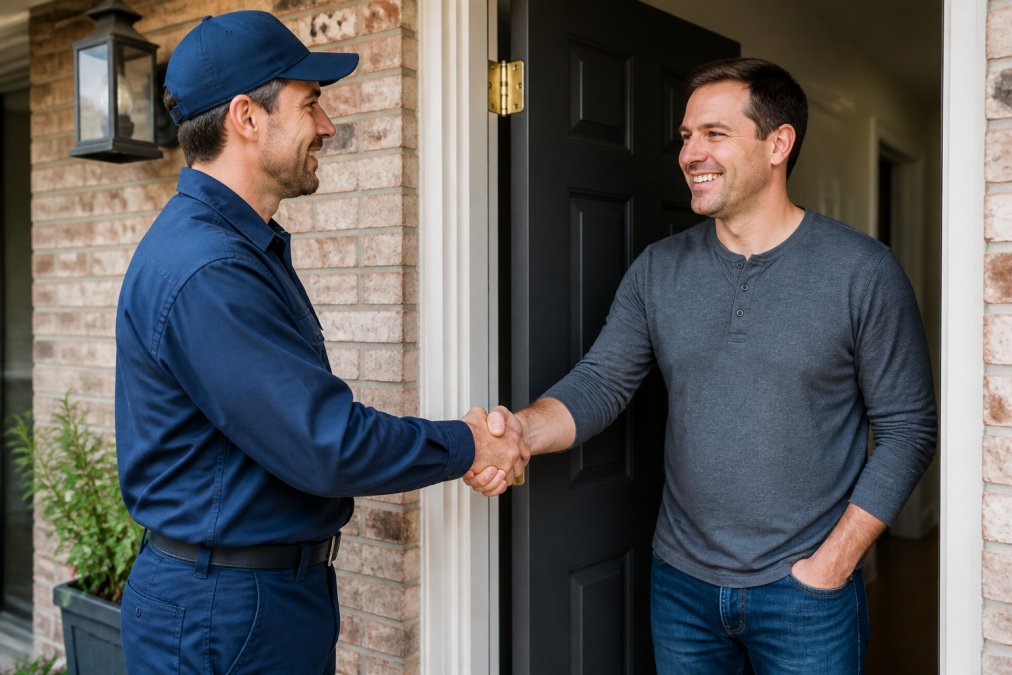
The personal relationship changes how communication flows. You're not a ticket number. The plumber knows your address, your history with the company, and often your family's situation. That institutional knowledge saves time and prevents unnecessary work.
Transparency in pricing emerges naturally from this direct relationship. A family-owned plumber has to look you in the eye and explain why something costs what it does. A large contractor's technician follows a pricing formula set by corporate. When a homeowner asked about surprise charges, one client noted the plumber arrived when promised, finished when promised, and charged exactly the quoted amount.
Consistent Technician Quality and Expertise
Family owned plumbers typically employ the same team for years. The owner knows each technician's strengths, has trained them personally, and maintains quality through direct oversight. Large national chains rotate technicians based on availability, so you might get a different person each time.
Family-owned businesses typically send the same technician when possible, which means they remember what they installed, what problems you've had, and what approaches worked before. The expertise in family owned plumbers often runs deeper in specific areas. Many have spent decades mastering their trade in a particular region and know local codes, common issues in homes built during specific eras, and how to work with local inspectors.
Quality control in a family-owned business is personal. The owner's reputation depends on every job. If a technician does sloppy work, the owner hears about it directly and the customer sees the same owner or a trusted senior technician for follow-up.
How to Verify Plumbing License and Insurance Before Hiring
Before hiring any plumber, verify their credentials to protect yourself legally and ensure they're qualified.
Check the plumber's license. Search your state's licensing board website using the plumber's name or company name. You should find their license number, issue date, and any complaints or disciplinary actions. If a plumber can't provide a license number or it doesn't check out, don't hire them.
Confirm insurance coverage. Ask for proof of general liability insurance and workers' compensation insurance. Request a certificate of insurance showing coverage amounts and policy dates. General liability protects you if the plumber damages your property (iii.org). Workers' compensation protects you if a technician is injured on your job (dol.gov).
Ask for references from recent work. Request names and contact information of customers from jobs completed in the last 6-12 months. Call them and ask specific questions: Did the plumber show up on time? Was the work done correctly? Did they charge the quoted amount?
Check online reviews and the Better Business Bureau. Read reviews on Google, Yelp, and the Better Business Bureau website. Look for patterns in feedback and pay attention to how the business responds to negative reviews.
Request a written estimate before work begins. The estimate should detail the work to be done, materials, labor costs, and total price so there are no surprises when the invoice arrives.
Transparent Pricing and Fair Market Rates
Pricing transparency is where family owned plumbers typically excel. When the owner is setting prices and the customer is someone they might see at the hardware store, inflated charges become harder to justify. Fair market rates reflect actual costs plus reasonable profit.
Emergency pricing is a common friction point. When you have a burst pipe at midnight on a Sunday, you're vulnerable to price gouging. Family-owned plumbers in your community know they'll see you again and that word-of-mouth reputation is their primary marketing tool. Emergency pricing might be higher than standard rates, but it's usually reasonable and disclosed upfront.
The relationship aspect also means you can negotiate or ask questions about pricing without feeling like you're dealing with an automated system. A family-owned business owner is often willing to have that conversation because they want you to understand the decision and feel confident in it. One homeowner noted that the company remained on time and reasonably priced across multiple jobs and delivered great work consistently.
Key Questions to Ask a Plumber Before Hiring
Before you hire any plumber, ask these questions to understand their experience, approach, and what to expect.
How long have you been in business, and what's your experience with my specific problem? This reveals whether they have relevant expertise. A plumber serving your area for 20 years likely understands common issues in homes like yours.
Are you licensed and insured? Listen to how they answer. A straightforward answer with specific details is a good sign. Hesitation is a red flag.
What's included in your service call fee? Some plumbers charge a diagnostic fee that applies toward the repair. Others charge a flat service call fee separate from repair costs. Know the difference before they arrive.
Can you provide a written estimate before starting work? Any plumber should assess the problem and provide a written estimate before beginning repairs.
What's your warranty or guarantee on the work? Ask what happens if the repair fails or the problem recurs. One customer received a 100% satisfaction guarantee, which gave them confidence that problems would be addressed if they arose.
Do you handle emergency calls, and what's your typical response time? One customer called at 5:30 p.m. on a Friday and had a plumber on site within 90 minutes.
Will you work with my contractor or architect if I'm doing a remodel? The plumber needs to coordinate with other trades on remodel work.
Can you provide references from recent jobs? Legitimate plumbers can provide contact information for recent customers.
| Question | Why It Matters | What to Listen For |
|---|---|---|
| How long in business? | Reveals local expertise and stability | Specific years of service in your area |
| Licensed and insured? | Protects you legally | Clear license number and proof of insurance |
| What's included in the service call? | Avoids surprise fees | Specific breakdown of charges |
| Written estimate available? | Prevents scope creep and surprises | Willingness to provide detailed estimate |
| Warranty on work? | Shows confidence in quality | Clear terms for follow-up if problems arise |
| Emergency response time? | Critical for urgent situations | Specific timeframe (e.g., within 2 hours) |
| Remodel experience? | Ensures coordination with other trades | Examples of similar projects completed |
| References available? | Allows you to verify quality | Recent customer contacts you can reach |
Community Ties and Long-Term Reputation
A family-owned plumbing business lives in the community it serves. The owner's kids go to the local school. They shop at the neighborhood grocery store. Their reputation is built through thousands of small interactions with people who know them personally.
This creates accountability that no corporate policy can replicate. When a plumber is part of the community's fabric, cutting corners or overcharging customers has real social consequences. Word spreads fast among neighbors and contractors. A family-owned business operating for decades in the same area has survived because they've earned trust through consistent, honest dealings.
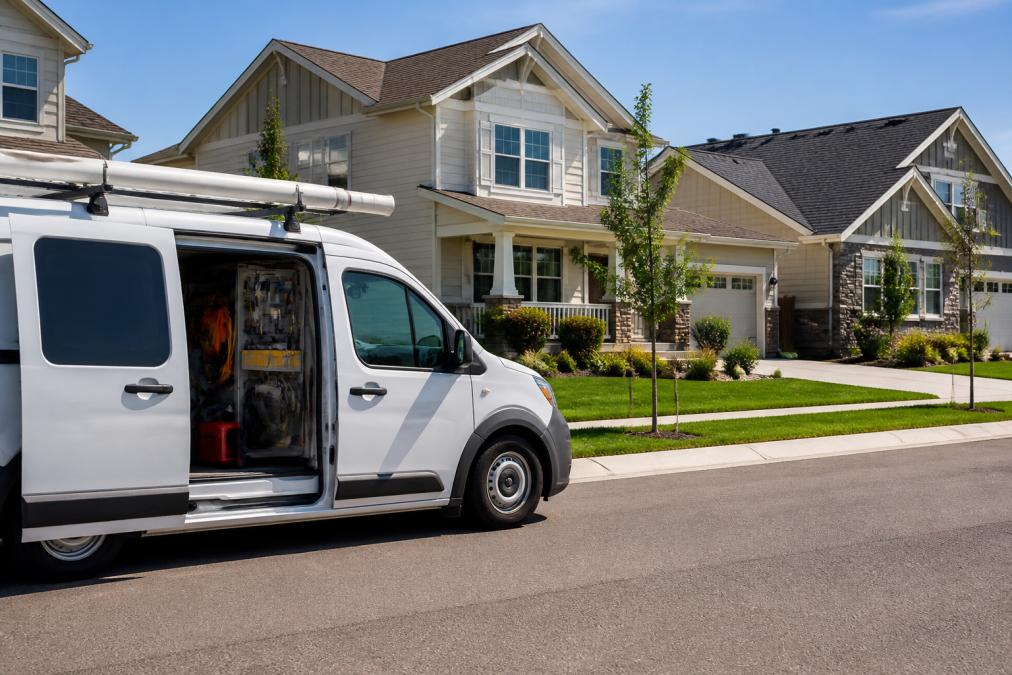
Community ties also mean the business is invested in the area's long-term health. They're not extracting value and moving on. A family owner thinking about what they'll hand to their children is more likely to prioritize quality and reputation than short-term profit maximization.
Generational knowledge transfer is a unique advantage of family-owned plumbing businesses. When a second or third generation takes over, they inherit the relationships, technical knowledge accumulated over decades, and understanding of how local plumbing systems work. They know which contractors are reliable, which inspectors have particular standards, and which approaches have proven successful in your area.
Local reputation also means you can verify the business's track record through personal networks. Ask your neighbors, local contractors, or real estate agents about plumbers they trust. In a community, family-owned businesses with solid reputations get recommended repeatedly because people have direct experience with their work.
Conclusion
Choosing family owned plumbers means investing in a relationship with people who have genuine accountability for their work and a stake in your community's trust. The benefits, direct communication, consistent quality, transparent pricing, and genuine emergency responsiveness, reflect a business model fundamentally different from national chains. When you need reliable plumbing service, Colby Plumbing Company LLC brings 30 years of local expertise, licensed seasoned professionals, and a 100% satisfaction guarantee to every job. Contact us today for fast, affordable service backed by the accountability that comes from being part of your community.
Frequently Asked Questions
What are the main advantages of hiring a family-owned plumbing business?
Family-owned plumbers prioritize long-term relationships over quick transactions. They're invested in their community reputation and typically offer personalized service, direct communication with decision-makers, consistent technician quality, and transparent pricing. Unlike large franchises, family-owned operations often provide faster response times, accountability when issues arise, and a genuine commitment to customer satisfaction because their name is directly tied to their work.
How do I verify if a plumbing company is properly licensed and insured?
Request proof of current licensing and insurance before hiring. Check your state's plumbing board or licensing authority website to confirm the company's license status and any disciplinary history. Ask for a Certificate of Insurance showing general liability and workers' compensation coverage. Verify the insurance company name and policy number directly with the insurer. A reputable family-owned plumber will provide this documentation without hesitation and explain what coverage protects you during the work.
What questions should I ask a plumber before hiring them?
Ask about their experience with your specific project type, whether they guarantee their work and for how long, their pricing structure and if it includes a written estimate, their availability for emergency calls, how they handle unexpected issues that increase costs, and whether they're licensed and insured. Request references from recent customers. For family-owned businesses, ask how long they've served the community and whether the same technicians typically handle follow-up work. These questions reveal professionalism, accountability, and commitment to customer service.
How does a family-owned plumbing company differ from a large franchise?
Family-owned plumbers operate independently with decision-making authority on-site, allowing them to adapt quickly to customer needs and emergencies. Large franchises follow corporate protocols that may limit flexibility. Family-owned businesses typically invest in long-term community relationships, maintain consistent technician teams, and offer direct communication with owners. They often provide transparent pricing without hidden corporate markups and stand behind their work personally. Franchises may offer standardized processes but often lack the personalized attention and accountability that family ownership provides.
This article was written using GrandRanker