 listicle
Signs You Need a Professional Pipe Inspection
Table of Contents
- Why Professional Pipe Inspections Matter
- Sewer Line Inspection Warning Signs to Watch For
- How to Distinguish a Localized Drain Clog from a Main Sewer-Line Problem
- What Happens During a Professional Sewer Camera Inspection
- Understanding Pipe Inspection Cost and Scope
- How Often to Inspect Plumbing Pipes and When It's Urgent
- What to Do While Waiting for Your Inspection
- Frequently Asked Questions
Last Updated: October 12, 2026
Why Professional Pipe Inspections Matter
A professional pipe inspection is the most reliable way to diagnose hidden plumbing problems before they become expensive emergencies.
Early detection through a professional pipe inspection can save thousands in repair costs. Catching a small crack versus replacing an entire sewer line can be the difference of tens of thousands of dollars.
This guide covers the key indicators that you need a professional inspection, what happens during the process, and how to prioritize when symptoms appear, including how to distinguish a simple drain clog from a serious main sewer-line problem.
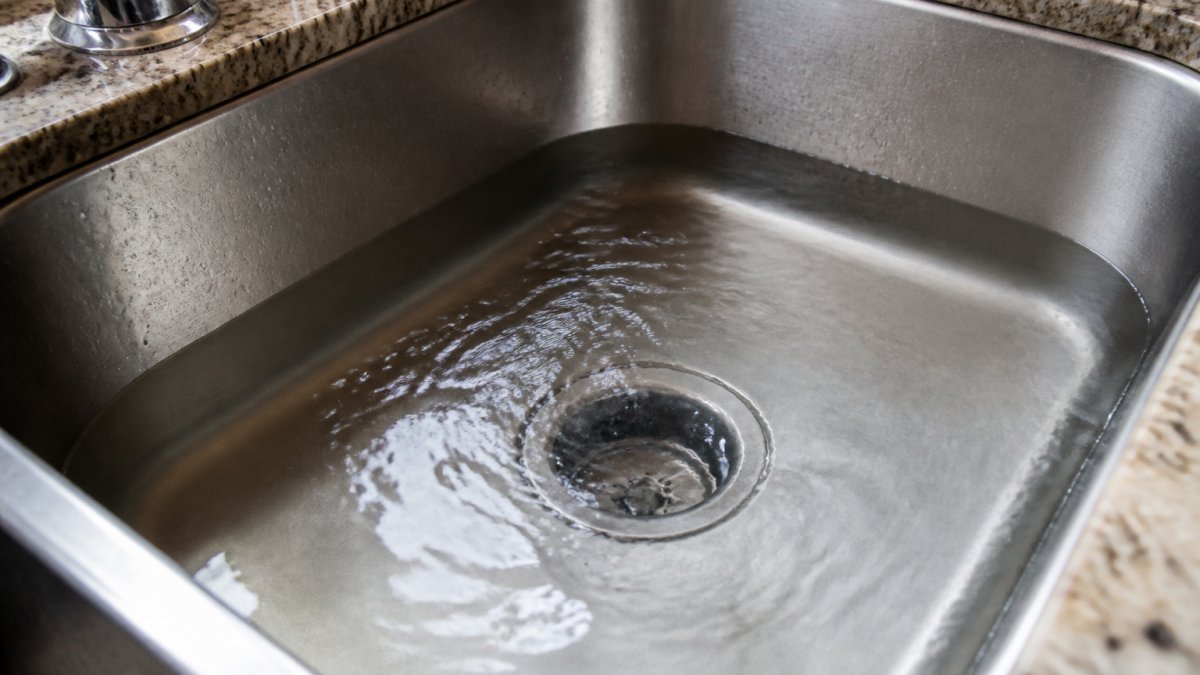
Sewer Line Inspection Warning Signs to Watch For
Several warning signs indicate you need a professional pipe inspection soon. Some are obvious; others are subtle but serious.
Slow or Recurring Drains
A single slow drain is usually a localized clog, hair, soap buildup, or debris near the fixture. But when the same drain slows repeatedly after clearing, or multiple fixtures drain slowly at once, the problem often lies deeper in your drain line or sewer pipe.
Recurring clogs in the same spot suggest a partial blockage that isn't fully clearing, tree roots penetrating the pipe, a collapsed or bellied (sagging) section, or mineral buildup inside the pipe walls. A plunger or drain snake relieves the symptom but not the cause.
Multiple Drains Backing Up
When several drains back up simultaneously, a toilet, shower, and sink all slow or overflow at once, the blockage is almost certainly in the main sewer line. This is one of the clearest signs you need a professional pipe inspection.
Multiple-drain backups suggest a serious obstruction, tree-root intrusion, a collapsed pipe section, or a major blockage deep in the sewer line, and require immediate attention.
Sewage Odors and Gurgling Sounds
Foul sewer odors inside your home or around your yard indicate a crack or leak in the sewer pipe. If the odor is strongest near a particular drain or in the yard above the sewer line, that's a strong locator for the problem area.
Gurgling sounds from drains or toilets, especially when you use other fixtures, mean air is trapped in the pipe because a blockage prevents water from flowing freely. Gurgling often accompanies slow drains or backups and signals that a professional pipe inspection will reveal the cause.
Yard Problems and Visible Damage
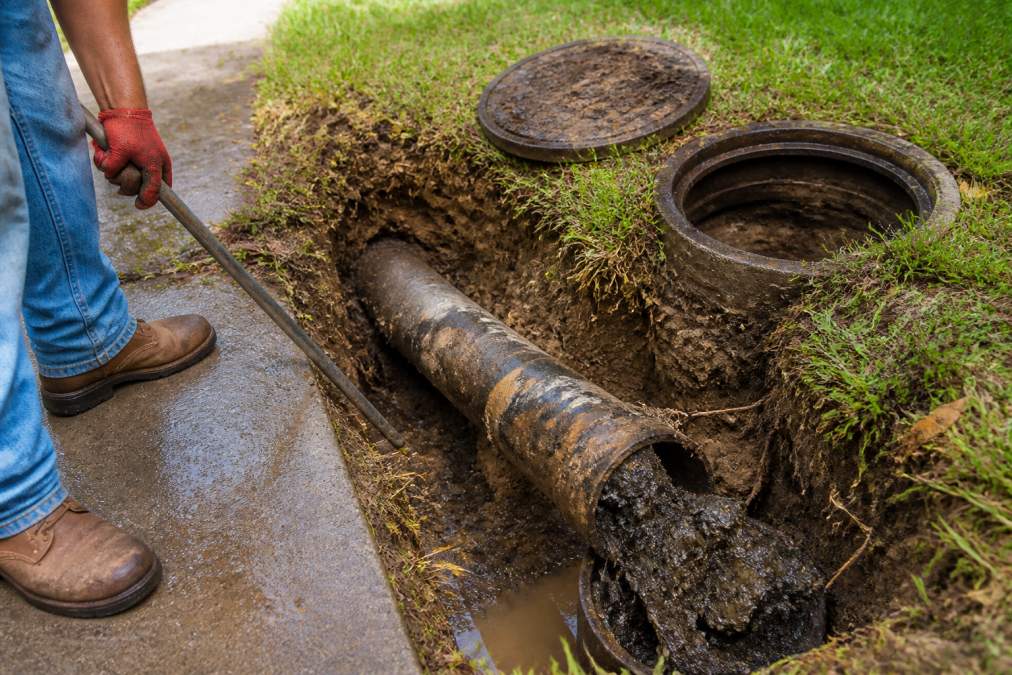
Wet, soggy, or unusually green patches in your yard can indicate a leaking sewer line. When a sewer pipe cracks, raw sewage seeps into the soil, creating a saturated area; the grass above often grows greener because it's being fertilized by the sewage, but the soil beneath stays waterlogged.
Sinkholes, settling, or dead grass patches can also signal a collapsed or severely damaged pipe section. If you notice these yard changes, especially along the line from your home toward the street or septic system, a professional pipe inspection should be your next step.
How to Distinguish a Localized Drain Clog from a Main Sewer-Line Problem
This distinction is critical because it determines your next action and cost.
Localized drain clog: Affects one fixture (one sink, one shower, one toilet). Water drains slowly or backs up at that single location. The rest of your plumbing works normally.
Main sewer-line problem: Affects multiple fixtures simultaneously. Several drains back up at once, or you notice multiple symptoms (slow drains, gurgling, odors) across the home.
Quick test: If only your kitchen sink is slow, it's likely a localized clog.
When uncertain, a plunger or drain snake is a safe first step for a single slow drain. But if the problem persists or multiple drains are affected, call for a professional pipe inspection immediately, ignoring a main-line problem can lead to sewage backups that pose serious health and property risks.
What Happens During a Professional Sewer Camera Inspection
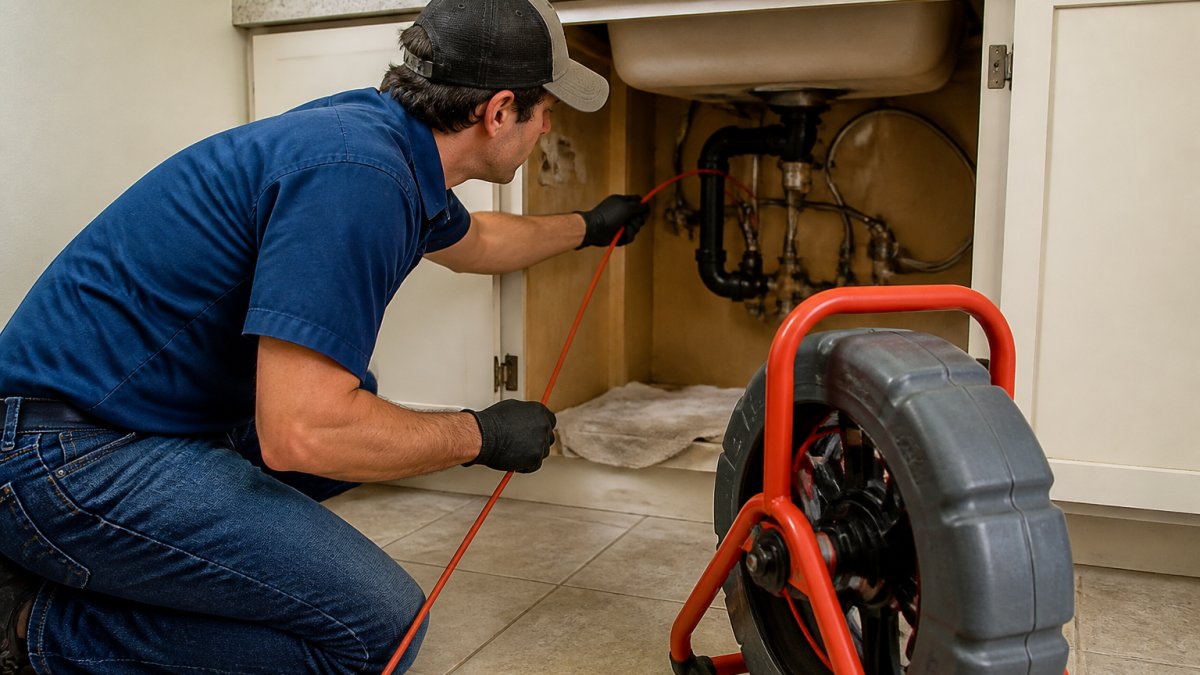
A professional sewer camera inspection is the gold standard for diagnosing sewer and drain problems. Here's what to expect.
The plumber inserts a small, waterproof camera on a flexible rod into your drain line, usually through a cleanout access point (a capped opening in your yard or basement).
During the inspection, the camera reveals:
- Cracks, fractures, or holes in the pipe
- Collapsed or bellied sections where the pipe has sagged
- Misaligned pipe sections or joints that have separated
- Tree-root intrusion penetrating the pipe walls
- Pipe corrosion or mineral buildup narrowing the interior
- Blockages, debris, or sewage backups
A camera inspection typically takes 30 minutes to an hour, depending on line length and issues found.
Understanding Pipe Inspection Cost and Scope
Cost is one of the first questions homeowners ask. Here's a realistic picture of what a professional pipe inspection costs and what you get for the money.
Typical Cost Ranges
Inspection pricing depends on factors including the length of the sewer line, accessibility of clean-out points, and whether the inspection is for a residential or commercial property. For an accurate quote, it's best to contact a licensed plumber.
Several factors move the price up or down:
- Line length. A 30-foot run from the cleanout to the street is cheaper to inspect than a 100-foot line with multiple bends.
- Access. If a cleanout is present and reachable, the inspection is straightforward. If the plumber has to pull a toilet, cut into a wall, or excavate to create access, expect added labor.
- Line condition. A heavily root-infested or debris-filled line may require jetting before the camera can travel it, which adds cost.
- Bundling.
- Emergency or after-hours calls. Nights, weekends, and holidays typically carry a premium.
What's Included in a Standard Inspection
- Access to cleanout points
- Full-length camera travel through the sewer or drain line
- Live monitoring with the technician narrating findings as they appear
- Recorded video documentation you can keep
- A written report identifying pipe material, condition, defect locations (usually measured in feet from the access point), and severity
- A clear explanation of repair options
What Drives the Final Repair Bill
If the inspection finds a problem, repair cost depends heavily on defect type and location:
- Localized root intrusion near an accessible cleanout is often the least expensive fix.
- Bellied or misaligned sections may require spot repair or pipe lining rather than full replacement.
- Collapsed pipe under a driveway, mature tree, or slab is the most expensive scenario because excavation and restoration are involved.
- Full sewer line replacement is the worst-case outcome and the reason early inspection pays for itself.
Contact Colby Plumbing Company LLC for a quote
How Often to Inspect Plumbing Pipes and When It's Urgent
Not every symptom is an emergency, but some absolutely are. Use the framework below to decide how fast you need to act.
Routine Inspection Schedule
For most homes, a professional pipe inspection every 5-7 years is reasonable preventive maintenance. Older homes may benefit from more frequent inspections, as certain materials can corrode, crack, and shift more readily.
Shorten the interval further if any of these apply:
- Mature trees within 10-15 feet of the sewer line
- A history of prior sewer backups at the property
- Recent foundation work, major landscaping, or soil movement
- A home older than 40 years with original underground piping
- You're buying the home and the seller can't document a prior inspection
Urgency Triage: How Fast Do You Need to Act?
Emergency, call now, same day.
- Raw sewage backing up into the home through any drain or fixture (the CDC)
- Multiple fixtures backing up simultaneously with no sign of clearing
- Sewage odor strong enough to be noticeable throughout the house
- Standing water or a sinkhole forming in the yard over the sewer line
These indicate an active failure. Wastewater in the home is a health hazard, and delay increases remediation cost and property damage.
Urgent, schedule within 24-72 hours.
- A single drain that backs up repeatedly after clearing
- Persistent gurgling from toilets or drains when other fixtures run
- Foul odor localized to one drain or one area of the yard
- A wet or unusually green patch in the yard with no other explanation
These point to a developing problem, often root intrusion or a partial blockage, that will worsen but isn't yet causing active contamination.
Routine, schedule within a few weeks.
- One slow drain that responds to plunging but slows again over time
- A single recurring clog in the same fixture with no other symptoms
- No symptoms at all, but you're due for a preventive inspection
What to Do While You Wait
If your situation is urgent rather than emergency, take these steps until the plumber arrives:
- Stop using the affected drains. If multiple drains are involved, minimize all water use, short showers, no dishwasher, no laundry.
- Don't pour chemical drain cleaners. They can damage older pipes, create hazards for the technician, and don't address root causes like tree roots or collapsed sections.
- Document the symptoms. Note which fixtures are affected, when backups occur, and any yard changes. This speeds up diagnosis.
- Locate your main sewer cleanout. Knowing where it is helps the technician and any future repair crew.
- Watch for escalation. If backups intensify, odors spread, or new wet patches appear, upgrade your call to emergency.
What to Do While Waiting for Your Inspection
If you suspect a sewer or drain problem but your inspection is days away, take these steps to prevent further damage:
Avoid using the affected drains. If a particular drain backs up, don't use it. If multiple drains are affected, minimize water use, short showers, no dishwasher or laundry.
Don't use chemical drain cleaners. They can damage old pipes, don't address root causes like tree-root intrusion or pipe collapse, and create safety risks for the plumber.
Document what you observe. Note when backups occur, which drains are affected, and any yard changes to help your plumber diagnose the problem faster.
Locate your sewer cleanout. Ask your plumber where the main sewer cleanout is on your property; knowing this helps during the inspection and any future repairs.
If you're noticing slow drains, recurring backups, foul odors, or wet patches in your yard, don't delay. We provide detailed findings and clear repair recommendations so you can make informed decisions about your plumbing system. Contact Colby Plumbing Company LLC today to schedule your inspection and protect your home's plumbing foundation.
Frequently Asked Questions
What are the main signs that I need a professional pipe inspection?
The most common warning signs include slow or recurring drains, multiple drains backing up simultaneously, foul sewage odors indoors or outdoors, gurgling sounds from drains or toilets, and wet or unusually green patches in your yard. If you notice any combination of these issues, a professional sewer camera inspection can identify the underlying problem in your sewer line or drain line before it becomes an emergency.
How often should I have my plumbing pipes inspected?
For older homes, consider a professional pipe inspection every 3-5 years, especially if you have mature trees on your property. Newer homes typically need inspection only if you notice warning signs. If you're purchasing a home, a pre-purchase sewer scope is highly recommended to identify any existing pipe damage, cracks, or corrosion before you buy.
What's the difference between a localized drain clog and a main sewer-line problem?
A localized clog affects only one drain, typically a sink, shower, or toilet, and water still flows normally in other fixtures. A main sewer-line problem causes multiple drains to back up at the same time because wastewater cannot flow through the shared sewer pipe. Main sewer issues often produce foul odors throughout the home and may cause sewage backups in lower-level fixtures. A professional camera inspection can pinpoint exactly where the blockage, crack, or other damage is located.
How much does a professional sewer camera inspection cost?
Inspection pricing depends on factors including the length of the sewer line, accessibility of clean-out points, your location, and whether the inspection is for a residential or commercial property. Rather than guessing at costs, contact a licensed plumber for an accurate quote. Many plumbers offer inspection services as part of their diagnostic process when you report plumbing problems.