 listicle
Signs of Poor Quality Plumbing Work
Table of Contents
- Signs of Poor Quality Plumbing Work You Can Spot Yourself
- Common Plumbing Installation Mistakes That Cause Long-Term Problems
- How to Verify a Licensed Plumber Before Work Begins
- Plumbing Inspection Checklist for Homeowners
- High Water Bills and Inefficient Systems
- Legal and Insurance Implications of Poor Plumbing Work
- Why Professional Installation Protects Your Investment
- Frequently Asked Questions
Last Updated: September 30, 2026
Signs of Poor Quality Plumbing Work You Can Spot Yourself
Poor quality plumbing work often whispers through subtle signs homeowners miss until damage becomes expensive. Recognizing these red flags early protects your investment.
Low water pressure and inconsistent flow
Low water pressure often traces back to installation mistakes. When water trickles instead of flowing steadily, the cause is usually inadequate pipe sizing or pinhole leaks.
Undersized pipes create bottlenecks that restrict flow. If pressure drops when multiple fixtures run simultaneously, that signals improper pipe diameter selection.
Pinhole leaks in copper pipes reduce pressure gradually. These develop from poor installation practices like leaving acidic flux residue on joints or failing to flush new pipes properly.
Consistent weak pressure across fixtures suggests a systemic installation issue. Professional plumbers verify pressure meets code during rough-in inspection; many unlicensed installers skip this step.
Persistent leaks and pooling water
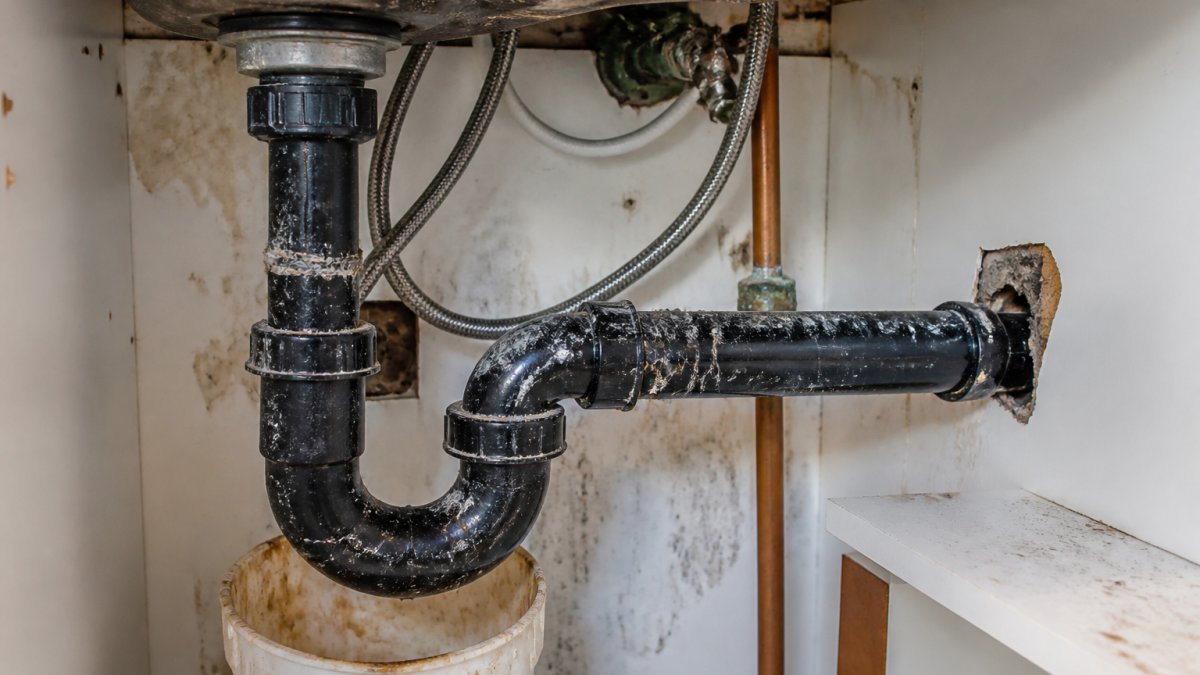
Water pooling under sinks, around toilets, or in crawl spaces indicates failed seals or improper connections, signs that joints weren't properly tightened or fittings weren't seated correctly.
Leaks appearing shortly after installation indicate the system wasn't pressure-tested. Professional plumbers pressurize the entire system before walls close; skipping this step means expensive repairs later.
Pooling water around the water heater indicates poor installation of supply lines or relief valve discharge pipes, causing stress on connections and eventual floor or framing damage.
Slow or clogged drains
Sluggish or backing-up drains point to installation mistakes. Proper drain design requires specific slope angles and vent configuration that directly impact waste flow.
Improper pipe slope causes recurring clogs. Drain lines must slope downward at minimum 1/4 inch per foot. Too shallow and solids collect; too steep and water separates from waste. Plumbers must verify slope during installation.
Missing or improperly installed vent pipes cause drainage problems. Vents allow air into the system so water flows freely; without them, water creates a vacuum that slows drainage and allows sewer gases into your home.
Unpleasant or foul odors
Sewer gas smell indicates a broken sewer line, failed trap seals, or missing vent pipes, all installation problems.
Trap seals are water barriers that prevent sewer gas from entering your home. If a trap wasn't installed or primed during startup, gases escape into living spaces.
Dry traps occur when improper venting allows traps to siphon dry, a design flaw from installation mistakes.
Musty odors in crawl spaces indicate hidden leaks or moisture from improperly sloped drain lines, creating mold conditions.
Strange noises in pipes
Banging, rattling, or whistling sounds indicate pipes weren't properly secured. Water hammer (loud bangs when shutting off faucets) requires water hammer arrestors and secure pipe strapping during proper installation.
Rattling pipes lack adequate support. Building code requires pipe hangers every 4-6 feet for horizontal runs; skipping this creates stress on joints and leaks.
Persistent whistling in the main line suggests improper sizing or pressure regulation issues from installation.
Discolored or rusty water
Brown, red, or cloudy water signals pipe corrosion or sediment from improper installation or flushing.
Rust-colored water indicates corroded steel pipes, usually from improper installation like leaving flux residue in copper-to-steel transitions or failing to use dielectric unions.
Cloudy water means air bubbles are trapped in lines, a sign the system wasn't properly bled during startup.
Intermittent water discoloration suggests active corrosion inside pipes, which will eventually leak or fail.
Water stains and damp spots on walls or ceilings
Water stains indicate active or recent leaks from failed connections, improper pipe support, or poor slope.
Repeated stains in the same location indicate incomplete repairs. Soft or spongy damp spots indicate water saturation risking structural damage and mold.
Stains near plumbing penetrations suggest pipes weren't properly sealed. Building code requires fire-rated caulk around pipe gaps.
Common Plumbing Installation Mistakes That Cause Long-Term Problems
Some poor quality plumbing work hides inside walls or underground, revealing itself only after months or years.
Improper pipe slope and venting
Improper slope is the most common installation mistake. Drain lines must slope downward consistently; too shallow causes solids to accumulate, too steep causes water to separate from waste.
Venting mistakes are equally damaging. Every fixture needs a vent pipe for air intake. Improper vent installation causes drainage problems throughout the home.
Inadequate support and securing of pipes
Unsupported pipes eventually fail from water weight, thermal expansion, and vibration stress concentrating at joints.
Building code requires pipe hangers every 4-6 feet for horizontal runs. Many installers skip this, causing pipes to sag and create low spots where sediment accumulates.
Pipes running through walls without proper support shift as buildings settle, stressing joints. Professional installation secures pipes to accommodate thermal expansion.
Thermal expansion is often overlooked. Without expansion loops or proper spacing, pipes stress joints and crack fittings.
Substandard materials and shortcuts
Cheap materials and shortcuts create compounding problems. Undersized pipes, low-grade fittings, and skipped pressure testing prioritize speed over quality.
Mixing incompatible materials without proper transition fittings causes corrosion. Copper-to-steel connections require dielectric unions; skipping this causes rapid corrosion.
Low-grade brass fittings corrode faster. Cheap PVC cracks under stress. Substandard water heater installations create safety hazards and premature failures.
How to Verify a Licensed Plumber Before Work Begins
Hiring a licensed professional is the best protection against poor quality plumbing work. Verify credentials before work starts.
Check licensing and insurance credentials
Verify the plumber's state license number through your state's licensing board. A plumber who won't provide one is a major red flag.
Ask for proof of liability insurance and workers' compensation coverage. A plumber without insurance leaves you liable for injuries or property damage.
Verify coverage is active by calling the insurance company. Outdated certificates don't protect you.
Check your state's licensing board for complaints or disciplinary actions against the plumber.
Request references and verify past work
Ask for at least three recent references. Call them and ask: Did work stay on schedule? Were there unexpected costs? Would you hire them again?
Visit a past project if possible. Look for secure pipe strapping, proper drain slope, clean connections, and labeled shut-off valves.
Ask about experience with projects similar to yours. Specialization matters in plumbing.
Plumbing Inspection Checklist for Homeowners
You don't need to be a plumber to spot obvious installation problems. A basic visual inspection catches many common mistakes before they become expensive failures.
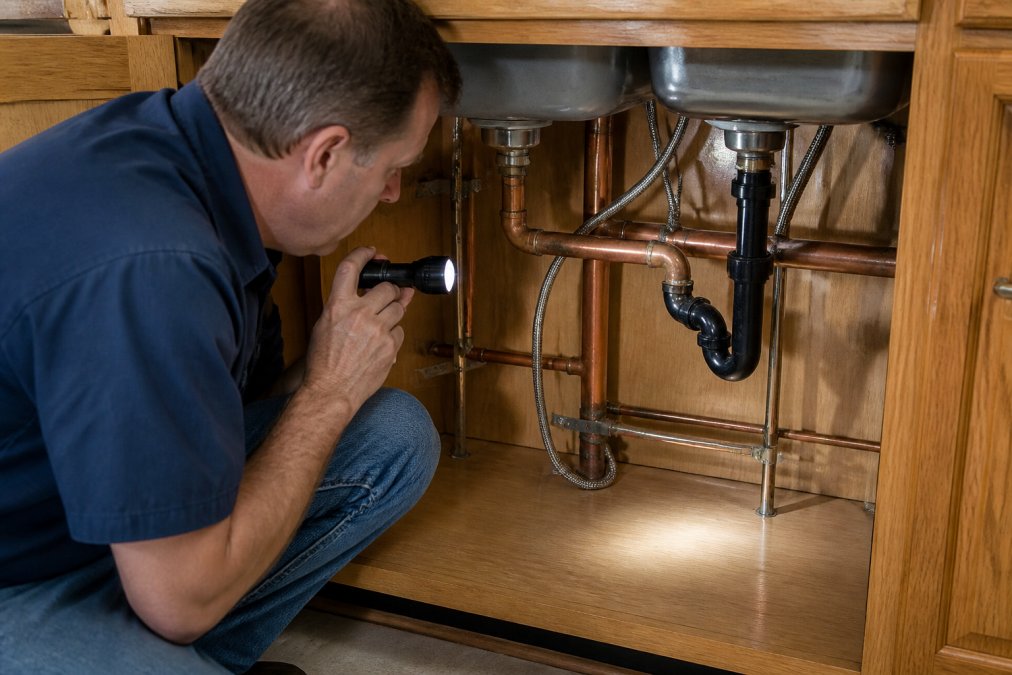
Visual inspection steps you can perform
Start by looking at exposed pipes under sinks, in basements, and in crawl spaces. Check that pipes are securely strapped to framing every 4-6 feet. Sagging or loose pipes indicate inadequate support.
Look for water stains or discoloration on pipes, joints, and surrounding materials. Fresh stains indicate active leaks. Dried stains suggest past leaks that may recur.
Examine all visible joints and connections. They should be clean and tight.
When to use diagnostic tools
Basic visual inspection catches obvious problems, but some issues require tools to detect. Moisture meters reveal hidden water damage behind walls. Thermal imaging cameras show temperature differences that indicate leaks or poor insulation around pipes. Inspection cameras let you see inside drain lines to verify slope and identify blockages.
High Water Bills and Inefficient Systems
A sudden spike in your water bill often signals a hidden leak from poor quality plumbing work. Even small leaks waste significant water over time. A pinhole leak can waste thousands of gallons annually (the EPA).
Legal and Insurance Implications of Poor Plumbing Work
Poor quality plumbing work can have legal consequences beyond just repair costs. Building code violations discovered during home inspection or sale can require expensive remediation. Unpermitted work may need to be removed and redone to code.
Why Professional Installation Protects Your Investment
Choosing a licensed professional like Colby Plumbing Company LLC protects your investment in ways that cheap installation cannot. Professional plumbers understand building code requirements, install systems correctly the first time, and stand behind their work.
Frequently Asked Questions
What are the most common signs of poor quality plumbing work?
Poor quality plumbing work typically shows up as low water pressure, persistent leaks, slow drains, foul odors, strange pipe noises, discolored water, and water stains on walls or ceilings. High water bills despite normal usage also indicate underlying installation problems. These issues often stem from improper pipe slope, inadequate venting, or substandard materials used during installation.
How can I verify a licensed plumber before hiring them?
Always request proof of current licensing from your state's licensing board before hiring. Ask for insurance certificates and verify they're active. Request at least three references from recent projects and contact them directly. Check online reviews and the Better Business Bureau. Legitimate plumbers will provide written estimates and explain their work upfront.
What should I look for during a plumbing inspection checklist as a homeowner?
Check for visible leaks under sinks and around toilets, test water pressure at multiple fixtures, listen for unusual noises when water runs, inspect pipes for corrosion or discoloration, and feel walls near plumbing for dampness. Look for proper pipe support and secure fastening. Verify that drains empty quickly and smoothly. If you notice multiple problems, hire a professional for a camera inspection of your drainage system and a full pressure test of supply lines.
What are common plumbing installation mistakes I should know about?
Improper pipe slope causes drainage problems and standing water in lines. Missing or inadequate venting leads to slow drains and sewer gas odors. Pipes installed without proper support develop stress fractures and leaks. Using incorrect materials or mixing incompatible metals causes corrosion. Failing to secure pipes properly allows movement that damages joints. Poor workmanship at connections creates pinhole leaks that go undetected for years, resulting in significant water damage and costly repairs.