 listicle
Commercial Plumbing Maintenance Denver Metro
Table of Contents
- 1. Colby Plumbing Company LLC: Family-Owned Commercial Expertise Since 1996
- 2. Roto-Rooter: 24/7 Emergency Response and Preventative Agreements
- 3. Blue Sky Plumbing & Heating: Full-Service Solutions for Commercial Properties
- 4. Specialized Services: Leak Detection, Backflow Testing, and Hydro-Jetting
- Creating a Commercial Plumbing Preventative Maintenance Checklist
- Understanding the Cost of Commercial Plumbing Maintenance
- Compliance, Codes, and Facility Plumbing Inspections
- Conclusion
Last Updated: August 16, 2026
Commercial plumbing maintenance in the Denver metro area isn't optional for businesses, it's the difference between running smoothly and facing costly emergency shutdowns. Preventative maintenance programs reduce unexpected downtime by catching small issues before they become catastrophic pipe failures, water damage, or code violations. This guide covers the commercial plumbing maintenance strategies that work, the contractors who deliver them, and how to build a maintenance plan that protects your facility's infrastructure.
At Colby Plumbing Company LLC, we've worked with hundreds of commercial properties across the Denver metro area since 1996, and we've seen firsthand what separates facilities that run without incident from those that face repeated emergencies. The difference is systematic preventative maintenance combined with the right contractor partnership.
Below, we'll walk you through the top commercial plumbing contractors in the region, specialized services you shouldn't skip, and how to structure a maintenance program that saves money.
1. Colby Plumbing Company LLC: Family-Owned Commercial Expertise Since 1996
Colby Plumbing Company LLC stands out as a strong choice for commercial plumbing maintenance in the Denver metro area. Family-owned and operated, the company brings deep local experience and the accountability that comes with having your name on the building. They handle everything from routine preventative inspections to emergency repairs, and they've built their reputation on showing up when they say they will and charging exactly what they quote.
What makes them an editorial pick: they're licensed, seasoned professionals who understand commercial plumbing systems at the infrastructure level. They diagnose why problems happen and recommend preventative measures to prevent recurrence. For new construction, remodels, and facility upgrades, they manage the rough-in work that determines whether your plumbing system will perform reliably for decades.
Colby Plumbing Company LLC offers fast, affordable service backed by a 100% satisfaction guarantee. For facility managers in the Denver metro area looking for a contractor they can trust to manage ongoing preventative maintenance without corporate overhead, Colby Plumbing Company LLC is a logical starting point.
Best for: Commercial properties seeking reliable, transparent service from a contractor with deep local roots and accountability.
2. Roto-Rooter: 24/7 Emergency Response and Preventative Agreements
Roto-Rooter brings scale and 24/7 availability to commercial plumbing maintenance. Their key advantage: no extra charge for nights, weekends, or holidays. If your main sewer line backs up at 2 a.m. on Sunday, the price is the same. For facilities that operate around the clock, that matters.
They offer comprehensive commercial plumbing services including hydro-jetting for grease traps (critical for restaurants), backflow prevention and testing, water heater repair and installation, and preventative maintenance agreements with scheduled inspections and priority service.
The tradeoff with larger national chains: you lose the personal accountability of a family-owned operation. Roto-Rooter's size means consistency but less personalized attention to your facility's specific needs. Pricing requires a quote.
Best for: Businesses requiring round-the-clock emergency availability and comprehensive commercial plumbing solutions.
3. Blue Sky Plumbing & Heating: Full-Service Solutions for Commercial Properties
Blue Sky Plumbing & Heating brings over 100 years of combined experience in commercial plumbing across Denver and the Front Range. They handle commercial drain repair, grease trap cleaning, toilet repairs and installations, water heater repairs and installations, and emergency response.
The long track record and breadth of services make them a solid choice for facilities needing comprehensive coverage without juggling multiple contractors. Like most commercial plumbing providers, they don't publish pricing online and require a quote for each service.
Best for: Commercial properties seeking experienced, full-service plumbing solutions with a long track record in the region.
4. Specialized Services: Leak Detection, Backflow Testing, and Hydro-Jetting
Not all commercial plumbing needs fit a general contractor's wheelhouse. Some issues demand specialists.
Altitude Leak Detection and Pipe Restoration
Altitude Leak Detection solves one of facility management's most expensive problems: finding leaks without tearing into walls or floors. They use non-invasive technology to pinpoint leaks in water distribution systems and offer pipe restoration using epoxy resin, often a fraction of the cost of full pipe replacement.
For commercial properties, hidden leaks can waste thousands of gallons and damage structural elements before anyone notices. Altitude's technology catches these leaks early. They also offer utility location services for sewer, water, gas, electric, phone, and fiber-optic lines, critical before any excavation work.
Best for: Commercial properties with suspected leaks, high water bills without obvious cause, or those planning major plumbing work requiring utility locating.
Oasis Plumbing Co. Backflow Prevention Services
Backflow prevention isn't optional in commercial plumbing, it's a code requirement. Backflow devices prevent contaminated water from flowing backward into the clean water supply. Oasis Plumbing Co. specializes in annual testing and certification, repairs, replacements, and documentation.
The value is specialization. Oasis handles compliance that many general contractors treat as an afterthought. They test the device, document results, and submit paperwork to Denver Water to keep your facility compliant, plus send reminders so you don't miss annual deadlines.
Best for: Commercial and multi-family properties requiring annual backflow testing and compliance documentation.
Squeak's Plumbing Hydro-Jetting for Grease and Debris
Hydro-jetting uses high-pressure water streams to blast through stubborn blockages in drains and sewer lines. For commercial kitchens, restaurants, and food processing facilities, this is essential preventative maintenance. Grease accumulates in drain lines despite best efforts, and hydro-jetting clears it without chemicals or pipe damage.
Squeak's Plumbing specializes in commercial kitchen grease jetting and sewer line cleaning. The process is environmentally friendly and restores pipes to optimal flow.
Best for: Restaurants, hotels, office buildings, and any commercial facility with grease-prone drains requiring preventative cleaning.
Creating a Commercial Plumbing Preventative Maintenance Checklist
A preventative maintenance checklist is the backbone of a reliable commercial plumbing system. It transforms plumbing from reactive (emergency repairs) to proactive (scheduled inspections that catch problems early). The checklist should cover monthly walk-throughs, quarterly deep dives, and annual comprehensive assessments.
Monthly and Quarterly Inspection Tasks
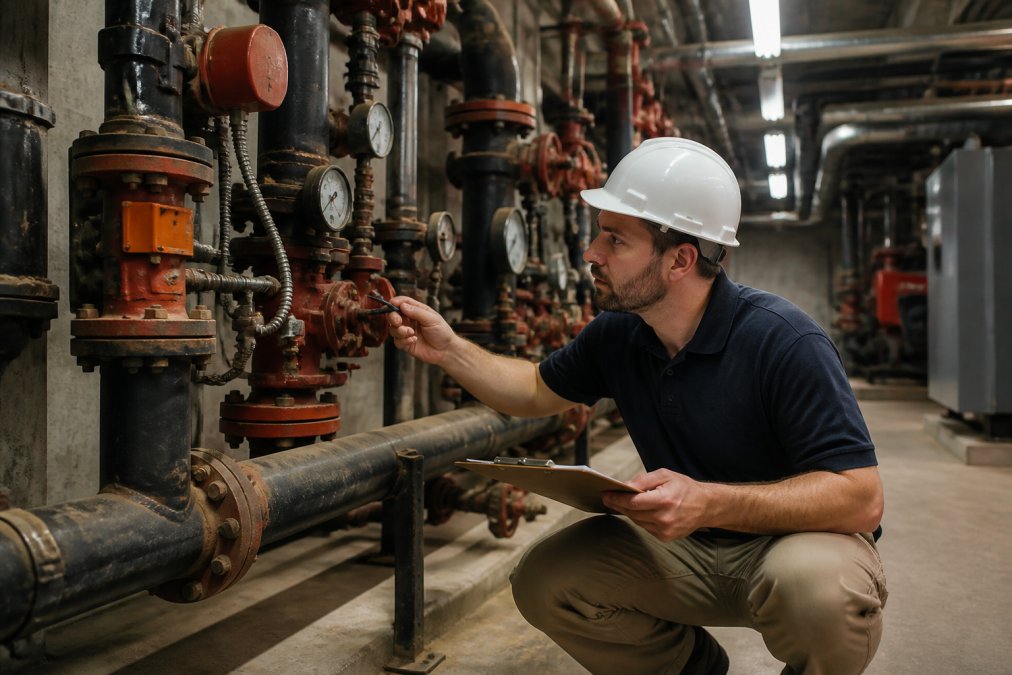
Monthly inspections are quick visual checks that don't require a licensed plumber. Facility staff can walk through restrooms, kitchens, and mechanical rooms looking for obvious problems: water stains, drips, unusual odors, or slow drains.
Monthly checklist:
- Check all visible pipes for leaks or corrosion
- Test all faucets and fixtures for proper flow and no drips
- Inspect under-sink areas for standing water or moisture
- Check water heater for leaks or unusual sounds
- Confirm backflow prevention device is in place and shows no signs of failure
- Walk mechanical rooms and note any changes in water pressure or system sounds
Quarterly inspections go deeper. Schedule a licensed plumber to perform pressure testing, inspect shut-off valves, and check grease traps.
Quarterly tasks (licensed plumber):
- Pressure test main water lines for leaks
- Inspect and clean grease traps in commercial kitchens
- Test all shut-off valves to ensure they operate smoothly
- Inspect water heater and check for sediment buildup
- Examine drain lines for early signs of blockage
- Document all findings for your maintenance record
Annual System Assessments and Documentation
Once per year, conduct a comprehensive plumbing system assessment with your primary contractor. They'll inspect the entire system, pressure-test lines, camera-inspect sewer laterals if appropriate, and provide a written report.
Annual assessment includes:
- Full system pressure test and documentation
- Sewer line camera inspection (if not done recently)
- Water heater efficiency and safety check
- Backflow device testing and certification
- Review of all plumbing code compliance requirements
- Written report with recommendations for repairs or upgrades
Documentation is critical. Keep records of every inspection, repair, and maintenance visit. This creates a history that helps contractors understand your system's patterns and protects you in case of disputes or insurance claims.
Understanding the Cost of Commercial Plumbing Maintenance
Commercial plumbing maintenance costs depend on facility size, system complexity, and service scope. What matters is understanding the cost structure and how preventative maintenance saves money.
Budget Planning and Service Level Agreements
Most commercial plumbing contractors offer service level agreements (SLAs) that bundle preventative maintenance into a monthly or annual fee. These typically include scheduled inspections, priority emergency response, and discounts on parts and labor.
When evaluating an SLA, look for what's included: How many inspections per year? What's the emergency response time? Are parts and labor discounted? Do they provide written reports after each visit?
Colby Plumbing Company LLC will provide a detailed quote based on your facility's specific needs. Contact them directly for an assessment.
ROI of Preventative Maintenance Plans
A preventative maintenance plan costs less than a single emergency repair. A burst pipe in a multi-story commercial building can flood multiple floors, damage structural elements, and shut down operations for days. The emergency repair bill plus lost revenue far exceeds the cost of regular inspections.
Facilities that implement systematic preventative maintenance report fewer unexpected shutdowns, lower water bills (because leaks are caught early), and longer system lifespan. When your plumber knows your system intimately, they can recommend upgrades that improve efficiency and reduce operating costs.
Compliance, Codes, and Facility Plumbing Inspections
Commercial plumbing systems must comply with building codes and local regulations. In the Denver metro area, this means adherence to the International Plumbing Code as adopted locally, plus specific requirements from Denver Water and local jurisdictions.
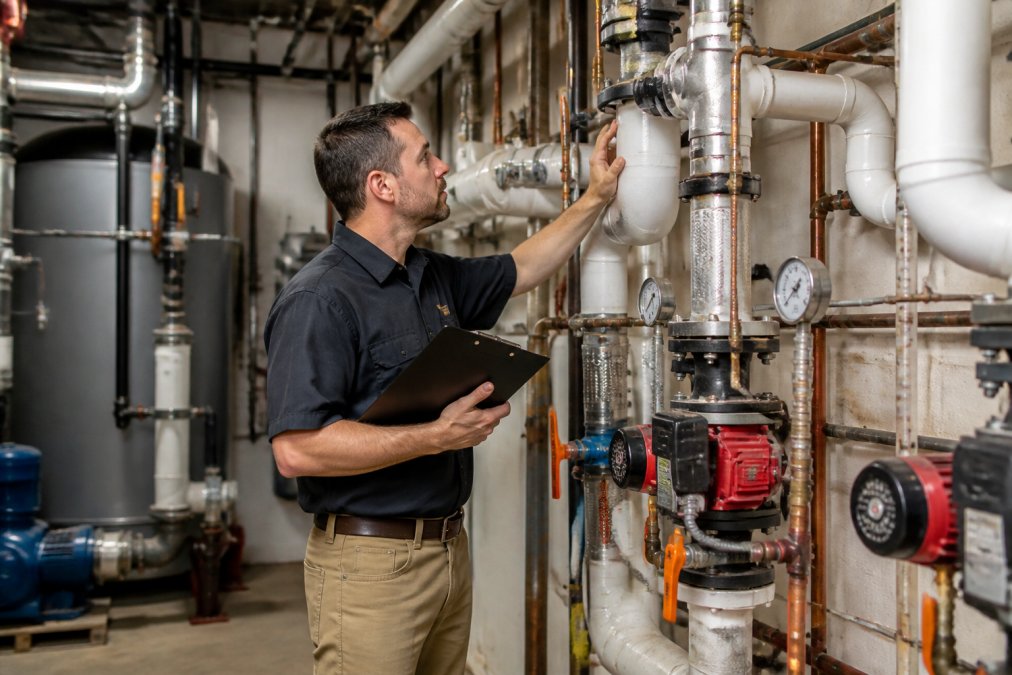
Backflow prevention testing is mandatory for most commercial properties. Grease trap cleaning and inspection are required for food service facilities. Water heater installations must meet code. Regular inspections catch code violations before they become liabilities.
A contractor familiar with Denver metro area codes (like Colby Plumbing Company LLC) knows what inspectors look for and ensures your facility stays compliant. Non-compliance can result in fines, forced shutdowns, or liability if a plumbing failure causes injury or property damage.
Commercial plumbing maintenance in the Denver metro area is essential infrastructure management. The contractors and services outlined here represent the best options for keeping your facility's plumbing running reliably. Start with Colby Plumbing Company LLC for your primary preventative maintenance partnership. Their family-owned approach, local expertise since 1996, and commitment to transparency make them a strong choice for most commercial properties. Contact them today for a facility assessment and maintenance plan tailored to your specific needs.
Frequently Asked Questions
How often should commercial plumbing systems be inspected?
Most commercial facilities benefit from quarterly or bi-annual inspections, depending on system age and usage intensity. High-volume commercial properties like restaurants require more frequent evaluations due to grease buildup and heavy fixture demand. Annual comprehensive inspections should include water heater maintenance, backflow prevention testing, and sewer line assessment. Colby Plumbing Company LLC can assess your facility's specific needs and establish an inspection schedule that prevents emergency repairs while maintaining code compliance.
What's included in a commercial plumbing preventative maintenance checklist?
A comprehensive commercial plumbing preventative maintenance checklist covers fixture inspections (toilets, sinks, urinals), water pressure testing, drain line evaluation, water heater flushing, backflow device testing, and sewer line camera inspections. Monthly tasks include checking for visible leaks and testing water quality. Quarterly inspections assess pipe integrity and pressure regulation. Annual services include hydro-jetting for grease traps, backflow certification, and full system diagnostics. Your plumbing contractor should document all findings and recommend repairs before failures occur.
What are the benefits of preventative plumbing maintenance for businesses?
Preventative maintenance reduces emergency repair costs by 40-50% and minimizes business disruption from unexpected failures. Regular inspections catch small leaks before they cause water damage, mold, or structural issues. Scheduled maintenance extends the lifespan of pipes, fixtures, and equipment, protecting your investment. For commercial kitchens and restaurants, routine grease trap cleaning and hydro-jetting prevent backups that shut down operations. Compliance with local codes through regular backflow testing and inspections protects your business from fines and liability. Predictable maintenance budgets improve financial planning.
How do I know a commercial plumbing contractor is reliable and licensed?
Verify that your contractor holds a current state plumbing license and carries liability insurance and bonding. Ask for references from other commercial clients and check online reviews. Reliable contractors like Colby Plumbing Company LLC, which has served the Denver metro area since 1996, provide transparent pricing upfront, arrive on schedule, and guarantee their work. Request proof of licensing through your state's licensing board, confirm they offer emergency service availability, and ensure they provide written estimates before starting work. A 100% satisfaction guarantee demonstrates confidence in their service quality.
What's the difference between backflow prevention testing and installation?
Backflow prevention installation involves placing a device (like a reduced pressure zone assembly) in your water line to stop contaminated water from flowing backward into the public supply. Testing, required annually by most municipalities, verifies that the installed device functions correctly and prevents backflow. If testing reveals a failed device, repair or replacement is necessary. Oasis Plumbing Co. and similar specialists handle both installation and certification testing, submitting documentation to local water authorities to ensure your facility meets Denver Water regulations and protects public health.
This article was written using GrandRanker