 how-to
Does Hydro Jetting Remove Tree Roots?
Table of Contents
- How Hydro Jetting Works on Tree Roots
- Does Hydro Jetting Actually Remove Tree Roots?
- Hydro Jetting vs. Snaking for Roots: Which Method Works Better
- Why Tree Roots Grow Back After Hydro Jetting
- How to Prevent Tree Roots in Sewer Pipes
- Sewer Camera Inspection Cost and What It Reveals
- When Pipe Replacement or Lining Is the Better Solution
- Frequently Asked Questions
Last Updated: September 28, 2026
How Hydro Jetting Works on Tree Roots
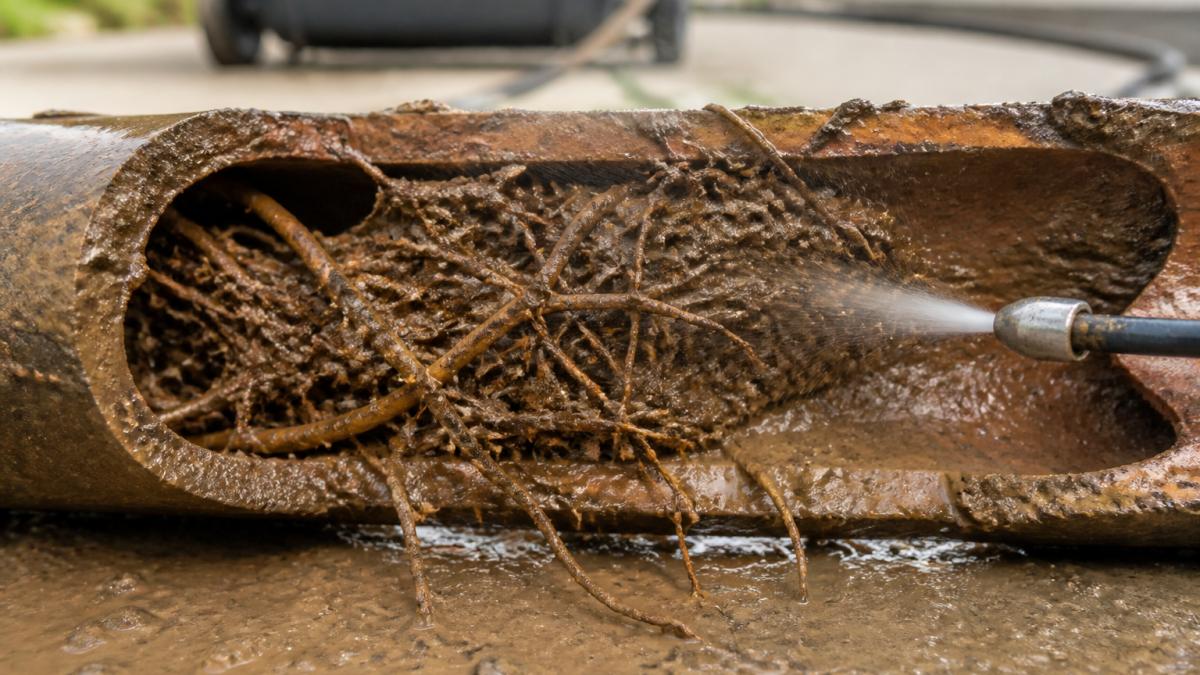
Hydro jetting is a high-pressure water cleaning method that forces water through sewer pipes at speeds up to 4,000 PSI, and yes, does hydro jetting remove tree roots from pipes. The intense water stream breaks apart debris, sediment, and tree roots clinging to the pipe interior. It's one of the most effective mechanical methods for clearing main line blockages caused by root intrusion.
The process works by inserting a specialized nozzle into the sewer line. Water flows backward through the nozzle, pushing the equipment forward while jets spray outward in all directions. This action cuts through root masses and flushes debris toward the main sewer line.
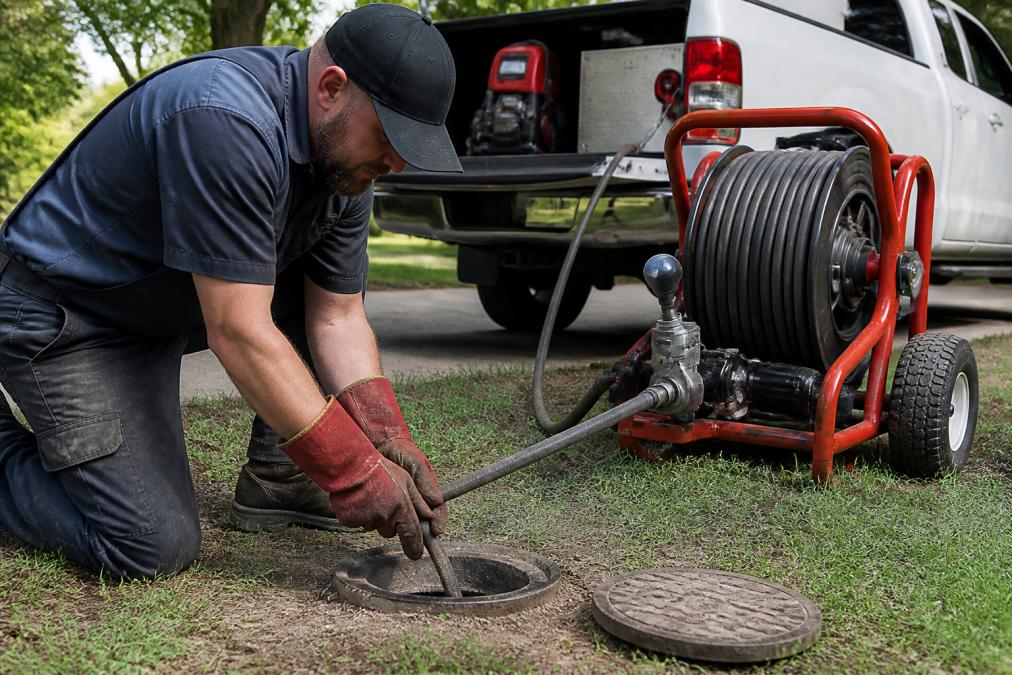
When asking does hydro jetting remove tree roots, the answer is yes, it differs from mechanical snaking because it doesn't just poke a hole through the blockage. Instead, it thoroughly cleans the entire pipe wall. This removes the root mass, not just the roots blocking flow.
Does Hydro Jetting Actually Remove Tree Roots?
Yes, hydro jetting does remove tree roots from sewer pipes. The high-pressure water effectively cuts through root masses and clears them from the pipe interior. However, it removes only the roots currently in the pipe, not the tree itself or the roots still in the ground.
This distinction matters. Hydro jetting clears the blockage and restores flow. It does not kill the tree or prevent future root growth. Many property owners mistakenly believe hydro jetting solves the root problem permanently. It doesn't.
Hydro Jetting vs. Snaking for Roots: Which Method Works Better
Mechanical snaking uses a rotating cable with a cutting head to break through blockages. Hydro jetting uses water pressure to clear the entire pipe. Both remove roots, but they work differently.
Mechanical snaking:
- Pokes a hole through the blockage quickly
- Works in emergency situations when flow must be restored immediately
- Leaves root debris on the pipe wall
- Less expensive upfront
- May need repeat treatments sooner
Hydro jetting:
- Cleans the entire pipe interior
- Takes longer but removes more material
- Costs more initially
- Provides longer-lasting results
- Better for pipes with heavy root buildup
The choice depends on your situation. If you need immediate drainage restoration, snaking works faster. If you want a more thorough cleaning that delays regrowth, hydro jetting is the better choice.
| Method | Speed | Cleanup | Cost | Regrowth Risk |
|---|---|---|---|---|
| Snaking | Fast | Leaves debris | Lower | Higher |
| Hydro jetting | Slower | Thorough | Higher | Lower |
| Both methods | Medium | Complete | Highest | Lowest |
Why Tree Roots Grow Back After Hydro Jetting
Tree roots regrow because hydro jetting removes the roots in the pipe but not the tree. The root system is still in the ground, still seeking moisture and nutrients. If the pipe has cracks or joints, new roots will find them.
Roots are attracted to sewer pipes because they contain water and nutrients. A tree doesn't know or care about your plumbing. It simply grows toward available resources. Once a root system has found your main line, it will keep trying to access it.
The severity and speed of regrowth depends on several factors:
- Pipe material: Clay pipes and older PVC are more vulnerable than modern materials
- Tree species: Some trees have more aggressive root systems than others (willows and maples are notorious for sewer line intrusion)
- Pipe condition: Existing cracks and joint damage invite root penetration
- Moisture levels: Wet soil around pipes attracts roots faster
- Time since treatment: Regrowth accelerates as the pipe becomes clear again
Most property owners see root regrowth within 12-24 months. Some see it sooner, especially if the original root system was extensive.
Why chemical treatments matter: After hydro jetting clears the line, the pipe wall is clean but still attractive to roots. This is where most homeowners miss a critical step. Foaming root killers (typically containing dichlobenil or copper sulfate) applied after jetting coat the pipe interior and kill root tips as they attempt to re-enter. These treatments work best within 48-72 hours after hydro jetting, when the pipe is clean and the chemical can make direct contact with the pipe wall and any remaining root fragments.
Enzyme-based root control products (containing cellulase enzymes) offer a gentler alternative that breaks down organic matter roots use to penetrate joints.
How to Prevent Tree Roots in Sewer Pipes
Prevention starts with understanding where roots can enter. They need an opening: a crack, a broken joint, or deteriorated pipe material. Eliminate the opening and you eliminate root intrusion.
Repair damaged pipes (with material considerations):
- Have a sewer camera inspection done to identify cracks and damage
- Understand your pipe material before choosing a repair method. Clay pipes, common in homes built before 1970, are highly vulnerable to root penetration and deteriorate faster; they benefit most from trenchless lining or replacement. Cast iron pipes (1970s-1990s) are prone to corrosion and root intrusion at joint failures. Modern PVC (1990s onward) resists root penetration far better but can still be damaged by aggressive hydro jetting if pressure exceeds 3,500 PSI or if the nozzle is held too close to the pipe wall.
- Use pipe lining (cured-in-place pipe, or CIPP) to seal the interior without digging; this works well on clay and cast iron with moderate root damage
- Replace severely damaged sections with modern PVC piping; modern materials resist root penetration and last 50+ years
Manage trees and landscaping:
- Avoid planting trees directly over sewer lines
- Remove trees with aggressive root systems if they're within 10 feet of your main line (willows, maples, poplars, and ash trees are highest risk)
- Keep existing trees trimmed and healthy to reduce stress-driven root growth
- Consider installing a physical root barrier (plastic or metal) during landscaping to prevent new trees from reaching pipes
Establish a preventative maintenance schedule:
Long-term solutions:
- Trenchless pipe lining seals cracks without excavation; it can eliminate root entry for many years.
- Pipe replacement with modern materials can eliminate the problem permanently.
- Root barriers installed during landscaping (plastic or copper) prevent new trees from reaching pipes; most effective for new construction or major landscaping projects
Sewer Camera Inspection Cost and What It Reveals
A sewer camera inspection uses a small waterproof camera on a flexible cable to visually examine the interior of your sewer line. It shows exactly where roots are, how much damage exists, and what type of pipe you have.
The inspection reveals:
- Root intrusion locations and severity
- Pipe material (clay, PVC, cast iron)
- Cracks, breaks, and joint separation
- Grease buildup and debris accumulation
- Pipe slope and alignment issues
- Areas where tree roots are most likely to cause future problems
When Pipe Replacement or Lining Is the Better Solution
Hydro jetting is temporary maintenance, not a permanent fix. If you have recurring root problems, repeated treatments become expensive. At some point, replacing or lining the pipe makes more financial sense.
Consider pipe replacement when:
- You have multiple root intrusions within 3 years
- The pipe is clay or deteriorating cast iron
- Hydro jetting costs become significant compared to replacement cost
- The pipe has other damage besides root intrusion
- You're planning major landscaping or construction
Consider pipe lining when:
- You want to avoid excavation
- The pipe has cracks but no major breaks
- You need a solution faster than replacement
- You want to preserve landscaping and hardscape
Frequently Asked Questions
How quickly will roots return after hydro jetting?
Tree roots can regrow within 6 to 12 months after hydro jetting, depending on the tree species, pipe damage, and moisture conditions. The high-pressure water clears roots from the sewer line but does not address the underlying cause, the tree's attraction to water and nutrients. Without preventative measures like root barriers or chemical treatments, regrowth is common. A sewer camera inspection can help identify if roots are returning before a backup occurs.
Is hydro jetting safe for all types of sewer pipes?
Hydro jetting works well on PVC piping and newer clay pipes but can damage older, brittle clay pipes or cast iron with structural weaknesses. The high-pressure water may worsen existing cracks or separations in compromised pipe walls. A professional sewer scope inspection before jetting identifies pipe material and condition, helping to ensure the method is safe for your specific line. If your pipes are old or damaged, trenchless pipe lining may be a safer alternative.
What's the difference between hydro jetting and mechanical snaking for tree roots?
Mechanical snaking uses a rotating cable with cutters to break apart roots, clearing the immediate blockage but leaving root fragments in the pipe. Hydro jetting uses high-pressure water to flush roots and debris out of the line completely, providing more thorough debris removal. However, snaking is faster and less expensive for small clogs, while hydro jetting is more effective for heavy root masses and buildup. For tree root intrusion, hydro jetting typically offers better long-term results when combined with preventative maintenance.
How do I know if tree roots are damaging my sewer line?
Signs of tree root intrusion include slow drains, recurring backups, gurgling sounds, or sewage smells in your yard. Multiple clogs in the same line within a year suggest root damage. A sewer camera inspection is the only way to confirm root intrusion and assess pipe integrity. The camera reveals root attachment points, blockages, and structural damage. If roots have caused cracks or separations, professional repair options include hydro jetting (for partial blockage), chemical root killers, or trenchless pipe lining for long-term protection.