 how-to
Emergency Plumbing Repair Denver: Reliability Guide
Table of Contents
- What Counts as an Emergency Plumbing Repair in Denver
- Immediate DIY Triage Steps Before the Plumber Arrives
- Your Emergency Plumbing Repair Checklist for Denver Homeowners
- Denver Emergency Plumber Cost: What Drives the Final Bill
- How to Verify a Plumbing License in Colorado Before You Hire
- What Reliable 24/7 Emergency Plumbing Service Actually Looks Like
- Choosing an Emergency Plumber in Denver: Vetting Checklist
- Conclusion
Last Updated: August 10, 2026
What Counts as an Emergency Plumbing Repair in Denver
Emergency plumbing repair is any plumbing failure that poses an immediate risk of water damage, health hazard, or loss of essential services. Not every dripping faucet justifies an after-hours call, but some problems cannot wait. At Colby Plumbing Company LLC, we've fielded calls from Denver homeowners for 30 years, situations that spiral into major damage are almost always ones where people waited too long.
Denver's climate adds urgency. Temperatures routinely drop below freezing from October through March, turning minor leaks into burst pipes within hours.
Burst Pipes and Sudden Leaks
A burst pipe is the clearest emergency. Water escaping under pressure releases many gallons per minute, saturating drywall, subfloors, and insulation. Signs include rapidly spreading water stains on ceilings, running water sounds when all fixtures are off, or visible pooling near walls or cabinets.
Frozen pipes are a specific Denver risk. When water freezes inside a pipe, it expands and can split copper or PVC. Even if the pipe hasn't burst yet, a frozen section is an emergency because failure often occurs the moment the pipe thaws.
Sewer Backup, Clogged Drains, and Water Heater Failure
A sewer backup is a health emergency. Raw sewage contains pathogens that create serious sanitation hazards. According to the EPA's guidance on sanitary sewer overflows, exposure to untreated sewage poses direct health risks. If multiple drains are slow simultaneously or sewage backs up into floor drains or tubs, call for emergency service immediately.
Clogged drains become emergencies when they affect multiple fixtures or prevent water from draining at all. A single slow bathroom sink is maintenance; a kitchen drain backing up while the dishwasher runs, causing water to overflow onto the floor, is an emergency.
Water heater failure crosses into emergency territory when the unit is leaking, the pressure relief valve is discharging, or there is no hot water in winter with vulnerable household members present.
Immediate DIY Triage Steps Before the Plumber Arrives
The first 10 minutes after a plumbing failure are most consequential for limiting water damage. These steps won't fix the problem but will contain it.
Locate and Use Your Main Water Shut-Off
The main water shut-off is your single most important tool in any plumbing emergency. Knowing where it is before you need it is the difference between a $500 repair and a $15,000 remediation project.
In most Denver-area homes, the main shut-off valve is in the basement near the front foundation wall, in a utility closet near the water heater, or in a crawl space access panel. Older homes in Capitol Hill and Washington Park often have it near the water meter in a pit outside near the curb.
Turn the valve clockwise to close it. A gate valve requires multiple full turns; a ball valve requires only a quarter turn. Once the main is off, open a faucet on the lowest floor to relieve pressure in the lines.
Reduce Water Damage While You Wait
After shutting off the water supply:
- Move furniture, electronics, and valuables out of standing water immediately
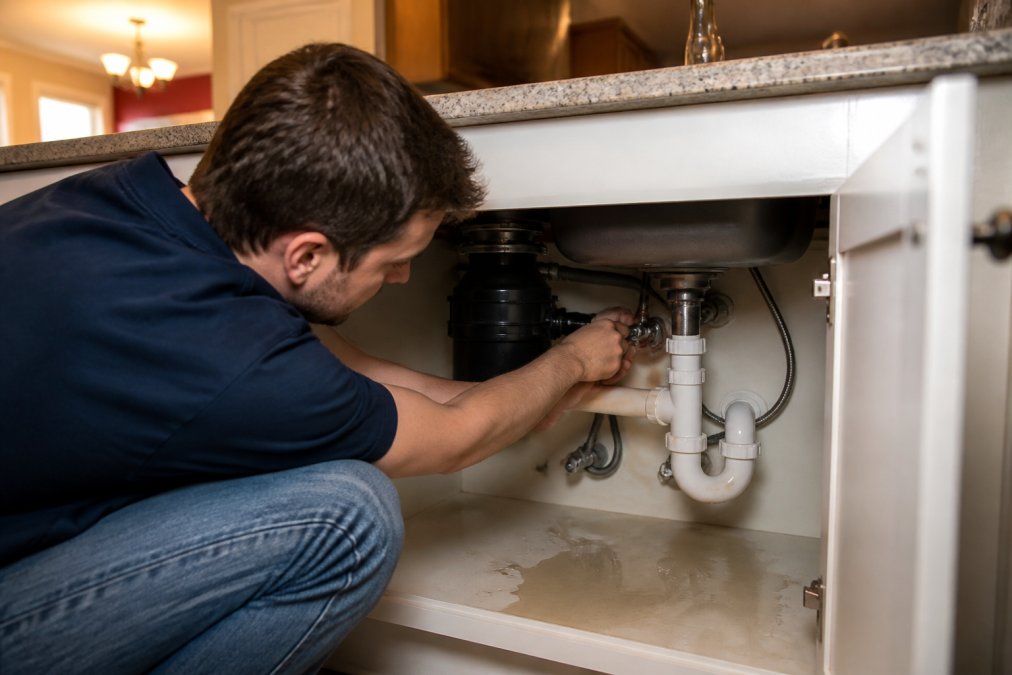
- Place towels or buckets under active drips to slow floor saturation
- If water is near electrical panels, outlets, or appliances, shut off the circuit breaker for that zone
- Document everything with photos before cleanup to support insurance claims
- Open windows or run fans to begin drying if safe
Turn off your water heater if the main supply is shut off. Running a water heater without water flow can damage the heating element and create a secondary repair bill.
Your Emergency Plumbing Repair Checklist for Denver Homeowners
Use this checklist to prepare before an emergency happens and to move efficiently when one does.
| Action | When to Do It | Why It Matters |
|---|---|---|
| Locate main water shut-off | Now, before any emergency | Stops water flow within seconds |
| Note shut-off valve type (gate vs. ball) | Now | Tells you how many turns to close it |
| Save a licensed plumber's number in your phone | Now | Avoids searching during a crisis |
| Verify plumber's Colorado license before hiring | Before you hire | Protects you legally and financially |
| Document damage with photos | Immediately during emergency | Supports insurance claims |
| Shut off water heater when main is off | During emergency | Prevents secondary equipment damage |
| Check for electrical hazards near water | During emergency | Safety before anything else |
| Ask for written estimate before work begins | Before repair starts | Prevents billing disputes |
| Confirm satisfaction guarantee terms in writing | Before repair starts | Ensures recourse if work fails |
Keep this checklist somewhere accessible, not just bookmarked on your phone.
Denver Emergency Plumber Cost: What Drives the Final Bill
Pricing for emergency plumbing repair in Denver varies based on several factors. Because Colby Plumbing Company LLC provides custom estimates based on the specific job, we explain the cost drivers honestly rather than quote numbers that may not apply.
Time of call. After-hours, weekend, and holiday service commands a higher rate than standard business hours. If a plumber quotes the same price at 2 a.m. on Saturday as at 10 a.m. Tuesday, ask questions.
Scope of the repair. A burst pipe under a sink costs far less than one inside a finished wall. Sewer line repairs requiring hydro-jetting or camera inspection add to the total. Water heater replacement involves both parts and labor.
Parts availability. Emergency calls sometimes require same-day parts procurement. Specialty fixtures or older pipe fittings carry a premium when sourced urgently.
Permit requirements. Some repairs in Denver require permits under the Denver Community Planning and Development plumbing code. A licensed contractor will handle this, but it adds cost and is non-negotiable for code compliance.
The most reliable protection against surprise charges is a written estimate before work begins. Ask for one. Any professional contractor will provide it.
How to Verify a Plumbing License in Colorado Before You Hire
Knowing how to verify a plumbing license in Colorado is one of the most practical things a Denver homeowner can do.
Colorado requires plumbers to hold a state-issued license through the Colorado Department of Regulatory Agencies (DORA) plumber licensing division. License tiers include apprentice, journeyman, and master plumber. For most residential emergency repairs, you want a licensed journeyman or master plumber, not an apprentice working unsupervised.
How to check:
- Ask the plumber for their license number before scheduling
- Visit the DORA license lookup tool and enter the name or license number
- Confirm the license is active, not expired or suspended
- Ask whether the company carries general liability insurance and workers' compensation
Insurance matters as much as the license. If an unlicensed or uninsured worker is injured on your property, or if their work causes damage, you may bear financial liability.
What Reliable 24/7 Emergency Plumbing Service Actually Looks Like
Reliable 24/7 emergency plumbing service means a licensed technician arrives within a reasonable timeframe, communicates clearly about timing and cost, and completes the repair correctly the first time.
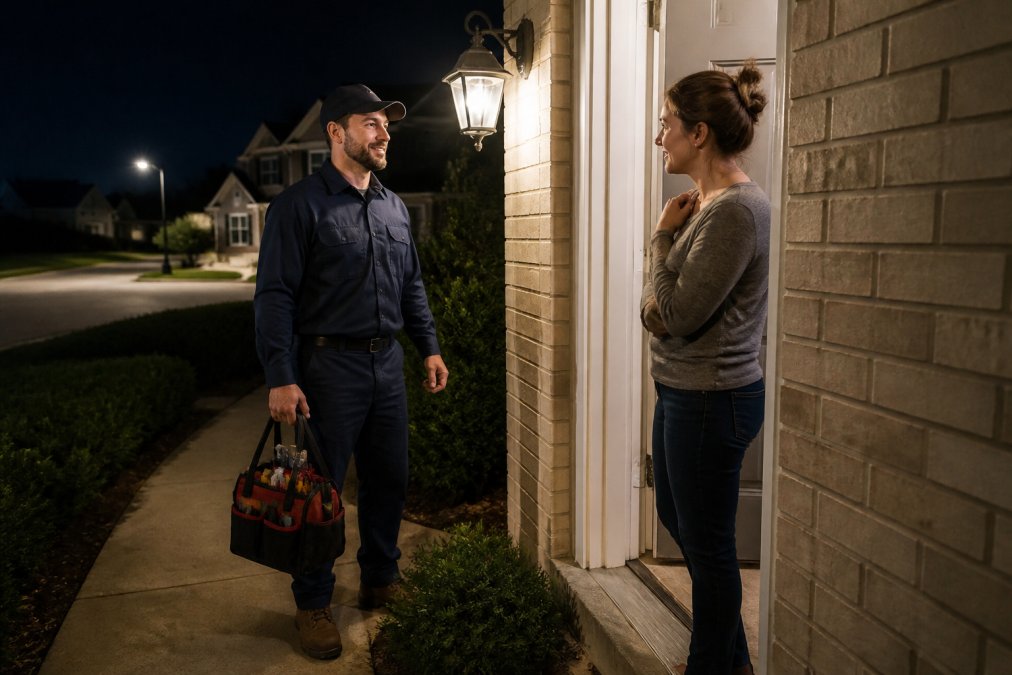
The most common complaint about emergency plumbing providers isn't price, it's vague arrival windows and no communication when those windows slip. One Colby Plumbing Company LLC customer called at 5:30 p.m. on a Friday and had a plumber arrive within 90 minutes with correct materials, completing a burst pipe repair in 30 minutes. That's what reliable looks like in practice.
Rapid Dispatch and Honest Communication
Rapid dispatch means a plumber is on-call and mobile, not someone driving from a warehouse 45 minutes away. For Denver metro homeowners, same-day service should be the baseline expectation for true emergencies.
Honest communication means a realistic arrival window, a call if that window changes, and a clear explanation of what was found and what the repair involves before work starts. On-call plumbers who go silent after the initial call signal poor operational discipline, which tends to show up in work quality.
Satisfaction Guarantees That Mean Something
A service guarantee is only as meaningful as the contractor's willingness to honor it. Ask not "do you have a guarantee?" but "what specifically does your guarantee cover, and what's the process if I have a problem after you leave?"
A real satisfaction guarantee covers the labor performed. If the repair fails or the problem recurs due to the work done, the contractor returns and fixes it at no additional charge. Colby Plumbing Company LLC backs work with a 100% satisfaction guarantee. Pricing integrity before the job is as important as workmanship integrity after it.
Choosing an Emergency Plumber in Denver: Vetting Checklist
Most people choose an emergency plumber by searching quickly and calling the first result. Use this checklist to vet any provider before you commit.
Before you call:
- Check Google and BBB reviews specifically for emergency service calls
- Confirm the company has a physical Denver metro address, not just a call center
- Look for how long the company has been operating in Denver specifically
On the phone:
- Ask for the plumber's Colorado license number
- Ask whether the company carries liability insurance and workers' comp
- Ask for a realistic arrival window and whether they will call if it changes
- Ask whether they provide written estimates before starting work
- Ask what their satisfaction guarantee covers
Before work begins:
- Get the estimate in writing, including labor and any parts
- Confirm the license number against the DORA database
- Clarify payment terms so there are no surprises at the end
Track record is the only reliable signal. A company serving the Denver metro area since 1996 with documented on-time arrivals and consistent pricing has a track record you can evaluate.
For Denver homeowners, Colorado's licensing requirements and the city's permit process through Denver Community Planning and Development mean code compliance is a real consideration. Work done without proper permits can complicate home sales and void homeowner's insurance claims. According to the Insurance Information Institute's guidance on home repairs and insurance, unpermitted work is a common reason insurers deny claims related to plumbing failures. Hire someone who handles the permit process as a standard part of the job.
Plumbing emergencies in Denver don't announce themselves in advance, and the quality of your response in the first 30 minutes determines most of the outcome. Colby Plumbing Company LLC has provided fast, licensed, and fairly priced emergency plumbing repair to the Denver metro area since 1996, with a 100% satisfaction guarantee and a documented record of arriving when we say we will and charging what we quoted. Contact us today to get a licensed professional on your side before the next emergency happens.
Frequently Asked Questions
How much does emergency plumbing repair cost in Denver?
Emergency plumbing repair costs in Denver vary based on the type of problem, time of day, parts required, and how long the job takes. After-hours calls for issues like a burst pipe or sewer backup typically cost more than standard daytime service. The best way to avoid surprise charges is to ask for a written estimate before work begins and confirm whether the quoted price covers labor, parts, and any after-hours fees. Contact Colby Plumbing Company LLC directly for a current quote.
How can I verify a plumber's license in Colorado?
Colorado requires plumbers to hold a state-issued license through the Colorado Department of Regulatory Agencies (DORA). You can verify any plumbing contractor's license status for free on the DORA online license lookup tool at dora.colorado.gov. Search by the contractor's name or license number. Always confirm the license is active and covers the type of work you need, residential, commercial, or both, before signing any agreement.
What should I do while waiting for an emergency plumber?
Shut off the main water supply immediately to stop water flow and limit damage. If the issue involves a water heater, turn off its gas or electrical supply. Move valuables and electronics away from standing water. Open windows if you smell sewer gas, and avoid using any drains or toilets connected to a backed-up sewer line. Document the damage with photos for insurance purposes. These steps protect your home and give the arriving plumber a cleaner, safer work environment.
Are 24/7 emergency plumbers in Denver actually reliable?
Reliability varies widely. A genuinely reliable emergency plumbing service answers calls immediately, gives you a clear arrival window, and shows up on time, every time. Red flags include vague ETAs, no written estimate before work starts, and no verifiable Colorado license. Family-owned companies with long local track records often outperform large national chains on response consistency. Ask specifically about their after-hours dispatch process and whether the same licensed technician handles the full repair.
This article was written using GrandRanker