 listicle
Energy Efficient Water Heater Upgrades: Benefits & ROI
Table of Contents
- Why Energy Efficient Water Heater Upgrades Matter
- Heat Pump Water Heaters: Maximum Savings and Sustainability
- Tankless Water Heaters: Hot Water on Demand Without Waste
- Federal Tax Credits for Water Heaters and Rebate Programs
- How to Choose the Right Water Heater Size for Your Home
- Water Heater Maintenance Tips for Long-Term Efficiency
- Installation Complexity and Hidden Costs to Know
- Comparing System Lifespan: Which Technology Lasts Longest
- Frequently Asked Questions
Last Updated: September 19, 2026
Why Energy Efficient Water Heater Upgrades Matter
An energy efficient water heater can reduce your household energy consumption by 20-50%, depending on which technology you choose. For most homeowners, water heating ranks as the second-largest energy expense after heating and cooling. This is where an energy efficient water heater upgrade delivers real savings, not just on your monthly utility bills, but on your overall home energy footprint.
The shift toward energy efficient water heaters isn't just about cutting costs. It's about making a smarter investment. Traditional tank water heaters waste energy continuously by maintaining hot water in a tank 24/7, even when you're not using it. Modern energy efficient water heater systems eliminate that waste through heat pump technology, tankless designs, or hybrid approaches.
At Colby Plumbing Company LLC, we've helped homeowners and property managers navigate this transition. We understand the real-world tradeoffs: upfront costs, installation complexity, and how these systems actually perform in your home. Below, we'll walk you through the major energy efficient water heater technologies, show you how to calculate your potential savings, and explain what federal tax credits and rebates you can access right now.
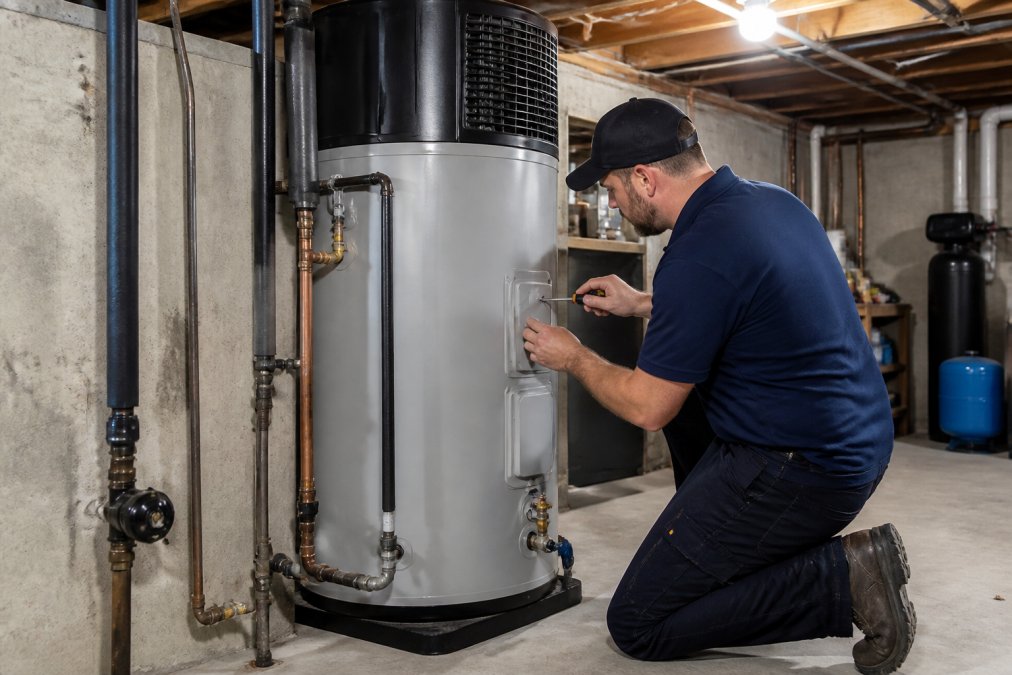
The numbers matter. An energy efficient water heater typically pays for itself in 5-10 years through reduced operating costs, depending on your local energy rates and usage patterns. After that payback period, you're essentially getting free hot water for the remaining lifespan of the unit.
Heat Pump Water Heaters: Maximum Savings and Sustainability
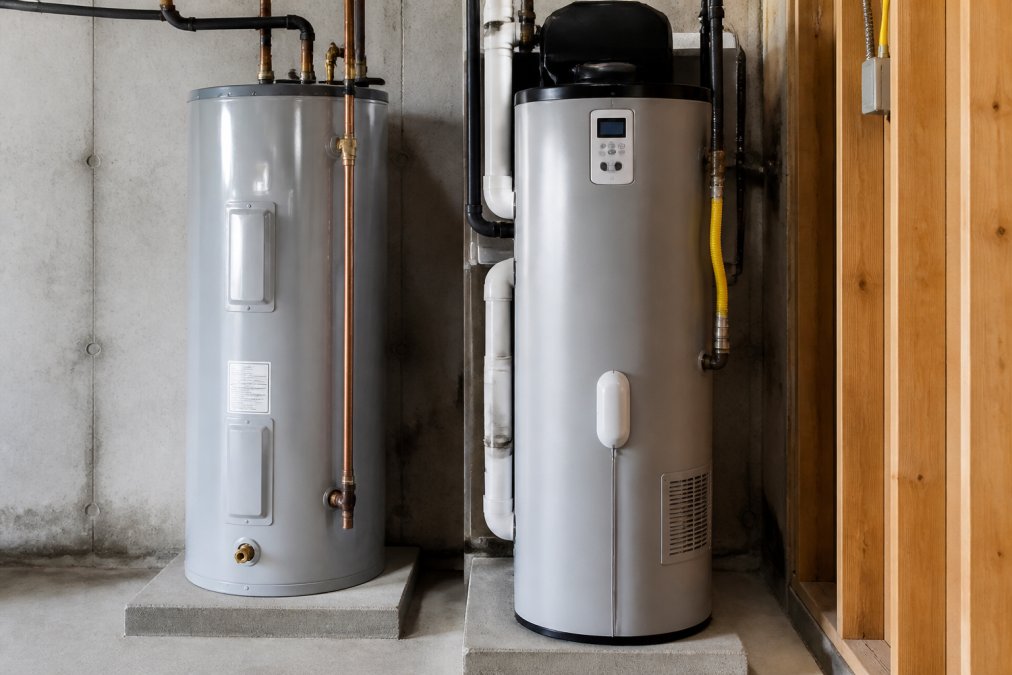
Heat pump water heaters use electricity to move heat from the surrounding air into the water, rather than generating heat directly. This approach delivers exceptional efficiency compared to traditional electric resistance tanks. ENERGY STAR certified heat pump water heaters reduce household energy consumption significantly, making them the top choice for homeowners prioritizing long-term savings.
How it works: The system extracts ambient heat from the air around it, even in cold climates, and concentrates that heat into your water. Because you're moving heat rather than creating it, the energy efficiency gains are substantial. A quality heat pump water heater can operate at an efficiency level 2-3 times higher than conventional electric tanks (Heat Pump Water Heater Guide).
The sustainability angle matters too. Heat pump water heaters produce lower carbon emissions over their lifespan compared to gas or electric resistance options. If your goal includes reducing your carbon footprint alongside cutting utility bills, this technology checks both boxes.
What to expect:
- Annual energy savings of several hundred dollars (exact amount depends on your climate and usage)
- Quieter operation than older electric tanks
- Ability to switch to "hybrid mode" for faster heating during peak demand
- Longer system lifespan than traditional tanks
The main drawback is the higher upfront cost. Heat pump water heaters command a premium price compared to standard electric units. Installation also requires adequate space and ventilation, which rules them out for some homes.
Tankless Water Heaters: Hot Water on Demand Without Waste
Tankless water heaters heat water only when you need it, eliminating the standby energy loss that plagues traditional tank models. This on-demand approach delivers hot water continuously without running out, making tankless systems ideal for larger households or homes with high simultaneous hot water demand.
A tankless water heater works by passing water through a heat exchanger as it flows through the unit. When you turn on a hot water tap, the system fires up and heats the water instantly. When you turn it off, the system shuts down. No storage tank means no wasted energy maintaining a tank of hot water overnight or while you're away.
The efficiency gains are real. By eliminating standby heat loss entirely, tankless units reduce energy consumption compared to tank models. The trade-off: tankless systems have higher upfront installation costs and may require upgrades to your gas lines, venting, or electrical service.
Key considerations:
- Installation complexity varies by fuel type (gas requires venting; electric requires high-amperage service)
- First-hour rating matters: check how much hot water the unit can deliver in the first 60 minutes
- Recirculation pumps can reduce wait time for hot water to reach distant fixtures
- Lifespan typically exceeds tank models by 5-10 years
A common mistake: assuming tankless means unlimited hot water instantly everywhere. There's still a delay while cold water in the pipes flushes out. Some models include recirculation pumps to address this, but that adds cost.
Federal Tax Credits for Water Heaters and Rebate Programs
The federal government currently offers tax credits for qualifying energy efficient water heater installations. These incentives make the upgrade more affordable by reducing your out-of-pocket cost.
Federal tax credits apply to heat pump water heaters and certain high-efficiency gas models that meet specific energy factor thresholds. The credit amount depends on the technology type and your household income. Check IRS guidance on energy property credits for current eligibility requirements and credit amounts for 2026.
Beyond federal credits, many states and local utilities offer additional rebates. These programs vary by location, some offer flat rebates ($500-$1,500), while others provide tiered incentives based on efficiency ratings. Contact your local utility company directly to ask what rebates apply to your situation.
The application process typically requires proof of purchase and sometimes professional installation documentation. Keep all receipts and installer paperwork. Many rebates require submission within 30-60 days of installation, so don't delay.
How to Choose the Right Water Heater Size for Your Home
Selecting the correct size is critical. An undersized unit leaves you running out of hot water during peak usage. An oversized unit wastes energy and money. The right size depends on your household's hot water demand and the type of system you're installing.
For tank systems, capacity is measured in gallons. A family of four typically needs a 50-60 gallon tank. Larger families or homes with multiple bathrooms may need 75-80 gallons. The first-hour rating matters more than total capacity, it tells you how much hot water the unit delivers in the first 60 minutes of use.
For tankless systems, sizing is based on flow rate (gallons per minute) and temperature rise. A whole-house tankless unit typically needs to handle 5-8 gallons per minute at your desired temperature increase.
Water Heater Maintenance Tips for Long-Term Efficiency
Proper maintenance extends your water heater's lifespan and keeps it operating at peak efficiency. Neglected systems degrade gradually, losing efficiency and developing costly problems.
Installation Complexity and Hidden Costs to Know
Ask for a detailed written estimate that breaks down labor, materials, permits, and disposal. Compare quotes from multiple licensed plumbers. The cheapest option isn't always the best, experience and warranty coverage matter.
Comparing System Lifespan: Which Technology Lasts Longest
Different technologies have different expected lifespans. Understanding longevity helps you calculate true cost-of-ownership.
Frequently Asked Questions
Can I get a federal tax credit for an energy-efficient water heater?
Yes. The Energy Improvement and Jobs Act offers tax credits for qualifying heat pump water heaters and other high-efficiency models. The credit amount depends on the specific technology and your household income. Check the IRS website or consult a tax professional to confirm your eligibility and the current credit amount. Many state and local utility programs also offer additional rebates beyond federal credits, so contact your utility provider for details on what's available in your area.
How much can I save on monthly utility bills with an energy efficient water heater?
ENERGY STAR certified heat pump water heaters can reduce household energy bills by approximately $600 per year compared to standard electric resistance tanks. Tankless models eliminate standby heat loss, further reducing energy consumption. Your actual savings depend on your current system's age, your local electricity rates, household hot water usage, and the specific model you choose. A professional assessment can help estimate your potential savings based on your home's specific conditions.
What is the lifespan of an energy-efficient water heater?
Heat pump water heaters typically last 10-15 years with proper maintenance. Tankless water heaters, particularly condensing models, often last 2-3 times longer than traditional tank models, reaching 20+ years. System longevity depends on water quality, maintenance habits, and the specific technology. Regular maintenance, including flushing and inspections, extends lifespan significantly. Professional installation and proper sizing also contribute to durability.
Why might a plumber recommend against tankless water heaters?
Some plumbers cite higher upfront installation costs, the need for upgraded gas lines or electrical service, and complex venting requirements. Tankless units also require more frequent maintenance and descaling in areas with hard water. However, the technology has improved significantly, and many modern tankless systems offer excellent efficiency and reliability. A professional assessment of your home's infrastructure will determine whether a tankless system is practical for your situation and whether installation costs are justified by long-term savings.
How do I know if an energy efficient water heater is worth the investment?
Calculate your payback period by dividing the upgrade cost by your annual utility savings. Most energy efficient systems pay for themselves within 5-10 years, then continue saving money for the remainder of their lifespan. Federal tax credits and utility rebates reduce upfront costs significantly. Consider your household's hot water needs, current system age, and plans to stay in your home. If your current water heater is over 10 years old or failing, upgrading to an efficient model makes financial and environmental sense.