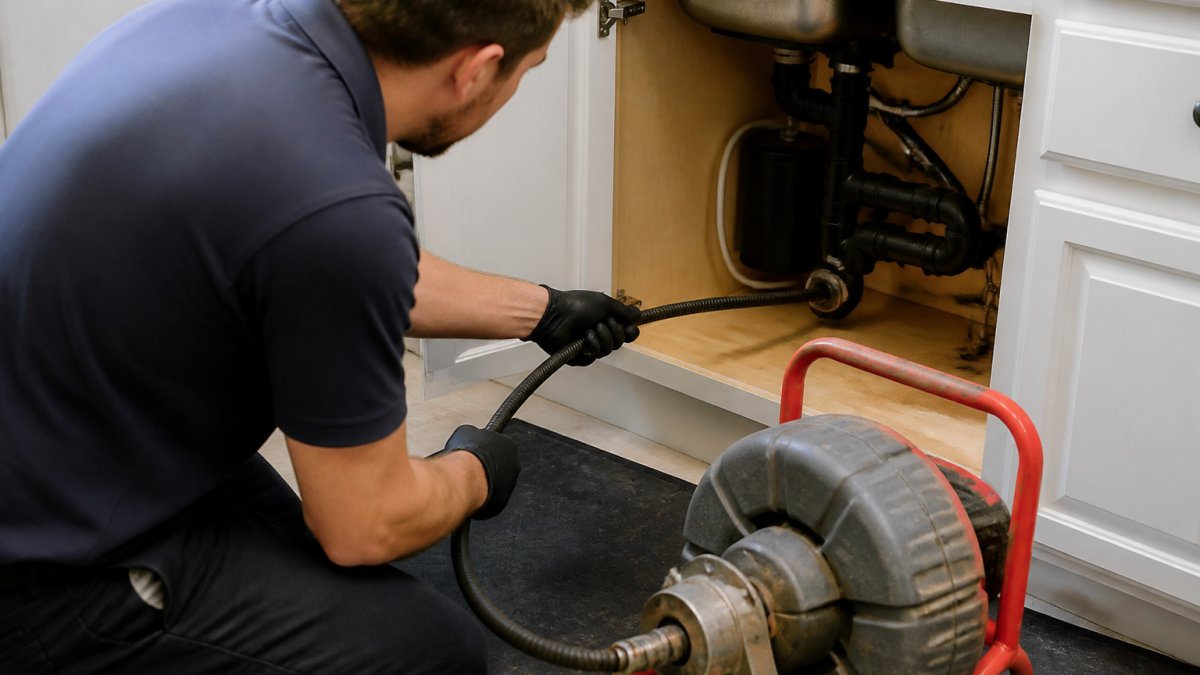
 how-to
How Long Does Drain Cleaning Take: A Guide
Table of Contents
- Average Time to Snake a Drain
- Factors Affecting Drain Cleaning Duration
- Hydro-Jetting vs Snaking: Timeline Differences
- Signs of a Main Sewer Line Blockage
- What to Expect During a Professional Service Visit
- Average Cost of Professional Drain Cleaning
- Post-Service Maintenance and Prevention
- Frequently Asked Questions
Last Updated: September 29, 2026
Average Time to Snake a Drain
The average time to snake a drain typically ranges from 30 minutes to two hours for a straightforward residential blockage. A professional plumber can often clear a simple clog in your kitchen or bathroom sink within this window. The actual duration depends on how quickly the plumber locates the obstruction and breaks through it with the drain auger.
Most common clogs, hair, soap buildup, and food debris, respond quickly to snaking. The plumber feeds the snake into the drain, rotates it to catch the blockage, and pulls it out. If the clog is stubborn or located deeper in the line, the process takes longer.
Here's what affects timing:
- Clog location: Surface clogs clear faster than those deep in the line
- Blockage type: Soft debris (hair, soap) versus hard obstructions (roots, mineral deposits)
- Pipe accessibility: Easier access means quicker work
- Equipment condition: Well-maintained equipment works faster
For how long does drain cleaning take in emergency situations, many homeowners find that a professional arrives faster than expected. A burst pipe or severe backup demands immediate attention, and skilled technicians prioritize these calls.
Factors Affecting Drain Cleaning Duration
Several variables determine how long your drain cleaning service will take. Understanding these factors helps you plan your day and set realistic expectations.
Clog severity is the biggest factor. A minor blockage that's only slowing water flow differs dramatically from standing water that won't drain at all. The more severe the obstruction, the longer the technician must work to clear it completely.
Pipe diameter affects how quickly a plumber can maneuver equipment. Larger commercial drain lines require different tools and techniques than residential pipes. A 2-inch residential drain clears faster than a 4-inch main line.
Blockage composition matters significantly. Here's why:
- Hair and soap: 20-40 minutes typically
- Food debris and grease: 30-60 minutes (may need hot water or chemical treatment)
- Tree roots: 60-120 minutes (requires specialized equipment)
- Mineral buildup: 45-90 minutes (stubborn deposits need aggressive treatment)
Distance from entry point changes the timeline. A clog ten feet from the cleanout takes less time than one fifty feet away. The plumber must feed the snake further and work harder to break through distant obstructions.
Pipe condition influences duration. Old, corroded pipes or those with multiple bends slow the process. A straight, modern drain clears faster than a vintage line with multiple turns and rough interior surfaces.
Water pressure and drainage also play a role. If water backs up into your sink or shower, the blockage is severe and demands more time to clear completely. Partial drains indicate a less serious clog.
Hydro-Jetting vs Snaking: Timeline Differences
Snaking and hydro-jetting are two distinct methods for clearing drains. Each has different time requirements and works best for specific situations.
Snaking uses a mechanical auger to break through blockages. This method is faster for most residential clogs. A typical snaking job takes 30 minutes to two hours. The plumber feeds the snake into the drain, rotates it to catch the obstruction, and pulls it back out. Once the blockage breaks apart, water flows freely again.
Hydro-jetting uses high-pressure water, often 3,000 to 4,000 PSI, to blast away buildup and debris. This process takes longer: typically 90 minutes to three hours. The technician must set up equipment, assess water pressure needs, and carefully direct the nozzle through the line to avoid pipe damage.
Here's the key difference:
| Method | Time Required | Best For | Equipment Setup |
|---|---|---|---|
| Snaking | 30-120 minutes | Hair, soap, food clogs | Minimal |
| Hydro-jetting | 90-180 minutes | Grease, mineral buildup, root intrusion | Extensive |
Hydro-jetting cleans pipes more thoroughly than snaking. It removes accumulated residue from pipe walls, not just the blockage itself. This thorough cleaning means fewer repeat clogs in the future. However, the extended duration and equipment requirements make it more expensive.
For how long does drain cleaning take with hydro-jetting in older homes, expect the longer timeline. Vintage plumbing systems need careful pressure management to prevent damage. A professional assesses your pipes first before deciding whether hydro-jetting is safe.
Snaking works well for immediate blockage removal. Hydro-jetting works better for long-term drainage system health. Your plumber recommends the best method based on your specific situation.
Signs of a Main Sewer Line Blockage
A main sewer line blockage is more serious than a single drain clog. This blockage affects your entire plumbing system, not just one fixture. Recognizing the warning signs helps you call for professional help before the problem becomes severe.
Multiple drains backing up simultaneously is the clearest indicator. If your kitchen sink, bathroom sink, shower, and toilet all drain slowly or not at all, the problem is likely in the main line. A single-drain clog affects only that fixture.
Sewage odors inside or outside your home signal a main line issue. You might notice foul smells near your foundation, in the yard, or coming from drains. These odors indicate sewage is not flowing away properly.
Soggy patches in your yard suggest a cracked or blocked sewer line. Sewage backs up and saturates the soil above the line. These wet areas often appear even when it hasn't rained recently.
Slow drainage throughout the house affects multiple fixtures. Water takes longer to drain from sinks, showers, and toilets. This widespread slowness points to a main line restriction rather than a local clog.
Toilet gurgling is another warning sign. When you use the sink or shower, the toilet gurgles or bubbles. This happens because sewage backs up and air escapes through the toilet trap.
Pest activity near your foundation may indicate a cracked sewer line. Rodents and insects enter through breaks in the pipe. If you notice increased pest problems near your home's base, have your sewer line inspected.
A main sewer line blockage requires professional diagnosis and repair. A camera inspection reveals the exact location and cause of the blockage. This service takes additional time but provides critical information for proper treatment.
What to Expect During a Professional Service Visit
When you schedule professional drain cleaning, understanding the process helps you prepare and know what happens during the service call.
The technician arrives with a van stocked with snakes, hydro-jetting equipment, and diagnostic tools. They'll ask about your symptoms: which drains are affected, how long the problem has existed, and what you've already tried. This information guides their approach.
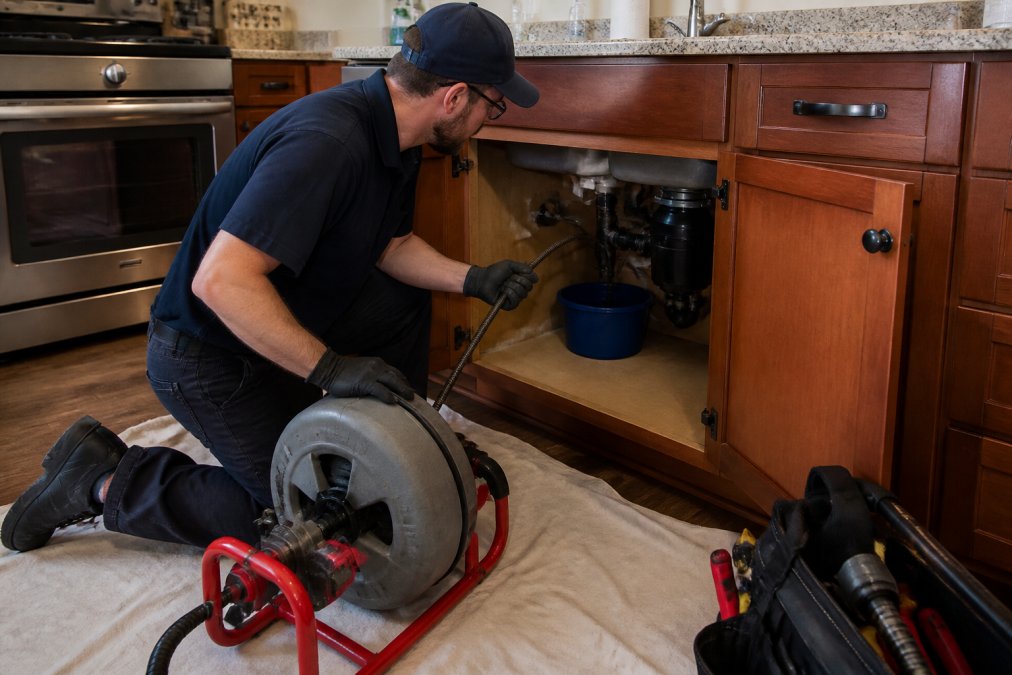
The plumber locates the cleanout, usually a capped pipe in your basement, crawlspace, or yard. They remove the cap to access the main drain line. For single-drain clogs, they may work directly from the sink or toilet.
The diagnostic step comes next. The technician may use a camera to inspect the line and identify the blockage location and type. This takes 15-30 minutes but provides valuable information about what's causing the problem.
Once they understand the situation, they select the appropriate tool. For most clogs, they'll use a mechanical snake. For stubborn buildup or multiple blockages, they may recommend hydro-jetting.
The actual cleaning process varies:
- Snake insertion and rotation: 20-60 minutes
- Hydro-jetting setup and execution: 60-120 minutes
- Camera inspection (if needed): 15-30 minutes
- Cleanup and testing: 10-20 minutes
The plumber tests the drain after clearing it. They run water through the line to confirm proper flow. If water drains quickly and completely, the job is done.
Before leaving, the technician explains what caused the clog and recommends preventative measures. They may suggest scheduling regular maintenance if your home has recurring problems.
Average Cost of Professional Drain Cleaning
Drain cleaning costs vary based on the method, severity, and your location. Understanding pricing factors helps you budget appropriately.
Snaking is the most affordable option for how long does drain cleaning take and what you'll pay. Pricing depends on clog severity and whether the blockage is in a single drain or the main line.
Hydro-jetting costs more because it requires specialized equipment and takes longer.
Post-Service Maintenance and Prevention
After professional drain cleaning, preventative maintenance keeps your drains clear and reduces the need for future service calls.
Watch for warning signs of developing problems:
- Slow drains in multiple fixtures
- Gurgling sounds from toilets
- Sewage odors
- Wet spots in the yard
- Pest activity near the foundation
Frequently Asked Questions
How long does drain cleaning take for a typical residential drain?
Most residential drain cleaning jobs take 30 minutes to 2 hours, depending on clog severity and location. Simple clogs near the fixture surface clear quickly, while blockages deeper in the drainage system require more time. A professional plumber can assess your specific situation and provide a time estimate before starting work.
What factors most affect how long drain cleaning takes?
The main factors are clog location, severity, pipe diameter, and the cleaning method used. Clogs near the drain opening clear faster than those in the main sewer line. Root intrusion, mineral buildup, and standing water also extend service duration. Professional plumbers evaluate these conditions to determine the total labor time needed.
How do I know if I have a main sewer line blockage?
Signs of a main sewer line blockage include multiple slow-draining fixtures throughout your home, sewage backups in lower-level drains, gurgling sounds from plumbing fixtures, and standing water in your yard. If you notice these warning signs, contact a professional plumber for a camera inspection to confirm the blockage location and severity.
Is hydro jetting faster than snaking for drain cleaning?
Hydro jetting and snaking serve different purposes and timelines. Snaking removes the immediate blockage and typically takes 30 minutes to 1 hour. Hydro jetting cleans the entire pipe interior and takes longer but provides superior drainage efficiency. Your plumber will recommend the best method based on your clog type and pipe condition.