 listicle
How to Choose a Reliable Plumber for Bathroom Remodel
Table of Contents
- Why a Bathroom Remodel Demands a Specialist Plumber
- How to Verify Plumbing License and Insurance Before You Hire
- Key Questions to Ask a Plumber Before Bathroom Remodel
- Understanding the Bathroom Remodel Plumbing Timeline
- Evaluating Quotes, Pricing Transparency, and Hidden Fees
- Red Flags When Vetting a Reliable Plumber
- Contract Protections and Warranty Expectations for Bathroom Remodels
- Conclusion: Making the Final Call on Your Reliable Plumber
- Frequently Asked Questions
Last Updated: September 14, 2026
Why a Bathroom Remodel Demands a Specialist Plumber
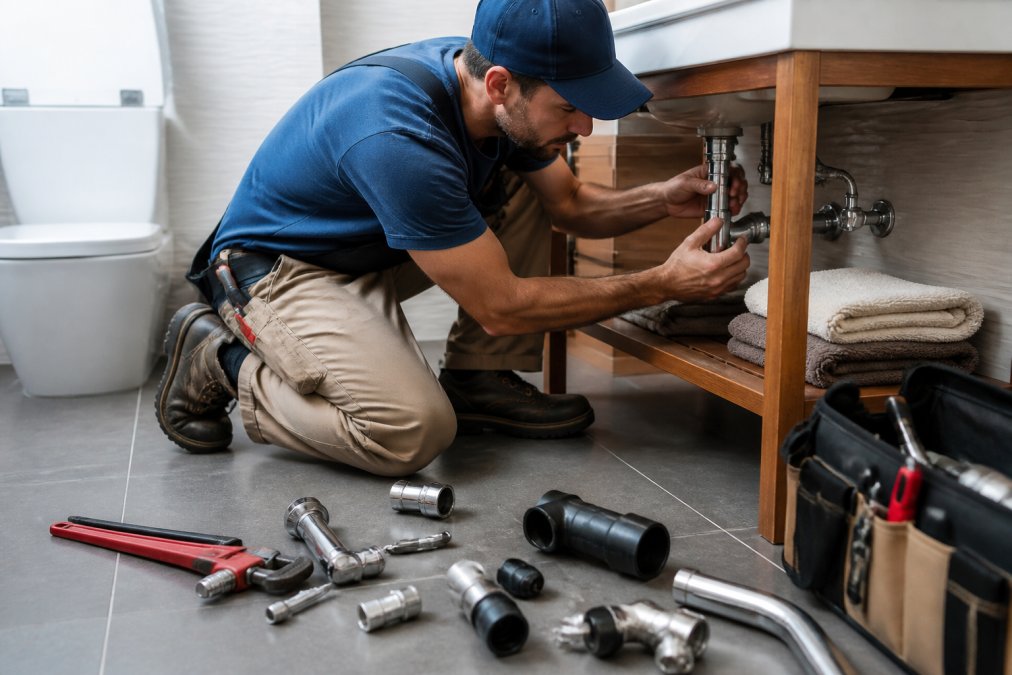
Choosing a reliable plumber for a bathroom remodel is different from hiring someone to clear a clogged drain. A remodel involves moving supply lines, relocating drains, and setting fixtures that must align with tile, waterproofing, and cabinetry. Get it wrong, and the mistake hides behind a finished wall until it leaks.
At Colby Plumbing Company LLC, we've handled remodel plumbing since 1996, and the pattern is consistent: homeowners who vet carefully avoid the expensive redo. The work falls into two phases, and both demand different skills.
A bathroom remodel plumber needs three capabilities most general handymen lack:
- Rough-in plumbing: running and repositioning supply and drain lines inside open walls
- Code compliance: meeting local building codes so inspections pass the first time
- Fixture installation: setting toilets, vanities, and showers to manufacturer specs
Miss any one, and you're paying twice. The sections below walk through exactly how to verify a plumber before you sign anything.
How to Verify Plumbing License and Insurance Before You Hire
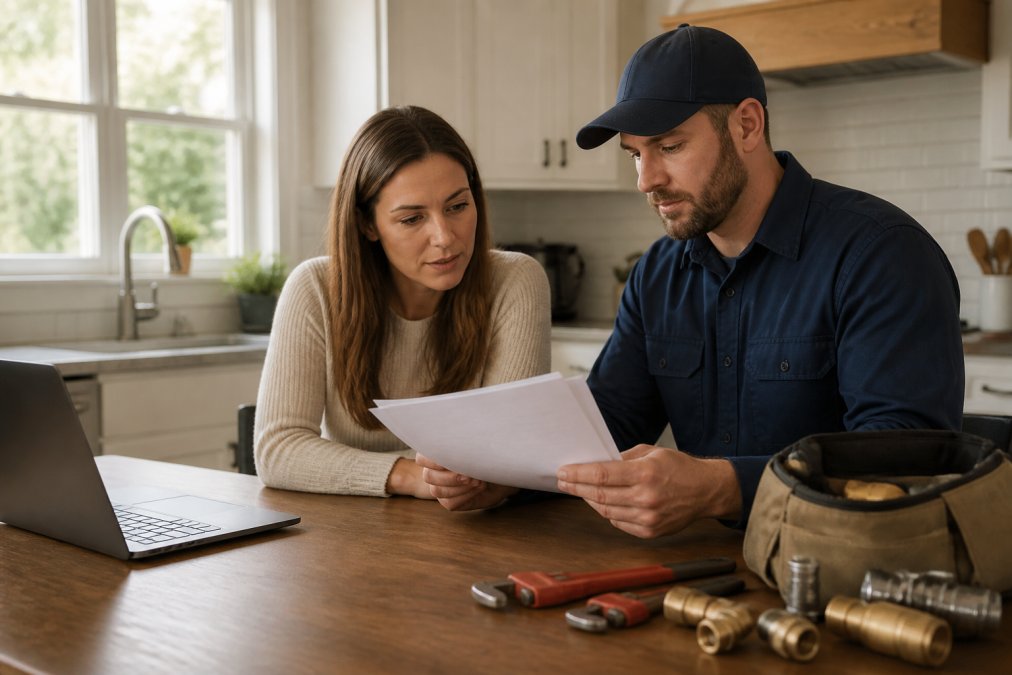
Verification is the single step most homeowners skip, and it's the one that protects you most. A licensed and insured plumber carries both a state-issued credential and active liability coverage. If either is missing, you absorb the risk.
Checking State and Local Licensing Databases
Every state runs a licensing board with a public lookup tool. Search the plumber's name or business name, then confirm three things: the license is active, it covers the work you need, and it's held by the person or company quoting you, not a subcontractor you've never met.
Ask for the license number directly. A plumber who hesitates or deflects is telling you something. The National Association of State Contractors Licensing Agencies directory links to state boards where you can confirm credentials in minutes.
Confirming Liability Insurance and Workers' Comp Coverage
Call the insurer listed on the certificate and confirm the policy is current. Liability insurance covers damage to your home; workers' comp covers injuries to workers on your property. Without workers' comp, an injured plumber can pursue your homeowner's policy (osha.gov).
Key Questions to Ask a Plumber Before Bathroom Remodel
The questions you ask before hiring reveal more than the answers themselves. A seasoned plumber welcomes specifics; a vague one deflects. The list below goes beyond generic interview questions and focuses on the bathroom-specific mechanics that create the most liability for homeowners.
Permit Questions That Actually Protect You
Permits are the single most misunderstood part of a bathroom remodel, and most homeowners never ask who pulls them. In most jurisdictions, plumbing work that moves or adds supply lines, relocates a drain, or replaces a water heater requires a permit and an inspection. Cosmetic swaps like replacing a faucet or a toilet in the same location often do not.
Ask these directly:
- "Will you pull the plumbing permit, and is the permit fee in your quote?" A plumber who pulls permits is accountable to an inspector. A plumber who asks you to pull a homeowner permit is shifting liability onto you, and some jurisdictions restrict homeowner permits to owner-occupied, single-family work.
- "Who schedules the rough-in inspection, and what happens if it fails?" The plumber should schedule it, be present, and cover the cost of any correction. A failed inspection that stalls your tile crew is a scheduling and financial problem you want assigned in writing.
- "Will you provide the inspection sign-off documentation when the job closes?" You want the paper trail for resale, insurance claims, and any future warranty dispute.
Scope, Crew, and Change Order Questions
- "Who does the work, your crew or subcontractors?" You want to know who is in your home and who holds the license on the work. If subcontractors are used, ask for their license numbers too.
- "Is your estimate a fixed quote or an hourly rate?" Flat-rate pricing protects you from surprises when a drain proves harder to move than expected.
- "What is your process for change orders?" Any scope change should be documented and priced in writing before the work proceeds. Verbal approvals are how budgets blow up.
- "Do you offer a labor warranty, and for how long?" A workmanship guarantee separates pros from fly-by-nights. Ask whether it covers labor only or labor and materials.
- "Can you provide references from recent bathroom remodels?" Ask for projects finished in the last year, and ask specifically whether the plumber coordinated with the tile setter and the inspector.
Understanding the Bathroom Remodel Plumbing Timeline
The bathroom remodel plumbing timeline splits into two distinct phases, and understanding them helps you coordinate every other trade. A typical remodel runs several weeks, with plumbing bookending the project.
Rough-In Phase vs. Fixture Installation Phase
Rough-in plumbing is the first phase: running new supply lines and drain pipes inside open walls before drywall and tile go up. This is when drains get repositioned and shower valves get set. It must pass inspection before walls close.
Fixture installation comes last: setting the toilet, connecting the vanity, mounting the showerhead, and testing every connection. Between the two phases, tile setters, electricians, and drywall crews do their work.
| Phase | When It Happens | What Gets Done | Who's Involved |
|---|---|---|---|
| Rough-in | First, before walls close | Supply and drain lines, shower valves | Plumber, then inspector |
| Inspection | After rough-in | Code compliance check | Local building department |
| Fixture install | Last, after tile and paint | Toilet, vanity, shower, trim | Plumber |
| Final test | Project end | Leak and pressure checks | Plumber, homeowner |
Get the sequence wrong and you'll tear out finished tile to fix a misplaced drain. A reliable plumber coordinates the schedule with your other contractors so nobody waits.
Evaluating Quotes, Pricing Transparency, and Hidden Fees
A written estimate should itemize labor, materials, permits, and fixtures separately. When quotes arrive as one lump sum with no breakdown, you can't tell what you're paying for or challenge a line item later.
Watch for these pricing red flags:
- Verbal-only quotes: anything not in writing doesn't exist
- No permit line item: permits cost money, and a quote that omits them means someone's cutting a corner
- Vague "miscellaneous" charges: ask what falls under them
- Pressure to pay a large deposit upfront: a reasonable deposit secures materials, not the whole job
Pricing models vary. Some plumbers bill an hourly rate plus materials; others use flat-rate pricing that locks in a number before work starts. Flat-rate pricing offers predictability, which matters on a remodel where scope can shift. Regardless of model, ask how change orders get priced and documented before you sign.
Red Flags When Vetting a Reliable Plumber
A reliable plumber shows up on time, communicates clearly, and puts everything in writing. The opposite signals are easy to spot once you know them, but the red flags that matter most on a bathroom remodel are the ones tied to work that will be hidden behind tile and drywall.
Remodel-Specific Red Flags
These are the signals that separate a plumber who does bathroom remodels from one who mostly clears drains and swaps water heaters.
- Reluctance to pull permits or suggestions you "skip" them. This is the highest-stakes red flag on a remodel. Unpermitted rough-in plumbing can void insurance coverage for water damage and surface during a future home inspection.
- No mention of a rough-in inspection. A plumber who plans to close the walls without an inspection is either unlicensed for the work or cutting a corner you will pay for later.
- Vague answers about drain slope and venting. Drain lines need proper slope and venting to work (2024 Uniform Plumbing Code). A plumber who waves off the question or says "we'll figure it out on site" is signaling inexperience with rough-in work.
- Unwillingness to coordinate with your tile setter or general contractor. Bathroom remodel plumbing is a sequencing problem. A plumber who won't talk to the other trades will cause a tear-out.
- No written scope of work. A one-line quote for a bathroom remodel is not a scope. You need to see what is included, what is excluded, and which fixtures and materials are specified.
- Cash-only payment demands with no invoice. No paper trail means no warranty, no lien protection, and no recourse.
- High-pressure same-day signing discounts. Legitimate plumbers do not need to pressure you into a decision before you have read the contract.
- No references, or references who won't return calls. On a remodel, ask references specifically about permit handling and inspection outcomes.
How to Weigh What You Find
One flag alone might be a misunderstanding. Two or more means walk away. The pattern matters more than any single answer, and the flags that cluster around permits, inspections, and written scope are the ones most likely to cost you real money on a bathroom remodel.
Contract Protections and Warranty Expectations for Bathroom Remodels
Bathroom remodels carry more contractual risk than a simple repair because so much work hides behind finished surfaces. Your service agreement should address four protections before you sign.
- A detailed scope of work: exactly what's included, what isn't, and which fixtures and materials are specified
- Change order process: how scope changes get priced and approved in writing
- Lien waiver: a signed document confirming subcontractors and suppliers have been paid, protecting you from liens on your home
- Labor warranty: how long workmanship is guaranteed and what it covers
Post-installation warranty expectations matter most here. A workmanship guarantee should cover labor if a connection fails or a fixture leaks due to installation error, separate from the manufacturer's warranty on the fixture itself. Ask how long the labor warranty runs and whether it survives the final payment. Many homeowners don't ask until something leaks, and by then the terms are set.
Conclusion: Making the Final Call on Your Reliable Plumber
Vetting a plumber takes an afternoon of phone calls and one careful read of a contract. That effort protects thousands of dollars and months of disruption. The homeowners who skip it are the ones who pay to redo the work.
Colby Plumbing Company LLC has served the Denver metro area since 1996 as a family-owned, licensed operation. Our seasoned professionals handle rough-in and fixture installation for bathroom remodels, back every job with a 100% satisfaction guarantee, and provide fast, affordable service with transparent pricing. When you're ready to move from vetting to hiring, contact us today and get your remodel plumbing done right the first time.
Frequently Asked Questions
What is the 135 rule in plumbing?
The 135 rule is a common guideline for drain pipe sizing and slope. It states that a drain pipe should slope at a rate of 1/4 inch per foot for pipes 2 inches or smaller, and 1/8 inch per foot for pipes 3 inches or larger. This ensures proper drainage and prevents clogs. When hiring a plumber for a bathroom remodel, ask if they follow this rule for rough-in plumbing to avoid future drainage issues.
How do I verify a plumbing license and insurance?
Start by asking the plumber for their license number and insurance certificate. Then verify the license through your state or local licensing board's online database. For insurance, call the provider directly to confirm the policy is active and covers general liability and workers' compensation. A reliable plumber will gladly provide this information upfront. Never hire someone who hesitates or cannot produce these documents.
What questions should I ask a plumber before a bathroom remodel?
Ask about their experience with bathroom remodels, whether they handle permits, how they manage rough-in plumbing and fixture installation, and what their timeline looks like. Also ask for references from similar projects, whether they use subcontractors, and what warranties they offer on labor and materials. Get everything in writing, including a detailed scope of work and written estimate, before any work begins.
What are the red flags of an unreliable plumbing contractor?
Red flags include refusing to provide a written estimate, asking for full payment upfront, lacking a license or insurance, giving vague answers about timelines, and not having a physical business address. Also watch for high-pressure sales tactics, no references, and unwillingness to put warranty terms in writing. If a plumber avoids your questions or rushes you, walk away and find someone else.
How can I tell if a plumbing quote is fair?
Get at least three written estimates for the same scope of work. Compare not just the total price but what's included: permits, materials, labor, cleanup, and warranty. A fair quote itemizes costs and explains any variables that could change the price. Be wary of quotes that are significantly lower than others, as they may cut corners or hide fees. Ask about change orders and how they're priced.