 how-to
How to Document Plumbing Repair Issues
Table of Contents
- Why Documenting Plumbing Repair Issues Matters
- Step 1: Photograph and Document the Initial Damage
- How to Write a Plumbing Repair Request
- How to Document Water Damage from a Plumbing Leak
- Using a Plumber's Report Template
- Organizing Plumbing Repair Receipts and Warranties
- Documentation for Insurance Claims and Disclosures
- Common Mistakes to Avoid When Documenting Repairs
- Frequently Asked Questions
Last Updated: October 4, 2026
Why Documenting Plumbing Repair Issues Matters
Proper documentation of plumbing repair issues protects you financially, legally, and practically. Learning how to document plumbing repair work ensures you have evidence when disputes arise.
At Colby Plumbing Company LLC, we've seen countless situations where homeowners and property managers lost money or faced unnecessary delays because they didn't document problems properly.
Documentation serves multiple critical purposes. It establishes a timeline of when problems started. It shows the extent of damage before repairs began.
The stakes are real. A burst pipe can cause thousands in water damage. A failed repair can lead to mold, foundation issues, or sewage backups. Without documentation, proving causation or timeline becomes nearly impossible.
Step 1: Photograph and Document the Initial Damage
What to capture in photographs
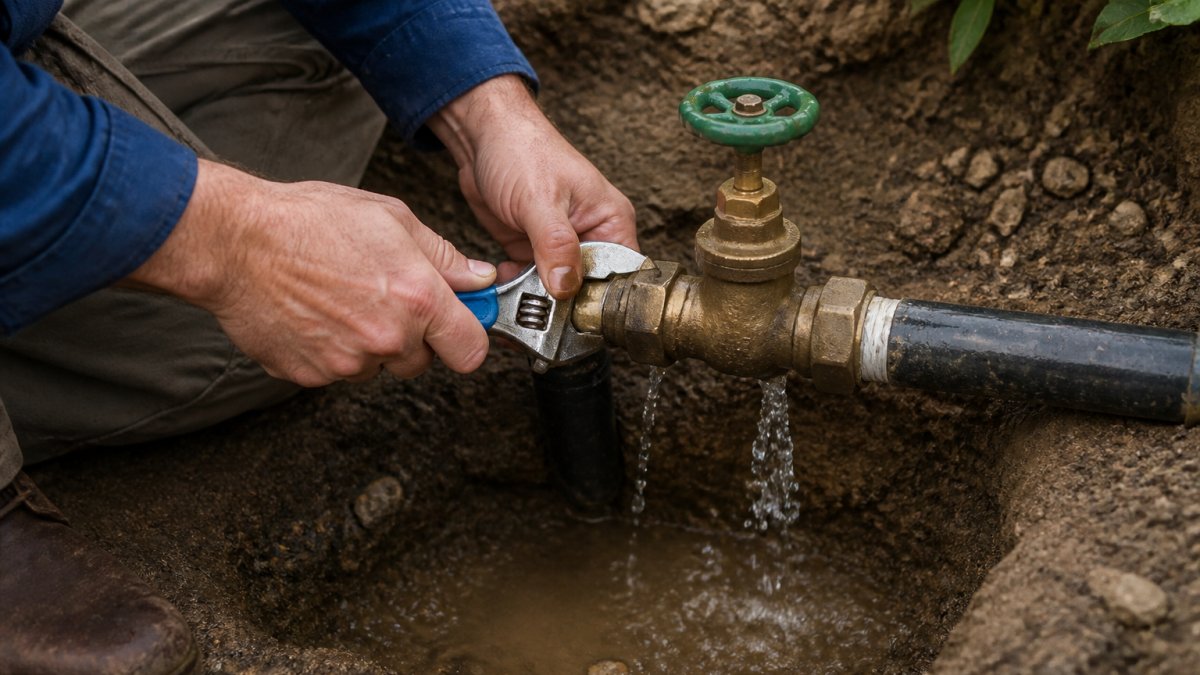
Start photographing immediately when you discover a plumbing problem. Take photos from multiple angles and distances. Include wide shots showing the damaged area in context, then close-ups showing specific damage details.
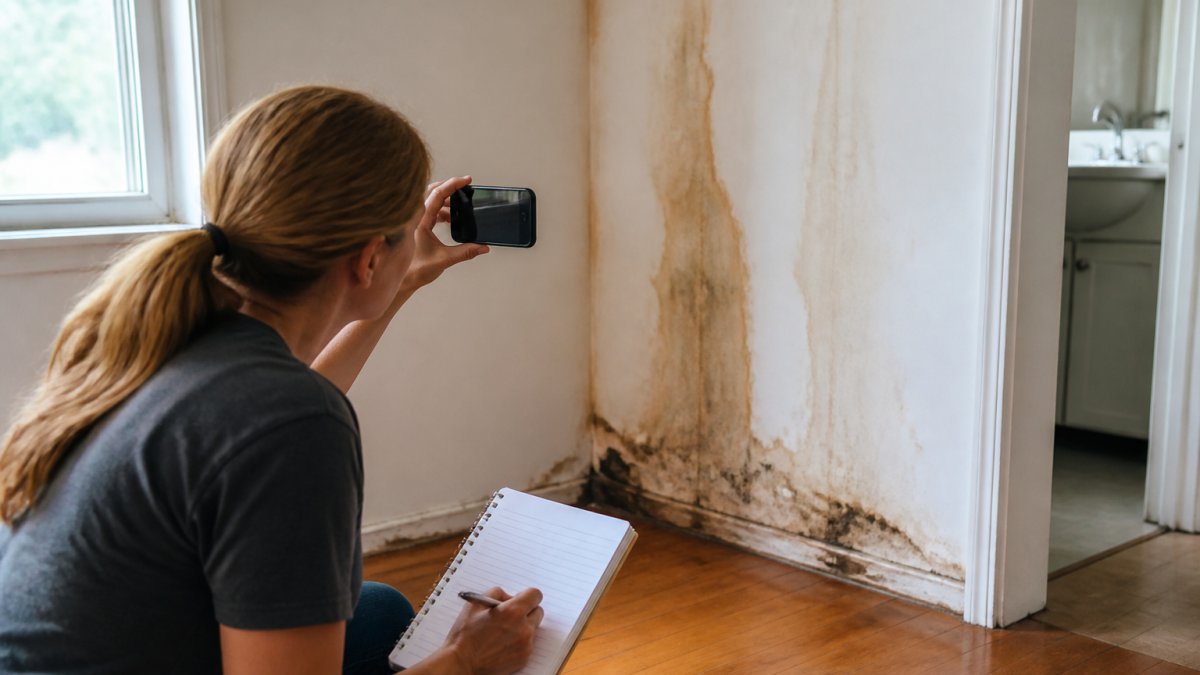
Capture these specific elements:
- The leak source or problem area clearly visible
- Water staining, discoloration, or pooling water
- Affected materials (drywall, flooring, insulation, paint)
- Date and time visible in the photo metadata
- The surrounding area to show scope of damage
Use your phone camera. Modern phones automatically embed date and time in photo data. Take 10-15 photos minimum. More is better than fewer. Include photos before any cleanup or repair attempts.
If water is actively pooling or flowing, photograph it. If a pipe is visibly corroded or burst, capture that. If you can see the source of the leak, document it.
Creating a detailed incident log
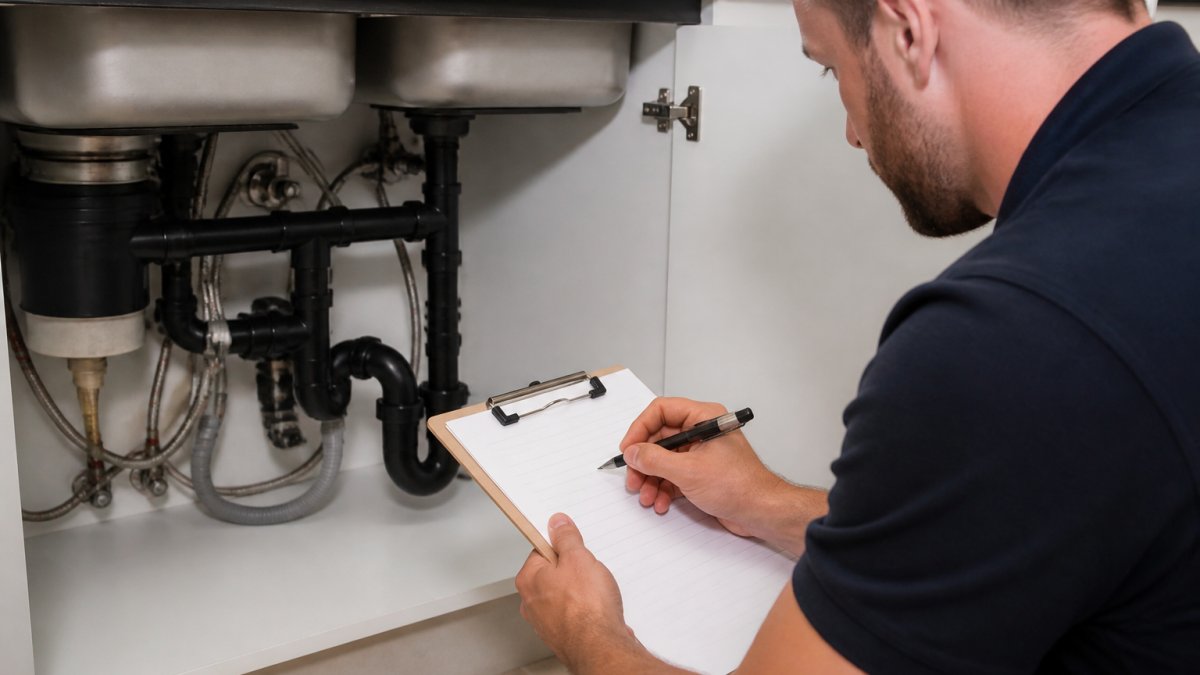
Write down what you observed when you discovered the problem. Record the exact date and time. Note weather conditions if relevant (heavy rain before a leak, for example).
Document these details:
- Date and time of discovery
- How you noticed the problem (water dripping, smell, visible damage)
- Location of the issue in your home or building
- Initial assessment of severity
- Actions taken immediately (shut off water, called plumber, etc.)
- Names of anyone who witnessed the problem
Keep this log in a single document you can add to over time. Use a notebook, a Word file, or a phone note app. Consistency matters more than format. Include page numbers or dates if using a physical notebook.
How to Write a Plumbing Repair Request
Essential information to include
When you contact a plumber or submit a repair request to a landlord, clarity prevents miscommunication and creates a written record.
Include these elements in writing:
- Specific location of the problem (address, room, pipe location if known)
- Description of what's wrong (leak, clog, sewage backup, etc.)
- When the problem started
- How severe it is (active leak, occasional drip, slow drain)
- Photos attached showing the issue
- Any prior repair attempts
- Impact on occupancy or safety
Write in plain language. Avoid guessing about technical causes. Say "water is dripping from the pipe under the sink" not "the P-trap is failing." Let the plumber diagnose the cause.
Communicating with landlords and tenants
If you're a tenant, written notice protects you. Send an email or letter describing the problem. Keep a copy. This creates a timestamped record that you reported the issue.
For landlords managing properties, document tenant reports in writing. Request that tenants report problems in writing or follow up verbal reports with email confirmation. This protects both parties.
Use this communication pattern:
- State the problem clearly and specifically
- Include the date you first noticed it
- Attach photos if possible
- Request a timeline for repairs
- Keep copies of all correspondence
Written records are admissible in court if disputes arise. Verbal reports leave no evidence. Always follow up conversations with email confirmation: "Per our phone call on [date], I reported a leak in the kitchen. You said you'd send a plumber on [date]."
How to Document Water Damage from a Plumbing Leak
Identifying affected areas and materials
Water damage spreads beyond the visible leak. It soaks into drywall, insulation, subflooring, and wood framing. Document all affected materials, not just the obvious wet spot.
Check for damage in these locations:
- Walls and ceilings above and below the leak source
- Flooring (hardwood, tile, carpet, subflooring)
- Insulation in walls or attics
- Wood framing, joists, and beams
- Foundation or basement areas if water runs downward
- Adjacent rooms and spaces
Photograph each affected area. Take photos showing the extent of damage. Include close-ups of staining, discoloration, or soft materials. If drywall is soft or spongy, press gently and photograph it. If wood is darkened or warped, document that.
Recording extent and progression
Document how the damage changes over time. Take photos on day one, day three, and day seven after the leak starts. Mold can develop within 24-48 hours in humid conditions (the CDC). Water damage worsens if not dried quickly.
Create a damage log with these details:
- Date and time of each observation
- Areas of new damage discovered
- Changes in existing damage (spreading, darkening, etc.)
- Moisture readings if you have a moisture meter
- Any odors (musty smell indicates mold growth)
- Temperature and humidity conditions
- Photos taken on each date Maintaining this level of granular detail establishes a reliable paper trail that mirrors the professional standards used when documenting site defects throughout the broader construction process.
This progression record is crucial for insurance claims. It shows the damage wasn't pre-existing and wasn't caused by neglect. It demonstrates the severity and speed of water damage.
Using a Plumber's Report Template
What a professional report includes
When you hire a licensed plumber, request a written report that documents plumbing repair details comprehensively. A good plumbing repair report documents the work and protects both you and the contractor.
A complete plumber's report includes:
- Description of the problem found
- Root cause of the issue
- Photos of the damage and the repair
- Materials used and their cost
- Labor hours and rates
- Total invoice amount
- Warranty information on parts and labor
- Permit numbers if applicable
- Recommendations for future maintenance
Ask your plumber for before and after photos. Request an itemized invoice showing parts and labor separately. This detail prevents disputes about charges and creates a record of what was actually repaired.
Creating your own documentation template
If you manage a property or track multiple repairs, create a simple template. This ensures consistent documentation across all plumbing issues.
Use this basic template format:
| Element | Details |
|---|---|
| Date Reported | [Date] |
| Location | [Room/Area] |
| Problem Description | [What's wrong] |
| Initial Photos | [Yes/No - date taken] |
| Plumber Called | [Date and time] |
| Repair Completed | [Date] |
| Total Cost | [Amount] |
| Warranty Period | [Duration] |
| Follow-up Needed | [Yes/No] |
Print or save multiple copies. Fill one out for every plumbing issue. Store them in a binder or digital folder organized by date or location. This creates a complete repair history for your property.
Organizing Plumbing Repair Receipts and Warranties
What to keep from repair invoices
Don't throw away invoices after you pay them. Keep every receipt, invoice, and work order related to plumbing repairs. These documents prove you maintained your property and can be crucial for insurance claims or if you sell the home.
Retain these documents:
- Itemized invoices showing parts and labor
- Receipts for materials purchased
- Work orders describing the repair
- Photos taken by the contractor
- Warranty cards for new fixtures or equipment
- Permits issued for the work
- Inspection reports if required
Organize invoices chronologically. Create a folder for each year. Label each document clearly with the date, plumber name, and problem fixed. If you're digital, scan invoices and store them with backup copies.
Storing warranty information and work orders
Warranties protect you if a repair fails prematurely. A new water heater might have a 10-year tank warranty. A plumbing repair might come with a one-year labor warranty.
Create a warranty log with this information:
- Equipment or repair covered
- Warranty period (start and end dates)
- What's covered (parts, labor, or both)
- Exclusions or limitations
- Contact information for warranty claims
- Original invoice or proof of purchase
Store warranty documents in a safe, accessible place. A filing cabinet, a labeled box, or a digital folder all work. The goal is being able to find proof of warranty within minutes if you need to file a claim.
Documentation for Insurance Claims and Disclosures
Preparing documentation for insurance
Insurance companies require solid evidence to approve claims. Documentation you've kept throughout the repair process becomes your claim file.
Gather these materials for your claim:
- Photos of damage taken immediately after discovery
- Timeline showing when the problem started
- Incident log with dates and observations
- Plumber's report and invoice
- Photos of completed repairs
- Receipts for any emergency mitigation (water extraction, dehumidifiers)
- Communication records with contractors or landlords
- Proof of maintenance (showing you didn't neglect the problem)
Submit your claim with photos, invoices, and a written summary. The summary should describe the problem, when it occurred, what damage resulted, and what repairs were made. Attach all supporting documents.
Insurance adjusters review claims based on evidence. Clear, organized documentation speeds approval and increases the likelihood of full reimbursement.
Home purchase disclosures and plumbing records
If you're selling a home, disclosure laws require you to reveal known plumbing issues. Keeping repair records protects you legally and helps buyers understand the property's condition.
Maintain records showing:
- All plumbing problems discovered and repaired
- Date of each repair and contractor information
- Current condition of plumbing systems
- Any ongoing issues or limitations
- Permits obtained for major work
- Inspection reports from past years
Provide this documentation to potential buyers. It demonstrates you maintained the property responsibly. It also prevents liability claims if a buyer discovers an undisclosed problem later.
Common Mistakes to Avoid When Documenting Repairs
Not taking photos immediately is a major mistake. Memory fades. Damage worsens. Contractors may dispute what the original problem looked like.
Relying on verbal communication creates no record. A contractor's promise to fix something "for free" means nothing without written confirmation.
Throwing away invoices and receipts is costly. You lose proof of what was repaired and when.
Failing to document the extent of water damage underestimates the actual impact.
Not keeping repair records organized wastes time when you need them.
Assuming the plumber's report is complete is risky. If the report lacks detail, ask for clarification or request additional documentation.
Delaying documentation makes it less reliable. Document immediately while details are fresh.
Water damage from plumbing failures can cost thousands to repair.
Frequently Asked Questions
What should you include in a plumbing repair record?
A complete plumbing repair record should include the date and time the issue was discovered, detailed photographs of the damage, a description of the problem, the name and license number of the licensed plumber who performed the repair, the specific work completed, materials used, cost breakdown, and the date the repair was finished. Keep invoices, work orders, and any warranty information together. This documentation protects you in insurance claims, property disputes, and future home sales.
Should you take photos before a plumber repairs a leak?
Yes, always photograph leaks and water damage before repair work begins. Capture wide shots showing the affected area and close-ups of the damage, staining, and the source of the leak. Include timestamps and date stamps on photos when possible. These images serve as evidence for insurance claims, landlord-tenant disputes, and provide a baseline for assessing the full extent of damage. They also help your plumber understand the problem and plan the repair.
How do you document water damage from a plumbing issue?
Document water damage by photographing affected materials like drywall, flooring, and paint before any cleanup or repair. Note the date discovered, location, and estimated area affected. Describe the type of water (clean, gray, or sewage backup) and any visible mold or odors. Keep receipts for any emergency water removal or remediation services. Store this documentation with your insurance information and plumbing repair records. This evidence is critical for insurance claims and establishing the cause and timeline of damage.
What records should you keep after a plumbing repair?
After repair work is complete, retain the itemized invoice, work order, and warranty information for at least 5-7 years. Store the licensed plumber's license number and company information. Keep photographs of the completed repair and any testing or verification performed to confirm the system functions properly. If the repair involved permits or building code compliance, file those documents as well. Organize these records by date and issue type, either physically or digitally, for future reference during property sales, insurance claims, or if similar issues arise.