 how-to
How to Find a Reliable Emergency Plumber
Table of Contents
- Immediate Steps During a Plumbing Emergency
- How to Verify Plumbing Licenses and Insurance
- Questions to Ask Before Hiring an Emergency Plumber
- Understanding Emergency Plumbing Cost Estimates
- Signs of a Reputable Emergency Plumbing Contractor
- Evaluating Online Reviews and Customer Ratings
- What to Expect After the Emergency Repair
- Conclusion
Last Updated: August 17, 2026
Immediate Steps During a Plumbing Emergency
The first few minutes after discovering a plumbing emergency determine how much damage occurs. Before calling a reliable emergency plumber, take action to minimize water damage and prevent the situation from worsening.
Locate your main water shut-off valve immediately. This valve controls water flow to your entire home and is typically located near the water meter in a basement, crawl space, or utility closet. Turn it clockwise to shut off the water supply completely. Knowing where it is beforehand saves critical minutes during an actual emergency.
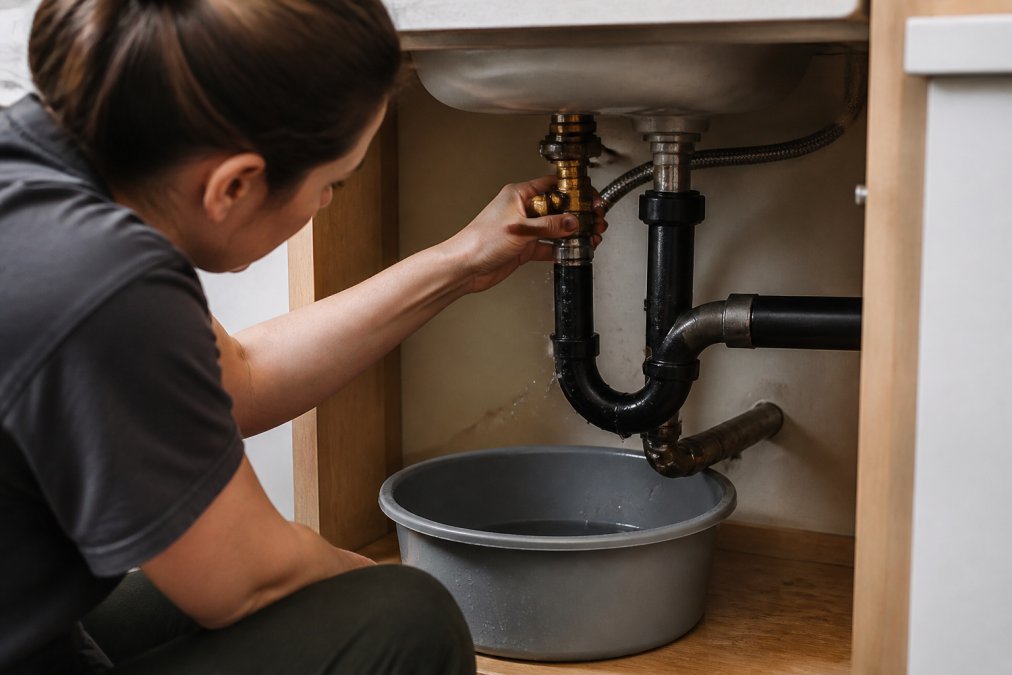
For localized leaks, close the shut-off valve under that specific fixture. Most sinks, toilets, and washing machines have individual shut-off valves. Turn these clockwise to stop water to just that appliance, allowing you to keep water running elsewhere in your home while waiting for help.
Move water away from valuables using towels, buckets, or a wet vacuum to contain standing water and direct it toward a drain or outside. This prevents damage to flooring, drywall, and personal items.
Document the damage with photos or video before touching anything else. Your insurance company will need evidence of what happened. Photograph the leak source, water damage to floors and walls, and affected belongings.
Don't attempt major repairs yourself. Burst pipes, severe backups, or water heater failures require licensed professionals with proper equipment. Focus on containment while you locate and contact a reliable emergency plumber.
How to Verify Plumbing Licenses and Insurance
Before hiring an emergency plumber, confirm they hold valid licensing and insurance. This protects you from liability if something goes wrong during the repair.
A licensed plumber has completed required training, passed examinations, and holds credentials issued by your state or local jurisdiction. Ask the plumber directly for their license number, then verify it through your state's licensing board or local health department website. Most states maintain searchable online databases where you can confirm the license is current and in good standing.
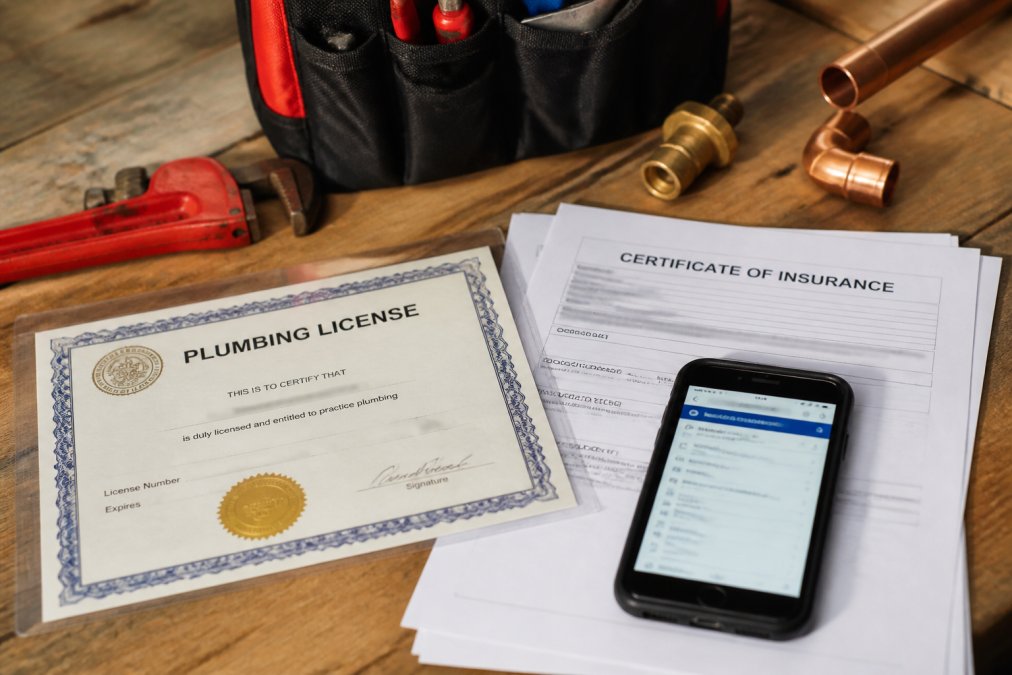
Insurance protects you if the plumber damages your home or is injured on your property. A reliable emergency plumber carries general liability insurance and workers' compensation coverage. Request proof of insurance before work begins, a certificate of insurance or declaration page showing active coverage. Call the insurance company directly to verify the policy is valid.
Ask about membership in professional trade associations like the Plumbing-Heating-Cooling Contractors Association (PHCC). Membership signals commitment to professional standards and accountability.
Check background information through the Better Business Bureau (BBB) or online contractor directories to see complaint history and how the company responds to issues. Verify the company maintains a physical business address, not just a phone number, which shows stability and accountability.
Questions to Ask Before Hiring an Emergency Plumber
The right questions reveal whether you're dealing with a professional who will handle your emergency properly.
What's your response time for emergency calls? A reliable emergency plumber commits to specific timeframes, typically arriving within 30-60 minutes for genuine emergencies. Understand their dispatch process and how they prioritize calls.
Do you charge a service call fee? Most emergency plumbers charge a fee just to come out and diagnose the problem, which typically applies to the final bill if you hire them for the repair.
Will you provide a written estimate before starting work? A professional always gives a written estimate that details the work scope, parts needed, labor costs, and timeline. Never authorize work without a written estimate in hand.
What's included in your warranty? Ask whether they warranty their labor, the parts they install, or both, and how long the warranty lasts.
Are you licensed and insured? Ask directly and request proof you can verify independently.
How do you handle emergency pricing? Ask whether they charge extra for nights, weekends, or holidays to understand their pricing structure upfront.
Do you offer financing options? For major repairs, ask whether they offer payment plans or financing.
Can you provide references? A company confident in their work provides references readily. Call at least two recent customers to ask about response time, professionalism, and whether the repair held up over time.
Understanding Emergency Plumbing Cost Estimates
Emergency plumbing costs depend on the problem severity, time of day, and parts required. Understanding how estimates work prevents confusion and helps you make informed decisions.
The estimate should itemize labor, parts, and any service charges separately. Labor typically charges hourly or at a flat rate for the specific repair. A detailed estimate shows exactly what you're paying for.
Ask whether the estimate includes all parts and labor or if additional charges might apply during the repair. Clarify upfront whether the estimate covers only the obvious problem or includes contingencies for complications.
Understand the difference between emergency and routine pricing. After-hours service, weekend calls, and holidays typically cost more than standard business-hours repairs. A reliable emergency plumber explains these surcharges clearly in the estimate.
Get multiple estimates if time allows. For non-life-threatening emergencies like a slow drain or minor leak, call 2-3 companies and compare their estimates. For true emergencies like burst pipes or gas leaks, call immediately and don't delay for multiple quotes.
Confirm what happens if you decline the repair after the estimate. Most companies charge the service call fee whether you proceed or not, as this compensates them for their time and expertise in diagnosing the problem.
Signs of a Reputable Emergency Plumbing Contractor
Certain behaviors and practices distinguish reliable emergency plumbers from those who prioritize quick profits over quality service.
A reputable contractor arrives on time or calls ahead if running late. Professional plumbers respect your schedule and communicate proactively.
They explain the problem clearly in language you understand without using jargon to confuse you or justify unnecessary work. You should feel confident you understand what's wrong and why the repair costs what it does.
They clean up after themselves, removing old materials and leaving your home in better condition than they found it.
They provide written documentation of what they did, including an invoice showing the work performed, parts installed, labor hours, and warranty information.
They stand behind their work with a satisfaction guarantee or warranty on labor, demonstrating confidence in their own work.
They communicate pricing honestly without pressure tactics, high-pressure sales tactics, or sudden price increases.
They maintain professional credentials and memberships, keeping licenses current and carrying proper insurance.
Evaluating Online Reviews and Customer Ratings
Online reviews provide insight into how a reliable emergency plumber actually performs under real-world conditions.
Look for reviews specifically about emergency service. Search for reviews mentioning "emergency," "urgent," "after-hours," or similar terms that directly address your situation.
Pay attention to response time mentions. Multiple reviews commenting on fast arrival during emergencies suggest this company prioritizes emergency calls.
Read reviews about pricing transparency. Customers often comment on whether the final bill matched the estimate or if surprise charges appeared.
Notice how the company responds to negative reviews. A professional company addresses complaints respectfully and offers solutions.
Consider the review source. Reviews on third-party platforms like Google, Yelp, or the Better Business Bureau are more reliable than the company's own website.
Look for patterns rather than individual reviews. Consistent patterns of complaints about the same issue indicate genuine problems.
Check review dates. Recent reviews reflect current service quality better than old reviews.
What to Expect After the Emergency Repair
Understanding the post-repair process helps you know what comes next and when to follow up if problems persist.
The plumber should explain what they fixed, what parts they replaced, and any recommendations for future maintenance. Ask them to walk you through the repair and show you the work if possible.
You'll receive a final invoice showing all work completed, parts used, labor hours, and applicable fees. Compare this to the written estimate you approved. Everything should match unless you explicitly authorized additional work.
Understand your warranty coverage. The plumber should provide written documentation of any warranty on their labor or installed parts. Keep this documentation in case you need warranty service later.
Monitor the repaired system for the next few days. If the repair involved a leak, check that area periodically for signs of moisture. If it involved a fixture, use it normally and watch for problems.
Know when to call back for warranty service. If the same problem recurs within the warranty period, contact the plumber immediately. A reliable emergency plumber honors their warranty and returns to fix the problem at no charge.
Keep all documentation including the invoice, warranty information, and photos of the completed work. This paperwork supports insurance claims, helps future plumbers understand your home's history, and provides evidence of the warranty if issues arise later.
Finding a reliable emergency plumber requires verification, clear communication, and careful evaluation before you're in crisis mode. Start now by identifying your main water shut-off valve, researching local plumbers in your area, and checking their licenses and insurance. When an actual emergency strikes, you'll know exactly who to call and what to expect. At Colby Plumbing Company LLC, we understand the stress of emergency plumbing situations. Our licensed professionals arrive quickly, provide transparent estimates, and stand behind our work with a 100% satisfaction guarantee. When you need fast, professional emergency service, contact Colby Plumbing Company LLC for immediate assistance.
Frequently Asked Questions
How can I verify if a plumber is licensed and insured?
Request their license number and insurance certificate before work begins. Verify the license through your state's licensing board or contractor database, most states maintain searchable online registries. Call the insurance company listed on their certificate to confirm active coverage. A licensed professional plumber carries both liability insurance and workers' compensation insurance. Never hire someone who refuses to provide proof or whose credentials don't check out.
What questions should I ask an emergency plumber before hiring?
Ask about their response time, whether they charge a service call fee, how they calculate labor costs (hourly rate or flat-rate pricing), and if they provide a written estimate before starting work. Inquire about their warranty on labor and parts, whether they're a licensed professional with trade association membership, and what happens if the repair fails. Ask specifically how they'll handle unexpected issues that arise during the repair and whether the final bill could exceed the estimate.
What should I do immediately when I discover a plumbing emergency?
First, shut off the main water supply at the main water shut-off valve to prevent water damage. For a pipe burst or major leak, turn off water immediately and open faucets to drain remaining pressure. Stop using plumbing fixtures to avoid worsening the issue. If there's active water damage, move valuables away from the affected area and place towels or buckets to contain water. Then contact a licensed emergency plumber with 24-hour service availability. Document the damage with photos for insurance purposes.
How much does emergency plumbing service typically cost?
Emergency plumbing pricing depends on the time of day, complexity of the repair, parts needed, and your location. Most contractors charge an after-hours surcharge for nights, weekends, and holidays. Service call fees vary, and labor may be billed hourly or at a flat rate. Rather than estimate costs, contact a licensed contractor directly for a written estimate before authorizing work. Request transparency about all charges, service fee, labor rate, parts markup, and any emergency surcharges, to avoid surprise bills.
This article was written using GrandRanker