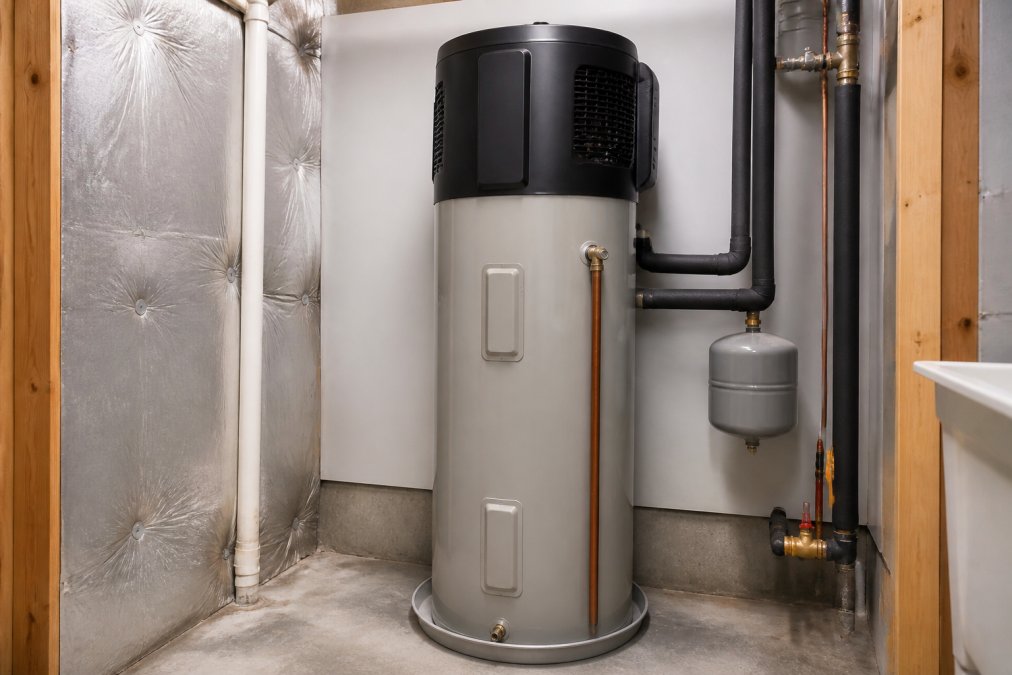
 ultimate-guide
Hybrid Water Heater: How It Works & Key Benefits
Table of Contents
- What Is a Hybrid Water Heater?
- How Hybrid Water Heater Technology Works
- Hybrid Water Heater Pros and Cons
- Energy Efficiency and Cost Savings
- How to Choose the Right Water Heater Size
- Hybrid Water Heater Maintenance Tips
- Installation Requirements and Space Considerations
- Frequently Asked Questions
Last Updated: September 21, 2026
What Is a Hybrid Water Heater?
A hybrid water heater is a water heating system that combines heat pump technology with traditional electric resistance heating elements to deliver hot water more efficiently than conventional electric water heaters. The system works by extracting thermal energy from the surrounding air and transferring it to your water storage tank, then activating electric backup elements only when necessary to maintain desired temperatures.
Think of it as a two-stage approach: the heat pump handles most of the heating work during normal conditions, while the electric resistance elements kick in during peak demand or cold weather. This dual-mode operation is what makes hybrid water heaters significantly more energy-efficient than standard electric models. The efficiency advantage comes from the fundamental physics of heat transfer, moving existing heat requires far less electricity than generating heat from scratch.
Homeowners and property managers often confuse hybrid water heaters with traditional tank-style electric heaters or tankless models. The key distinction is the integrated heat pump system. Unlike a standard electric water heater that relies entirely on resistance coils, a hybrid water heater actively pulls thermal energy from ambient air, making it perform better across varying climate conditions. This technology has become increasingly common in residential installations over the past decade as energy efficiency standards have tightened.
How Hybrid Water Heater Technology Works
Understanding hybrid water heater operation requires familiarity with two core systems working in tandem: the heat pump mechanism and the electric backup elements. The heat pump extracts thermal energy from the air around the unit, while the electric elements provide supplementary heating when the heat pump alone cannot meet demand.
Heat Pump Operation and Refrigerant System
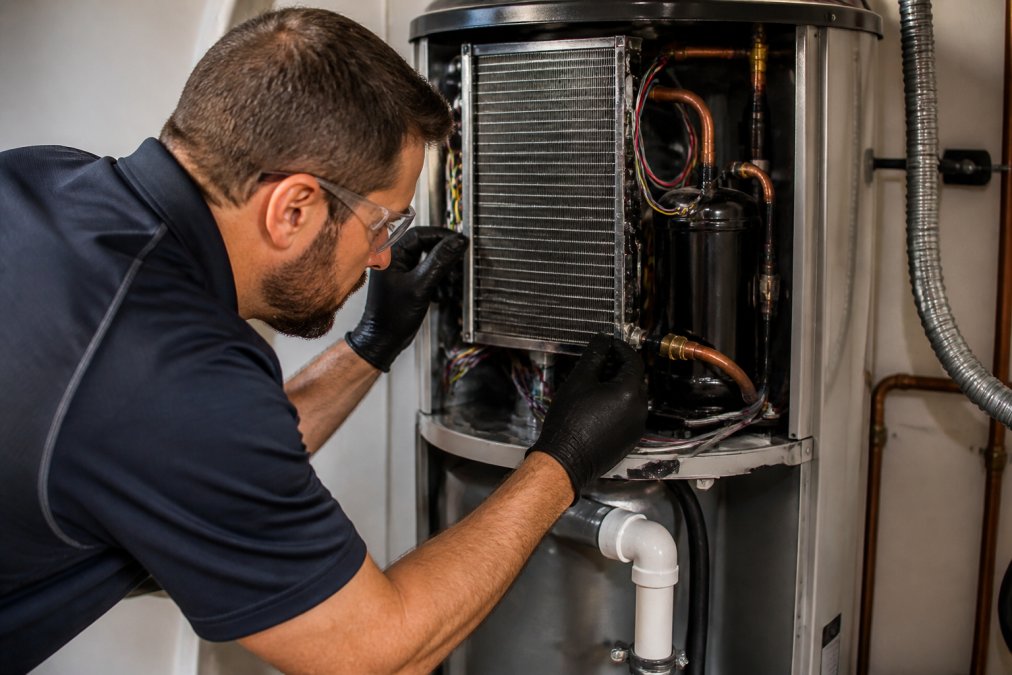
The heat pump operates on the same thermodynamic principle as an air conditioning unit, but in reverse. A refrigerant circulates through the system, absorbing thermal energy from the ambient air through an evaporator coil, then releasing that heat into the storage tank through a condenser coil. The compressor pressurizes the refrigerant, which raises its temperature and allows efficient heat transfer to the water.
This process continues as long as the ambient air temperature remains above the refrigerant's boiling point. The evaporator coil pulls thermal energy from surrounding air, even cold air contains usable heat. The refrigerant vaporizes as it absorbs this energy, the compressor increases its pressure, and the now-hot refrigerant transfers its heat to water in the tank. Condensate forms on the evaporator coil during this process and must drain away through a condensate drainage system.
The efficiency of this heat pump cycle depends heavily on ambient air temperature. As outdoor temperatures drop, the temperature difference between the air and the refrigerant shrinks, reducing the system's ability to extract heat efficiently. This is where the electric backup elements become essential.
Electric Backup Elements and Operating Modes
Electric resistance heating elements provide supplementary warmth when the heat pump cannot keep pace with demand. Most hybrid water heaters operate in one of three modes: heat pump only, hybrid (both systems active), or electric only.
Heat pump mode activates during periods of lower demand or warmer ambient conditions. The system draws thermal energy from the air and transfers it to the tank without using electric resistance. This mode delivers the highest efficiency and lowest operating costs.
Hybrid mode engages when hot water demand increases or ambient air temperature drops significantly. Both the heat pump and electric elements operate simultaneously to meet the household's heating needs. The electric elements activate faster than the heat pump alone can respond, making hybrid mode essential during morning showers or evening peak usage periods.
Electric-only mode activates in extreme cold or during high-demand situations when the heat pump cannot keep up. Some units automatically switch to this mode when ambient temperature falls below a threshold, typically around 40°F. This ensures consistent hot water availability even in challenging climate conditions.
Hybrid Water Heater Pros and Cons
Hybrid water heaters deliver significant advantages in most residential applications, though they carry trade-offs worth understanding before installation.
Advantages:
- Substantially lower energy consumption compared to standard electric models
- Reduced monthly utility bills, particularly in moderate climates
- Quieter operation than many heat pump systems due to optimized compressor design
- Smaller physical footprint than traditional tank models in some configurations
- Integration with existing plumbing infrastructure without major modifications
- Dehumidification benefit, the evaporator coil removes moisture from surrounding air
Disadvantages:
- Higher upfront purchase price relative to conventional electric water heaters
- Requires adequate clearance around the unit for air intake and exhaust
- Performance degrades in very cold climates without supplementary heating
- Longer recovery time during peak demand periods compared to electric-only units
- Noise generation from the compressor, though minimal in modern designs
- Potential for condensate drainage issues if installation clearance is inadequate
The noise level consideration deserves attention.
Energy Efficiency and Cost Savings
The energy efficiency advantage of hybrid water heaters stems from the coefficient of performance (COP) of the heat pump system. A COP of 2.5 means the system delivers 2.5 units of heating energy for every 1 unit of electrical input. Standard electric water heaters operate at a COP of approximately 1.0, they convert electricity directly to heat with no amplification.
How to Choose the Right Water Heater Size
Selecting the correct storage tank capacity requires understanding your household's peak hot water demand. Tank size directly affects the system's ability to meet simultaneous demand from multiple fixtures, showers, washing machines, dishwashers running at once.
Hybrid Water Heater Maintenance Tips
Regular maintenance extends system life and preserves efficiency. Unlike standard electric water heaters that require minimal servicing, hybrid systems need periodic attention to their heat pump components.
Installation Requirements and Space Considerations
Proper installation determines whether your hybrid water heater performs as designed. Several specific requirements differ from standard electric water heater installations.
Frequently Asked Questions
Is it worth getting a hybrid water heater?
A hybrid water heater makes sense if you want to reduce energy consumption and lower operating costs over time. They use heat pump technology to transfer thermal energy from surrounding air rather than generating heat directly, which typically results in lower electricity bills than standard electric resistance water heaters. The upfront cost is higher, but many homeowners recover the investment through utility savings and federal tax credits within 5-10 years. The value depends on your current energy costs and how much hot water your household uses.
What is the average lifespan of a hybrid water heater?
Hybrid water heaters typically last 10-15 years with proper maintenance. The compressor and heat pump components are generally durable, though they may require more service than traditional electric resistance elements. Regular maintenance such as filter cleaning, condensate line flushing, and annual inspections can extend the unit's life. If major compressor repairs are needed after 10 years, replacement may be more cost-effective than repair. Always check the manufacturer's warranty coverage for your specific model.
Do hybrid water heaters require special electrical wiring?
Most hybrid water heaters require 240-volt electrical service, similar to standard electric water heaters, but some models need dedicated circuits and specific voltage requirements. Installation clearance and ventilation requirements are more demanding than traditional units because the heat pump needs adequate air intake and exhaust air pathways. A licensed plumber can assess your home's existing electrical system and determine if upgrades are necessary. Improper installation can reduce efficiency and void the warranty, so professional installation is strongly recommended.
How much space is needed for a hybrid water heater to operate efficiently?
Hybrid water heaters need adequate space for air circulation around the evaporator coil and compressor. Most manufacturers recommend at least 1,000 cubic feet of air space in the installation area, such as a basement, utility room, or garage. The unit also requires clearance for maintenance access and condensate drainage. Cramped spaces can restrict air intake and reduce the heat pump's ability to extract thermal energy, lowering efficiency. Ensure your installation location has proper ventilation and meets all local building codes and manufacturer specifications.
Which is better, a tankless water heater or a hybrid water heater?
Hybrid and tankless water heaters serve different needs. Tankless units heat water on demand with no storage tank, ideal for unlimited hot water and small spaces, but they cost more upfront and struggle with simultaneous multiple uses. Hybrid water heaters store heated water in a tank and use heat pump technology for efficiency, providing good capacity and lower operating costs. Hybrids perform better in cold climates and work with existing plumbing, while tankless units suit homes with high hot water demand and space constraints. Your choice depends on your household's usage patterns, available space, and climate conditions.
What are common error codes on hybrid water heaters, and what do they mean?
Common error codes vary by manufacturer but often indicate issues like low ambient air temperature, compressor malfunction, or condensate line blockages. A code related to ambient temperature means the heat pump cannot extract enough thermal energy from the surrounding air, typically in very cold climates. Compressor codes signal mechanical failure requiring professional service. Condensate drainage codes indicate a clogged or frozen drain line. Check your manual for specific codes, and contact a licensed plumber if errors persist after basic troubleshooting like checking air intake vents and clearing blockages.
How does climate affect hybrid water heater performance?
Hybrid water heaters perform best in moderate to warm climates where ambient air temperature stays above 40°F. In colder regions, the heat pump works harder to extract thermal energy, and the electric backup elements activate more frequently, reducing efficiency gains. Extremely cold climates may require a unit with higher capacity or enhanced insulation. Conversely, warm climates maximize heat pump efficiency and minimize backup element use, delivering the greatest energy and cost savings. Understanding your local climate and seasonal temperature variations helps determine whether a hybrid unit will meet your hot water needs year-round.