 ultimate-guide
Cost of Repiping a Home in Denver: 2026 Guide
Last Updated: October 22, 2026
Quick Summary
The cost of repiping a home in Denver for a 2,400-square-foot house typically ranges from $9,000 to $20,000 or more for a full repipe including both water supply and drain-waste-vent piping, depending on pipe material, bathroom count, and plumbing access. PEX supply lines cost $4,500-$8,000, while copper supply lines run $7,000-$12,000, with DWV piping adding $5,000-$10,000 to the project.
- A full repipe with PEX supply lines costs $9,000-$16,000 for typical 2,400-square-foot homes with two to three bathrooms.
- PEX piping costs less and installs faster than copper but copper offers 50+ years of proven longevity.
- Slab-on-grade homes, finished basements, and more than three bathrooms typically land at or above the top of cost ranges.
- Permits, inspections, and drywall restoration should be confirmed in writing as included or separate line items.
- Labor is the largest portion of repiping estimates and varies by home access, fixture count, and whether supply lines, DWV piping, or both are replaced.
Table of Contents
- What Whole-House Repiping Costs in Denver
- Cost to Repipe a 2,400-Square-Foot House
- PEX vs. Copper Repiping Cost: Which Material Fits Your Budget
- Factors That Affect Your Home Repiping Estimate
- How Long Does It Take to Repipe a House
- What's Included in a Full Repipe: Scope and Permits
- Restoration and Repair After Repiping
- Getting a Written Quote and What to Expect
- Frequently Asked Questions
What Whole-House Repiping Costs in Denver
Whole-house repiping is a significant plumbing investment. The cost of repiping a home in Denver depends on your home's size, pipe material, and plumbing complexity.
At Colby Plumbing Company LLC, we've helped Denver-area homeowners navigate repiping decisions. Whether you're replacing water supply lines, drain and vent piping, or both significantly impacts your estimate, and PEX versus copper creates meaningful price differences.
The best way to understand your specific cost is a written quote from a licensed plumber who can assess your layout, existing pipes, and accessibility.
Cost to Repipe a 2,400-Square-Foot House
A 2,400-square-foot home is a common size for repiping in the metro area, and where homeowners most often get sticker shock, because quotes for the same square footage can differ by thousands of dollars. Square footage is only a rough proxy for the real cost drivers: bathroom count, pipe run length and routing, slab versus crawl space, and whether you're replacing supply lines, drain-waste-vent (DWV) piping, or both.
Realistic cost ranges by scope
For budgeting purposes, most homeowners in a 2,400-square-foot home should plan for the following ranges. These are planning ranges, not quotes, your written estimate will depend on the specifics of your home.
| Scope of work | Typical planning range |
|---|---|
| Water supply lines only (PEX) | $4,500 - $8,000 |
| Water supply lines only (copper) | $7,000 - $12,000 |
| DWV piping only | $5,000 - $10,000 |
| Full repipe, supply + DWV (PEX supply) | $9,000 - $16,000 |
| Full repipe, supply + DWV (copper supply) | $12,000 - $20,000+ |
These ranges assume a typical layout with two to three bathrooms, an accessible crawl space or basement, and standard fixture counts. Homes with slab plumbing, finished basements, or more than three bathrooms frequently land at or above the top of these ranges.
What drives the number up or down
Bathroom count. Each bathroom adds fixture runs, shutoff valves, and tie-ins.
Access. A crawl space or unfinished basement lets a plumber run lines quickly with minimal wall opening.
Material. PEX costs less per foot than copper and installs faster because it routes around obstacles.
Fixture and valve count. Every sink, toilet, shower, and appliance connection is a tie-in.
Permits and inspections. Permit fees and inspection scheduling are part of the project cost and timeline.
How to compare quotes for the same square footage
When two quotes for a 2,400-square-foot home differ by thousands, the difference is almost always scope, not markup. Before comparing totals, check that each quote specifies:
- Whether DWV piping is included or supply lines only
- The pipe material and diameter for main and branch lines
- The number of fixtures and shutoff valves being replaced
- Whether drywall patching and painting are included
- Whether permit fees and inspection costs are included
- The warranty terms on labor and materials
A lower quote excluding DWV work or restoration isn't comparable to one that includes both. Line up scopes first, then compare price.
PEX vs. Copper Repiping Cost: Which Material Fits Your Budget
Your material choice affects both installation cost and long-term performance.
PEX piping costs less than copper and installs faster because it's flexible and easier to route through wall cavities and tight spaces, translating to lower labor costs.
Copper piping carries higher material costs but has established longevity, routinely 50+ years with proper maintenance.
The decision comes down to budget and long-term plans. If you're staying 20+ years, copper's durability may justify the higher upfront expense.
Factors That Affect Your Home Repiping Estimate
Several variables influence what you'll pay for whole-house repiping. Understanding these factors helps you anticipate costs and recognize when an estimate seems out of line.
Pipe material and size
Pipe diameter affects material and labor costs. Homes typically use 3/4-inch main supply lines and smaller branch lines to fixtures. Larger diameter piping costs more and may require more labor.
PEX comes in multiple diameters and colors (red for hot, blue for cold), aiding installation accuracy. Copper requires careful fitting at each joint, and larger-diameter copper costs significantly more per linear foot.
Home size and plumbing access
Square footage correlates with total linear feet of piping required. A 2,400-square-foot home needs more piping than a 1,500-square-foot home, increasing material and labor costs proportionally.
Plumbing access matters equally. Accessible crawl spaces, basements, or attics let plumbers run new lines with less disruption. Slab homes require drilling through concrete or running lines inside walls, demanding significantly more labor. Finished basements and closed wall cavities also add complexity and cost.
Labor costs and project scope
Labor is the largest portion of most repiping estimates. Licensed plumbers charge for time to remove old piping, install new lines, test the system, and restore walls or ceilings. Layout complexity, fixture count, and accessibility all affect labor time.
A full repipe, both water supply lines and drain, waste, and vent piping, costs more than supply lines alone. Any written quote should detail the scope clearly.
How Long Does It Take to Repipe a House
Timelines vary by home size and complexity. Calendar time may extend longer depending on permits and inspection scheduling.
Work progresses in phases: removing old piping, installing new lines, pressure testing, then restoring walls or ceilings.
Expect some disruption: water will be shut off for portions of each day while connections are made and tested. Your plumber should provide a schedule so you can plan.
What's Included in a Full Repipe: Scope and Permits
"Full repipe" is one of the most loosely used terms in plumbing estimates, two contractors can use the same phrase and mean very different scopes. Understanding what a full repipe includes and excludes is the difference between a clean project and a mid-job dispute.
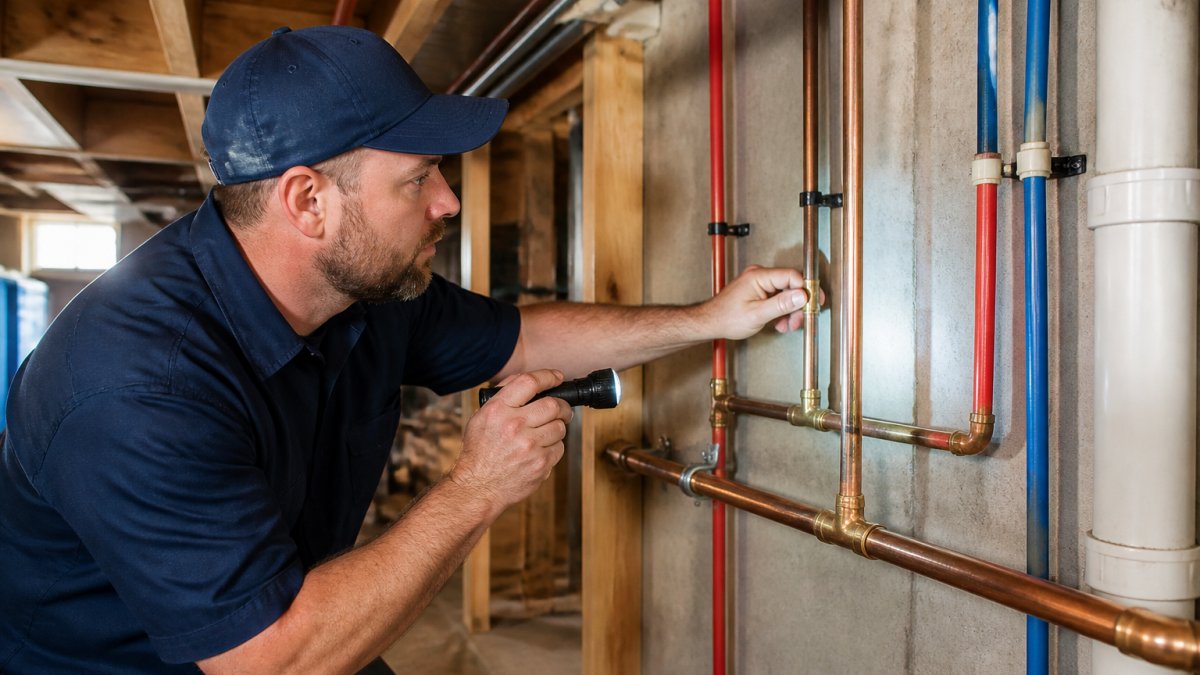
Water supply lines versus drain and vent piping
A complete whole-house repipe addresses two separate systems:
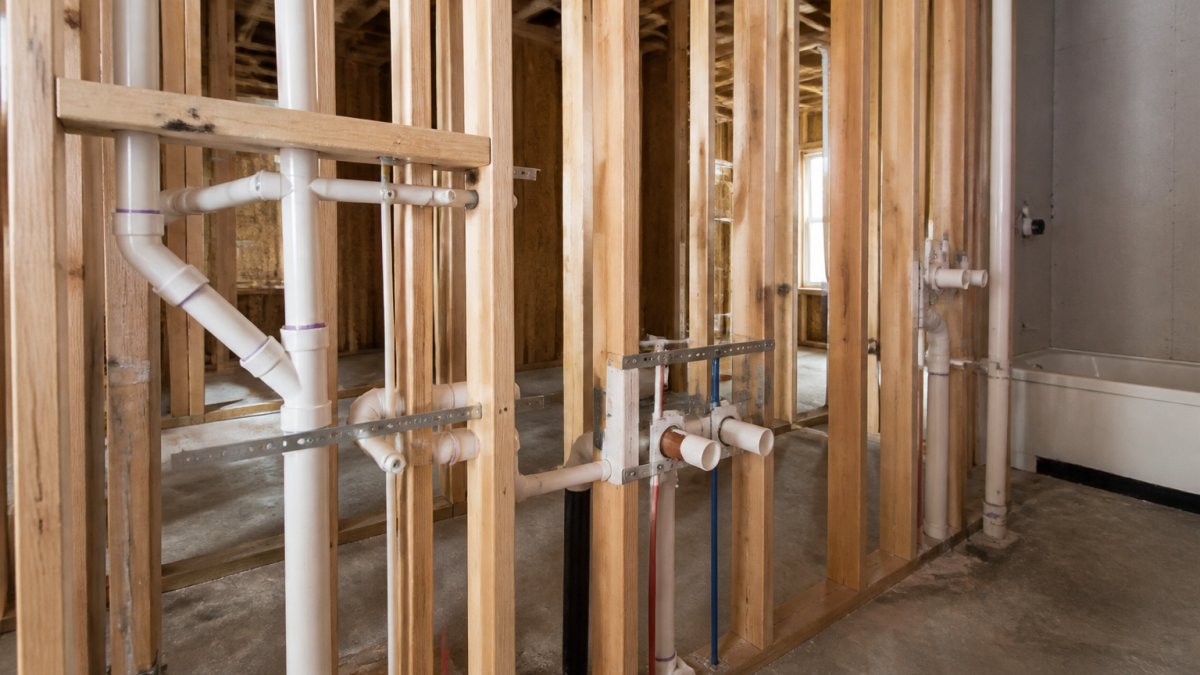
Water supply lines deliver pressurized fresh water from the main to every fixture. They're typically replaced in copper or PEX, run through walls, ceilings, and crawl spaces, and include main lines, branch lines, shutoff valves, and fixture supply stops.
Drain, waste, and vent (DWV) piping carries wastewater away and lets air in so drains flow properly. DWV is a different trade skill, gravity slope, roof venting, larger-diameter pipe, and is often quoted separately from supply work.
Many homeowners replace supply lines only when the DWV system is still sound, cheaper, but older drain lines remain. A true full repipe replaces both systems, and the quote should say so explicitly.
What a full repipe typically includes
A well-written full repipe quote generally covers:
- Removal and disposal of old supply and DWV piping
- New main water line from the meter or shutoff to the home (confirm whether this is included, it is often a separate line item)
- New branch lines to every fixture
- New shutoff valves and fixture supply stops
- New DWV piping, including vent stacks through the roof
- Pressure testing of the new system
- Permit application and inspection coordination
What it typically excludes
- Painting and texture matching after drywall repair
- Flooring repair where access was cut
- Fixture replacement (faucets, toilets, showers) unless specified
- Landscape or concrete repair if exterior lines are replaced
- Mold remediation if old piping concealed moisture damage
- Upgrading to a larger main line or adding fixtures
These exclusions are normal, but they should be stated in writing so there are no surprises.
Permits, inspections, and code compliance
Repiping requires permits, and a licensed plumber should pull them as part of the project.
Inspections typically occur twice: after rough-in (new pipes installed, before walls close) and after final connections and pressure testing.
Permit fees vary by jurisdiction and scope, sometimes itemized and sometimes bundled. Code compliance also covers water pressure and flow, venting, and material standards, all inspected on a permitted project.
Why the scope distinction matters for your quote
The most common source of quote confusion is a "full repipe" quote that's actually supply-only, or one that includes DWV but excludes restoration. Before signing, confirm in writing which systems are replaced, whether the main line is included, what restoration is covered, and whether permits and inspections are in the price. That conversation prevents most post-project disputes.
Restoration and Repair After Repiping
Once new piping is installed and tested, walls and ceilings need restoration. This phase is often overlooked in initial estimates, so clarify what's included.
Drywall cut for pipe access needs patching and finishing. Crawl space or basement runs may need minimal restoration. Opening finished walls or ceilings means drywall repair, painting, and possibly flooring restoration.
Some homeowners leave walls open temporarily to inspect the new work.
Getting a Written Quote and What to Expect
Never commit based on a phone estimate or rough verbal quote. A detailed written estimate protects both you and your plumber by defining scope, materials, timeline, and costs.
When comparing quotes, ensure equivalent scopes. Two dramatically different prices may reflect different work, one includes restoration or DWV piping, the other doesn't.
At Colby Plumbing Company LLC, we're committed to transparency. Our team provides detailed written quotes explaining exactly what's included, the timeline, and the finished result.
Frequently Asked Questions
How much does it cost to repipe a 2,400-square-foot house?
The cost to repipe a 2,400-square-foot house depends on pipe material, plumbing access, and whether you're replacing water supply lines, drain lines, or both. PEX typically costs less than copper. Labor costs vary based on project complexity and local rates. Contact a licensed plumber for a written estimate specific to your home's layout and material choice.
What factors affect the cost of repiping a home?
Key factors include pipe material (PEX vs. copper), home square footage, number of bathrooms, plumbing access (walls, crawl spaces, attics), whether you need permits and inspections, labor rates, and project scope (full repipe vs. partial replacement). Older homes with difficult wall access typically cost more. A professional plumber will assess these during an on-site evaluation.
How long does it take to repipe a house?
A full home repipe typically takes 3 to 10 days, depending on home size, pipe material, plumbing access, and project scope. Smaller homes or partial repiping may finish in 2 to 5 days. Complex layouts or homes requiring significant wall opening extend the timeline. Your plumber should provide a realistic schedule before work begins.
What should a home repiping estimate include?
A thorough estimate should list material costs (pipe type and quantity), labor costs, permits and inspection fees, wall restoration or repair, water shutoff procedures, and project timeline. It should specify whether supply lines, drain lines, or both are included. A written quote protects you from surprise charges and clarifies exactly what work will be performed.
Repiping your home is a significant decision that requires careful planning and a trustworthy plumber. The cost of repiping a home in Denver depends on your specific situation, but getting detailed written quotes from licensed professionals ensures you understand the investment required. Contact Colby Plumbing Company LLC today for a comprehensive estimate and expert guidance on whether repiping is the right choice for your home.