 listicle
Plumbing Fixture Installation Cost: Denver Pricing Guide
Table of Contents
- Plumbing Fixture Installation Cost Breakdown
- Average Plumber Hourly Rate in the Denver Area
- Factors Affecting Plumbing Installation Estimates
- Cost to Install Kitchen Sink and Faucet
- Common Plumbing Fixtures and Installation Costs
- Professional Installation vs. DIY: When to Call a Licensed Plumber
- Getting an Accurate Plumbing Estimate
- Frequently Asked Questions
Last Updated: August 31, 2026
Plumbing Fixture Installation Cost Breakdown
Understanding plumbing fixture installation costs requires breaking down two components: labor and materials. Labor typically represents 50-70% of your total bill, covering the plumber's time, expertise, and overhead (bls.gov). Materials make up the remainder, varying dramatically based on what you're installing. A basic faucet costs far less than a high-end fixture, but installation labor is nearly identical for both.
Labor vs. Material Costs
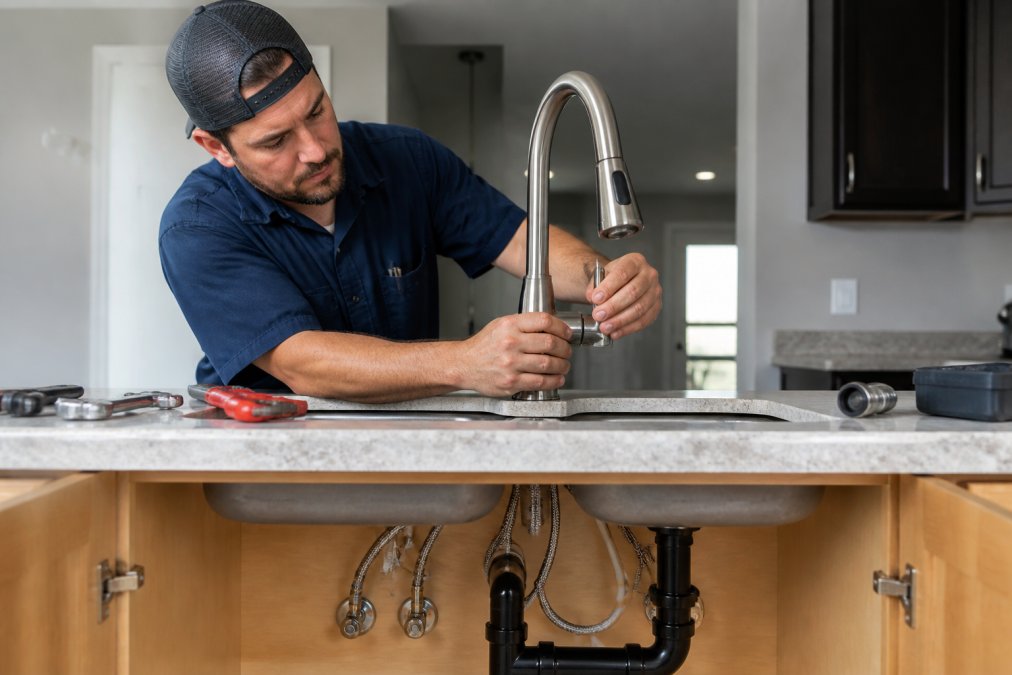
When a plumber quotes for installing a kitchen faucet, they're charging for time to shut off water, disconnect the old fixture, prepare the area, connect the new unit, test for leaks, and clean up. That work takes roughly the same time whether the faucet costs $50 or $500.
This is why getting a quality fixture matters. You're paying installation labor regardless. Spending an extra $100 on a more durable faucet lasting 15 years instead of 8 is smarter than saving on the fixture while paying the same labor cost.
Material costs depend entirely on what you're installing. A basic toilet costs less than a dual-flush model with soft-close seats. Copper supply lines cost more than PVC but last longer. Contractor material markup, typically 15-25% above cost, is standard and covers overhead and supplier relationships (bls.gov).
Permit Fees and Code Compliance
Permit requirements are non-negotiable in most jurisdictions. According to Denver Community Planning and Development guidelines, water heater replacement, gas line installation, and fixture relocation require permits before installation.
Permit fees vary by project scope. A simple fixture replacement might cost around $35, while complex work involving new rough plumbing costs considerably more. The permit process typically takes 1-3 business days.
Code compliance is a legal requirement protecting your home's safety, resale value, and insurance coverage. A licensed plumber automatically pulls permits and ensures work meets current building codes. Unpermitted work can void homeowner's insurance, create liability issues, and complicate future sales. Permits ensure drainage lines are properly sloped, water supply lines correctly sized, and shutoff valves accessible.
Average Plumber Hourly Rate in the Denver Area
Licensed plumbers in the Denver metro area charge rates reflecting experience level and service type. Newer plumbers charge less; master plumbers with decades of experience charge more. The difference isn't just credentials, it's the ability to diagnose complex problems quickly and solve them correctly the first time.
Service Call Fees vs. Hourly Billing
Many Denver-area plumbers use flat-rate pricing rather than hourly billing. Flat-rate pricing means the plumber diagnoses your problem, quotes a fixed price for the entire job (materials plus labor), and you know exactly what you'll pay before work begins.
Service call fees, the charge just to diagnose a problem, typically range from $50-$150 depending on the plumber and time of day. Some plumbers waive this fee if you hire them for the work; others apply it as a credit toward the final bill. Always clarify this upfront.
Emergency vs. Scheduled Pricing
Emergency calls carry a premium. Calling a plumber at 2 AM on a Saturday costs significantly more than scheduling the same work for Thursday afternoon. Many Denver plumbers charge 1.5 to 2 times the standard rate for emergency calls, plus extra for calls outside business hours (typically 8 AM to 5 PM, Monday-Friday).
If you can wait until business hours and schedule in advance, you'll pay considerably less for the same work. However, don't ignore urgent issues like burst pipes, water damage compounds quickly.
Factors Affecting Plumbing Installation Estimates
Several variables influence what a plumber will quote for fixture installation.
Fixture Type and Complexity
Not all fixture installations are equal. Installing a basic single-handle kitchen faucet takes less time than installing a commercial-grade fixture with integrated water filtration. A standard toilet replacement is straightforward; a high-end bidet toilet with electronic controls requires more careful handling and testing.
Some fixtures come pre-assembled and ready to connect; others require on-site assembly or special tools. A plumber who's installed a particular model dozens of times works faster than one encountering it for the first time, though both should produce quality results.
Materials used in rough plumbing also affect the job. Copper pipes require soldering; PVC pipes require gluing. Older homes with galvanized steel pipes that corrode complicate connections and affect installation time and cost.
Pipe Configuration and Accessibility
How easily you can reach pipes and connections dramatically affects labor time. Easily accessible shutoff valves and supply lines running through open basement space mean straightforward installation. Hidden pipes behind walls, under concrete, or in tight crawl spaces make the job more complex and time-consuming.
Accessibility determines whether work completes in one visit or multiple visits. A kitchen sink installation with accessible everything might take 2-3 hours; the same installation in a tight galley kitchen could take twice as long.
The existing pipe configuration matters too. Properly done rough plumbing with correct slope and sizing makes fixture installation routine. Poor previous work, undersized lines, improper slope, corroded connections, may require additional prep work or pipe replacement.
Cost to Install Kitchen Sink and Faucet
Kitchen sink and faucet installation is one of the most common fixture jobs homeowners undertake.
Standard Replacement vs. New Installation
Replacing an existing kitchen sink and faucet is simpler and cheaper than installing new ones where none existed. Replacement work involves disconnecting old fixtures, preparing the sink opening, and connecting new ones to existing supply and drainage lines. If existing rough plumbing is in good condition, this is a 2-4 hour job.
New installation, adding a sink and faucet where none previously existed, requires running new supply and drainage lines. This means cutting into walls or floors, installing new pipes, and potentially rerouting existing plumbing. New installation costs significantly more because of additional rough plumbing work required.
Common Plumbing Fixtures and Installation Costs
Different fixtures present different challenges and price points.
Toilet Installation and Replacement
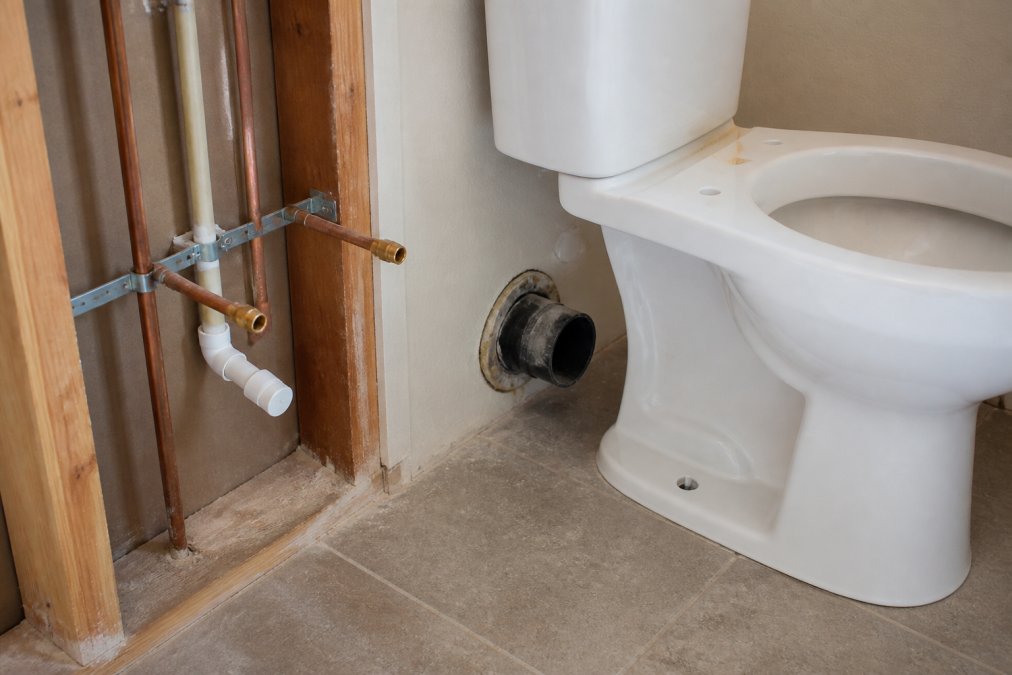
Toilet replacement is one of the most straightforward fixture installations. The old toilet disconnects from the water supply and drainage line, gets removed, and the new one connects to the same points. Most replacements take 1-2 hours.
The main variable is whether existing rough plumbing is sound. If the flange (the connection point where the toilet bolts down) is damaged or the wax ring needs replacing, the job takes longer. Upgrading to a water-efficient dual-flush model or bidet toilet increases installation time slightly due to additional connections or electrical work.
Bathroom Sink and Faucet Installation
Bathroom sink installation varies based on whether you're replacing a vanity or just the sink and faucet. A vanity replacement involves disconnecting supply and drainage lines, removing the old vanity, and installing the new one. A simple faucet replacement involves disconnecting the old faucet and connecting the new one.
Most bathroom sink and faucet work takes 1-3 hours depending on complexity. If the existing vanity is damaged or needs replacement, add time for removal and disposal.
Garbage Disposal and Hose Bib Installation
Garbage disposal installation requires connecting to both the drainage line and electrical system. Replacing an existing disposal is straightforward; adding one where none existed requires running new electrical and potentially modifying the drainage line.
Hose bib installation (outdoor faucet for garden hoses) is simpler than kitchen fixtures but requires running supply lines through exterior walls. Complexity depends on location and supply line accessibility.
Professional Installation vs. DIY: When to Call a Licensed Plumber
Simple faucet replacements connecting to existing supply lines can be DIY projects if you're mechanically inclined. Toilet replacement is also relatively DIY-friendly if the existing flange is undamaged.
Beyond these basic tasks, professional installation becomes important. Garbage disposal installation involves electrical connections, mistakes create safety hazards. Rough plumbing work requires understanding building codes, proper pipe sizing, and correct slope for drainage. Mistakes lead to water damage, mold, or contaminated water.
Emergency situations absolutely require professional help. A burst pipe at 2 AM isn't the time to experiment. The cost of fixing a DIY mistake often exceeds what professional installation would have cost.
Getting an Accurate Plumbing Estimate
A good estimate gives you confidence in understanding what you're paying for and why.
Request estimates from multiple plumbers to establish a baseline and spot outliers. If three plumbers quote similar prices and one quotes significantly higher, investigate. If one is much lower, ask why, they may be cutting corners or underestimating work.
A detailed estimate should break down labor and materials separately, specify exactly what fixtures are being installed, note what supply and drainage work is involved, and clarify whether permits are included. It should state assumptions like "assuming existing rough plumbing is in good condition."
At Colby Plumbing Company LLC, we provide detailed estimates explaining what you're paying for and why. Our team has served the Denver metro area since 1996, and we've learned that transparency builds trust.
Ask whether the estimate includes permit fees, disposal of old fixtures, and testing of completed work. Some plumbers include these; others charge separately. Clarifying this prevents misunderstandings later.
A quality estimate also addresses timing: How long will work take? Will it complete in one visit or multiple visits? What happens if complications are discovered during installation?
Getting plumbing fixture installation right means understanding both technical requirements and costs involved. Planned installations deserve careful attention to detail and transparent pricing. Colby Plumbing Company LLC brings decades of Denver-area experience to every project, from emergency repairs to complete kitchen remodels. We provide detailed estimates, licensed professionals, and a 100% satisfaction guarantee. Contact us today for an accurate estimate on your plumbing fixture installation needs.
Frequently Asked Questions
Q: What do plumbers typically charge per fixture in the Denver area?
A: Pricing for plumbing fixture installation varies based on the fixture type, complexity, and whether it's a standard replacement or new installation. Factors like labor rates, material costs, permit requirements, and pipe configuration all influence the final cost. For accurate pricing specific to your project, contact a licensed plumber in your area for a detailed estimate. Many local plumbers offer upfront pricing before work begins.
Q: Does the cost of fixture installation include the price of the hardware?
A: Installation costs typically cover labor only, while the plumbing fixture itself (faucet, toilet, sink, or garbage disposal) is often a separate expense. Some plumbers offer package deals that include both materials and labor, while others charge separately. When requesting an estimate, ask whether the quoted price includes the fixture or if you need to purchase it separately. This clarification helps you budget accurately for your project.
Q: How much should I budget for a bathroom faucet installation?
A: The cost to install a bathroom faucet depends on whether it's a standard replacement or requires new rough plumbing. A standard replacement typically involves lower labor costs since existing shutoff valves and supply lines can often be reused. New installations with modified pipe configuration or additional drainage lines cost more. Get a quote from a licensed plumber who can assess your specific situation and provide an accurate estimate for materials and labor.
Q: What factors influence the total cost of plumbing fixture installation?
A: Key factors include the fixture type (toilet, sink, faucet, garbage disposal), whether it's a replacement or new installation, pipe accessibility, building permit requirements, and local labor rates. Emergency service calls typically cost more than scheduled appointments. The complexity of the rough plumbing work, the condition of existing water supply and drainage lines, and any code compliance upgrades also affect pricing. A professional plumber can break down these costs in your estimate.
This article was written using GrandRanker