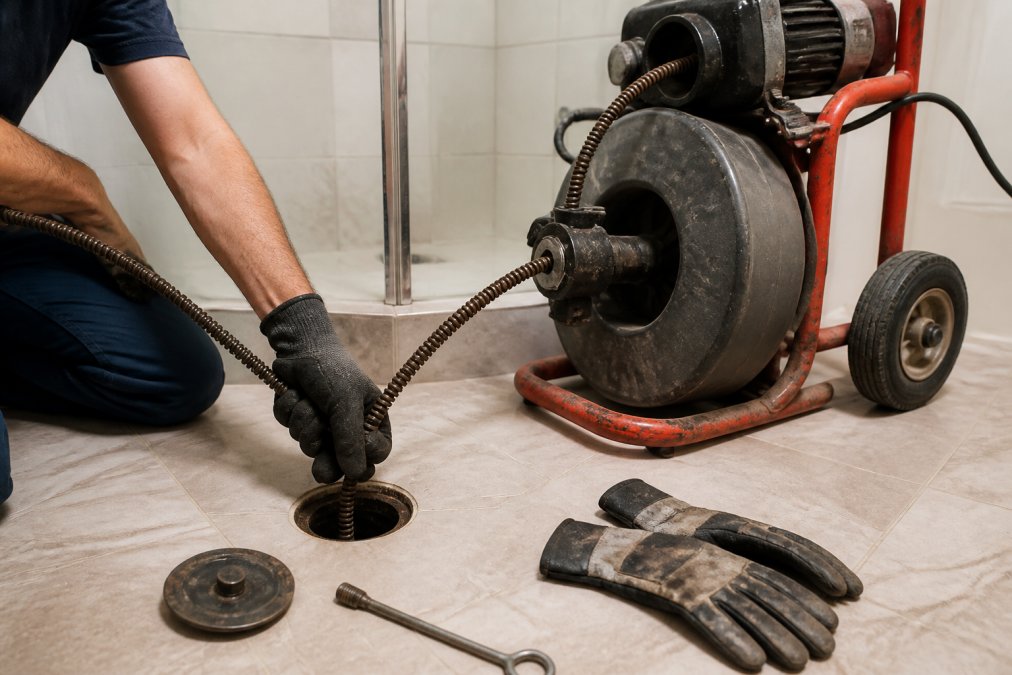
 listicle
Residential Drain Cleaning Services Denver: 2026 Guide
Table of Contents
- Common Causes of Drain Clogs in Denver Homes
- Signs of a Clogged Sewer Line You Shouldn't Ignore
- DIY vs Professional Drain Cleaning: Where to Draw the Line
- Drain Cleaning Services: What Professionals Actually Do
- How Much Does a Plumber Charge to Snake a Drain?
- Emergency and Same-Day Drain Cleaning Services
- Preventative Maintenance: How Often to Schedule Drain Cleaning
- Conclusion
Last Updated: August 11, 2026
Drain clogs don't announce themselves with a warning. One morning your kitchen sink drains slowly, and two weeks later you're standing in ankle-deep water wondering why you ignored the early signs. At Colby Plumbing Company LLC, we've helped Denver metro homeowners navigate exactly this situation since 1996, and the pattern is almost always the same: small problems become expensive ones when left unaddressed.
This guide covers everything you need to know about residential drain cleaning services, from what's causing your clogs to when a plunger stops being enough.
Common Causes of Drain Clogs in Denver Homes
Most drain clogs build gradually through a combination of what goes down the drain and what the local environment does to your pipes. Denver homes face specific conditions that make clogged drains more likely than in many other parts of the country.
Hard Water and Mineral Buildup
Denver's water supply carries high mineral content, which means calcium and magnesium deposits accumulate inside pipes over time. This narrows the interior diameter of the pipe, reducing drainage flow until even normal wastewater can't pass through efficiently. Grease, soap residue, and food particles stick to these mineral deposits far more readily than to clean pipe walls, creating a compounding problem. Pipe descaling is often necessary to address this buildup, since standard drain snaking won't remove mineral deposits from the pipe walls.
Root Intrusion from Clay Soils
Denver's expansive bentonite clay soils create a particular hazard for sewer lines. Clay soil expands when wet and contracts when dry, putting constant pressure on underground pipes and creating small cracks and joint separations in older sewer lines. Tree and shrub roots seek out moisture, and a cracked sewer line is an irresistible water source. Root intrusion is one of the leading causes of main sewer line blockages in older Denver neighborhoods. Once roots establish themselves inside a pipe, they trap debris, grow thicker, and eventually cause a complete sewer backup. Root intrusion removal typically requires mechanical cutting followed by hydro jetting to flush out debris.
According to the Water Research Foundation's guidance on sewer system maintenance, root intrusion is among the most common causes of sewer line failures in residential systems across the United States.
Signs of a Clogged Sewer Line You Shouldn't Ignore
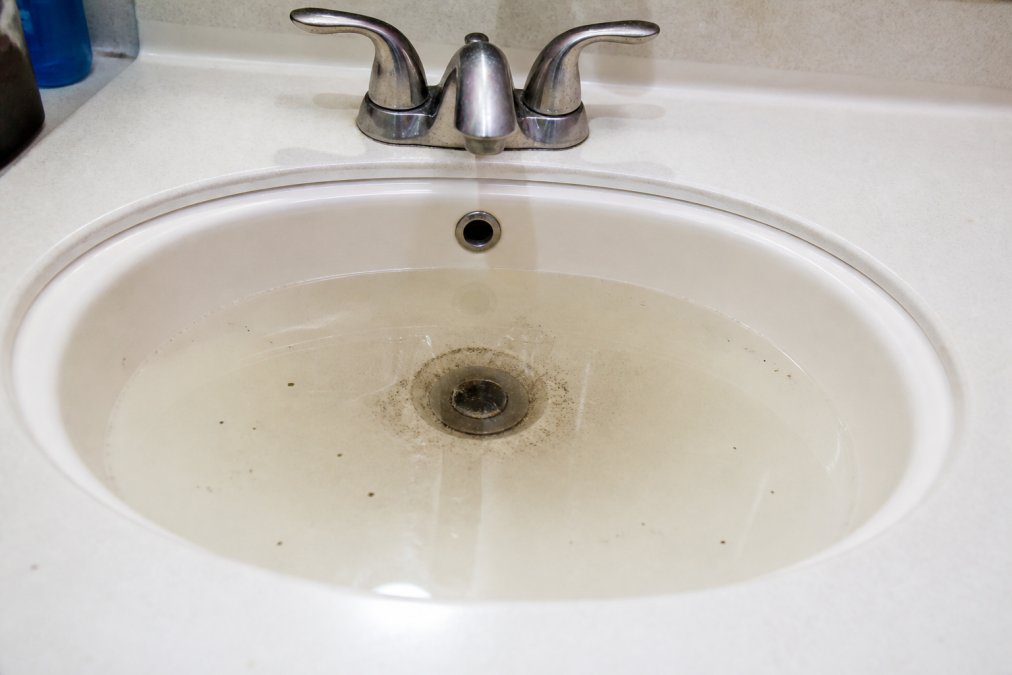
A clogged sewer line is different from a single slow drain. A single slow drain usually points to a localized blockage, while a main sewer line problem affects your entire drainage system.
Watch for these warning signs:
- Multiple drains in the house slowing down simultaneously
- Gurgling sounds from your toilet when you run the bathroom sink
- Water backing up into the bathtub when you flush the toilet
- Sewage odors coming from floor drains or basement fixtures
- Standing water around floor drains in the laundry room or utility area
- Wet spots or unusually lush patches of grass in the yard above your sewer line
The gurgling and cross-fixture backup symptoms are particularly telling. They indicate that wastewater has nowhere to go and is finding the path of least resistance back into your home. At that point, you're past the "wait and see" stage.
DIY vs Professional Drain Cleaning: Where to Draw the Line
A plunger or a basic hand snake handles most minor clogs in bathroom sinks, showers, and toilets. If you've plunged a drain twice and it's flowing normally, you're done.
The line shifts when:
- The clog returns within a few weeks of clearing it yourself
- Multiple drains are slow or backing up at the same time
- You're dealing with a kitchen sink that's been slow for months despite regular plunging
- There's any sign of sewage odor or backup
- Your home is older than 30 years and has never had a professional sewer line inspection
Store-bought chemical drain cleaners are generally not a good long-term solution. Many formulations are corrosive enough to damage older pipes over repeated use, and they don't address the physical obstruction. For grease buildup, mineral deposits, or root intrusion, they're ineffective. Professional plumbing diagnostics are the faster and safer path once a clog is recurring or involves the main sewer line.
As the Environmental Protection Agency's guidelines on household chemical disposal note, many chemical drain cleaners contain compounds that require careful disposal and can harm plumbing infrastructure over time.
Drain Cleaning Services: What Professionals Actually Do
Professional drain cleaning services go well beyond what a plunger or household snake can accomplish. Licensed plumbers bring specialized equipment that addresses the root cause of a blockage.
Drain Snaking and Mechanical Clearing
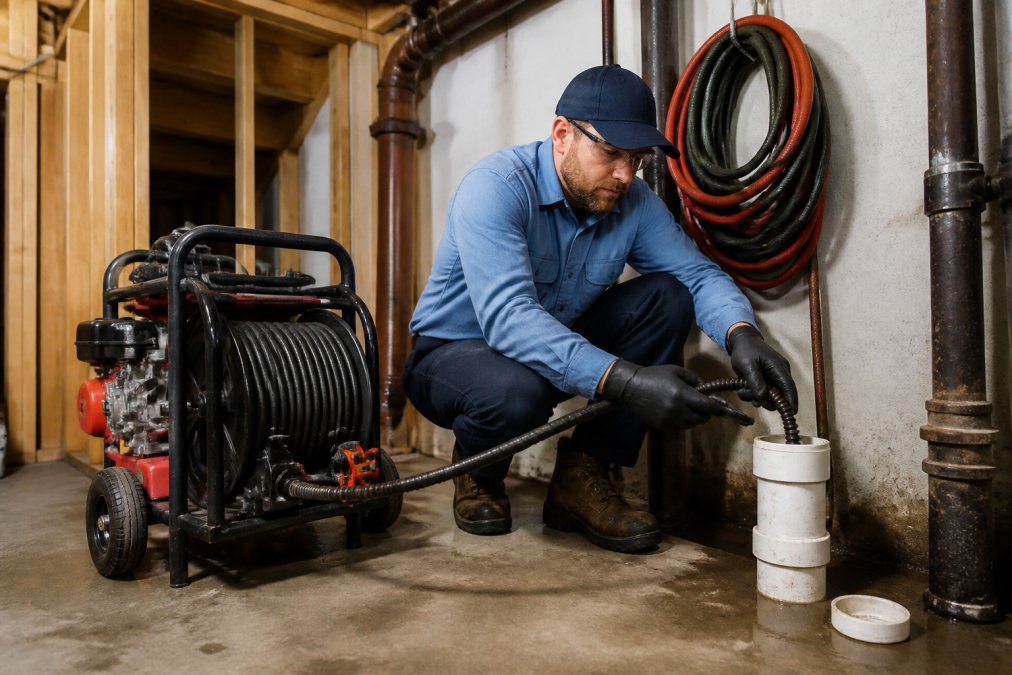
Drain snaking uses a rotating cable to break through obstructions and pull debris out of the pipe. This is effective for hair clogs, soap buildup, and localized blockages in laundry lines, kitchen sinks, and bathroom drains. A professional-grade drain snake can reach blockages 50 to 100 feet into a drain line and select the right head for the obstruction type. For most standard residential clogs, drain snaking resolves the problem in a single service call.
High-Pressure Hydro Jetting
Hydro jetting uses a specialized nozzle to deliver water at high pressure directly into the drain line, scouring the pipe walls clean rather than just punching a hole through the obstruction. This is the right tool for grease buildup in kitchen drain lines, mineral scale, and the debris left behind after root intrusion removal. For recurring clogs, hydro jetting addresses the underlying buildup that keeps attracting new debris.
Hydro jetting is not appropriate for every situation. Older clay tile or severely deteriorated pipes may not withstand high-pressure water, which is why a video camera inspection often precedes hydro jetting on older sewer lines.
Video Camera Inspection and Sewer Line Diagnostics
Video camera inspection is how professional plumbers see exactly what's happening inside a pipe without digging. A waterproof camera is fed through the drain line, transmitting real-time footage that shows the location and nature of any obstruction, crack, or joint separation. For any home older than 20-25 years that hasn't had a recent inspection, a sewer scope is one of the more valuable preventative plumbing investments available.
According to the American Society of Home Inspectors' guidance on sewer line inspections, video inspection of sewer lines is increasingly recommended as part of standard home purchase due diligence, particularly for older properties.
How Much Does a Plumber Charge to Snake a Drain?
How much a plumber charges to snake a drain depends on the location of the clog, the type of drain, whether the blockage requires a simple auger or more advanced equipment, and the local market. For a straightforward single-drain clog, many providers charge a flat service call fee that covers the visit and the clearing. Main sewer line work, hydro jetting, and video camera inspection are priced separately and cost more because they require specialized equipment and more time on site.
| Service Type | Complexity | Typical Factors That Affect Cost |
|---|---|---|
| Single drain snaking | Low | Drain location, depth of clog |
| Main sewer line snaking | Medium | Line length, obstruction type |
| Hydro jetting | Medium-High | Pipe diameter, severity of buildup |
| Video camera inspection | Medium | Line length, access point location |
| Root intrusion removal | High | Extent of roots, pipe condition |
For current pricing on any drain cleaning service, request a free estimate from a licensed local plumber. Colby Plumbing Company LLC provides transparent estimates with no surprise charges. One longtime client noted that Andy "charges you exactly the amount he says he will."
Emergency and Same-Day Drain Cleaning Services
A sewer backup or completely blocked drain isn't a problem you schedule around. Emergency drain cleaning services exist because some plumbing failures can't wait for a regular appointment slot.
Same-day service availability varies by provider, but the key questions are straightforward: Do they charge extra for after-hours or weekend calls? How quickly can they actually dispatch a technician? What's the realistic arrival window?
One Colby Plumbing customer described calling at 5:30 PM on a Friday and having a technician on site within 90 minutes with the right materials, with the repair completed in 30 minutes. For a sewer backup specifically, time matters beyond convenience. Standing sewage creates health hazards and can damage flooring, drywall, and personal property.
Preventative Maintenance: How Often to Schedule Drain Cleaning
Preventative maintenance is the part of residential drain cleaning services that most homeowners skip until they're dealing with a backup. A general maintenance schedule for most residential properties:
- Kitchen drain lines: Professional cleaning every 12-18 months, more frequently if you cook with heavy grease or have a garbage disposal
- Bathroom drains: Every 18-24 months for most households; annually for homes with multiple occupants or older pipes
- Main sewer line: Inspection and cleaning every 18-24 months for homes under 20 years old; annually for older homes or those with mature trees near the sewer line
- Floor drains: Annually, especially in basement utility areas where debris accumulates
Homes with known risk factors, older clay tile sewer lines, significant tree coverage in the yard, or a history of recurring clogs benefit from shorter maintenance intervals. The math on preventative maintenance is straightforward: a routine drain cleaning service call costs a fraction of emergency service, water damage remediation, or sewer line repair.
| Drain Type | Recommended Frequency | Key Risk Factors |
|---|---|---|
| Kitchen sink | Every 12-18 months | Grease, garbage disposal use |
| Bathroom drains | Every 18-24 months | Hair, soap scum, occupant count |
| Main sewer line | Every 18-24 months | Tree roots, pipe age, soil type |
| Floor drains | Annually | Debris accumulation, infrequent use |
| Laundry lines | Every 24 months | Lint, detergent buildup |
Drain problems rarely resolve themselves, and the longer a partial blockage sits, the more it costs to fix. Whether you're dealing with a slow kitchen sink, recurring bathroom clogs, or a main sewer line that's overdue for inspection, working with a licensed and insured plumber is the fastest path to a lasting solution. Colby Plumbing Company LLC brings 30 years of experience serving Denver metro homeowners, a 100% satisfaction guarantee, and a straightforward commitment to transparent pricing and on-time service. Contact us today to schedule a drain cleaning service or request a free estimate.
Frequently Asked Questions
How often should residential drains be professionally cleaned?
Most plumbing professionals recommend scheduling a drain cleaning every one to two years for a typical household. Homes with older pipes, hard water, heavy kitchen use, or mature trees near sewer lines may benefit from annual service. If you notice slow drains, gurgling sounds, or recurring clogs, that's a signal to schedule a service call sooner rather than waiting for your regular maintenance window.
Is professional drain cleaning worth it compared to chemical cleaners?
Chemical drain cleaners can dissolve minor organic clogs, but they do not remove solid obstructions, root intrusion, or mineral scale. Repeated use can also degrade older pipe materials over time. A professional uses drain snaking or hydro jetting to physically clear the blockage and restore full drainage flow. For persistent or recurring clogs, professional service resolves the root cause rather than masking symptoms temporarily.
How much does a plumber charge to snake a drain?
Pricing for drain snaking varies based on the drain location, clog severity, pipe accessibility, and the service provider. Simple sink or tub clogs typically cost less than main sewer line clearing. Some providers offer flat-rate pricing after an on-site assessment, while others charge by the hour. Request a free estimate before work begins so you understand the full scope and cost before any service starts.
Do professional drain cleaners offer emergency 24/7 service?
Many licensed plumbing companies offer same-day or 24/7 emergency drain cleaning for situations like sewer backups, completely blocked toilets, or non-draining sinks. Response times and after-hours fees vary by provider. When contacting a company for emergency service, confirm their actual availability, estimated arrival window, and whether after-hours calls carry additional charges before committing.
What are the signs that you need professional drain cleaning services?
Key warning signs include multiple slow-draining fixtures at the same time, gurgling sounds from toilets or floor drains, sewage odors inside the home, water backing up in unexpected places (like the tub when you flush), and recurring clogs that return within days of clearing. Any of these points to a blockage deeper in the drainage system or main sewer line that requires professional plumbing diagnostics.
This article was written using GrandRanker