 listicle
Signs of Poor Plumbing Installation: What to Watch For
Table of Contents
- Signs of Poor Plumbing Installation You Can Spot Yourself
- Signs of Poor Plumbing Venting That Indicate Installation Problems
- Plumbing Code Violations in Residential Homes
- Hidden Damage: Water Leaks, Mold, and Structural Issues
- Post-Installation Inspection Checklist
- Hiring a Licensed Plumber for Inspections
- DIY vs. Professional Repair Thresholds
- Conclusion
Last Updated: August 21, 2026
Signs of Poor Plumbing Installation You Can Spot Yourself
Poor plumbing installation creates cascading problems through your home's water system. Signs often appear months or years after work is completed, which is why many homeowners don't realize they've been dealing with substandard workmanship until damage becomes visible. At Colby Plumbing Company LLC, we've inspected hundreds of homes where installation shortcuts led to costly repairs, water damage, and system failures that could have been prevented.
Unlike visible structural problems, plumbing issues hide behind walls and under floors. But telltale signs indicate the work wasn't done right. Catching these early can save you thousands in water damage and emergency repairs.
Slow or Clogged Drains
Drains that move slowly or back up frequently signal installation problems. Proper drain installation requires correct pipe slope, adequate sizing, and proper venting. When installers cut corners, water doesn't flow as it should.
Drain lines need to slope between one-quarter and one-half inch per foot toward the main drain or sewer. Too shallow, and solids settle in the pipe. Too steep, and water separates from waste, leaving residue behind. Slow drains appearing immediately after installation are a red flag.
Low Water Pressure
Weak water pressure throughout your home suggests problems with water supply lines or connections. Poor installation frequently involves undersized pipes, improper connections, or kinked flexible supply lines that restrict flow.
When installers use pipes that are too small for your home's demand, pressure drops noticeably when multiple fixtures run simultaneously. Check your pressure at different fixtures. If pressure is low everywhere, the problem is likely in the main supply line. If it's low only in certain areas, the issue is probably in those branch lines.
Leaky Pipes and Joints
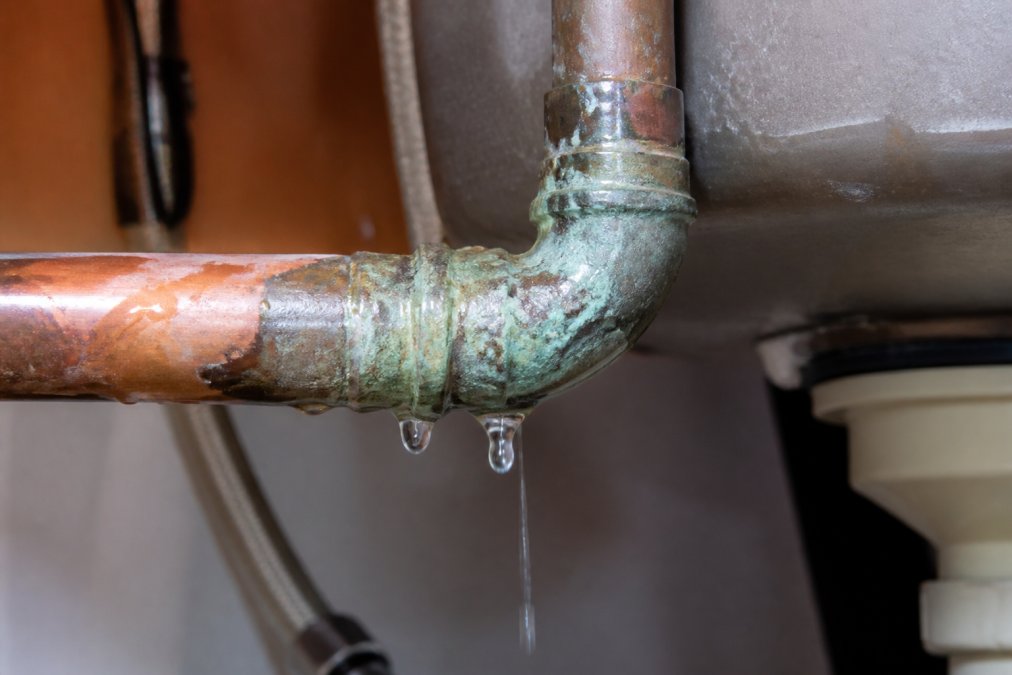
Leaks appearing shortly after installation point directly to poor workmanship. Properly soldered copper joints should hold for decades (copper.org). Poorly soldered joints fail within months or weeks.
Look under sinks, around water heaters, and in basements for water stains or active drips. Leaks at fitting connections indicate the solder joint wasn't made correctly, the joint wasn't cleaned properly, solder didn't flow fully, or the connection cooled too quickly. Unsupported pipes develop stress points that fail prematurely.
Discolored or Corroded Pipes
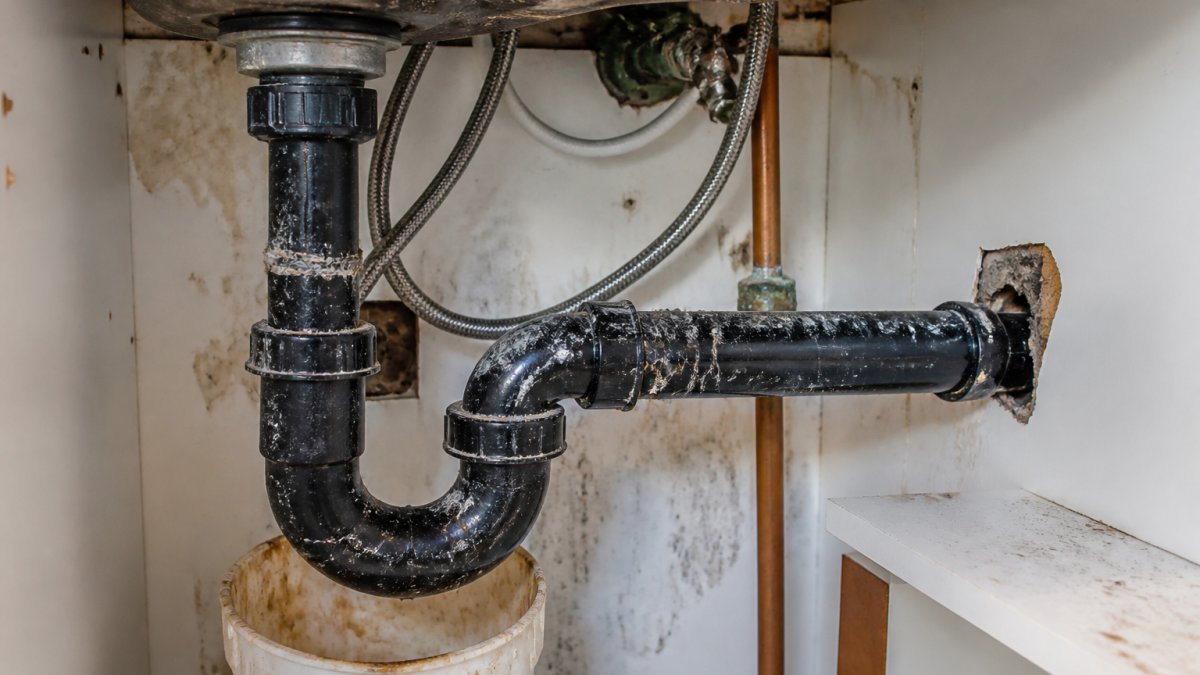
Visible corrosion, discoloration, or deposits on pipes indicate installation problems or water quality issues created by poor installation. Copper pipes should maintain their characteristic color. Green or white deposits suggest corrosion is occurring.
Corrosion happens when incompatible materials are used together or when pipes weren't installed with proper protection. Mixing copper and galvanized steel without a dielectric union creates a galvanic reaction that corrodes both materials (ipc.org). This is a code violation and a sign of poor installation.
Sewer Odors and Smells
Foul odors coming from drains indicate venting problems with your plumbing system. Proper vent stacks allow sewer gas to escape safely through your roof. Poor installation often means vent lines are missing, blocked, or improperly sized.
Sewer gas smells like rotten eggs. If you notice this smell near drains, under sinks, or in bathrooms, your vent system isn't working correctly. The plumbing code requires vent lines to be sized properly and routed correctly. Installers who skip venting or install undersized vent pipes create conditions where sewer gas backs up into your home.
Gurgling or Bubbling Sounds
Strange sounds from your plumbing system, gurgling, bubbling, or whistling, often indicate venting problems or improper pipe installation. Gurgling typically happens when the vent system isn't working properly. Water draining from a sink should flow smoothly and silently. If it gurgles, air pressure in the drain line is unbalanced, pointing to missing or improperly installed vent lines.
Running Toilets
A toilet that runs constantly or refills frequently can indicate improper installation of the water supply line. If the supply line was kinked during installation or connected incorrectly, water pressure fluctuations cause the fill valve to malfunction. Check whether the problem appeared immediately after installation. If it started right away, poor installation is the likely cause.
Rattling or Banging Pipes
Water hammer, that banging sound when you turn off a faucet, happens when water supply lines aren't installed with proper support. Pipes need to be secured with hangers at regular intervals to prevent movement (ipc.org).
Loose, unsupported pipes rattle and bang when water flow stops suddenly. The impacts damage fittings and connections over time, leading to leaks. If you hear rattling or banging immediately after installation, the pipes weren't secured properly.
Signs of Poor Plumbing Venting That Indicate Installation Problems
Your plumbing system's venting is as critical as the drainage itself, yet it's frequently installed incorrectly. Vent lines allow air into the drainage system so water flows freely and sewer gas escapes safely. Poor venting installation creates problems that manifest as slow drains, odors, and gurgling sounds.
Common installation mistakes include undersizing vent lines, routing them improperly, or failing to install them altogether. Check whether your home has visible vent stacks on the roof. Most homes should have at least one main vent stack running from the drainage system up through the roof. If you don't see one, or if it appears installed incorrectly, the system wasn't installed to code.
Plumbing Code Violations in Residential Homes
Poor plumbing installation often violates building codes that exist to protect your health and safety. Code violations indicate the installer either didn't know the requirements or chose to ignore them.
The plumbing code requires proper pipe sizing, correct slope on drain lines, adequate venting, proper support for pipes, and use of approved materials. Common violations include undersized pipes, improper use of materials, missing or undersized vent lines, and improper pipe support. Each violation has consequences that eventually show up as system failures.
If you suspect code violations, a licensed plumber can perform a thorough inspection. Many jurisdictions require final inspections before work is signed off, but not all. If your installation wasn't inspected by a building official, you have no assurance it meets code.
Hidden Damage: Water Leaks, Mold, and Structural Issues
Poor plumbing installation creates conditions for hidden water damage that can compromise your home's structure. Slow leaks from poorly soldered joints or improperly installed connections seep into walls, under floors, and into crawl spaces where they're not immediately visible.
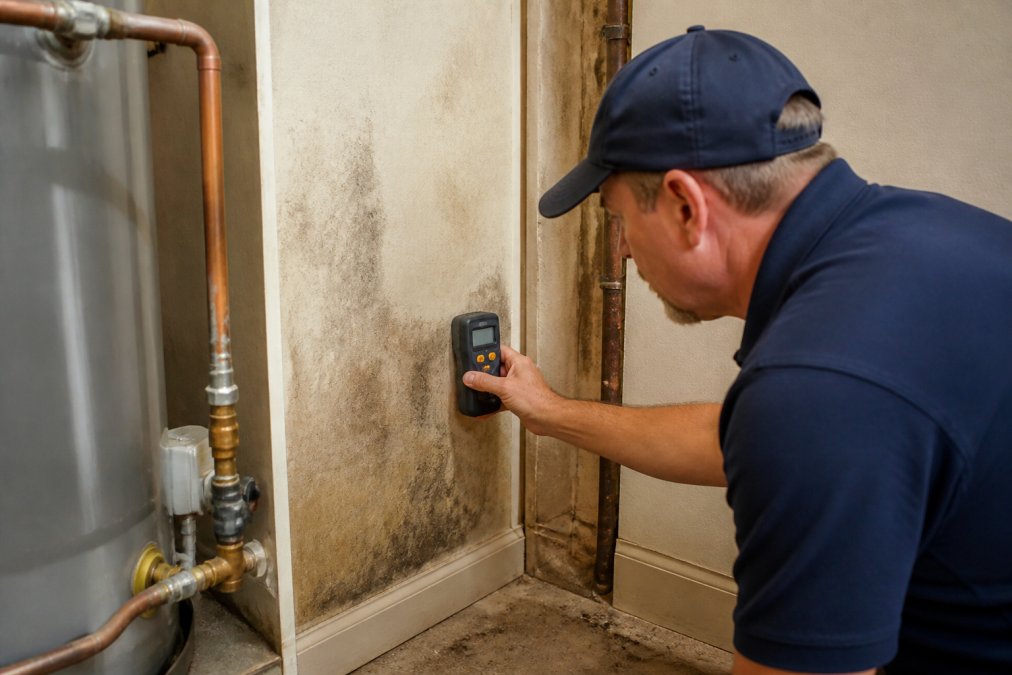
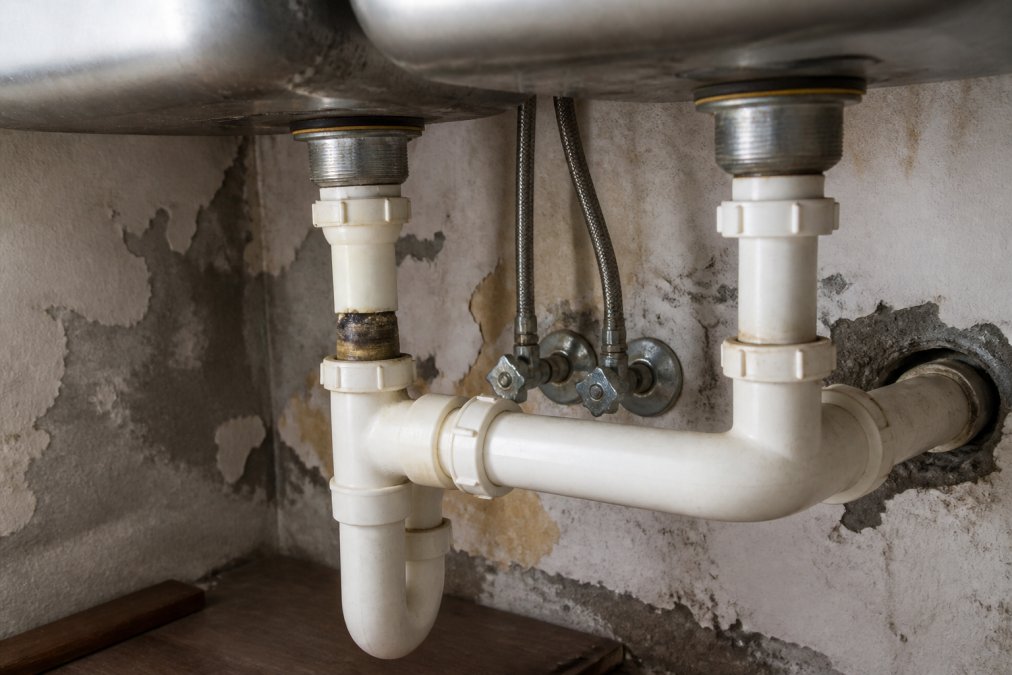
Water damage leads to mold growth, wood rot, and structural deterioration. Check areas where water supply lines and drain lines are located for water stains on drywall, discoloration on framing, or soft spots in flooring. If you find them near recently installed plumbing, poor installation is likely the cause.
Post-Installation Inspection Checklist
After plumbing work is completed, perform a thorough inspection before you consider the job done. Check all visible pipes for leaks, corrosion, or damage. Turn on every fixture and verify water pressure is adequate. Listen for unusual sounds. Check that drains flow smoothly and don't gurgle. Verify that sewer odors aren't present. Look under sinks and around water heaters for signs of moisture or leaks.
Test the main shut-off valve to ensure it works. Verify that all shut-off valves for individual fixtures operate smoothly. Check that pipes are properly supported and don't move when you apply gentle pressure.
If you discover problems during this inspection, document them with photos and request corrections before final payment.
| Inspection Item | What to Check | Red Flags |
|---|---|---|
| Water pressure | All fixtures deliver adequate flow | Weak pressure, inconsistent flow |
| Drain function | Water drains smoothly without gurgling | Slow drains, backing up, gurgling sounds |
| Visible leaks | No water dripping from joints or pipes | Active leaks, water stains, mineral deposits |
| Pipe support | Pipes secured with hangers at proper intervals | Loose pipes, rattling, banging sounds |
| Vent system | Vent stack visible on roof, no odors | Missing vent, sewer odors, slow drains |
| Corrosion | Pipes show no discoloration or deposits | Green/white deposits, visible corrosion |
Hiring a Licensed Plumber for Inspections
If you suspect poor plumbing installation, hire a licensed plumber to perform a thorough inspection. A professional can identify problems you might miss and document them for your records. Licensed plumbers have the tools and knowledge to diagnose hidden problems. They can perform pressure tests on supply lines, smoke tests on drainage systems, and moisture surveys to detect hidden water damage.
When hiring a plumber for inspection, ask about their experience with installation quality assessment. Request a detailed written report documenting any problems found and recommendations for correction.
Colby Plumbing Company LLC has been serving the Denver metro area since 1996, and our team specializes in identifying installation problems and recommending solutions.
DIY vs. Professional Repair Thresholds
Some plumbing problems are appropriate for DIY repair; others require professional intervention. Simple fixes like replacing a fill valve in a toilet or unclogging a drain with a plunger are reasonable DIY tasks. But any work involving soldering copper pipes, modifying the drainage system, or altering vent lines should be left to licensed professionals.
Installation problems that affect your entire plumbing system, like incorrect pipe slope, improper venting, or undersized pipes, require professional correction. These aren't simple fixes and often require rerouting pipes or modifying the system.
When signs of poor plumbing installation appear, don't delay. Contact a licensed plumber to assess the situation. Early intervention prevents small problems from becoming expensive disasters.
Discovering signs of poor plumbing installation can feel overwhelming, but professional help is available. If you've noticed any of these warning signs in your home, don't wait for the problem to worsen. Colby Plumbing Company LLC offers expert inspections and repairs that address installation problems directly. Our licensed professionals have decades of combined experience identifying what went wrong and fixing it right. Contact us today for a thorough evaluation of your plumbing system and a clear plan to restore it to proper working order.
Frequently Asked Questions
What are the most common plumbing installation mistakes?
The most common mistakes include improper pipe slope (drains need to slope toward the main line), missing or incorrectly installed vent stacks, undersized pipes that restrict water flow, and poor soldering or fitting connections that cause leaks. Incorrect placement of shut-off valves, missing backflow preventers, and failure to secure pipes with proper hangers also create problems. These errors often go unnoticed until water pressure drops, drains back up, or leaks develop months later.
How can I tell if my plumbing was installed incorrectly?
Watch for slow drains, low water pressure, persistent leaks at joints, sewer gas smells, and gurgling sounds from drains or toilets. You may also notice discoloration or corrosion on visible pipes, dampness in walls or under cabinets, or water stains on ceilings and floors. Signs of poor plumbing installation often appear gradually rather than immediately, which is why a post-installation inspection by a licensed plumber is critical before the warranty period expires.
What are the signs of a poorly vented plumbing system?
A poorly vented plumbing system produces gurgling or bubbling sounds in drains, slow drainage despite no visible clogs, persistent sewer odors inside the home, and water backing up in fixtures. Improper venting prevents sewer gas from escaping safely and breaks the air pressure balance needed for drainage. Vent stacks may be too small, blocked, or routed incorrectly. These issues violate plumbing code and can create health hazards, so professional inspection is essential.
When should I call a professional to inspect my plumbing?
Schedule a professional inspection immediately after new installation or a remodel is completed, before final payment. Call a licensed plumber if you notice any signs of poor plumbing installation: low pressure, slow drains, leaks, or odors. Don't wait for problems to worsen. Colby Plumbing Company LLC offers inspections to verify that your system meets code and functions properly, protecting your investment and preventing costly water damage down the road.
This article was written using GrandRanker