 ultimate-guide
What Causes Low Water Pressure in Older Homes?
Table of Contents
- The Real Reasons Older Homes Lose Water Pressure
- Galvanized Pipe Corrosion: The #1 Suspect in Old Houses
- Pressure Regulator Valve (PRV) Failure and Replacement Cost
- Clogged Aerators, Showerheads, and Mineral Buildup
- How to Test Water Pressure in House: DIY vs. Professional
- Municipal Supply Issues and Main Line Leaks
- When to Call a Licensed Plumber for Diagnosis
- Conclusion: Restoring Proper Flow to Your Older Home
- Frequently Asked Questions
Last Updated: September 9, 2026
The Real Reasons Older Homes Lose Water Pressure
Low water pressure in older homes is rarely a single mystery problem. It is almost always the result of aging plumbing infrastructure that has been slowly degrading for decades.
The most common offenders include corroded galvanized steel pipes, a failing pressure regulator valve, and simple mineral buildup at the point of use.
Galvanized Pipe Corrosion: The #1 Suspect in Old Houses
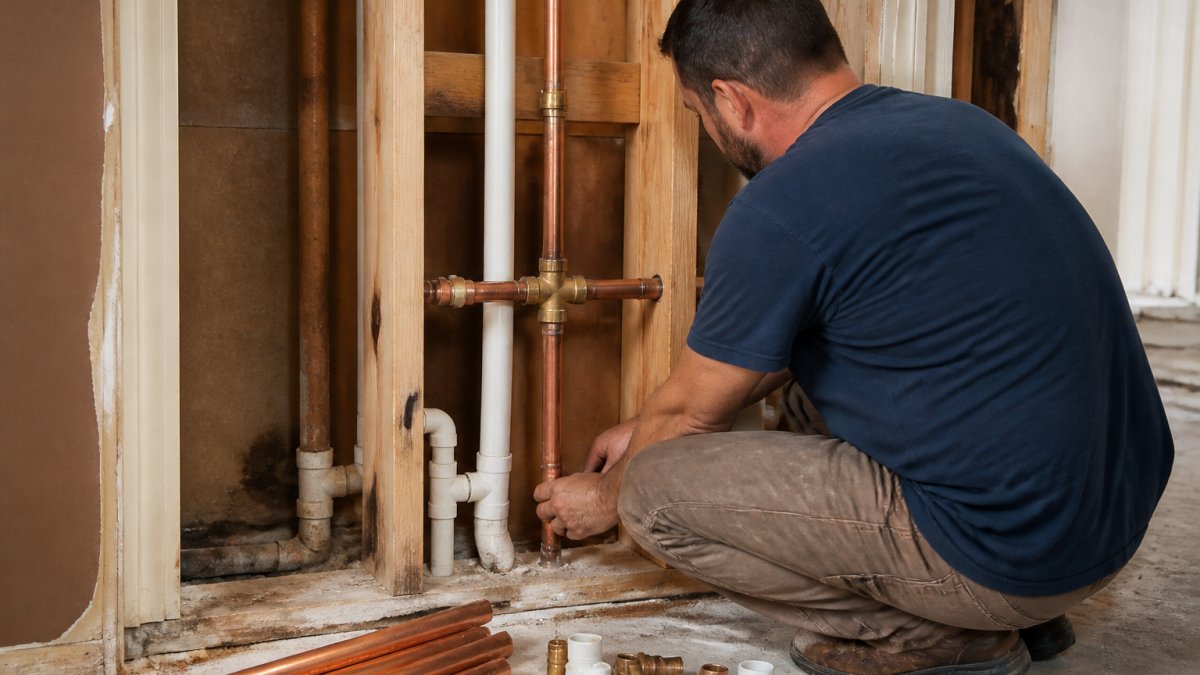
Galvanized pipe corrosion is the leading cause of low water pressure in older homes, especially in houses built before 1960. These steel pipes were coated with zinc to prevent rust, but that protection has a finite lifespan. After 50 to 70 years, the zinc erodes and the steel begins to rust from the inside out, creating a rough, scaled interior that restricts water flow (nist.gov). Over time, sediment and rust flakes accumulate at elbows and joints, eventually blocking the pipe entirely. The corrosion reduces the effective pipe diameter, which directly reduces flow rate and water pressure throughout the plumbing system.
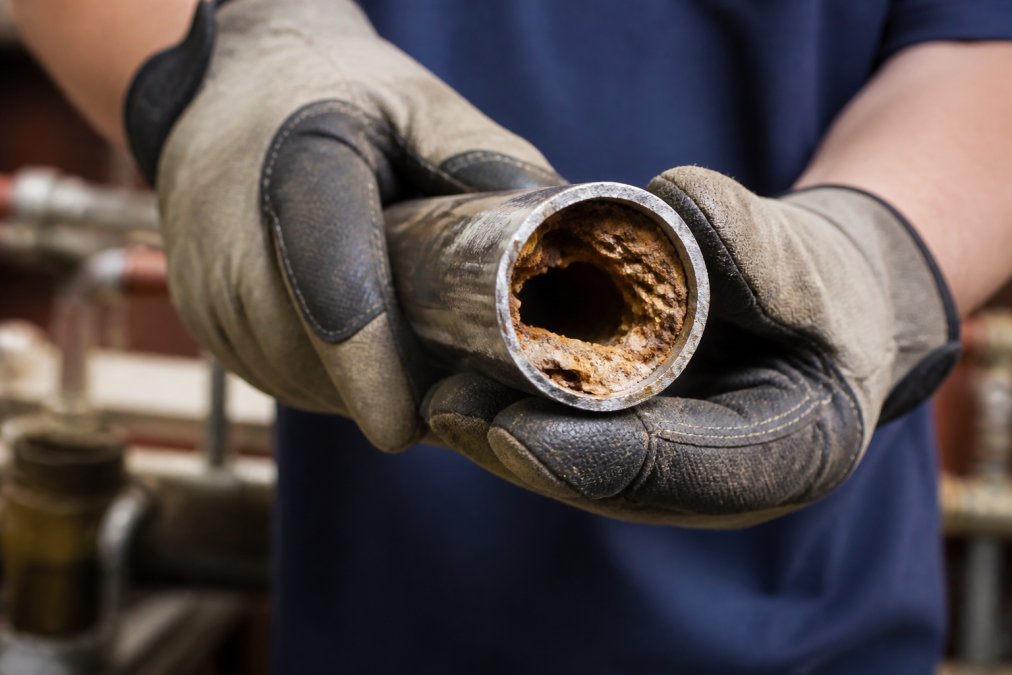
Corrosion often creates a bottleneck at one specific point in the main line, starving fixtures downstream while upstream pressure remains normal. Replacement of the affected sections is typically the only permanent fix.
Pressure Regulator Valve (PRV) Failure and Replacement Cost
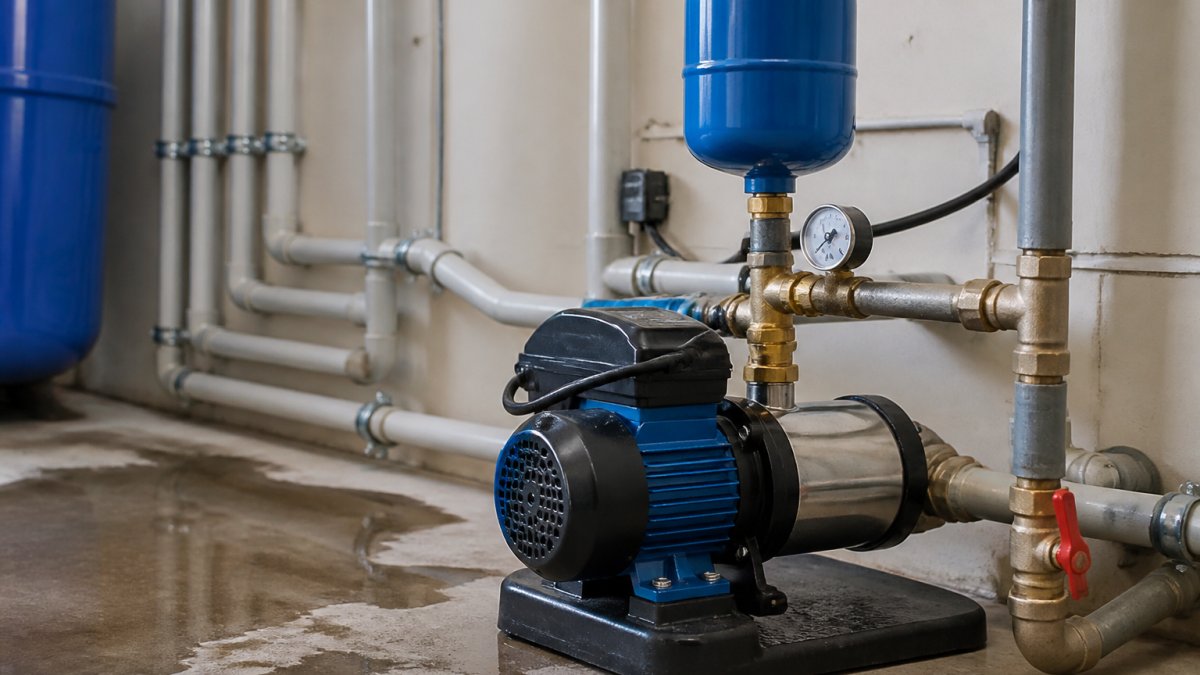
A failing pressure regulator valve (PRV) is a common cause of low water pressure that has nothing to do with the pipes themselves. This bell-shaped device, usually located near the main water shutoff valve, reduces high incoming pressure to a safe, consistent level. When it fails, it either lets pressure spike dangerously high or restricts flow so severely that you get weak pressure throughout the house. The pressure regulator valve replacement cost varies depending on the valve type and installation complexity, but it is generally one of the more affordable major plumbing repairs. If the PRV has a visible adjustment bolt on top, you may be able to test it, but adjusting it without a pressure gauge is risky. If you set it too high, you risk water hammer and damage to your water heater and appliances.
Clogged Aerators, Showerheads, and Mineral Buildup
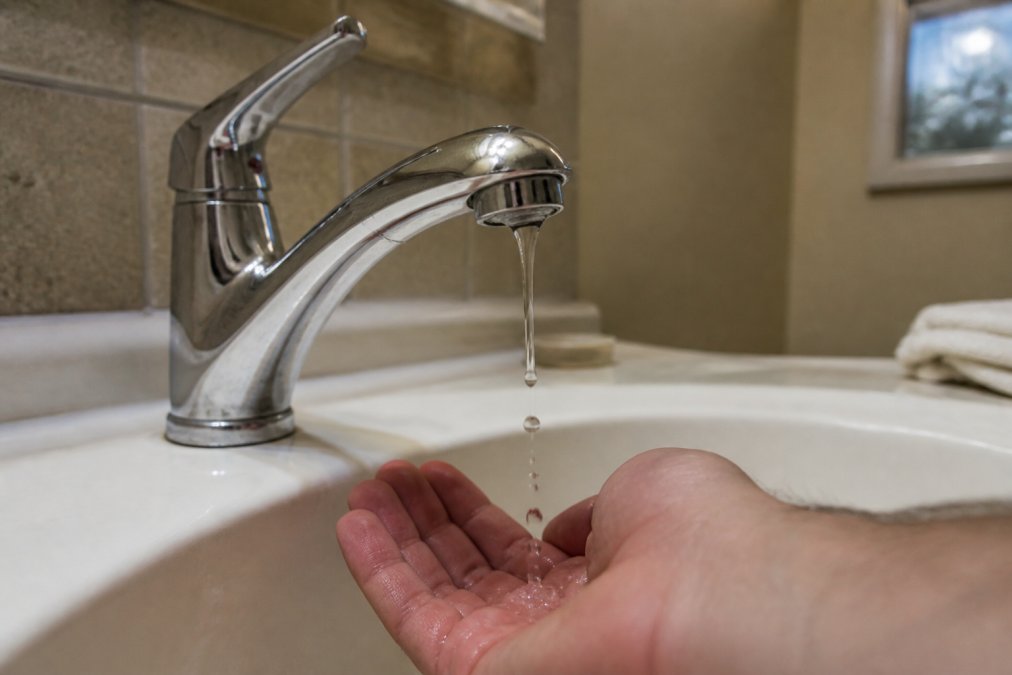
Before assuming the worst, check the simplest cause: clogged sink aerators and showerheads. These small screens trap sediment and mineral deposits from the water supply. In areas with hard water, scale buildup can restrict flow dramatically, making it seem like the entire house has a pressure problem when only one fixture is affected. Remove the aerator from the affected faucet and inspect it for debris. If it is clogged with black specks or white scale, soak it in vinegar overnight and brush it clean. For showerheads, a plastic bag filled with vinegar taped over the showerhead for a few hours often dissolves the deposits. If multiple fixtures are weak, or if the pressure drops again within a few weeks, the mineral buildup is likely systemic, pointing back to the galvanized pipes or a failing PRV.
| Symptom | Likely Cause | Quick Fix | Long-Term Fix |
|---|---|---|---|
| Weak flow at one faucet only | Clogged aerator | Clean or replace aerator | Install whole-house water softener |
| Weak flow at all faucets | Failing PRV or corroded main line | Test pressure with gauge | Replace PRV or repipe |
| Sputtering or rusty water | Corroded galvanized pipes | Flush lines temporarily | Replace affected pipe sections |
| Pressure drops when two fixtures run | Restricted pipe diameter | Reduce simultaneous use | Repipe with modern PEX or copper |
How to Test Water Pressure in House: DIY vs. Professional
The only way to know if you have a true pressure problem or just a flow restriction is to measure the static pressure.
The DIY Test: Step-by-Step with a PSI Gauge
A standard hose bib pressure gauge costs between $10 and $25 at any hardware store. Here is the correct procedure:
- Locate the test point. Use an outdoor spigot or the washing machine connection. These are the closest points to the main line and give the most accurate reading of incoming pressure.
- Ensure no water is running. Turn off all faucets, showers, and appliances that use water. The washing machine and dishwasher should be off.
- Screw the gauge on tightly. Hand-tighten is usually sufficient. Open the spigot fully.
- Read the gauge. The needle will jump and then settle. Wait 30 seconds for a stable reading.
- Record the number. This is your static pressure.
Normal residential water pressure in the United States falls between 40 and 80 PSI (the EPA). Below 40 PSI is considered low. Above 80 PSI is dangerously high and can damage appliances and pipes.
What the DIY Test Cannot Tell You
The static pressure test gives you a snapshot, but it has significant limits:
- It does not measure dynamic pressure. Dynamic pressure is the pressure while water is flowing. A system with corroded pipes may show 60 PSI static but drop to 20 PSI when a shower runs. This is called pressure loss under flow, and it is the real-world symptom you are experiencing.
- It cannot locate the restriction. A normal reading at the hose bib with weak flow at a second-floor fixture points to internal pipe corrosion, but the gauge cannot tell you where the bottleneck is.
- It cannot distinguish between a municipal supply problem and a private line leak. For that, you need to test at the meter, which is typically not accessible without utility coordination.
The Professional Diagnostic: What a Plumber Does Differently
A licensed plumber uses a dual-gauge setup to measure pressure at multiple points simultaneously. The standard diagnostic procedure includes:
- Testing at the hose bib to establish baseline incoming pressure.
- Testing before and after the PRV to determine if the regulator is functioning correctly. A pressure drop across the PRV of more than 10 PSI under flow indicates a failing valve.
- Testing at the water heater drain valve to check for restrictions in the branch lines.
- Performing a flow test by opening a faucet and measuring the pressure drop. A drop of more than 20 PSI under flow indicates significant pipe restriction.
Interpreting Your Results
| Reading | What It Means | Next Step |
|---|---|---|
| Below 40 PSI static | Supply or PRV issue | Check with neighbors; if they have normal pressure, test the PRV |
| 40-80 PSI static, weak flow at fixtures | Internal pipe restriction | Likely corrosion or scale; schedule a professional flow test |
| Above 80 PSI static | Missing or failing PRV | Install or replace the PRV immediately |
| Normal static, pressure drops more than 20 PSI under flow | Significant internal restriction | Professional camera inspection of the main line recommended |
For homes built before 1960, the most common finding is normal static pressure at the hose bib with severe pressure loss under flow, almost always caused by galvanized pipe corrosion.
Municipal Supply Issues and Main Line Leaks
Sometimes the problem is not in your house at all, but in the municipal water supply or the main service line connecting your home to it. The city may be performing maintenance, a water main break could be reducing pressure in your neighborhood, or the supply line from the street to your house may have developed a leak.
Identifying the Service Line Material in Older Homes
Homes built before 1986 may have a lead service line connecting the water main under the street to the house (the EPA). Lead service lines do not typically cause low water pressure, lead is a soft metal that does not corrode internally the way steel does, but identifying them is critical for safety.
Here is how to identify the service line material where it enters your home, usually at the main shutoff valve near the foundation:
- Lead: Soft, dull gray, and scratches easily with a key or coin. A magnet will not stick to it. Lead pipes were commonly used until the 1930s, but some homes built as late as 1986 have them.
- Galvanized steel: Gray, slightly rough, and magnetic. This is the most common material for homes built between 1930 and 1960.
- Copper: Shiny reddish-brown, not magnetic. Common from the 1960s onward.
- Polybutylene: Gray or blue flexible plastic, often stamped with "PB2110." Used primarily between 1978 and 1995. These pipes are prone to brittle failure and are a known class-action settlement issue.
Polybutylene Pipes: A Special Case for Low Pressure
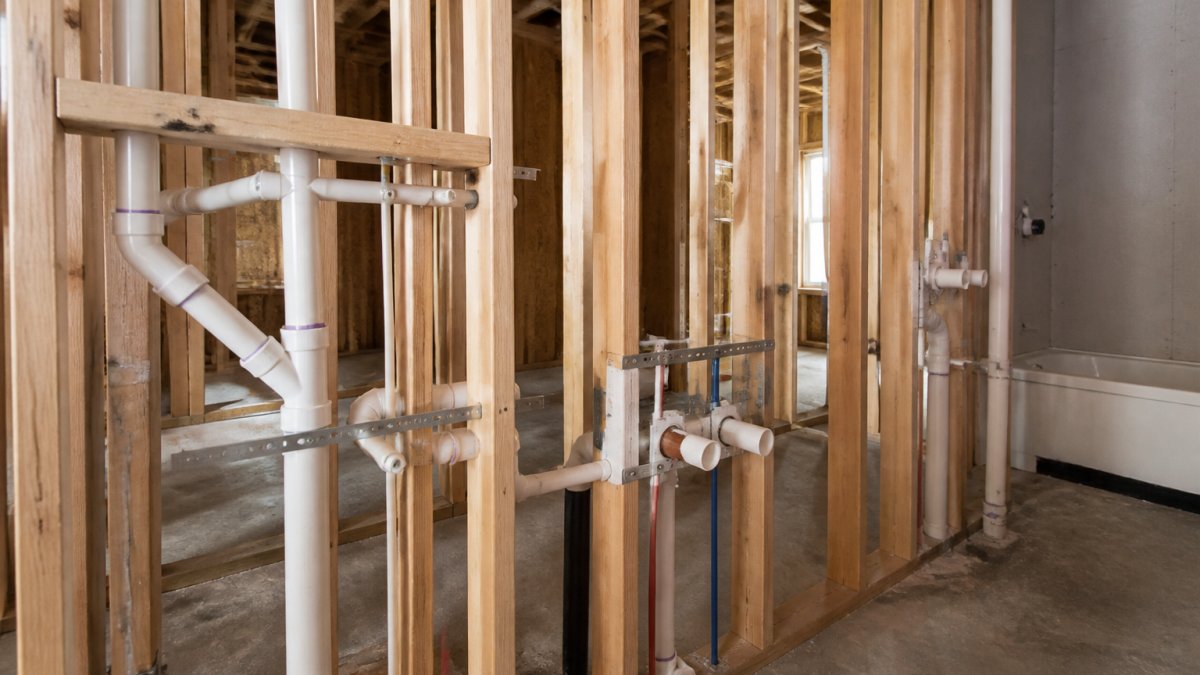
If your home was built between 1978 and 1995, there is a chance it has polybutylene pipes. These pipes do not corrode like galvanized steel, but they degrade from the inside when exposed to chlorine in municipal water. The degradation causes flaking and scaling that can restrict flow and cause low pressure at fixtures. Polybutylene pipes are also prone to sudden failure at the fittings. The long-term fix is full repiping with PEX or copper.
Municipal Supply vs. Private Line: Who Owns What
Municipal regulations vary by locality, but the general rule is that the water utility owns the line from the street main to the water meter, and the homeowner owns the line from the meter to the house.
A leak in the main water line between the meter and your house is a serious problem. Water escapes before it ever reaches your plumbing system, reducing both pressure and flow. You may notice soggy patches in the yard, unexplained increases in your water bill, or the sound of running water when all fixtures are off.
Insurance and Home Inspection Implications
During a home inspection, a low pressure reading can be a red flag. If the inspector notes galvanized pipe corrosion or a lead service line, it can affect the home's resale value and may require disclosure to potential buyers.
Some homeowners insurance policies exclude coverage for damage caused by gradual corrosion or deterioration. Documenting the condition of your pipes and addressing known issues proactively can help you avoid a denied claim.
If your neighbors are experiencing the same pressure drop simultaneously, the issue is likely in the municipal supply. Contact your local water utility to report the issue. If your pressure is low but your neighbors' is normal, the problem is on your property.
When to Call a Licensed Plumber for Diagnosis
If you have cleaned the aerators, confirmed your pressure is low with a gauge, and ruled out a municipal issue, it is time to call a licensed plumber.
During a professional visit, the plumber will check the pressure regulator valve, inspect the condition of exposed pipes, and may use a camera to inspect the interior of the main line. This is particularly important for homes with galvanized steel pipes, where the extent of corrosion is invisible from the outside.
When you schedule a service call, look for a company that offers transparent pricing and stands behind its work. When you schedule a service call, look for a company that offers transparent pricing and stands behind its work.
Conclusion: Restoring Proper Flow to Your Older Home
Low water pressure in older homes is a symptom of aging infrastructure, not a mystery. The cause is usually galvanized pipe corrosion, a failing pressure regulator valve, or mineral buildup.
The team at Colby Plumbing Company LLC has served the Denver metro area since 1996, providing fast, affordable, and reliable service for exactly these situations. Whether you need a pressure test, a PRV replacement, or a full repipe of corroded galvanized lines, our licensed professionals deliver high-quality work.
Contact Colby Plumbing Company LLC today to schedule a diagnostic and restore proper water flow to your older home.
Frequently Asked Questions
What is the most common cause of low water pressure in older homes?
Galvanized pipe corrosion is the most frequent culprit in homes built before 1960. Over decades, mineral deposits and rust accumulate inside the steel pipes, gradually reducing the inner diameter and restricting water flow. This type of scale buildup is often visible at pipe joints. While a failing pressure regulator or a clogged aerator can also cause issues, corroded galvanized steel lines are the primary reason older homes experience chronic low water pressure throughout the entire house.
How do I know if my main water valve is fully open?
The main shutoff valve is usually located near your water meter, often in a basement, crawlspace, or utility closet. For a gate valve, turn the handle counterclockwise until it stops completely; it should not be left partially open. For a ball valve, the lever must be parallel to the pipe. A partially closed valve restricts flow and mimics other pressure problems. Checking this is a free, 30-second test you can perform before calling a plumber.
Can corroded pipes cause low water pressure?
Yes. Corroded galvanized pipes are a leading cause of low water pressure in older homes. Rust and mineral deposits form a layer of scale on the pipe's interior walls, which narrows the passage for water. A 3/4-inch pipe can effectively become a 1/2-inch pipe over time. This condition also reduces flow rate and can lead to discolored water. In most cases, the only permanent fix is repiping the affected sections with copper or PEX.
What is a typical pressure regulator valve replacement cost?
The pressure regulator valve replacement cost depends on the valve model and local labor rates, so pricing varies. The part itself is generally not the main expense; the labor involves cutting into the main water line, soldering or crimping new fittings, and testing the system. You can get an accurate estimate from a licensed plumber who inspects your setup. Replacing a failing PRV is critical, as it protects your pipes and fixtures from damage.