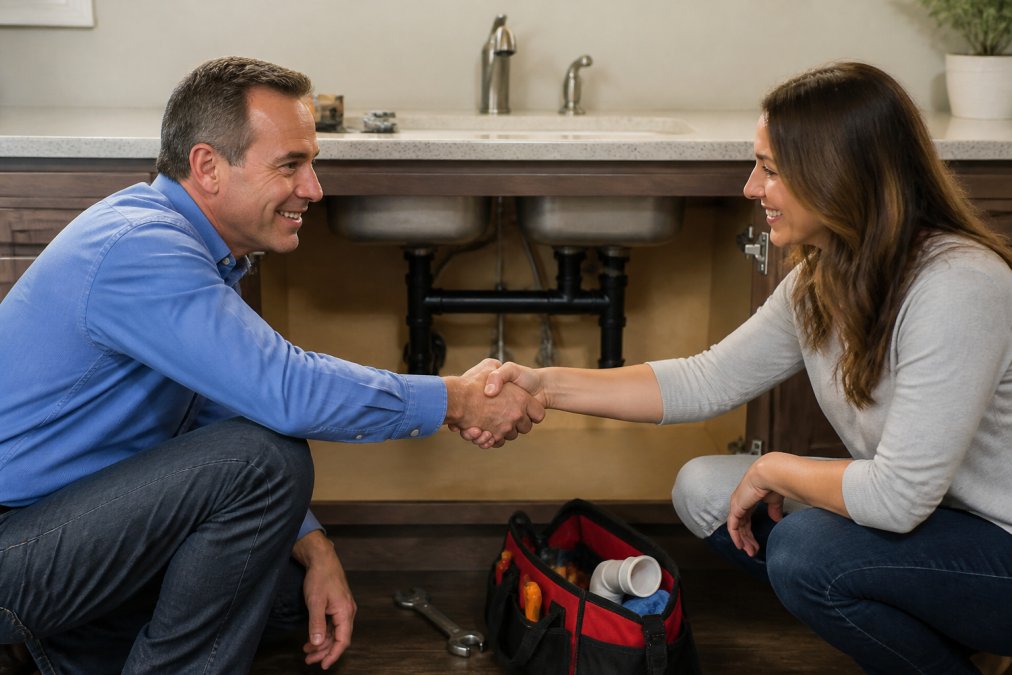
 ultimate-guide
What Does a Plumbing Satisfaction Guarantee Cover?
Table of Contents
- What a Plumbing Satisfaction Guarantee Actually Covers
- Plumbing Warranty vs Satisfaction Guarantee: Key Differences
- Standard Plumbing Industry Warranty Length Explained
- Common Exclusions and Limitations to Know
- What Happens When a Plumbing Repair Fails
- DIY vs. Professional Work: How It Affects Your Coverage
- Questions to Ask a Plumber Before Hiring
- Conclusion
Last Updated: August 9, 2026
What a Plumbing Satisfaction Guarantee Actually Covers
Aplumbing satisfaction guarantee is a contractor's written or verbal commitment to return and fix work at no additional charge if it doesn't perform as promised. What a guarantee covers depends entirely on what the contractor puts in writing. Many providers use "satisfaction guarantee" as marketing without defining what it actually means. A genuine guarantee specifies the scope of work covered, the time window for claims, and whether it includes both labor and parts.

Below, we break down exactly what a well-structured plumbing satisfaction guarantee should include, what it typically excludes, and what questions to ask before you sign anything.
Labor Coverage and Workmanship Guarantees
The core of any plumbing satisfaction guarantee is workmanship coverage, the contractor guarantees the quality of work their technicians performed. If a pipe joint they soldered begins leaking or a fixture they installed stops functioning correctly within the coverage window, the company returns and corrects the problem without additional labor charges.
A workmanship guarantee is not the same as a manufacturer warranty on parts. It covers what the plumber did, not what the parts themselves do. Industry practice generally sets workmanship guarantees at one year for standard repairs and installations, though some contractors offer longer windows for larger projects like repiping or water heater installation. Get the duration stated explicitly in your service agreement before work begins.
Parts Replacement and Materials
Parts replacement coverage varies significantly. Some plumbing satisfaction guarantees cover the cost of replacing defective parts within the coverage window; others explicitly exclude parts and direct homeowners to the manufacturer's warranty instead.
For high-value components like water heaters and shutoff valves, clarify upfront whether the contractor will replace a failed part at no charge or whether you'll need to pursue a separate manufacturer warranty claim. If a contractor uses parts you supplied yourself, most guarantees will not cover those materials, though workmanship coverage on the installation may still apply.
Plumbing Warranty vs Satisfaction Guarantee: Key Differences
These terms get used interchangeably but describe different things. A plumbing warranty is a formal, legally enforceable promise about performance over a defined period. A plumbing satisfaction guarantee is a broader commitment that the customer will be happy with the outcome, sometimes with more flexibility in how disputes are resolved.
A warranty typically requires a documented defect or failure. A satisfaction guarantee may allow a homeowner to request a return visit simply because they aren't satisfied, even if nothing technically failed.
Manufacturer Warranties vs. Service Warranties
A manufacturer warranty covers the product itself, the water heater tank, faucet cartridge, or shutoff valve, and is issued by the company that made it, not the plumber who installed it.
A service warranty (sometimes called a labor warranty) covers the installation or repair work performed by the contractor. These two warranties run in parallel, and knowing which applies determines who you call when something goes wrong.
According to the Federal Trade Commission's consumer guidance on warranties, written warranties must clearly state what is and isn't covered, the duration, and the claim process. A common mistake is assuming the plumber is responsible for a part that failed due to a manufacturing defect, that claim belongs with the manufacturer. Conversely, if a part failed because it was installed incorrectly, that falls on the contractor's service warranty.
Standard Plumbing Industry Warranty Length Explained
The industry standard for plumbing workmanship warranties is one year from the date of service. For more complex work, coverage windows often extend:
| Type of Work | Typical Warranty Length | What's Covered |
|---|---|---|
| Standard repairs and fixture installation | 1 year | Labor and workmanship |
| Water heater installation | 1-2 years (labor); 6-12 years (manufacturer on tank) | Labor separate from parts |
| Repiping projects | 1-5 years | Workmanship on all new lines |
| Sewer service and drain cleaning | 30-90 days | Clearing of the specific blockage |
| Emergency plumbing calls | 30-90 days | Workmanship on emergency repair |
Drain cleaning and sewer service carry shorter windows because blockages can recur due to homeowner behavior (grease buildup, wipes flushed, root intrusion) rather than defects in the work performed. The one-year standard aligns with guidance from the International Association of Plumbing and Mechanical Officials, which sets model codes that many jurisdictions adopt for residential plumbing installation standards.
Common Exclusions and Limitations to Know
Every plumbing satisfaction guarantee has exclusions. The most common include:
- Pre-existing conditions. Failures in aging plumbing infrastructure not part of the original service call typically aren't covered.
- Customer-supplied parts. If you purchased your own faucet or fixture and asked the plumber to install it, most guarantees won't cover the part itself.
- Normal wear and tear. A shutoff valve that fails two years after installation due to age and mineral buildup is not an installation defect.
- Damage caused by third parties. If another contractor, a DIY repair attempt, or an external event damages the work, the guarantee typically doesn't apply.
- Neglect or misuse. Pouring grease down a drain that was just cleaned or using chemical drain cleaners on new pipes can void coverage.
- Code compliance issues discovered later. Pre-existing code violations unrelated to the work performed fall outside the guarantee scope.
What Happens When a Plumbing Repair Fails
When a covered repair fails within the warranty window, a reputable contractor should return promptly, diagnose the problem, and correct it at no charge. The first question is whether the failure is covered, not every problem that appears after a service call is the contractor's responsibility.
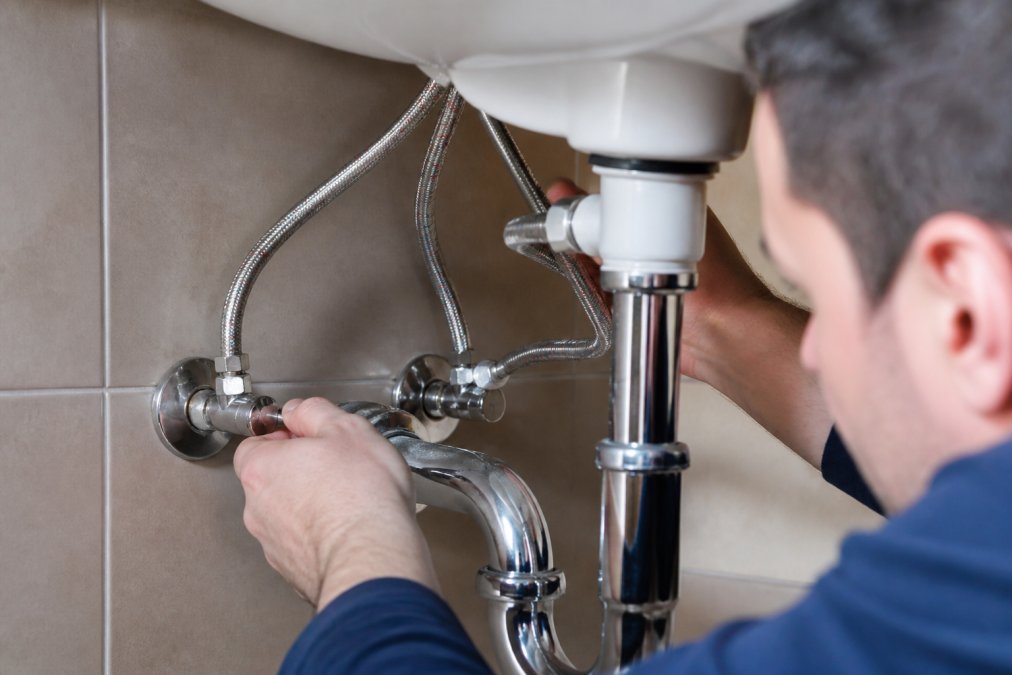
How to File a Warranty Claim: Step by Step
- Document the problem immediately. Take photos or video of the issue and note when you first noticed it.
- Locate your original service agreement or invoice. You'll need the date of service and scope of work performed.
- Contact the contractor directly. Call or email and reference the original service date. Use the word "warranty claim" explicitly.
- Request written confirmation. Ask the contractor to confirm in writing that the return visit is covered under the guarantee, not a new billable service call.
- Be available for the follow-up visit. Coordinate a time that works for both parties.
- Document the resolution. Get written confirmation that the issue was resolved.
Documentation Requirements That Protect You
Keep the following for every plumbing service call:
- The original invoice or service agreement with scope of work clearly described
- Any written warranty or guarantee terms provided by the contractor
- Photos taken before and after the work was performed
- Any text or email correspondence with the contractor
As noted in the Consumer Financial Protection Bureau's homeowner resources, maintaining clear records of contractor agreements is one of the most effective protections homeowners have when disputes arise.
DIY vs. Professional Work: How It Affects Your Coverage
If you modify, adjust, or attempt to repair work that a licensed plumber performed, you almost certainly void the guarantee on that work. This applies even to seemingly minor interventions like tightening a fitting or adjusting a valve.
If a plumber is called to repair work that was originally done as a DIY project, they typically won't extend their guarantee to cover the original DIY work. They'll guarantee the specific repair they performed, but not the surrounding plumbing that wasn't part of their scope.
For homeowners in Colorado, the Colorado Department of Regulatory Agencies plumbing licensing requirements requires licensed plumbers for most residential plumbing work beyond basic fixture maintenance. Work performed without a license may void a guarantee and create liability issues when selling a home or filing an insurance claim.
Questions to Ask a Plumber Before Hiring
Before any plumber starts work in your home, get clear answers to these questions:
- Is your guarantee on workmanship, satisfaction, or both? Understand what triggers a return visit.
- What is the exact duration of coverage? Get a specific timeframe, not a vague promise.
- Does the guarantee cover parts, labor, or both? Know which category covers what.
- What are the specific exclusions? Ask for the list in writing.
- Are you licensed and insured in Colorado? Licensing protects you if something goes wrong.
- What is the process for filing a claim? Know who to call and what information you'll need.
- How quickly do you respond to warranty callbacks? A contractor who takes weeks to respond isn't offering much practical protection.
Transferability, Lemon Policies, and Other Terms to Request
Transferability refers to whether the guarantee transfers to a new owner if you sell your home. Some contractors allow this; most do not. If you're planning to sell within the next year or two, ask explicitly whether the guarantee transfers to the buyer.
No-lemon policies address what happens when the same problem recurs multiple times. A contractor with a no-lemon policy commits to escalating their response after repeated failures, potentially offering a full refund or replacement of the failed component at no charge. This isn't a standard term, but it's worth requesting for complex or high-value work.
Ask for these terms in writing. Verbal commitments are difficult to enforce if disputes arise.
| Guarantee Term | What It Means | Why It Matters |
|---|---|---|
| Workmanship guarantee | Covers labor quality for a defined period | Ensures free return visits for installation defects |
| Satisfaction guarantee | Broader commitment to customer outcome | May cover issues beyond technical defects |
| Parts warranty | Covers replacement of failed materials | Determines who pays when a part fails |
| Transferability | Guarantee passes to new homeowner | Adds value if you sell your home |
| No-lemon policy | Escalated response after repeated failures | Protects against chronic recurring problems |
| Exclusions clause | Lists what the guarantee does NOT cover | Critical to read before signing |
Choosing a plumber comes down to trust, and trust is built on specifics. Vague guarantees that sound reassuring but define nothing leave homeowners exposed when something goes wrong. The right contractor will put their commitments in writing, explain the exclusions clearly, and respond promptly when called back.
Colby Plumbing Company LLC has served homeowners and businesses across the Denver metro area since 1996, and our 100% satisfaction guarantee is backed by licensed professionals. If you have questions about a plumbing issue or want to understand exactly what our guarantee covers before we start work, contact us today.
Frequently Asked Questions
What is the difference between a plumbing warranty and a satisfaction guarantee?
A plumbing warranty is a formal, often written promise to repair or replace specific parts or labor within a defined period. A satisfaction guarantee is broader: if you're unhappy with the result for any covered reason, the contractor commits to making it right, whether through re-service, a partial credit, or a full refund. Warranties tend to be more legally precise, while satisfaction guarantees focus on the customer experience. The best plumbing service agreements include both, clearly spelling out what each covers.
How long is a plumber typically liable for their work?
Most plumbing contractors offer a workmanship guarantee of 1 year, which is the industry standard for labor coverage on repairs and installations. Some providers extend coverage to 2 years for major work like repiping or water heater installation. Beyond the contractor's own guarantee, Colorado's statute of limitations for construction defects can extend legal liability significantly longer, so keeping all written documentation, invoices, and inspection records is important regardless of the stated warranty length.
Do plumbing satisfaction guarantees cover parts and labor?
It depends on the contractor's specific terms and conditions. A plumbing satisfaction guarantee typically covers the labor, meaning the work performed by the technician. Parts replacement coverage may fall under a separate manufacturer warranty for fixtures, valves, or water heater components. Always ask your plumber to clarify in writing whether both labor and parts are included, what the coverage period is for each, and what steps you need to take to make a warranty claim if something goes wrong.
What happens if a plumbing repair fails shortly after service?
Contact the plumbing company immediately and reference your original service agreement or invoice. A reputable contractor with a genuine plumbing satisfaction guarantee will schedule a follow-up service call at no additional charge to diagnose and correct the issue. Document the failure with photos and written notes before anyone returns. If the same problem recurs more than once, ask whether the company has a no-lemon policy that escalates the response, such as a full replacement or a refund of the original service fee.
This article was written using GrandRanker