 ultimate-guide
What Happens If a Leak Goes Unrepaired
Table of Contents
- Why Unrepaired Leaks Demand Immediate Attention
- Structural Damage and Foundation Integrity
- Mold Growth and Indoor Air Quality Risks
- Signs of a Hidden Water Leak
- Financial Impact: Resale Value and Utility Costs
- Cost of Water Damage Restoration and Insurance Coverage
- Your Action Plan: Detection and Professional Repair
- Frequently Asked Questions
Last Updated: September 27, 2026
Why Unrepaired Leaks Demand Immediate Attention
A leak that goes unrepaired threatens your home's structural integrity, health, and finances. What starts as a small drip escalates into catastrophic damage within days. The 24-48 hour window is critical: after that point, mold colonizes, structural materials fail, and remediation costs skyrocket.
A leak goes unrepaired because it seems manageable or damage isn't yet visible. But water doesn't stop flowing, materials don't dry themselves, and damage doesn't reverse. Every hour a leak continues, consequences multiply.
Structural Damage and Foundation Integrity
When a leak goes unrepaired, water infiltration attacks your foundation. Wood framing softens and warps, drywall loses structural capacity, and steel corrodes. The longer water accumulates, the more severe the compromise.
Water seeping into or around your foundation causes soil to shift unevenly, leading to foundation cracks, uneven floors, and misaligned doors and windows, signs of serious structural compromise.
Wooden support beams are particularly vulnerable. Water-saturated wood loses load-bearing capacity and may fail entirely, requiring replacement costing tens of thousands of dollars.
Concrete and masonry suffer from freeze-thaw cycles that crack and crumble materials. Slab leaks, water escaping from pipes beneath your foundation, cause concrete to weaken and settle unevenly, creating cascading structural problems.
Mold Growth and Indoor Air Quality Risks
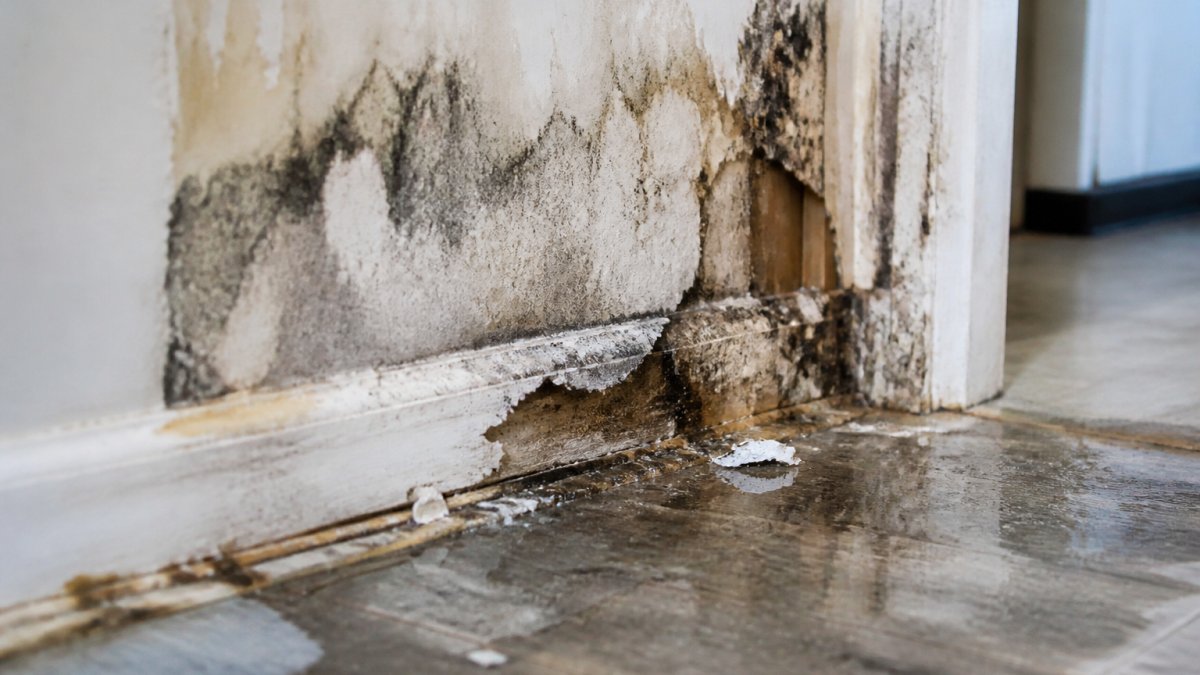
Mold colonizes wet materials within 24-48 hours and spreads rapidly through walls, insulation, and HVAC systems, thriving in hidden spaces where moisture accumulates.
Mold spores trigger respiratory issues, allergies, and asthma attacks, particularly in children and older adults. Some species produce mycotoxins causing serious health effects with prolonged exposure.
Mold grows inside walls, beneath flooring, and within ductwork before becoming visible. By the time you smell musty odors, mold has colonized significantly, requiring costly professional remediation.
Addressing a leak within 24-48 hours prevents mold growth entirely. Waiting longer guarantees costly mold remediation involving containment, removal, and material replacement.
Signs of a Hidden Water Leak
Early leak detection prevents catastrophic damage. Water damage often hides inside walls and beneath floors until severe.
Visual and Sensory Indicators
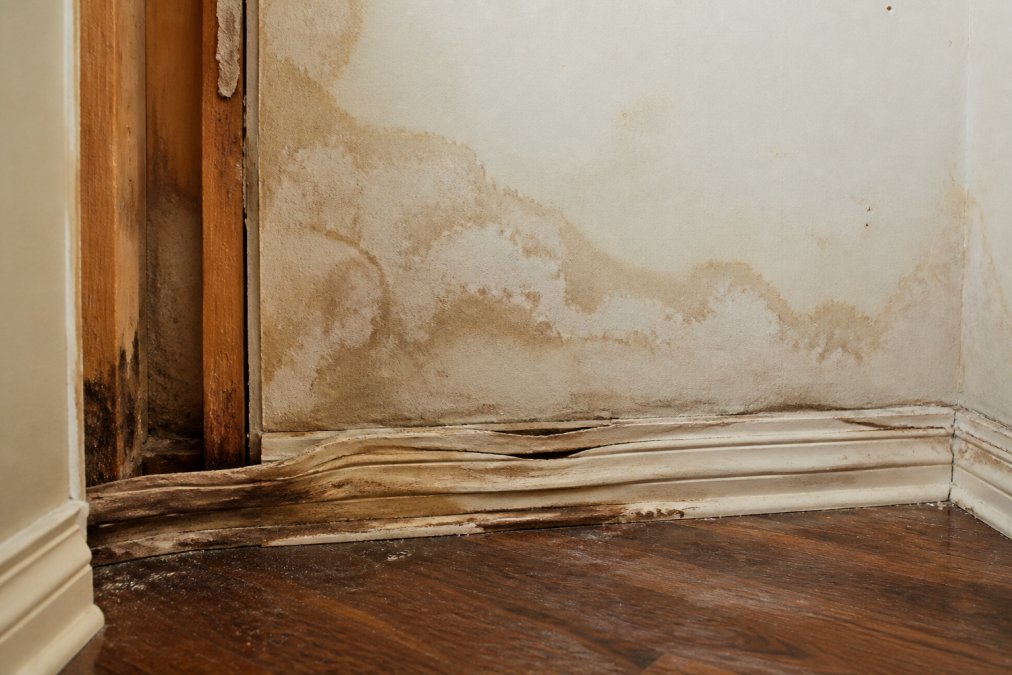
Look for discoloration on walls or ceilings, warped drywall, soft flooring spots, musty odors, unexplained high water bills, peeling paint, rust stains, and visible water pooling or seepage.
Material-Specific Damage Patterns
Different building materials show distinct damage signatures, and recognizing these patterns helps you assess severity and urgency.
Drywall: Absorbs water rapidly and becomes soft and crumbly. Mold colonizes within 24-48 hours. Drywall is the cheapest material to replace, making drywall-only damage less catastrophic than structural damage.
Hardwood flooring: Swells, warps, cups, or buckles when wet. Damage is often irreversible, requiring complete replacement at $8-$15 per square foot or more.
Carpet and subflooring: Carpet masks water damage, making leaks hard to detect early. By the time you notice musty odors, the backing and subflooring are severely compromised. Wet carpet becomes a mold incubator, and replacement is labor-intensive and costly.
Concrete foundations and slabs: Water seeping beneath concrete causes soil erosion and uneven settlement. Slab leaks are particularly dangerous because damage occurs out of sight. Repairs cost $3,000-$25,000 and often require breaking concrete to access pipes.
Wood framing and structural members: Water-saturated wood loses load-bearing capacity and becomes susceptible to rot fungi. Beam replacement often exceeds $10,000 per beam and threatens home integrity.
The Water Meter Test: DIY Leak Detection
The Water Meter Test: Turn off all water fixtures. Locate your water meter and note the reading. Wait 30 minutes without using water. If the meter advanced, you have a supply line leak. If it didn't move but you suspect a leak, the problem may be in the drainage system or intermittent.
Professional Leak Detection Methods
Professional leak detection uses moisture mapping, thermal imaging, acoustic sensors, and dye tracing to pinpoint hidden leaks without demolition. Professional detection typically costs $200-$500.
Once the leak is identified, repair urgently. Contact a licensed plumber immediately; same-day repair prevents extensive water damage.
Financial Impact: Resale Value and Utility Costs
A leak that goes unrepaired creates immediate and long-term financial damage. The most obvious impact is on utility bills. A small, steady leak wastes thousands of gallons annually. A single dripping faucet can waste 3,000 gallons per year (the EPA). A pinhole leak in a water line can exceed that. Over months or years, this water waste translates into hundreds of dollars in unnecessary charges.
But the utility cost is minor compared to the property value impact. Homes with water damage history face significant resale value reduction. Buyers conduct inspections, and inspectors find evidence of past water intrusion. Even if you've repaired the leak, water stains, mold residue, and structural damage raise red flags. Lenders may refuse to finance a home with documented water damage. Insurance companies may deny coverage or charge substantially higher premiums.
The resale value hit depends on severity. Minor cosmetic damage might reduce value by 5-10%. Structural damage or extensive mold remediation can reduce value by 20-30% or more. In some cases, homes become difficult to sell at any price if the damage is severe enough.
Beyond resale, property depreciation accelerates. Water-damaged homes don't appreciate like comparable homes in the same neighborhood. Over time, this lost appreciation compounds, the difference between a well-maintained home and a water-damaged one grows significantly.
Cost of Water Damage Restoration and Insurance Coverage
The cost of water damage restoration depends on the extent of damage and the materials involved. A small leak caught early might cost a few hundred dollars to repair. The same leak left unattended for months could cost thousands or tens of thousands in restoration.
Water damage restoration typically includes water extraction, drying, dehumidification, mold remediation, and material replacement. Professional-grade equipment and expertise are required for thorough restoration. This isn't a DIY project; improper drying leads to hidden moisture and mold growth that emerges months later.
Insurance Coverage and the Negligence Clause
Most homeowners policies cover sudden, accidental water damage, like a burst pipe or storm-related flooding. However, the critical distinction lies in how insurers classify the cause. If you discover a leak and delay repair, your insurer may invoke the "negligence" or "lack of maintenance" exclusion, shifting the claim from "covered accident" to "uncovered loss."
Insurance companies investigate the timeline aggressively. They will ask:
- When did you first notice the leak or water damage?
- What steps did you take to mitigate further damage?
- How long elapsed between discovery and repair initiation?
- Do you have documentation of the leak's discovery date?
If your records show you discovered a leak on a Monday and didn't call a plumber until Friday, the insurer has grounds to deny the claim.
Protecting Your Insurance Claim
The moment you suspect a leak, document it. Take dated photos or video of the water, the location, and any visible damage. Write down the date and time you discovered it. If you contact a plumber, keep the initial call log or email timestamp. This documentation proves you acted promptly and limits the insurer's ability to claim negligence.
Restoration Cost Ranges
Small, localized water damage (a single room, caught within 48 hours) typically costs $1,000-$5,000 to fully restore, including extraction, drying, and minor material replacement. Moderate damage (multiple rooms, some structural material saturation, early mold growth) ranges from $5,000-$20,000. Severe damage involving structural repairs, extensive mold remediation, or foundation issues can exceed $50,000 and occasionally reach six figures.
Your Action Plan: Detection and Professional Repair
When you suspect a leak, the first step is confirmation. Look for visible signs: water stains, soft spots, musty odors, or unexplained water bill increases. Check under sinks, around toilets, in crawl spaces, and in the basement. Identify any obvious sources of water intrusion.
Frequently Asked Questions
How long can a water leak go unnoticed before causing major damage?
Most water damage becomes serious within 24 to 48 hours. During this critical window, moisture accumulates in walls, flooring, and structural materials. However, some leaks, especially slow slab leaks or those hidden behind walls, can go undetected for weeks or months before visible signs appear. The longer a leak goes unrepaired, the greater the structural integrity risk and the higher remediation costs become. Regular home inspections and moisture mapping help catch hidden leaks early.
Will homeowners insurance cover damage from an unrepaired leak?
Coverage depends on the leak's cause and your policy. Sudden, accidental leaks (burst pipes, storm damage) are typically covered. However, gradual leaks from poor maintenance, aging pipes, or negligence are usually excluded. If you delay repairs after discovering a leak, insurers may deny claims, arguing you failed to prevent further damage. Document the leak's discovery date and your repair timeline. Contact your insurance provider immediately when you discover a leak to understand your coverage and protect your claim.
How quickly does mold grow after a water leak?
Mold can begin growing within 24 to 48 hours of water exposure in warm, humid conditions. Certain mold species develop even faster. Once established, mold spreads through moisture-rich materials like drywall, wood, and insulation, compromising indoor air quality and creating health risks. The longer moisture persists, the larger the mold colony becomes and the more expensive remediation becomes. Quick leak detection and repair are critical to prevent mold colonization and protect your home's air quality.
Can a small plumbing leak lead to structural failure?
Yes. Even small, slow leaks cause cumulative damage over time. Water weakens structural materials like wood framing, concrete foundations, and drywall through saturation and corrosion. A slab leak or slow water intrusion behind walls may go unnoticed for months while silently damaging the foundation's structural integrity. Eventually, this can lead to foundation settlement, warped floorboards, and catastrophic structural failure. Professional leak detection and prompt repair prevent minor leaks from escalating into expensive structural emergencies.