 How-to
What to Do If a Plumber Refuses Warranty Work
Last Updated: November 7, 2026
Quick Summary
If a plumber refuses warranty work, first check whether your warranty is a workmanship warranty from the plumber or a home warranty plan from a separate company, since each has a different contact route. Gather your invoice, warranty document, photos and timeline, get an independent diagnosis, then send a written demand letter by certified mail.
- Workmanship warranties come from the plumber; home warranty plans come from a separate warranty company.
- Read the warranty for covered items, exclusions and reporting deadlines before contacting anyone.
- Collect invoices, proof of payment, dated photos and emails in one folder.
- Get an independent diagnosis before anyone else changes or repairs the failed work.
- Send a written demand by certified mail, then escalate to licensing boards, consumer agencies or small claims court.
Table of Contents
- Plumbing workmanship warranty vs. home warranty plan
- Gather and Organize Your Plumbing Warranty Claim Documentation
- Get an Independent Diagnosis Before Anyone Else Touches the Work
- Send a Written Demand and Complaint Letter to the Contractor
- Handling Leaks and Damage While the Dispute Is Pending
- How to Dispute a Denied Home Warranty Claim
- Booking a Warranty Repair Visit With Colby Plumbing Company LLC
- Frequently Asked Questions
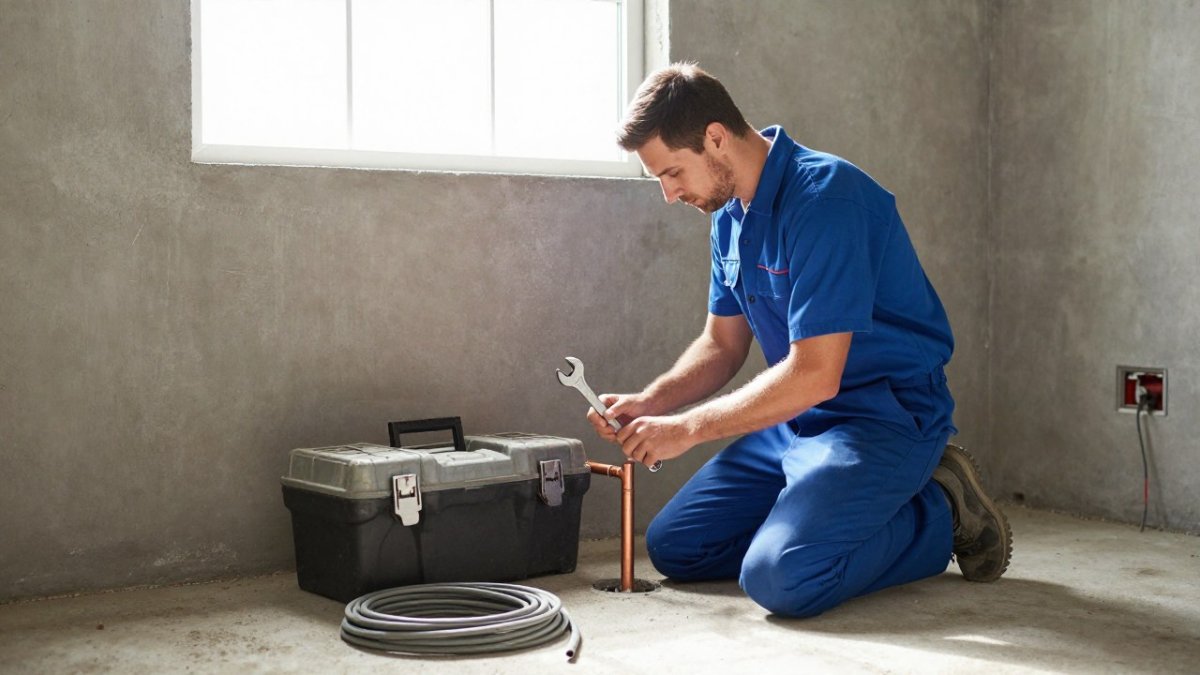
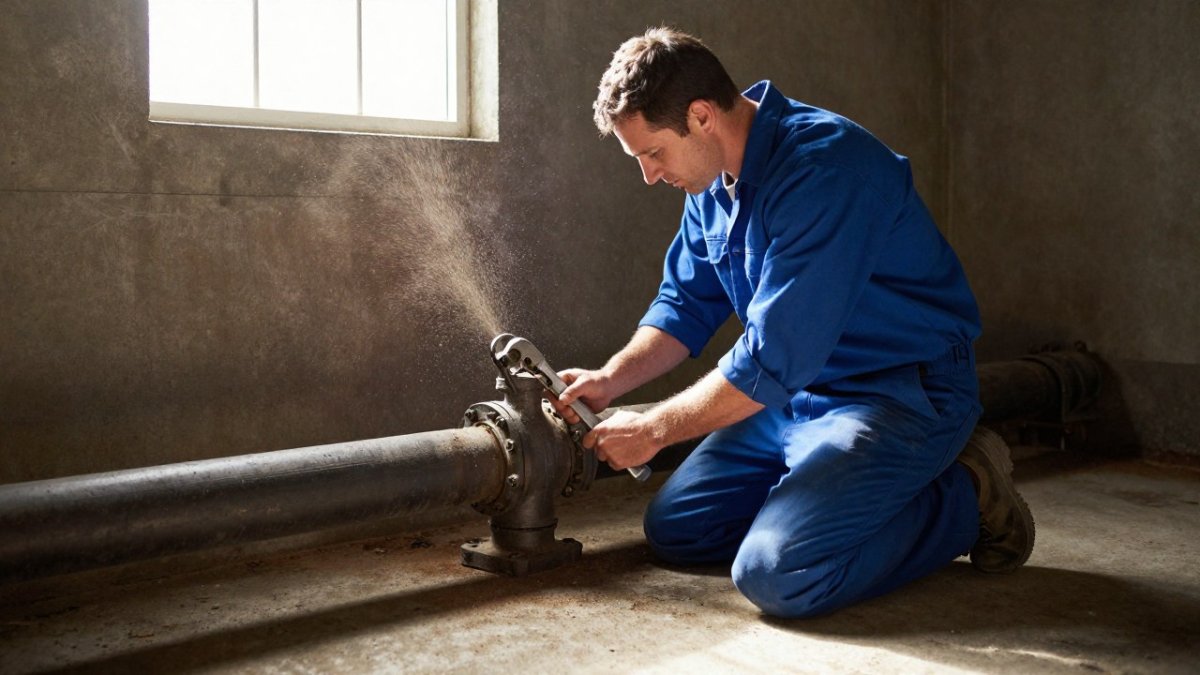
When a plumber refuses warranty work, it is one of the most frustrating situations a homeowner can face, especially after paying for a repair that already failed. These disputes often escalate quickly when neither side knows what the warranty actually covers. Many homeowners can resolve this without a lawyer if they follow a clear sequence, starting with the paperwork.
Here's the first thing to know: a plumbing workmanship warranty and a home warranty plan are not the same thing. A workmanship warranty is a promise from the plumber who did the job. A home warranty is a service contract sold by a separate company that covers appliances and systems, and it often sends its own contractor. Mixing them up leads to the wrong complaint going to the wrong party.
Plumbing workmanship warranty vs. home warranty plan
A plumbing workmanship warranty covers defects in the labor the plumber performed. If a joint leaks a month after a repair, that is usually a workmanship issue. The warranty is only as strong as the document that describes it.
A home warranty plan works differently. It is a contract with a warranty company, and that company decides whether a claim is covered. Many consumers are surprised to learn that the warranty company, not the plumber, has the final say on approval.
Keep these differences in mind:
- Workmanship warranty: Issued by the plumber or their company, covers their labor
- Home warranty plan: Issued by a warranty company, covers listed systems and appliances
- Manufacturer warranty: Covers defects in parts, not the installation labor
Knowing which one applies tells you exactly who to contact first.
Reading the warranty terms, exclusions and deadlines
Pull out your invoice or work order and read the warranty section line by line. Look for three things: what is covered, how long coverage lasts, and what is excluded.
Watch for common exclusions, such as damage from freezing, clogs caused by tree roots, or repairs done by another contractor after the original work. Many warranties also require the customer to report a problem within a set window, so check the deadline in your own paperwork. Missing that deadline can end your claim before it starts.
Watch out: Do not assume a verbal promise counts. If the warranty is not in writing, it is much harder to enforce.
Gather and Organize Your Plumbing Warranty Claim Documentation
Strong documentation is what turns a complaint into a claim. Before you contact anyone, collect everything related to the job in one folder, digital or paper.
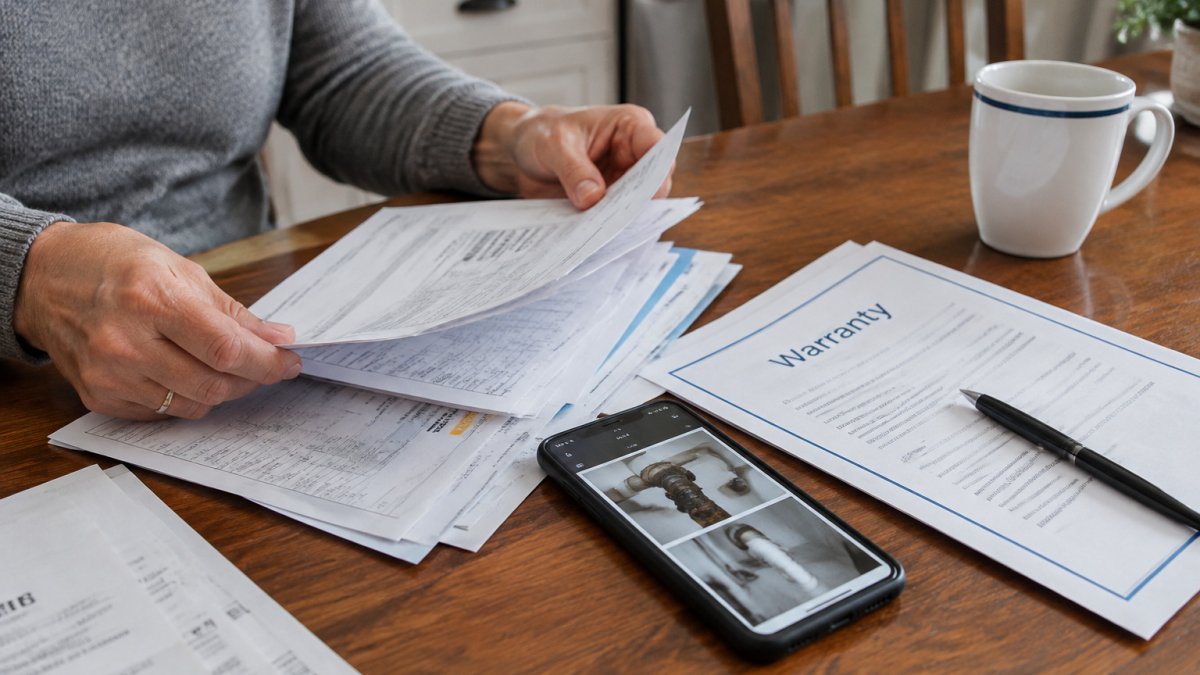
Gather these records:
- Original invoice, estimate, and work order
- Warranty document or service agreement
- Proof of payment, such as a receipt or bank statement
- Photos and videos showing the leak, damage, or failed repair
- Dates of each problem and each call you made
- Emails and text messages with the plumber or warranty company
Take dated photos of the problem from several angles. Note the time you first noticed it, what you did to limit damage, and any water shutoff steps. This record becomes critical if the dispute goes to a state consumer agency or small claims court.
Organize your notes in a simple timeline. A one-page list of dates, actions and responses is far more persuasive than a long, unordered story.
Keep these records together so your claim is easy to prove:
| Document | Why it matters | Example |
|---|---|---|
| Original invoice or work order | Proves the job and its date | Invoice showing the repair |
| Warranty document | Defines what is covered | Written service agreement |
| Proof of payment | Confirms you paid for the work | Receipt or bank statement |
| Photos and videos | Shows the leak or failed repair | Dated images from several angles |
| Timeline of dates and calls | Shows when problems and contacts occurred | One-page list of dates and actions |
| Emails and texts | Records the plumber's responses | Saved messages with the company |
Get an Independent Diagnosis Before Anyone Else Touches the Work
Before hiring a second plumber, get an independent diagnosis, because a plumber refuses warranty claims more easily when the original work was never inspected. A licensed plumber who did not perform the original work can help determine whether the failure stems from defective labor, a faulty part, or something outside the warranty's scope.
This step protects you in two ways. It gives you a written assessment you can share with the original plumber, and it prevents the new contractor from covering up evidence while making repairs. Ask the diagnosing plumber to document what they found, including photos and a short written report.
Be aware that repairs performed by a new contractor may give the original plumber grounds to deny the claim. Ask the diagnosing plumber to photograph the failed component before making any changes.
Send a Written Demand and Complaint Letter to the Contractor
Once you have your documents and an independent assessment, put your request in writing. Phone calls leave no record. A written demand creates a paper trail that matters if you escalate, and it starts the clock on any response deadline you set.
Your letter should include:
- Your name, address, and phone number
- The date of the original job and the invoice number
- A clear description of the defect and when you first noticed it
- The warranty language you are relying on, quoted briefly
- Your requested remedy, such as a return visit or correction at no charge
- A reasonable deadline for response
- A statement that you will pursue licensing-board and consumer-agency complaints if the matter is not resolved
- Copies of supporting documents, not originals
Send the letter by certified mail with return receipt requested, or by email with a read receipt. Keep a copy for your records and note the date it was delivered.
Here is a short template you can adapt:
"On [date], your company performed plumbing repairs at [address] under invoice [number]. On [date], [describe the defect] occurred. An independent plumber confirmed the defect on [date]. Under the workmanship warranty, I request that you return to correct this work at no charge by [deadline]. Please respond in writing. If we cannot resolve this, I intend to file a complaint with the state plumbing licensing board and the state consumer protection agency. Sincerely, [name]"
If the dispute is with a home warranty company rather than the plumber, change the demand route. Send the appeal in writing to the address listed in the service contract, quote the denial letter and the contract section the company relied on, and request a written response within the appeal window stated in the contract. Many home warranty companies are regulated as service contracts by the state insurance department or consumer agency, so a copy of the appeal to the regulator is a useful next step if the internal appeal is denied.
Watch out: Do not authorize a second plumber to make permanent repairs before the original contractor has had a reasonable chance to inspect. In many workmanship disputes, the original plumber's right to inspect and correct is a condition of the warranty, and permanent repairs by someone else can give them grounds to deny the claim.
If the deadline passes without a response, escalate in this order: a second written notice with a final deadline, a complaint to the state or local plumbing licensing board that issued the contractor's license, a complaint to the state attorney general's consumer protection division, and finally small claims court. Small claims filing fees and dollar limits vary by state and court, so check your local court's requirements before filing. Bring your timeline, photos, the independent diagnosis, the warranty document, and proof of delivery of your demand letter.
Handling Leaks and Damage While the Dispute Is Pending
A warranty dispute can take weeks, but a leak will not wait. Your first priority is to stop the water and prevent further damage.
Shut off the water supply to the affected fixture or the main line if needed. Place containers under drips and move valuables away from wet areas. Photograph all damage before cleaning it up.
Keep receipts for emergency supplies and any temporary repairs. Mitigation costs may be recoverable later, but only if you can prove you acted reasonably and kept records.
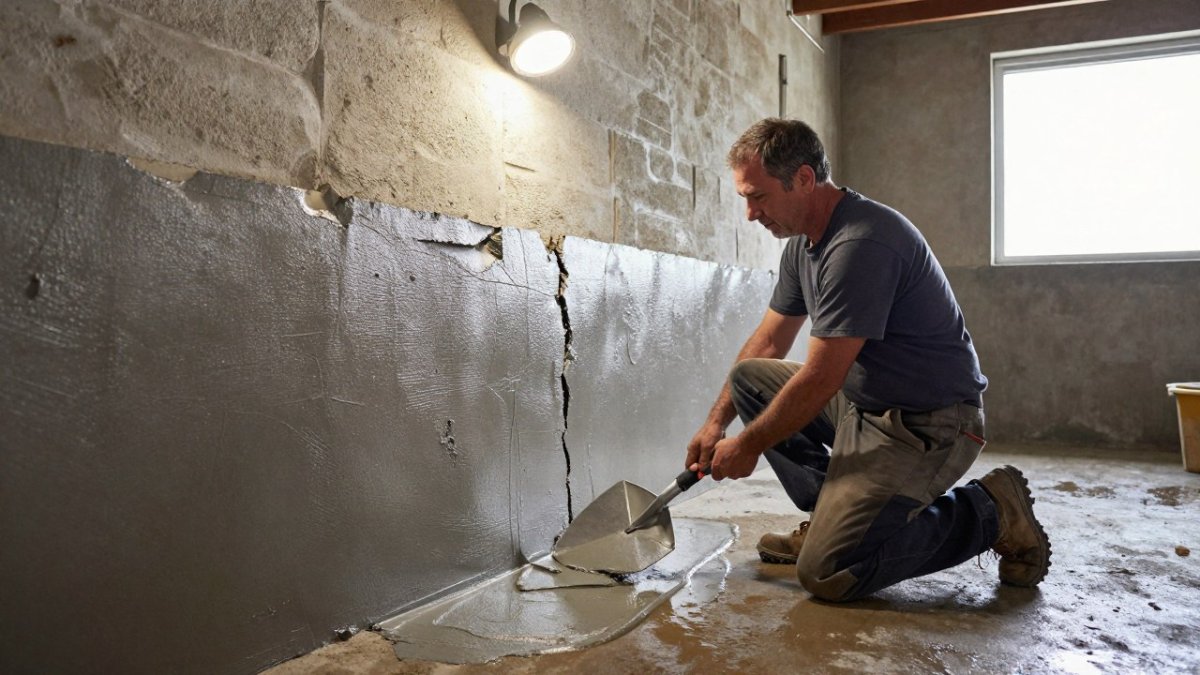
Do not ignore mold risk. Water damage that is not dried promptly can lead to mold growth, which creates a separate and more expensive problem.
How to Dispute a Denied Home Warranty Claim
If a home warranty company denies your claim, the process differs from a plumber refusing their own work. Start by requesting a written explanation of the denial, including the specific contract language they relied on.
Review the denial against your contract. Common reasons include a claim outside the coverage period, a pre-existing condition, or wear and tear. If you believe the denial is wrong, respond in writing and attach your documentation.
Most home warranty providers have an internal appeal process. Use it, and keep a record of every step. If the appeal fails, file a complaint with your state's insurance or consumer protection agency, since many states regulate home warranty companies. Your state attorney general's consumer division is another useful route.
For a private plumber's refusal, small claims court is often the next step. You may not need an attorney for small claims. Bring your timeline, photos, the independent diagnosis, and your written demand.
Booking a Warranty Repair Visit With Colby Plumbing Company LLC
If your dispute is resolved or you need a reliable plumber for a fresh issue, Colby Plumbing Company LLC can help. We are a family-owned and operated business serving the Denver metro area since 1996, with licensed, seasoned plumbers for residential and commercial work.
We're also glad to review your warranty paperwork and explain what it covers.
Frequently Asked Questions
What should I do if a plumber refuses to honor a workmanship warranty?
Start by re-reading the warranty to confirm the problem falls within its coverage period and scope. Then send the plumber a written request to return and correct the work, with a specific deadline, and keep a copy. Document every contact, including dates, times and what was said. If the plumber still refuses, file a complaint with your state's contractor licensing board or the state attorney general's consumer protection office, and consider small claims court for the cost of having another licensed plumber fix the defect.
How can I tell whether a plumbing repair is still under warranty?
Check the invoice, work order and any written warranty for the start date, the length of coverage and the specific work covered. Many plumbing workmanship warranties run for a set period, such as one year, from the completion date. If the paperwork is unclear, ask the plumber in writing to confirm the warranty terms and the date coverage ends. Keep the confirmation with your other records.
What documents do I need to dispute a denied plumbing warranty claim?
Collect the original contract or estimate, the repair invoice, the warranty document, photos or video of the problem, emails and text messages with the plumber, and any written denial notice. Include notes on when the problem started and each repair attempt. Organize these in chronological order so a reviewer or small claims judge can follow the timeline quickly.
Can I hire another plumber before giving the original plumber a chance to fix the problem?
Generally, you should give the original plumber a written opportunity to correct the work before hiring someone else, because that notice is what supports a later claim for the cost of the second repair. Exceptions exist for emergencies, such as an active leak, where you may need to stop the damage first. In those cases, document the conditions with photos and keep every receipt for the emergency work.