 how-to
7 Common Plumbing Installation Defects Covered by Warranty
Last Updated: November 2, 2026
Quick Summary
Plumbing warranties usually cover installation defects, meaning problems caused by how the work was done, such as poorly sealed joints, incorrect drain slope, and improper venting. Normal wear, maintenance gaps, and product failures often fall outside the policy. Knowing which defects qualify can help you avoid a denied claim.
- Workmanship warranties cover errors in technique, while manufacturer warranties cover defects in the parts themselves.
- Loose or improperly sealed joints and incorrect pipe slope are among the most commonly covered installation defects.
- Clogged drains are usually excluded unless the clog results from a defect in the line itself.
- Photograph the defect in place and preserve the failed part before repairs begin.
- Notify the installer in writing and request a written cause finding before authorizing any repair.
Table of Contents
- Leaks at pipe joints and fittings
- Plumbing Workmanship Warranty Coverage Explained
- Installation Defects Versus Wear, Maintenance, and Product Failure
- Common Plumbing Warranty Exclusions to Know
- How Long Plumbing Warranties Last and Who Covers What
- Plumbing Warranty Claim Process, Step by Step
- Booking Your Inspection With Colby Plumbing Company LLC
- Frequently Asked Questions
Most homeowners assume a plumbing warranty covers everything that goes wrong with their pipes. It usually doesn't.
Knowing which defects qualify can save you from a denied claim and a surprise bill. Before relying on your coverage, you can verify a plumber's workmanship warranty to confirm its terms.
Here is the short version. A workmanship warranty typically covers errors made during installation. A manufacturer warranty covers defects in the parts themselves.
Leaks at pipe joints and fittings
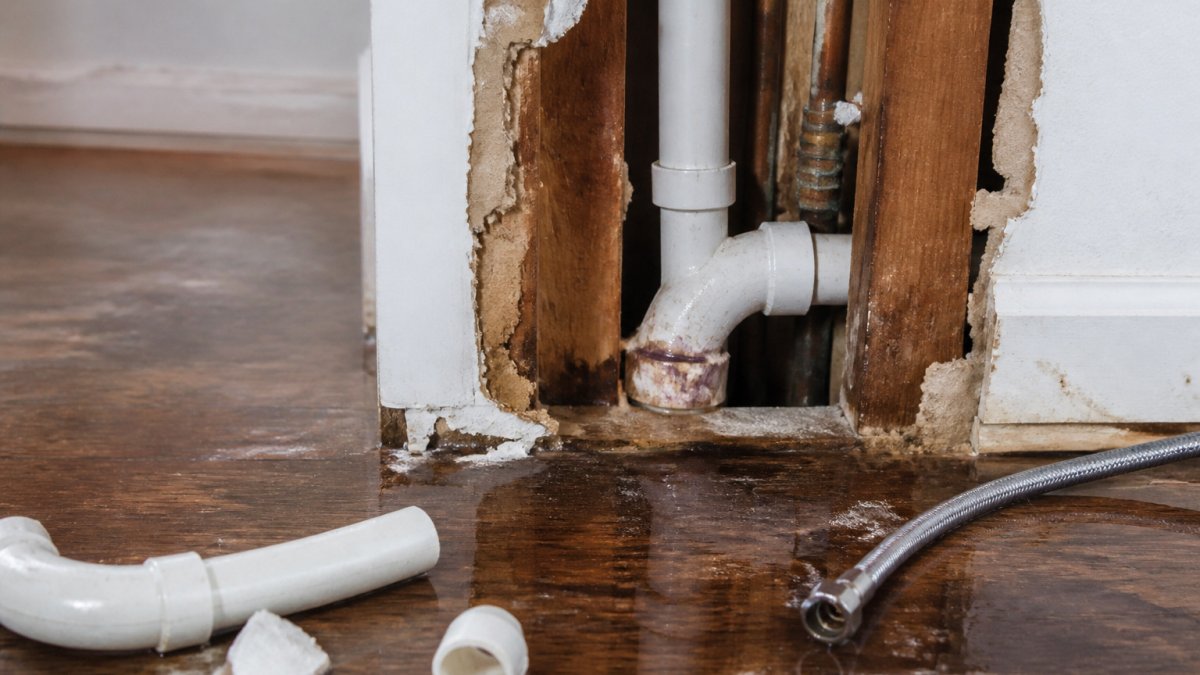
Leaks at joints are a common installation defect. A poorly sealed threaded connection, an improperly soldered copper joint, or a fitting tightened too far can all start dripping within months or years.
Watch for water stains on ceilings or cabinet floors, damp spots near a joint, or a sudden rise in your water bill. Catching a joint leak early limits water damage, which often reaches drywall and subflooring fast.
Incorrect slope and venting in drain lines
Drain lines need a steady downward slope so waste moves toward the sewer. They also need venting to release air pressure and prevent gurgling or slow drains.
These problems often appear soon after a remodel or new construction. Because they stem from how the line was laid out, they usually count as installation defects. Ask your plumber to confirm slope and vent placement when work is done.
Plumbing Workmanship Warranty Coverage Explained
A plumbing workmanship warranty covers the quality of the labor performed during installation or repair. It protects you if the installer's work fails within the warranty term. Labor and the work itself are the focus, not the parts. If you are wondering whether your labor charges are included, see whether plumbing labor is covered by warranty. That distinction is the single most useful thing to understand before you call anyone about a leak.
What a workmanship warranty actually promises
A workmanship warranty is a promise about technique. It says the installer will stand behind how joints were soldered, how pipe was sloped, how fittings were tightened, how supports were spaced, and how fixtures were set.
Workmanship warranty terms vary by contractor. Check your contract for the length of coverage and when the clock starts, since the term may begin at completion rather than when a problem is first noticed.
Defect-by-defect: what workmanship coverage typically reaches
The following installation defects are the ones most commonly treated as covered workmanship items, because each one traces to a decision made during installation rather than to the age of the part:
- Loose or improperly sealed joints. A threaded connection that was not sealed correctly, a copper joint that was not fully soldered, or a fitting tightened past its seat. The leak is a technique failure, so it usually falls under workmanship.
- Incorrect pipe slope. Drain lines need a steady fall toward the sewer. A line laid flat or back-pitched will clog repeatedly. Because the slope was set at installation, repeated stoppages from bad slope are usually a workmanship claim, not a maintenance item.
- Missing or improper venting. A drain without a proper vent gurgles, drains slowly, and can let sewer gas into the home. Vent placement is an installation decision, so a venting defect is typically covered.
Labor, materials, and the split that decides your claim
Workmanship warranties generally address the labor to correct the defect, and the terms of each warranty determine what else is covered. The split matters when a part fails. If a supply line bursts because the fitting was cross-threaded, the workmanship warranty should cover the repair labor.
A common pattern is for the workmanship warranty to cover correction of the installation and for the product warranty to cover replacement of the part.
How coverage terms vary
Read the terms before you assume coverage. Warranty terms can differ in how they handle payout limits, service fees, covered systems, and consequential damage such as ruined drywall, so read the specific terms of your policy.
Confirm the consequential-damage language in any warranty before you file, since a policy that covers the repair but excludes water damage can still leave you with drywall and flooring costs.
Where this fits against other warranties
A workmanship warranty is not the same as a manufacturer warranty or a home warranty plan. The manufacturer warranty covers defects in the part itself. A home warranty plan is a service contract with its own terms, service fees, and exclusions. The same leak can touch all three, and the difference decides who pays. To see exactly what documentation to gather for a leak claim requires, review the checklist for your situation.
Installation Defects Versus Wear, Maintenance, and Product Failure
Not every plumbing failure is an installation defect. Insurers and warranty providers draw clear lines between categories, and knowing them helps you avoid a denied claim.
- Installation defects: Errors in how the system was built, such as bad joints, wrong slope, or poor connections.
- Normal wear and tear: Age-related decline, like worn washers or corroded pipes over decades.
- Maintenance issues: Problems from skipped care, such as sediment buildup in a water heater.
A sump pump that stops working after five years of normal use is typically product failure or wear, not an installation defect. A sump pump that fails because it was wired incorrectly during installation may qualify under workmanship coverage.
Common Plumbing Warranty Exclusions to Know
Warranties almost always exclude certain problems. Check these exclusions before filing:
- Normal wear and tear and pre-existing conditions
- Damage from misuse, freezing, or harsh water conditions such as heavy corrosion
- Clogged drains and drain stoppages, which are usually maintenance items
Clogged drains deserve special attention. Many warranties exclude drain stoppages unless the clog results from a defect in the line itself.
How Long Plumbing Warranties Last and Who Covers What
Warranty length depends on the type of coverage. Workmanship warranties from plumbing contractors vary in length.
Responsibility also depends on who installed the work. If the original builder or contractor did the installation, their workmanship warranty applies.
Coverage periods can end before problems appear, so inspect new installations early. Ask your installer for written warranty terms at the end of each job.
Plumbing Warranty Claim Process, Step by Step
Filing a claim goes faster when you prepare, and a workmanship claim is won or lost on documentation. The steps below are written for an installation-defect claim, where the provider will want to see the defect, the installation date, and the cause before anyone authorizes a repair.
- Stop the damage first. Shut off the water at the fixture shutoff or the main valve if the leak is at a supply line. For a drain leak, stop using the fixture. Limiting water damage protects the claim as much as the house, because many warranties exclude or cap consequential damage.
- Document before you clean up. Take dated photos and video of the leak, the stain, the failed joint, and the surrounding area. For guidance on how to document plumbing repair issues properly, follow the recommended approach. Photograph the pipe or fitting in place before anyone disassembles it. A photo of a joint after it has been cut out proves much less.
- Preserve the failed part. Ask the plumber to save the failed fitting, valve, or section of pipe. A provider that can inspect the actual part is far more likely to approve a workmanship claim than one relying on a description.
- Gather the paper trail. Find the original invoice, the warranty certificate or contract, the installation date, and any prior service records. Note who did the work and whether that party was licensed.
- Confirm the term. Check the installation date against the warranty period. If the defect appeared near the end of the term, document the date you first noticed it, not just the date you filed.
- Notify the installer in writing. Call, but also send a written notice by email or text that describes the defect, includes photos, and states the installation date. Written notice creates a record if the dispute escalates.
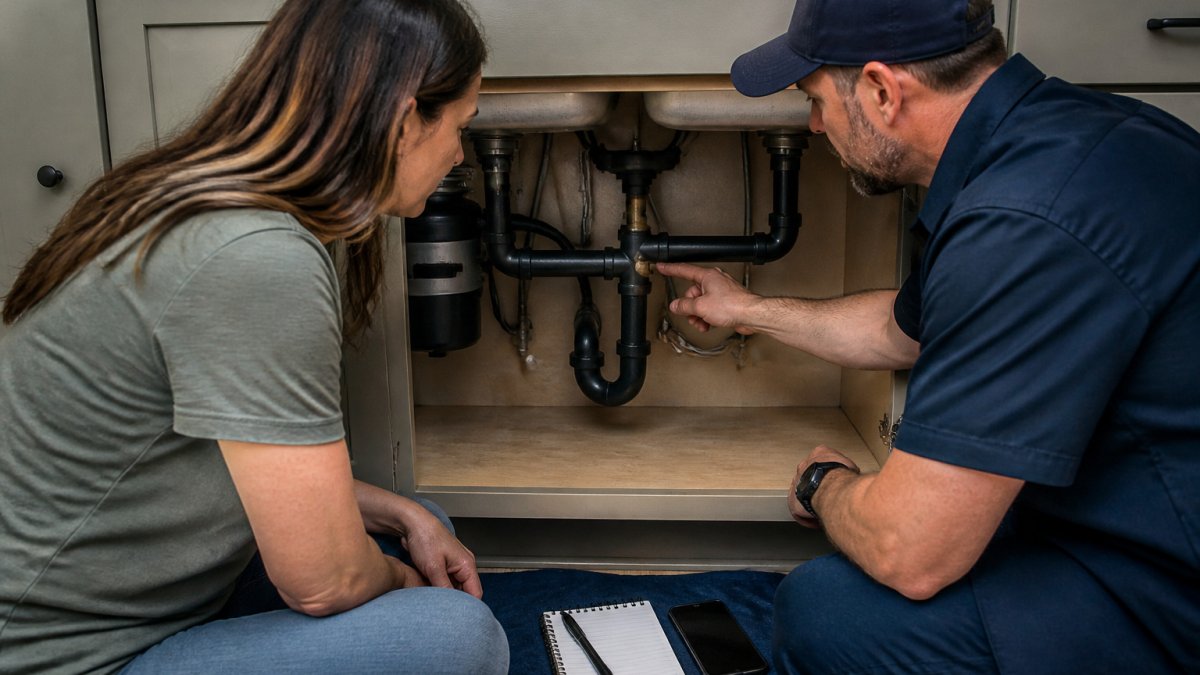
- Request an inspection and a written cause finding. Ask the provider or a licensed plumber to confirm the cause in writing. A finding that the failure traces to installation technique is the document that carries the claim.
- Track the claim. Ask for a claim number and a written decision. Keep every message, photo, and receipt together in one folder.
What evidence carries the most weight
A common pattern in workmanship disputes is that the cause finding decides the outcome. Photos of the defect in place, the preserved failed part, the installation invoice with a date, and a written statement from a licensed plumber identifying an installation cause are the four items that most often move a claim forward.
Watch out: if you authorize a repair before the provider inspects, you may lose the ability to prove the cause, and some warranties require prior approval before work begins.
If the claim is denied
Request the reason in writing and compare it against the exclusions in your warranty. If the denial cites wear and tear but the defect is a loose joint installed months ago, ask for a re-inspection and point to the installation date and the cause finding. Keep the denied decision in your records either way, because a pattern of denials is useful if you later pursue the installer directly.
Emergency repairs and mitigation
If a leak is active and the provider cannot respond quickly, shut off the water, contain the damage, and document the emergency repair with receipts and photos. Most warranties allow reasonable mitigation, but keep the failed part and the receipts, and tell the provider what you did and why as soon as possible.
The steps below summarise the claim process, with the timing and documentation each step requires.
| Step | What to do | Time or frequency |
|---|---|---|
| Stop the damage | Shut off water at the fixture or main valve | Immediately |
| Document before cleanup | Take dated photos and video of the leak and stain | Before any cleanup |
| Preserve failed part | Ask the plumber to save the failed fitting or pipe | Before disassembly is finished |
| Gather paper trail | Collect invoice, warranty certificate, installation date | Before filing |
| Confirm the term | Check installation date against the warranty period | Before filing |
| Notify installer in writing | Send email or text with defect description and photos | As soon as the defect is found |
| Request cause finding | Ask for a written cause finding from a licensed plumber | Before any repair is authorized |
| Track the claim | Keep claim number, decision, and receipts in one folder | Throughout the claim |
Booking Your Inspection With Colby Plumbing Company LLC
If you suspect an installation defect, a professional inspection is the fastest way to find the cause and confirm whether a warranty applies. Colby Plumbing Company LLC is a family-owned business serving the Denver metro area. Contact us to schedule your inspection and get clear answers about your options.
Frequently Asked Questions
What plumbing issues are covered by a home warranty?
Home warranties typically cover breakdowns of major interior plumbing components such as water supply lines, drain lines, water heaters, and sump pumps, provided the failure is not caused by normal wear, misuse, or a pre-existing condition. Coverage differs by provider and plan, so read the contract for specific inclusions, service fees, and coverage limits. Installation defects are a separate matter: they are generally addressed under the builder's or plumbing contractor's workmanship warranty rather than the home warranty. Keep your installation paperwork and invoices so you can show which warranty applies when you file.
Are leaks caused by faulty plumbing installation covered by a warranty?
In most cases, yes. A leak caused by a poorly made pipe joint, an improperly sealed fitting, or incorrect installation is typically a workmanship defect covered by the installer's warranty for a set period. Leaks caused by corrosion, freezing, abuse, or a failed part are more likely to fall under the manufacturer's warranty or be excluded. Document the leak with photos and dated notes, and report it promptly, since late reporting can jeopardize coverage.
How long do plumbing installation warranties typically last?
Workmanship warranties commonly run from one to two years, though some contractors offer longer terms and some manufacturers provide multi-year coverage on parts. The exact length depends on the contract and the type of work. Check whether the clock starts at installation or at project completion, and note the expiration date when you receive your invoice so you can act before coverage ends.