 how-to
Does Homeowners Insurance Cover Plumbing Repairs?
Table of Contents
- Does Homeowners Insurance Cover Plumbing Repairs?
- Does Homeowners Insurance Cover Water Damage from Plumbing?
- Homeowners Insurance Burst Pipe Coverage: What You Need to Know
- Will Insurance Pay to Repipe a House?
- The Plumbing Leak Insurance Claim Process
- Coverage for Secondary Damage: Mold, Drying, and Access Work
- Special Situations: Condos, Rentals, and Shared Plumbing Systems
- Conclusion
- Frequently Asked Questions
Last Updated: October 6, 2026
Does Homeowners Insurance Cover Plumbing Repairs?
Your homeowners insurance may cover water damage from a sudden plumbing problem, but typically won't cover the plumbing repair itself.
The difference comes down to how the damage happened: a burst pipe that floods your basement in January might be covered, while a slow leak unnoticed for months probably won't be.
Does Homeowners Insurance Cover Water Damage from Plumbing?
Homeowners insurance may cover water damage from plumbing, but only when it results from a sudden, accidental event, not gradual wear or poor maintenance.
Sudden and Accidental vs. Gradual Leaks
Insurers use the line between sudden damage and gradual leaks to decide what they'll pay for.
Sudden and accidental water damage happens without warning: a pipe bursts, a water heater fails, an appliance overflows.
Gradual leaks are not covered. A drip behind a wall that goes unnoticed for months is a maintenance issue you should have caught and fixed.
The key word is "sudden." If you didn't see it coming and couldn't have reasonably prevented it, you're likely covered.
What the Policy Actually Covers
Most policies cover the water damage caused by plumbing problems, but not the plumbing repair itself.
If a burst pipe floods your kitchen, the policy may cover:
- Water damage to walls, flooring, and cabinets
- Damaged personal property (appliances, furniture, electronics)
- Drying and dehumidifying services
What it won't cover:
- The burst pipe repair or replacement
- The cost to access the damaged pipe
- Tear-out work needed to reach the plumbing
You pay for the plumbing repair; insurance pays for the water damage. Many homeowners miss this distinction until they file a claim.
Homeowners Insurance Burst Pipe Coverage: What You Need to Know
Burst pipes are among the most common plumbing emergencies, especially in winter, and typically qualify as sudden, accidental damage.
When a pipe ruptures, coverage usually kicks in for damage to your home's structure and contents, but not the pipe itself.
Frozen Pipes and Winter Damage
Frozen pipes are a special case: water inside exposed pipes freezes and expands, cracking or bursting the pipe. This is usually covered because it's sudden and accidental.
However, some policies exclude damage from lack of maintenance. If your pipes froze because you failed to insulate them or keep the house heated, the insurer may deny the claim.
To protect yourself:
- Insulate pipes in unheated areas (attic, basement, crawl spaces)
- Keep cabinet doors open to allow warm air to reach pipes
- Let faucets drip during extreme cold
In cold climates, ask your agent whether your policy covers frozen pipe damage, some insurers require evidence of prevention efforts.
Corrosion, Wear and Tear, and Poor Maintenance
Corrosion is not covered. If copper pipes corroded over 20 years and finally failed, insurance won't pay for the water damage, it resulted from wear and tear, which is explicitly excluded.
The same applies to deterioration: an old cast iron drain pipe that rusted through is a maintenance issue, not a covered loss.
Poor maintenance is the insurer's favorite reason to deny a claim.
Will Insurance Pay to Repipe a House?
No. Insurance won't pay to repipe a house, even if the old pipes are failing.
Repiping is a maintenance and upgrade expense and your responsibility as the homeowner, even if your entire plumbing system is corroded or deteriorating.
However, if a burst pipe causes water damage, insurance covers the damage to walls, flooring, or personal property, you still pay for the pipe repair.
Some homeowners use a water-damage claim to help fund a repiping project.
The Plumbing Leak Insurance Claim Process
Filing a plumbing leak claim requires documentation, quick action, and clear communication with your insurer.
Step-by-Step Claim Checklist
The first 24 hours are critical. Take these steps immediately after discovering the leak:
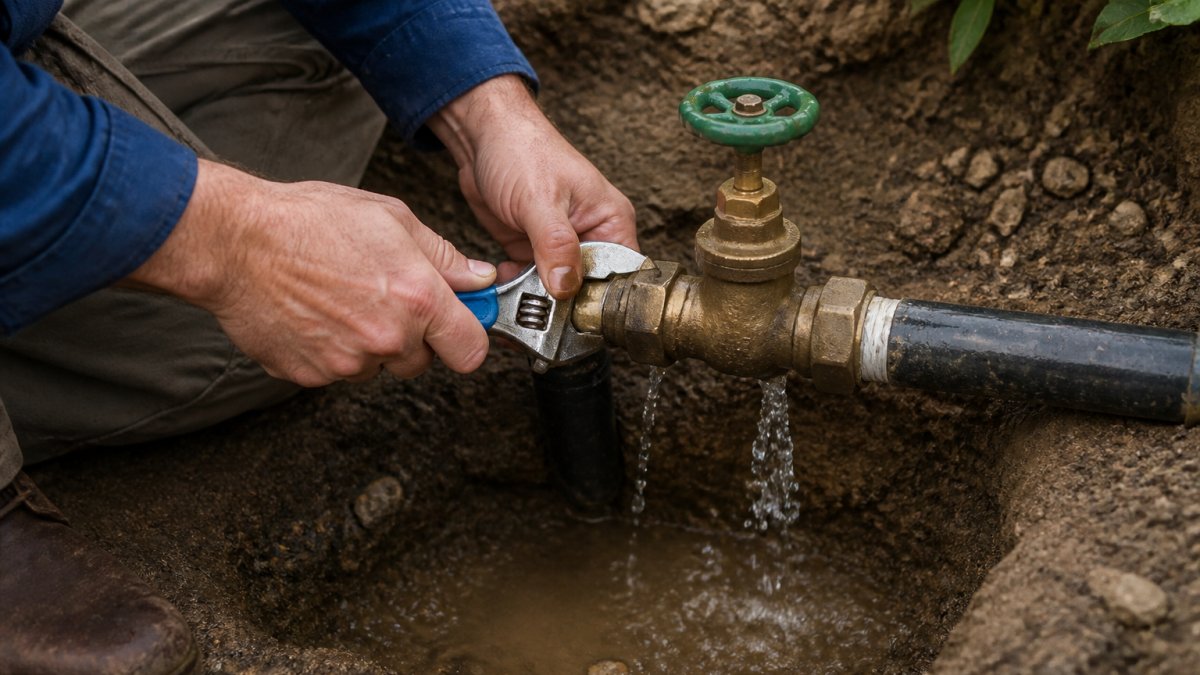
- Stop the water. Shut off the main water valve (usually near the water meter or where the supply line enters the home). If the leak is from a fixture, use the local shutoff under the sink or behind the toilet. Open a low faucet to drain remaining pressure.
- Kill the power to wet areas. If water is near outlets, appliances, or a breaker panel, shut off the affected circuits at the panel before walking through standing water.
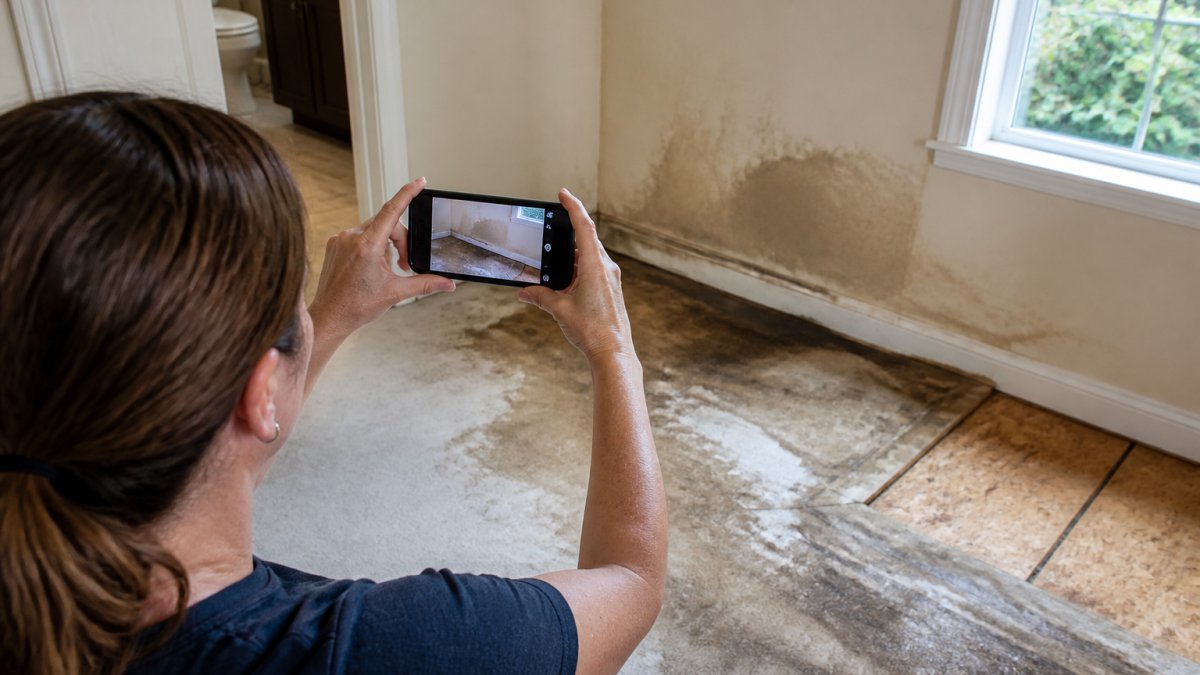
- Document everything before you clean. Take wide shots of the room, then close-ups of the source, the water line on walls, and each damaged item. Shoot video walking through the space narrating what you see.
Speed matters: the longer you wait to report, the harder it is to prove what happened, and the more likely mold and other secondary damage will be blamed on your delay.
Deductibles, Limits, and When to File
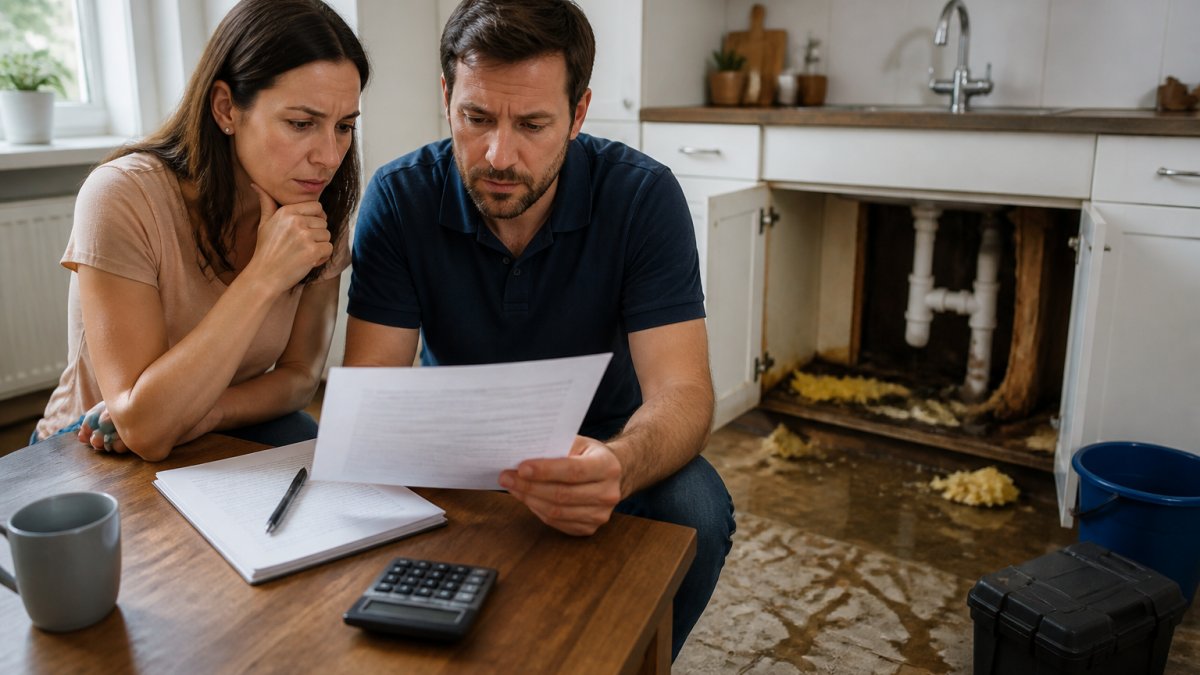
Before you file, run the numbers. A claim that pays out little or nothing can still raise your premium and follow you for years.
The basic math. Your insurer pays covered damage minus your deductible, up to your policy limit.
A practical decision framework:
- Estimate the covered portion. Not the whole repair bill. The plumbing fix itself is usually out of pocket. Only the resulting water damage counts.
- Subtract your deductible. If the result is close to zero, filing rarely makes sense.
- Check your policy limit for water damage. Many policies cap certain categories, and some cap mold remediation separately (commonly in the $5,000 to $10,000 range). If your damage exceeds the cap, you pay the difference regardless.
- Weigh the premium impact. A single water-damage claim can affect your rate for several years. Ask your agent, in writing, how a claim of this size would affect your renewal.
- Consider the pattern. A first small claim may be forgiven. A second claim within a few years is much more likely to trigger a non-renewal.
A common rule of thumb: if covered damage is less than roughly two to three times your deductible, paying out of pocket often costs less over time than filing.
What the Adjuster Will Look For
Adjusters are trained to separate a covered sudden event from a maintenance problem. Expect them to check:
- The condition of the failed pipe or fitting (corrosion, pitting, and joint failure point to wear and tear)
- The water line on drywall and studs (a single high line suggests one event; multiple tide marks suggest repeated leaks)
- Whether the area was heated and maintained
Bring service records showing regular inspections. They don't guarantee approval, but they shift the conversation from "you neglected this" to "this failed suddenly despite care."
Coverage for Secondary Damage: Mold, Drying, and Access Work
Water damage rarely stops at the wet spot. Mold grows within 24 to 48 hours, drying takes equipment and time, and reaching the failed pipe may mean opening walls or pulling up flooring, each with its own coverage rule (the CDC).
Access and Tear-Out Work: The Rule Most Homeowners Miss
The confusion comes from a single question: is the tear-out needed to repair the pipe, or to repair the water damage?
- Tear-out to reach and repair the plumbing is generally treated as part of the plumbing repair, which is excluded. You pay to open the wall and to close it back up.
- Tear-out required to dry, treat, or replace water-damaged building materials is generally part of the covered water-damage loss. If the drywall is saturated and has to come out to prevent mold, that removal and replacement is typically covered.
In practice, the same wall opening often serves both purposes, so the order of operations matters. Ask your adjuster to confirm in writing which tear-out portions are covered before you authorize work.
Mold: Covered Only as a Consequence, and Often Capped
Most policies treat mold as a secondary consequence of a covered peril. If a burst supply line soaks a wall and mold appears before drying is complete, it's generally part of the covered loss. Mold from long-term humidity, a slow drip, or a damp basement is not.
Two provisions to check in your own policy:
- The mold sublimit. Many policies cap mold remediation separately from the rest of the dwelling coverage, commonly in the $5,000 to $10,000 range. Damage above the cap is yours.
- The mitigation duty. Policies typically require you to take reasonable steps to prevent further damage after a loss. If you wait days to call a mitigation company and mold blooms, the insurer may argue the mold resulted from your delay rather than the covered event.
Drying and Mitigation: Usually Covered, but Time-Sensitive
Professional water extraction, air movers, dehumidifiers, and moisture mapping are typically covered after a covered event. Costs can reach several thousand dollars for a multi-room loss, which is why insurers push for fast mitigation.
What tends to get denied:
- Drying performed weeks after the leak was discovered
- Drying of areas that were already wet from a long-term leak
- Equipment left running well past documented dry standard readings
Ask the mitigation company for daily moisture readings and a dry log, your evidence the work was necessary and tied to the covered event.
How to Document Secondary Damage
- Photograph the moisture meter readings on the day of discovery and each day after
- Keep the mitigation company's daily logs and equipment inventory
- Photograph mold before anyone disturbs it, and note the date it first appeared
Secondary damage is where plumbing claims are won or lost. Fast mitigation, written scopes, and daily documentation do more to protect your payout than any argument made after the fact. ::: Maintaining this level of rigor ensures that your records remain bulletproof, though you should carefully weigh the long-term impact of filing insurance claims against the potential for rising premiums when the repair costs are relatively minor.
Special Situations: Condos, Rentals, and Shared Plumbing Systems
Condo owners, renters, and those with shared plumbing face unique coverage questions.
In a condo, the master policy covers common areas and shared plumbing, while your unit policy covers personal property and interior finishes.
As a renter, your renters insurance covers your personal property but not the building or the landlord's property.
In all these situations, know your policy, understand what the master policy covers, and ask your agent about gray areas before a problem occurs.
Conclusion
Does homeowners insurance cover plumbing repairs? Not directly, but it often covers the water damage plumbing problems cause. Sudden, accidental damage qualifies; gradual wear doesn't.
When a plumbing emergency strikes, act fast: document the damage, call your insurer, and file promptly.
If you're facing a plumbing emergency, burst pipes, water heater failure, or severe leaks, don't wait. Contact Colby Plumbing Company LLC today.
Frequently Asked Questions
Does homeowners insurance cover a burst pipe?
Yes, homeowners insurance typically covers water damage from a burst pipe if it happens suddenly and without warning. However, the policy covers the resulting water damage to your home and belongings, not the cost to repair or replace the burst pipe itself. If the burst pipe was caused by poor maintenance, age, or gradual corrosion, your claim may be denied. Filing quickly and documenting the damage with photos and a detailed claim report improves approval chances.
What's the difference between sudden and accidental water damage versus gradual leaks?
Homeowners insurance covers sudden and accidental water damage, such as a burst pipe or appliance overflow that occurs without warning. Gradual leaks, like a slowly dripping pipe, seeping roof, or water damage that develops over weeks or months, are typically excluded because they result from poor maintenance or wear and tear. Insurance companies view sudden events as covered perils, while gradual deterioration is your responsibility to prevent through regular upkeep.
Will my insurance pay to repipe a house?
No. Homeowners insurance does not cover the cost to repair or replace the plumbing system itself, even if a pipe burst and caused water damage. Insurance pays to repair the water damage to walls, floors, and personal property, but the plumbing repair is your responsibility. If your home has aging or corroded pipes, you'll need to budget for repiping costs separately. Some policies may cover access work (cutting into walls to reach damaged pipes), but not the pipe replacement.
What should I do immediately after discovering a plumbing leak?
First, stop the water source if possible (turn off the main water valve or the appliance). Prevent further damage by removing wet items and opening windows to dry the area. Take photos and videos of all damage before cleanup. Contact your insurance company and file a claim within the timeframe specified in your policy, usually within 30 to 60 days. Keep all repair receipts and documentation. Contact a licensed plumber to assess the leak source, as your insurer may require a professional assessment.
Homeowners insurance covers water damage from sudden plumbing failures, but not the plumbing repair itself. Understanding this distinction, and knowing how to file a claim, protects your wallet and your home. When you need a plumber you can trust, Colby Plumbing Company LLC delivers licensed, professional service with a 100% satisfaction guarantee. We're available for emergencies, remodels, and routine maintenance. Call us today.