 how-to
Emergency Pipe Repair Cost: What to Expect
Table of Contents
- What Emergency Pipe Repair Actually Costs
- Emergency Plumber Cost Breakdown
- Burst Pipe Repair Cost and Factors
- After-Hours Plumber Rates and Service Fees
- Pipe Repair vs. Replacement Cost
- How to Get an Accurate Emergency Repair Estimate
- What to Do When a Pipe Bursts
- Conclusion
- Frequently Asked Questions
Last Updated: October 10, 2026
What Emergency Pipe Repair Actually Costs
When a pipe bursts at midnight on a Saturday, you're thinking about water damage and how fast you can stop it. But understanding the emergency pipe repair cost matters too.
The exact price depends on what broke, where it broke, and how fast you need it fixed.
The biggest mistake homeowners make is not understanding the cost breakdown before the plumber arrives. This guide covers it.
Emergency Plumber Cost Breakdown
Service call fee. Many plumbers charge a service call fee to diagnose the problem. Many waive it if you authorize the repair.
Labor cost. Labor is billed hourly or as a flat rate. Emergency rates are often higher for nights, weekends, and holidays.
Materials. Pipes, fittings, and sealants range from $50-$500+ depending on repair scope.
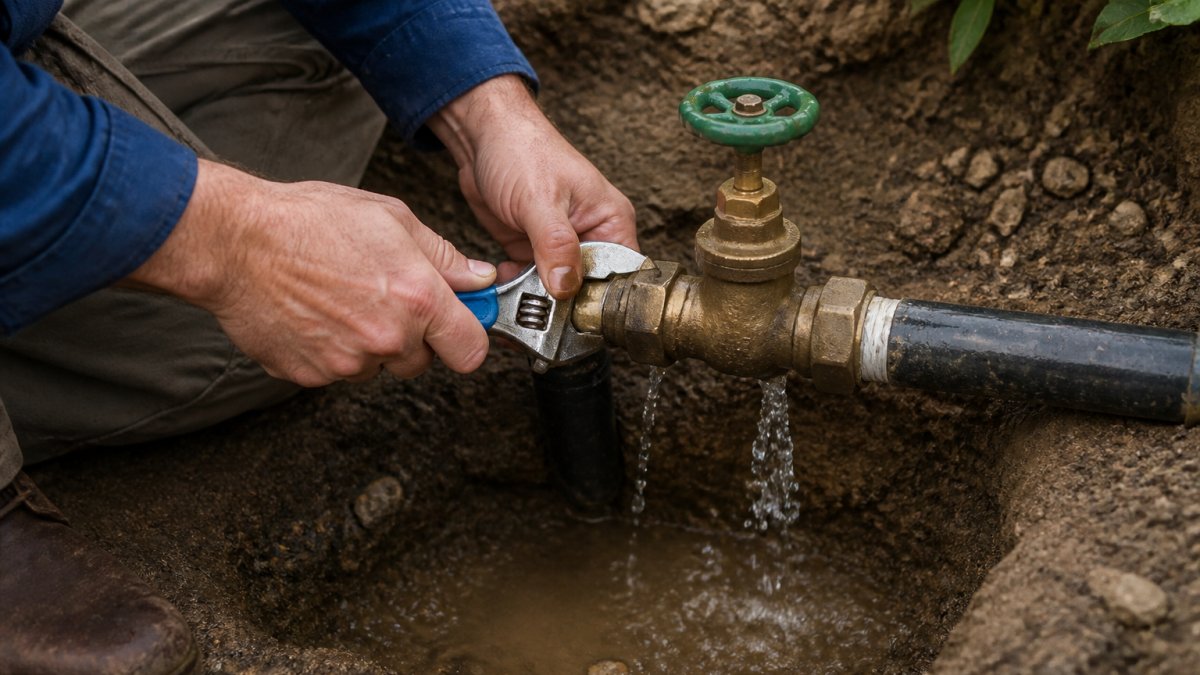
Accessibility. Buried, underground, or wall-hidden pipes require excavation or trenchwork, adding $200-$800 to the cost.
| Cost Component | Typical Range | Notes |
|---|---|---|
| Service call fee | $75-$150 | Often waived if repair proceeds |
| Labor (per hour) | $100-$200+ | Higher for nights/weekends |
| Materials | $50-$500+ | Depends on pipe type and repair scope |
| Emergency surcharge | 25-50% | Added to standard rates after hours |
Burst Pipe Repair Cost and Factors
Pipe material. Copper costs more than PVC; galvanized steel falls between them.
Pipe location is the biggest cost driver. Exposed basement pipes are straightforward; foundation or crawlspace bursts require excavation or trenchless methods.
Repair vs. replacement. Small cracks can be patched; bursts usually require section replacement.
Secondary costs. Mold remediation, drywall repair, and flooring replacement often exceed the pipe repair cost. Speed limits these expenses.
After-Hours Plumber Rates and Service Fees
Standard business hours are Monday-Friday, 8 a.m.-5 p.m. Calls outside these hours carry an emergency surcharge.
Evening and weekend rates. Most add a surcharge to standard rates.
Holiday rates. Major holidays carry the highest surcharges; some companies charge flat emergency rates instead of hourly billing.
Minimum service calls. Many charge a minimum even for quick fixes.
Pipe Repair vs. Replacement Cost
Repair is faster and cheaper upfront for small leaks or minor damage.
Replacement costs more but lasts longer and avoids repeat calls. For burst pipes or extensive corrosion, it's the smarter choice.
The tipping point.
Age matters. Old galvanized pipes corrode internally; one burst often signals others are coming. Full-section or full-line replacement prevents future emergencies.
How to Get an Accurate Emergency Repair Estimate
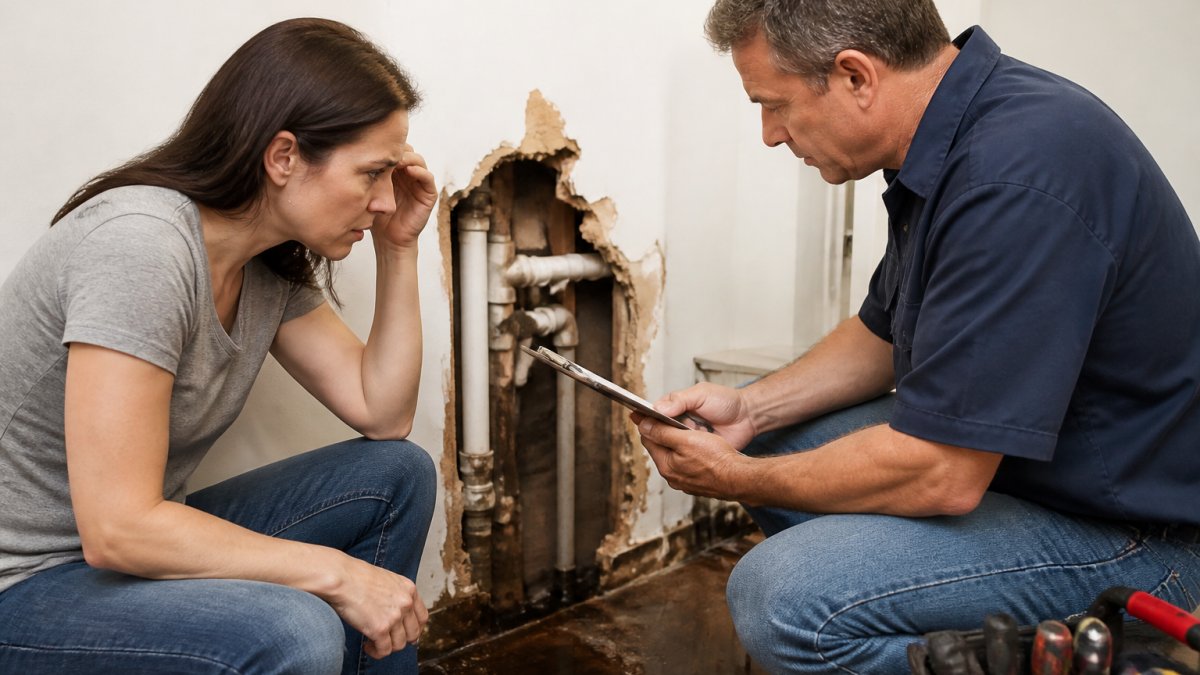
You need an itemized estimate before work starts. Here's how to get one you can evaluate.
Request an itemized written estimate. A professional plumber breaks down the bill into separate line items:
- Dispatch/diagnostic fee: (often waived if repair is authorized).
- Labor: (estimated hours for burst pipes or simple leaks).
- Materials: Itemized by component.
- Emergency/after-hours surcharge: Markup on labor for calls after 5 p.m., weekends, or holidays.
- Access work: Excavation or wall opening for buried or hidden pipes.
- Disposal: Removal of old pipe and debris.
- Restoration: Drywall patching, backfilling, or site cleanup (often quoted separately).
Example itemized estimate for a burst copper pipe in a basement:
| Line Item | Amount | Notes |
|---|---|---|
| Dispatch/diagnostic fee | $100 | Waived if repair proceeds |
| Labor (3 hours at $140/hr, evening rate) | $420 | Includes diagnosis and repair |
| Copper pipe (15 feet at $35/ft) | $525 | Material cost |
| Fittings and solder | $45 | Couplings, flux, sealant |
| Pressure test | $50 | Verify repair holds |
| Debris removal | $75 | Old pipe disposal |
| Total | $1,215 |
The itemized version tells you exactly what you're paying for.
Compare line by line, not just totals. A higher quote might include warranty or pressure testing; a lower quote might exclude materials or access work.
Ask these questions before authorizing work:
- Is the dispatch fee waived if I approve the repair?
- What is your hourly rate and estimated hours?
- Are materials marked up, and by how much?
- Does the estimate include pressure testing?
- What happens if the repair takes longer than estimated?
- Is there a warranty, and for how long?
- Does the estimate include cleanup and debris removal?
- Will you need to open walls or excavate? Who handles restoration?
Clarify scope and exclusions. The estimate should state what is and isn't included. Water damage restoration is often handled separately and billed to insurance.
Red flags: Vague language ("TBD," "additional charges may apply"), unusually low or high rates, no warranty mention, or refusal to provide a written estimate.
What to Do When a Pipe Bursts
A burst pipe releases 250 gallons per day. In 8 hours, 80+ gallons can pool in your home. The plumber's bill is often the smallest expense; water damage and mold remediation can cost tens of thousands. Here's what to do immediately.
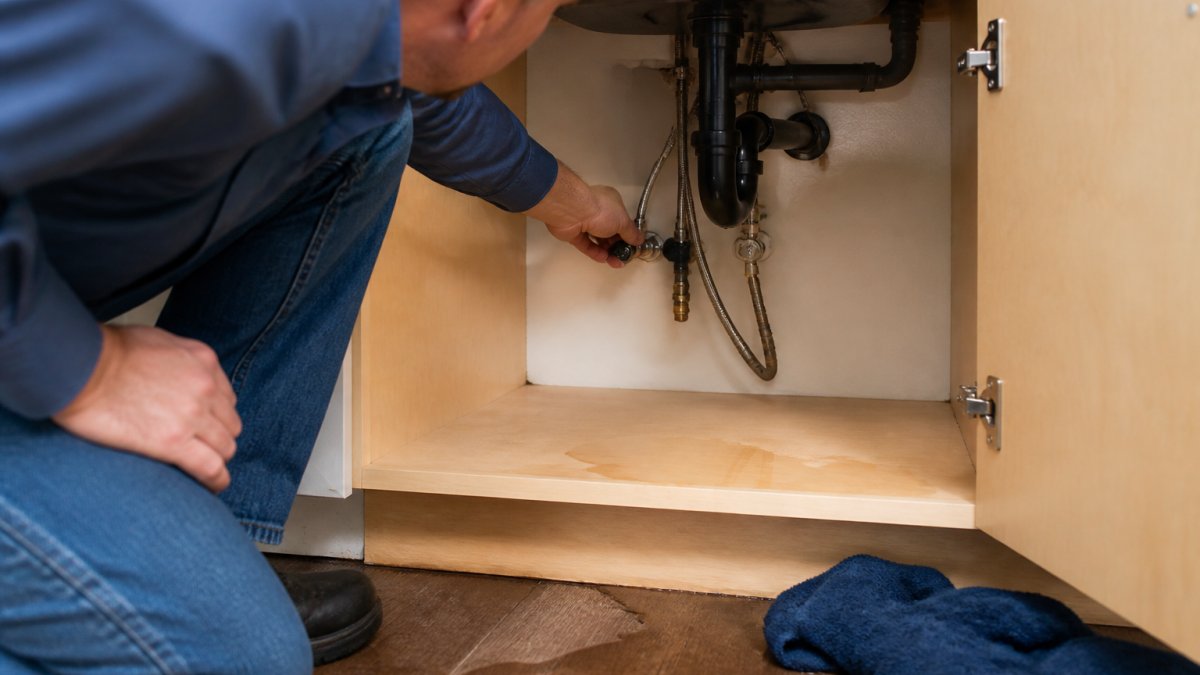
Step 1: Turn off the main water valve (first 30 seconds).
This stops water from entering your home and limits the burst to water already in the pipes.
The main shutoff is typically in the basement near the water heater, in a crawlspace, outside near the water meter, or in a mechanical closet. Find it now, before an emergency.
Turn a ball valve lever perpendicular to the pipe, or turn a gate valve knob clockwise until it stops.
Step 2: Open a low-point faucet to drain the pipes (next 1-2 minutes).
Open a faucet at the lowest point (basement sink or outdoor hose bib) to release pressure and drain remaining water. Leave it open until water stops flowing.
Step 3: Call a plumber immediately (within 5 minutes).
Don't delay. Have a list of emergency plumbers saved in your phone before you need them. Call during business hours or use their after-hours emergency line. When you call, tell them:
- Where the burst is (basement, kitchen, under the house, etc.).
- What you're seeing (water pooling, pressure loss, discoloration, sound).
- Whether you've already shut off the main valve.
- Your address and best contact number.
The faster they arrive, the less water damage spreads.
Step 4: If the burst is on the hot-water side, shut off the water heater (within 5 minutes).
If the burst is in a hot-water line (you'll see hot water or steam), turn off the water heater. A water heater running without water can be damaged or overheat. Most water heaters have a shutoff valve on the cold-water inlet line. Turn it clockwise until it stops. If you have a gas water heater, also turn off the gas valve.
If the burst is on the cold-water side, you don't need to do this.
Step 5: Document the damage with photos and video (within 15 minutes).
Take clear photos and video of the burst pipe, the water damage, and any wet areas. Capture the location, the extent of water, and any visible damage to walls, floors, or belongings. Your homeowner's insurance will need this documentation to process a claim.
Include photos of:
- The burst itself (close-up and wide view).
- Water pooling or running across floors.
- Wet walls, ceilings, or insulation.
- Damaged drywall, flooring, or furniture.
- The date and time stamp (most phones include this automatically).
Do not move or discard damaged items until your insurance adjuster has seen them.
Step 6: Begin water removal and ventilation (while waiting for the plumber).
Once the main valve is off and the plumber is on the way, start limiting secondary damage:
- Remove standing water. Use a wet/dry vacuum, mop, or towels to remove pooled water. The longer water sits, the faster mold grows. Mold can begin growing within 24-48 hours of water exposure (the CDC).
- Open windows and doors. Ventilation dries out wet areas and reduces mold risk. Turn on ceiling fans if they're not in the wet zone.
- Move wet items. Remove wet furniture, rugs, and boxes from the affected area. Wet materials are harder to salvage the longer they stay wet.
- Do not use the plumbing. With the main valve off, you can't use sinks, toilets, or showers. Wait until the plumber has assessed and repaired the burst.
Step 7: Know when to call a water-damage restoration company (within 1-2 hours).
The plumber fixes the pipe. A water-damage restoration company handles the aftermath: extracting water, drying walls and floors, treating for mold, and restoring damaged materials.
If the burst has caused significant water damage (more than a few gallons, or water in walls or under flooring), call a restoration company while the plumber is working. Many insurance policies cover restoration costs separately from the plumbing repair. Restoration companies often have emergency response teams available 24/7.
Timeline summary:
| Time | Action | Why It Matters |
|---|---|---|
| 0-1 min | Shut off main water valve | Stops water from entering the home |
| 1-2 min | Open low-point faucet | Drains remaining water in pipes |
| 2-5 min | Call emergency plumber | Faster response = less damage |
| 5-15 min | Document damage with photos | Insurance needs evidence for claims |
| 15-60 min | Remove standing water, ventilate | Prevents mold growth |
| 1-2 hours | Call water-damage restoration if needed | Handles secondary damage while plumber works |
The plumber will arrive, assess the burst, and provide a repair estimate. Once you approve, they'll fix the pipe and test it under pressure to ensure the repair holds. From that point, the focus shifts to drying and restoration, work that often takes days or weeks depending on the extent of water damage.
Conclusion
Emergency pipe repair costs money, but the cost of doing nothing is far higher. Water damage, mold, and structural problems escalate fast. Getting a professional out quickly saves thousands in secondary damage.
When you need emergency plumbing service in the Denver area, Colby Plumbing Company LLC responds fast with licensed professionals who diagnose the problem accurately and fix it right. We provide transparent estimates, stand behind our work with a 100% satisfaction guarantee, and charge fair rates even during after-hours emergencies. Call us today when a pipe fails, we'll be there to stop the damage before it spreads.
Frequently Asked Questions
How much does emergency pipe repair typically cost?
Emergency pipe repair costs depend on the severity, location, and time of service. After-hours service calls carry additional fees. For an accurate estimate specific to your situation, contact a licensed plumber who can assess the damage and provide a detailed quote.
What affects the cost of an emergency plumber visit?
Several factors influence the final bill: the location and accessibility of the pipe, whether the repair requires excavation or wall removal, the time of day and day of week you need service, the severity of the damage, material costs, and whether repair or replacement is necessary. Hidden leaks behind walls or underground pipes typically cost more due to diagnostic and access work required.
Is it cheaper to repair or replace a damaged pipe?
Repair is usually less expensive upfront, but replacement may be more cost-effective long-term if the pipe is old, corroded, or failing repeatedly. A professional assessment determines which option makes sense. Get estimates for both options before deciding.
Do plumbers charge more for nights, weekends, or holidays?
Yes, emergency service calls outside normal business hours typically include after-hours fees on top of the base service charge and repair costs. Weekend and holiday rates are higher than weekday rates. Some plumbers offer flat emergency fees while others charge hourly with a minimum. Ask about these fees when you call so you understand the full cost structure.