 how-to
How to Dispute a Plumbing Repair in 7 Steps
Table of Contents
- Step 1: Document the Problem and Gather Evidence
- Step 2: Review Your Plumbing Repair Estimate vs. Final Bill
- Step 3: Identify Faulty Plumbing Repair Work
- Step 4: Communicate With Your Plumber or Contractor
- Step 5: File a Complaint Against a Plumber
- Step 6: Dispute a Plumber's Bill in Writing
- Step 7: Escalate to Regulatory or Legal Action
- Protecting Yourself Before a Dispute Occurs
- Frequently Asked Questions
Last Updated: October 9, 2026
Step 1: Document the Problem and Gather Evidence
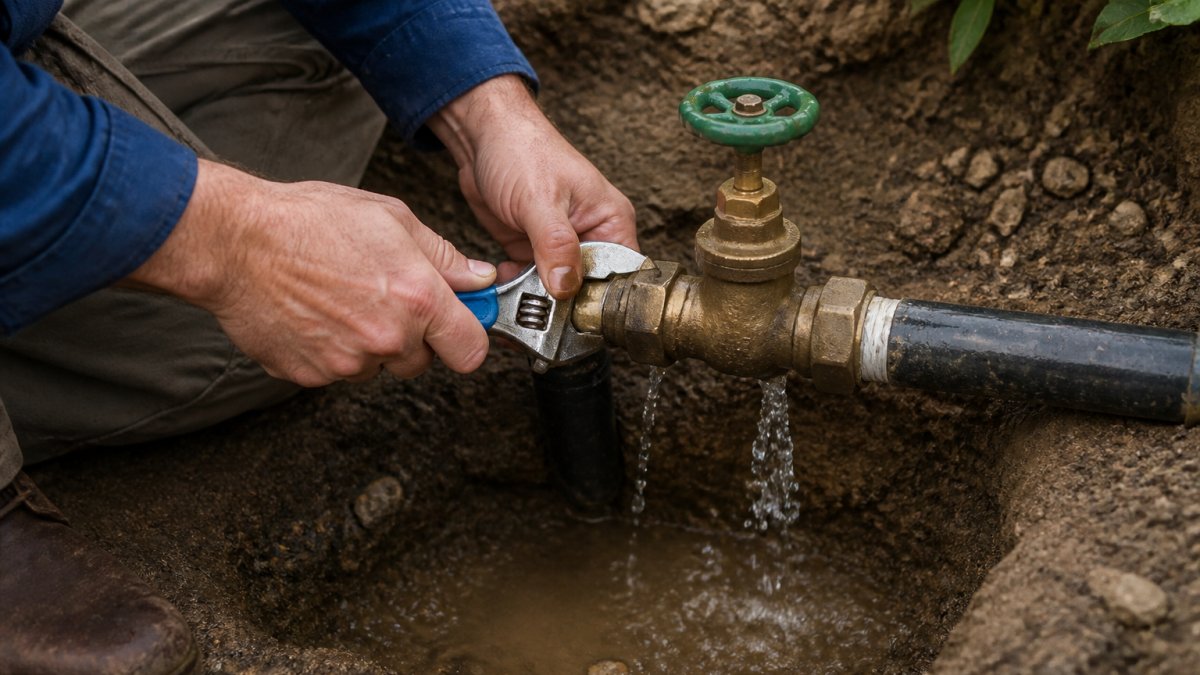
When you spot faulty plumbing repair work, learning how to dispute a plumbing repair starts with documenting everything: photos and videos of the problem, what you see, when you noticed it, and how it affects your home or business.
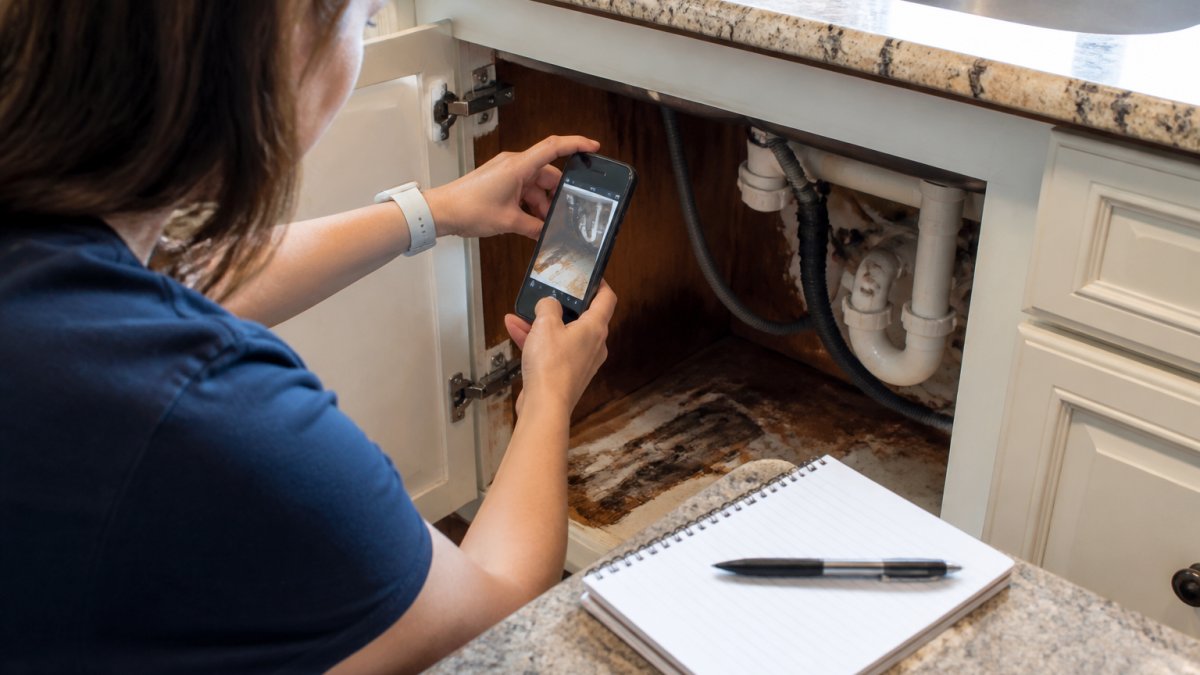
Create a timeline: the date the plumber finished, when the problem appeared. Capture leaks actively dripping, or uneven pipes, loose fittings, and visible defects.
Keep all receipts, invoices, and written communication, and store photos in a labeled, dated folder. This evidence is your foundation for any dispute.
What to document:
- Photos and videos of the defect or damage
- The date work was completed
- When you first noticed the problem
- How the issue affects your property
- All written communication with the plumber
- Original estimates and final invoices
Step 2: Review Your Plumbing Repair Estimate vs. Final Bill
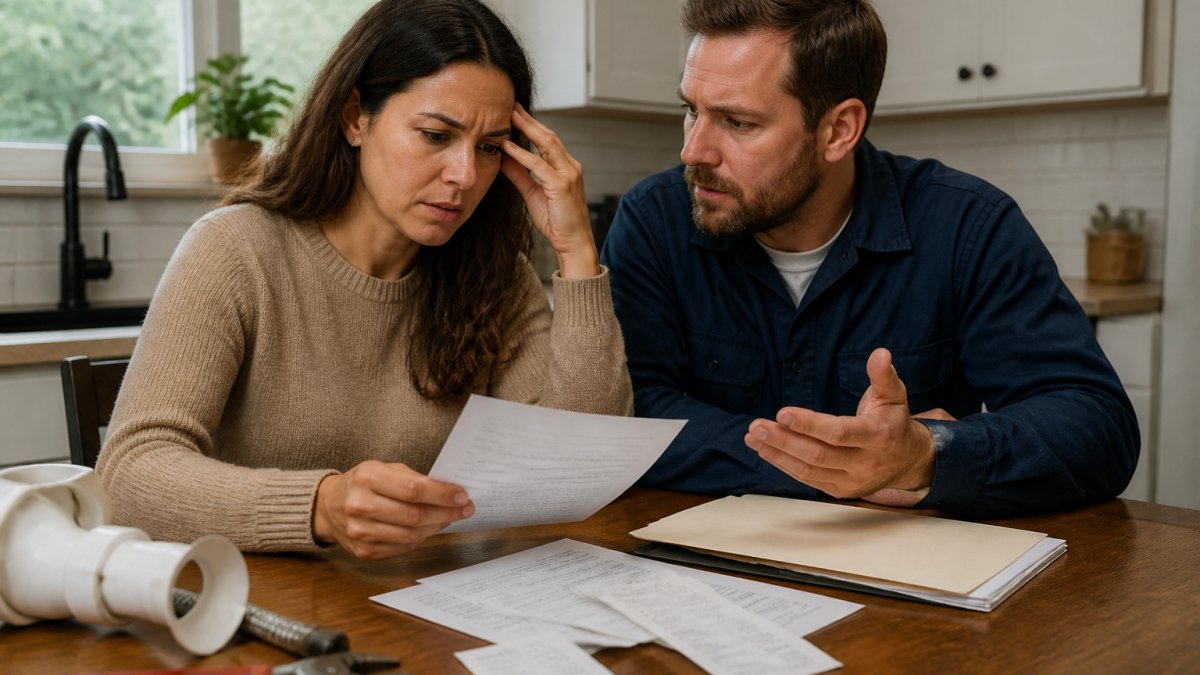
Compare the written estimate against the final invoice, looking for work that wasn't listed in the estimate but appears on the bill.
Many disputes start here: a plumber quotes one price, then charges significantly more without explanation. Check whether the estimate mentioned potential additional costs or the bill includes surprise line items.
Ask yourself these questions:
- Does the final bill match the original estimate?
- Are there charges for work not mentioned upfront?
- Did the plumber explain any price increases before billing you?
- Are materials and labor clearly itemized?
Without a written estimate, you can still question inflated charges. Request an itemized breakdown; a legitimate plumber can explain each charge.
Step 3: Identify Faulty Plumbing Repair Work
Not every failed repair is the plumber's fault, but some defects clearly signal poor workmanship or negligence.
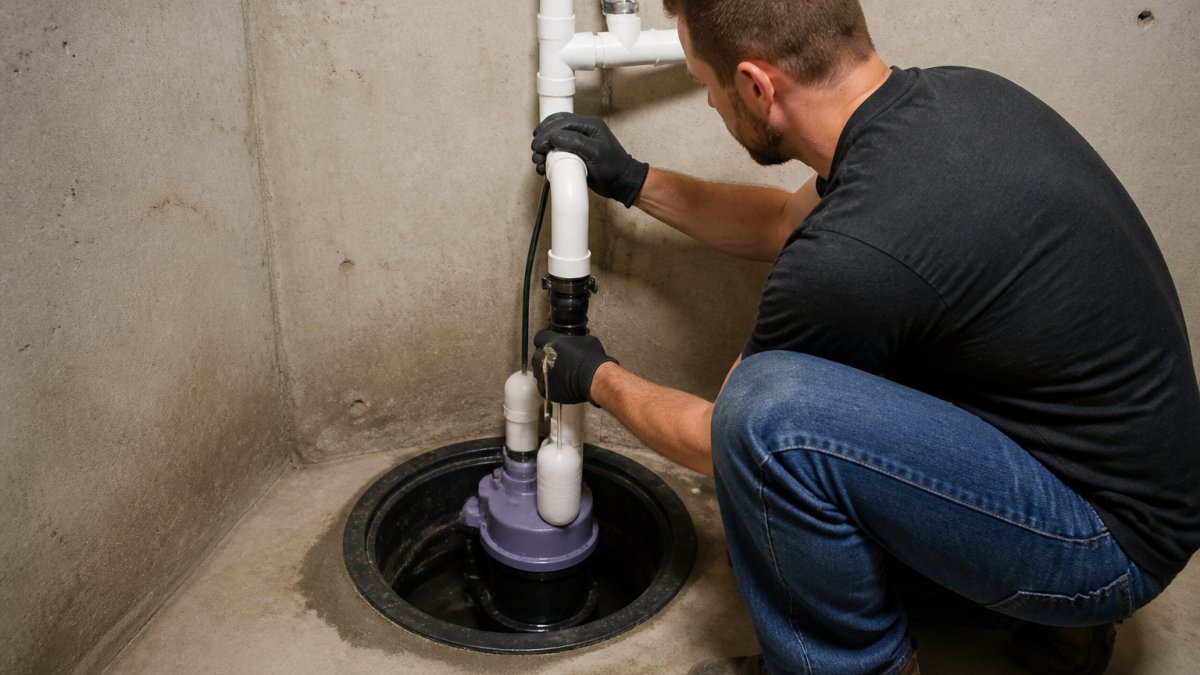
Common signs of faulty plumbing repair work include leaks returning within days or weeks, loose fittings, pipes at wrong angles, water damage from improper sealing, and code violations.
If the same problem reoccurs shortly after repair, that's a red flag, a proper repair should hold. If you're unsure the work is defective, get a second opinion from another licensed plumber; the upfront cost protects you later.
Questions to ask a second opinion plumber:
- Is this repair done to code?
- Would this work pass inspection?
- Is the failure due to poor installation or normal wear?
- What should the correct repair look like?
Document their findings in writing. This becomes evidence if you need to escalate the dispute.
Step 4: Communicate With Your Plumber or Contractor
Contact the plumber directly before filing complaints or taking legal action, as understanding how to dispute a plumbing repair often begins with clear communication. Many disputes resolve at this stage if you communicate clearly.
Call or email, be specific, and don't accuse, describe what's wrong and what you expected: "The pipe you installed on Tuesday is leaking. I'd like you to come back and repair it at no additional cost."
Give the plumber a reasonable chance to fix the work. Check your contract or invoice for labor warranty terms; if none are stated, a common industry standard is 30 days for most repairs.
Keep records of all communication: save emails, note call dates and times, and write down what was said and agreed.
What to include in your message:
- Specific description of the problem
- Date the work was completed
- Date you discovered the issue
- Photos or evidence of the defect
- What you're asking for (repair, refund, or credit)
- A reasonable deadline for response
If the plumber agrees to fix it, get that in writing. If they refuse or don't respond within a week, move to the next step.
Step 5: File a Complaint Against a Plumber
If direct communication fails, file a formal complaint with your state's licensing board, which investigates unprofessional conduct, code violations, and unfair business practices. Most states require plumbers to be licensed.
Find the right agency by searching "[your state] plumbing board" or "[your state] contractor licensing board." Names and procedures vary, but the process is similar across jurisdictions.
Include your documentation, photos, emails, invoices, and the second opinion, and explain clearly what happened and what resolution you want.
A complaint doesn't automatically get your money back, but it creates an official record. If the plumber has multiple complaints, the board may act, pressure that sometimes motivates a settlement.
The complaint process is free and needs no lawyer. Processing times vary by state, from weeks to months.
Step 6: Dispute a Plumber's Bill in Writing
If the problem is mainly about charges rather than quality, dispute the bill in writing. Send a formal letter and keep a copy.
Explain which charges you dispute and why, reference your original estimate, point out unauthorized work, and dispute specific line items on an itemized bill.
Sample dispute letter structure:
- State the invoice number and date
- List the disputed charges with amounts
- Explain why each charge is unfair (not authorized, work not completed, inflated pricing)
- Reference your original estimate if available
- State what resolution you're seeking (credit, refund, corrected invoice)
- Give a deadline for response (typically 14-30 days)
- Send via certified mail or email with read receipt
Many plumbers negotiate at this point, offering a partial refund or credit. Document any agreement in writing.
If the plumber won't budge, you can withhold payment (with legal risk), dispute the charge with your card company, or pursue small claims court.
Step 7: Escalate to Regulatory or Legal Action
When direct communication, a written dispute, and a licensing-board complaint fail, escalate. The right path depends on how much money is at stake, how you paid, and whether the plumber recorded a lien. Rules vary by state and county, so confirm the specifics before filing.
Small claims court. The most common route for disputes under a few thousand dollars, with state caps from $5,000 to $10,000 or higher. You file yourself, no lawyer required, and fees are typically under $100. Present photos, invoices, the estimate, your dispute letter, and any second-opinion report to a judge, who decides whether the plumber owes you money. Expect a hearing within weeks to a few months. Confirm your state's cap and the statute of limitations for written contracts, often several years, but not unlimited.
Credit card chargebacks. If you paid by card, this is often the fastest remedy. Under the Fair Credit Billing Act, you generally have 60 days from the statement date to notify your issuer in writing; many accept later disputes as a courtesy, but the legal protection is tied to that clock.
Mechanics liens and payment risk. In many states, an unpaid plumber or contractor can record a mechanics lien against your property, clouding your title and complicating a sale or refinance.
Arbitration. Some plumbing contracts include a binding arbitration clause, requiring you to arbitrate rather than sue. It's usually faster and less formal than court, but the decision is typically final with very limited appeal rights. Read the clause before filing in small claims, the wrong forum can get your case dismissed or stayed.
Demand letter from an attorney. A letter on law-firm letterhead sometimes resolves a dispute without litigation by signaling you're prepared to pursue the claim. It isn't free, but for mid-sized disputes it can be cheaper than court, and many plumbers settle rather than risk litigation and licensing-board attention.
What you can realistically recover. Courts generally award the cost to correct defective work, sometimes plus consequential damages for property damage. Punitive damages are rare and require conduct beyond ordinary negligence. Attorney's fees usually aren't recoverable unless a statute or contract provides for them, so weigh escalation costs against the amount in dispute.
Before escalating, gather your file: written estimate, final invoice, itemized breakdown, photos, all messages, the licensing-board complaint number, and any second-opinion report. A clean, chronological file wins in small claims and persuades card issuers.
Protecting Yourself Before a Dispute Occurs
The best dispute is the one you never file. Most plumbing disputes trace back to something vague, verbal, or undocumented before work started. These protections hold up when a repair fails, a bill balloons, or a plumber stops returning calls.
Get a written, itemized estimate, not a verbal quote. A verbal quote is nearly impossible to enforce. Ask for a written estimate listing specific repairs, materials and part numbers where possible, labor, timeline, and how change orders are handled.
Confirm licensing and insurance before work begins. Most states require plumbers to be licensed, and boards publish lookup tools. Verify the license is active and in the plumber's or company's name.
Understand the warranty in writing. Labor warranties commonly range from 30 days to one year, with longer manufacturer warranties on parts.
Check whether the job requires a permit, and whether one was pulled. Repairs involving water heaters, gas lines, sewer lines, or structural plumbing changes usually require a permit and inspection by the local building department, creating an independent record the work was approved.
Get a second opinion before you pay in full. For any significant repair, an independent licensed plumber can assess whether the work was done to code and the diagnosis was correct.
Structure payments to preserve leverage. A deposit for large jobs is normal; full payment before completion is not. Hold final payment until you've inspected the work, confirmed it functions, and received any required inspection sign-off.
Inspect before the plumber leaves. Run water through repaired lines, check under sinks and around fixtures for leaks, test pressure and drainage, and have the plumber walk you through the work. Raise anything wrong before final payment, not the next day.
Keep a single project file. Save the written estimate, signed contract, change orders, invoices, warranty terms, permit number, inspection results, photos, and all messages in one folder.
A plumber who resists written estimates, avoids permits, or will not state warranty terms in writing is telling you something. Those are the jobs most likely to end in a dispute.
Frequently Asked Questions
What evidence should I collect for a plumbing dispute?
Photograph all visible damage, defects, or incomplete work from multiple angles. Keep the original written estimate, the final invoice, and all text messages or emails with the plumber. If water damage occurred, take photos showing the extent. Document the date work was completed, what was promised versus what was delivered, and any communications about corrections. This documentation is essential when you dispute a plumber's bill or file a complaint.
How long should I give a plumber to fix faulty plumbing repair work?
Most jurisdictions require plumbers to be given a reasonable opportunity to correct defective work at no cost. This typically means 7 to 14 days from when you first notify them of the problem. Provide written notice (email or certified letter) specifying the defect and requesting a timeframe for repairs. If they fail to respond or refuse to fix faulty plumbing repair work, you have grounds to pursue a formal complaint or dispute.
What should I do if I think a plumber scammed me?
First, compare your plumbing repair estimate vs. final bill line by line. Request an itemized invoice if you don't have one. Contact the plumber in writing to explain your concerns and request a correction or refund. If they don't respond within 7 days, file a complaint with your state's licensing board or attorney general's office. You can also pursue small claims court for amounts under your state's limit (typically $5,000-$10,000). Document everything in writing.
Should I withhold payment if I'm disputing plumbing work?
Do not withhold full payment without written documentation of the dispute. Instead, pay for work you accept and clearly document in writing what you are disputing and why. Some jurisdictions allow you to withhold a percentage pending correction, but laws vary by state. Consult your state's consumer protection agency or a local attorney before withholding payment. Paying under protest while disputing protects you legally and shows good faith if the matter escalates.