 how-to
10 Questions to Ask Before Hiring a Plumber
Table of Contents
- 1. Are You Licensed and Insured?
- 2. Can You Provide a Written Estimate?
- 3. What Experience Do You Have With This Type of Work?
- 4. Do You Offer a Warranty or Guarantee?
- 5. Can You Provide References From Recent Customers?
- 6. How Do You Handle Emergency Situations and Pricing?
- 7. What Are Your Terms and What Should I Expect?
- Red Flags and Final Considerations
- Frequently Asked Questions
Last Updated: October 3, 2026
1. Are You Licensed and Insured?
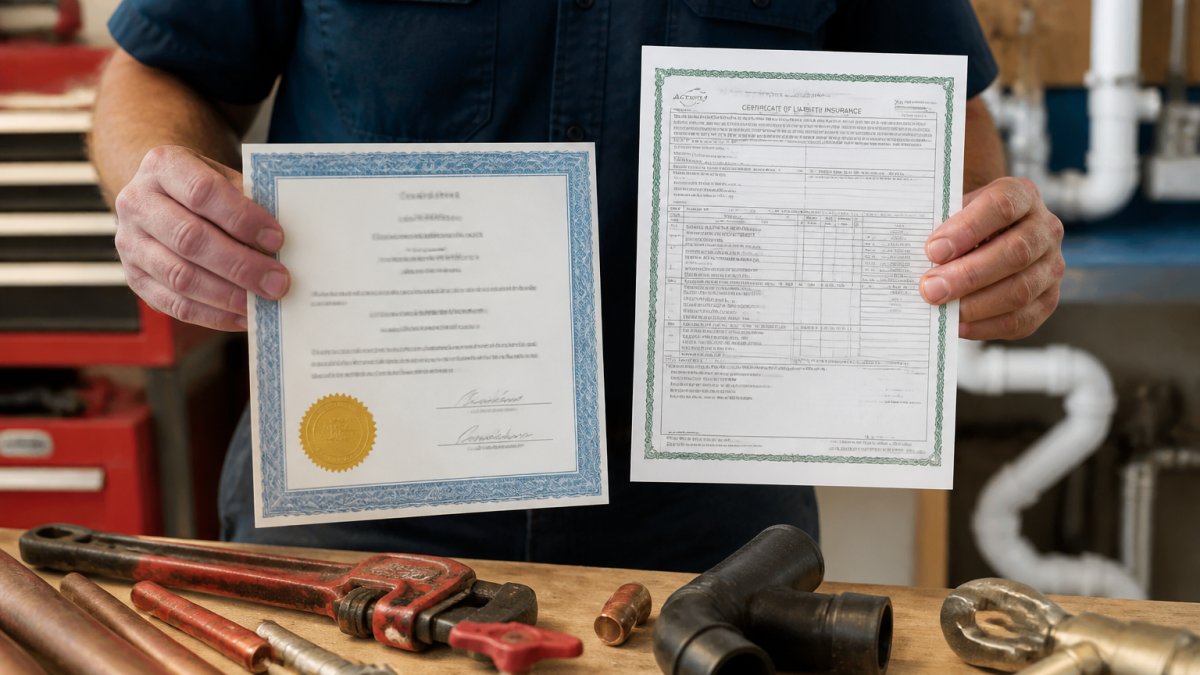
This is one of the most important questions to ask before hiring a plumber, and it's non-negotiable. Licensed contractors have met training requirements and passed state exams. Insurance protects you if something goes wrong during the job.
Ask for proof of both. Request to see their license directly, don't just take their word for it. You can verify a plumbing license through your state's licensing board. According to the National Association of State Boards of Examiners for Plumbing and Pipefitting, licensed plumbers meet standardized competency requirements across jurisdictions.
Insurance comes in two forms: liability insurance (covers damage to your property) and workers' compensation (covers injuries to their employees). A legitimate plumber carries both.
Ask these specific questions:
- What is your license number and state?
- Can I verify your license online?
- What type of insurance do you carry?
- What are your coverage limits?
- Can you provide a certificate of insurance? Confirming these credentials remains the most reliable way to verify company legitimacy before any work begins on your home.
2. Can You Provide a Written Estimate?
Never hire a plumber based on a phone quote alone. A written estimate before work begins protects both you and the contractor by setting clear expectations.
A solid written estimate includes labor costs, parts costs, timeline, and a breakdown of materials. This differs from an invoice, which comes after work is complete.
Some plumbers charge a diagnostic fee to assess the problem. Ask upfront if there's a fee and whether it applies toward the final bill if you hire them.
Your estimate should answer these questions:
- What is the total cost?
- How much is labor versus parts?
- What is included in the price?
- What is not included?
- How long will the job take?
- When can they start?
The written estimate is your protection against surprise charges. If the final bill differs significantly from the estimate, you have documentation to reference.
3. What Experience Do You Have With This Type of Work?
Not all plumbers specialize in the same work. Some focus on residential plumbing, others on commercial systems, emergency repairs, or new construction.
Ask directly: "Have you done this exact type of work before?" A plumber with experience on your specific problem is more reliable than one learning on the job.
For remodels, ask about rough-in work experience (initial pipe installation before walls close). For new construction, verify they understand local plumbing codes and permit requirements.
For emergency service, ask about availability nights and weekends, response times, and whether they charge extra for emergency calls.
Questions to ask:
- How many years have you been doing this type of work?
- Can you describe a similar project you completed?
- Are you familiar with my home's plumbing setup?
- Have you worked with my local building codes?
- What's your experience with the specific issue I'm facing?
At Colby Plumbing Company LLC, we've handled everything from emergency burst pipes to full kitchen remodels.
4. Do You Offer a Warranty or Guarantee?
A warranty or guarantee shows confidence in their work and means they'll fix problems at no charge if something fails.
Ask what they guarantee. Some offer a one-year warranty on labor. Others guarantee specific parts for longer periods. The guarantee should be in writing as part of your contract.
Ask these questions:
- What do you guarantee?
- How long is the guarantee valid?
- What does it cover and not cover?
- What do I do if something fails?
- Do you charge for warranty service calls?
At Colby Plumbing Company LLC, we stand behind our work with a 100% satisfaction guarantee because we're confident in our team's skill.
5. Can You Provide References From Recent Customers?
Ask for at least three recent references from jobs similar to yours.
Call or email the references. Ask specific questions:
- Did the plumber show up on time?
- Was the work completed on schedule?
- Did the final bill match the estimate?
- Would you hire them again?
- Any issues after the work was done?
Pay attention to mentions of professionalism, cleanliness, and communication, these details matter as much as technical work.
Check online reviews on Google, Yelp, or the Better Business Bureau. Look for patterns, one bad review might be an outlier, but multiple complaints suggest a real problem.
What to look for in references:
- Consistent praise for punctuality and professionalism
- Mentions of clear communication
- Satisfaction with the final result
- Willingness to recommend to others
A plumber who refuses to provide references or gets defensive about them is worth skipping. Established professionals have no problem sharing their work history.
6. How Do You Handle Emergency Situations and Pricing?
Emergency plumbing calls happen at inconvenient times. Know how a plumber handles these situations before you're in crisis mode.
Ask about emergency availability. Do they take calls nights, weekends, and holidays? What's their typical response time? How far will they travel?
Emergency pricing often differs from regular pricing. Many plumbers charge a higher rate or add a service fee for after-hours calls. Ask for clarity on this.
Questions to ask:
- Are you available for emergencies 24/7?
- What's your typical response time?
- Do you charge extra for emergency calls?
- What's the emergency fee structure?
- Can I reach you directly or through an answering service?
A burst pipe at 2 AM is an emergency; a slow drain you've had for weeks is not. Using emergency service for non-emergency problems costs more.
7. What Are Your Terms and What Should I Expect?
Before signing, understand payment terms, cancellation policies, and what happens if problems arise after completion.
Ask about deposit requirements (50% is standard; 100% upfront is not) and when the balance is due.
Ask about their cancellation policy. If you need to reschedule, is there a fee? What if they cancel on you?
A professional plumber provides a clear contract. Read it carefully and ask questions about any unclear terms.
Red Flags and Final Considerations
Major red flags:
- Refuses to provide a written estimate or pressures you to decide immediately
- Won't show proof of licensing or insurance, or gets defensive when asked
- Quotes a price without seeing the problem in person
- Demands full payment upfront (50% deposit is standard; 100% is not)
- Can't provide references or claims they don't keep records
- Offers to "pay you cash under the table" or suggests you pay cash to avoid taxes (signals unreported income, tax evasion, and no recourse if work fails)
- Seems unfamiliar with local plumbing codes or dismisses permit requirements as unnecessary
- Doesn't mention or plan for permits on jobs that require them
Many plumbing jobs legally require permits from your local building department. Unpermitted work creates serious problems:
Which jobs typically require permits:
- Any new water line installation or replacement
- Drain line work (new installation or replacement)
- Water heater replacement or installation
- Sewer line repair or replacement
- Fixture installation (toilet, sink, shower) in new locations
- Rough-in plumbing for additions or remodels
- Gas line work (always requires permits)
- Backflow prevention device installation
Jobs that usually don't require permits:
- Faucet replacement (same location, same type)
- Toilet replacement (same location)
- Trap or P-trap replacement
- Aerator or washers replacement
- Caulking or sealing existing fixtures
Why permits matter:
-
Inspection ensures code compliance: A building inspector verifies the work meets current plumbing codes. This protects your home's safety and resale value.
-
Insurance and liability: If unpermitted work causes damage (water damage, mold, structural issues), your homeowner's insurance may deny the claim. You're liable for all costs.
-
Home sale complications: When you sell, the buyer's inspector or title company may discover unpermitted work. This can kill the sale, force you to remediate at your expense, or result in a significant price reduction.
-
Code changes: Older unpermitted work may not meet current codes. You may be forced to bring it up to code before selling or refinancing.
How to verify permit requirements:
Contact your local building department or code enforcement office directly. Most have online permit databases or can tell you over the phone which jobs require permits. Ask:
- "Does [specific job description] require a plumbing permit?"
- "What's the typical permit cost and timeline?"
- "Can the contractor pull the permit, or do I need to?"
You can also ask the plumber: "Does this job require a permit?" A knowledgeable plumber will answer correctly. If they say "no" for a job that typically requires one, that's a red flag.
Who handles the permit:
Ask your plumber upfront: "Will you pull the permit and handle inspections, or should I?" Most licensed plumbers include permit costs in their estimate and manage the process. If they refuse or seem unclear, this is a warning sign.
Verify licensing through official channels:
Don't just take a plumber's word that they're licensed. Verify directly:
- Ask for their license number and state
- Visit your state's licensing board website (usually under the Department of Professional Regulation or similar)
- Search the contractor's name or license number in the database
- Check the license status (active, expired, suspended, revoked)
- Note any disciplinary actions or complaints
Most states maintain searchable databases. For example, if you're in a state with a plumbing board, search the National Association of State Boards of Examiners for Plumbing and Pipefitting database or your state's specific licensing board.
Plumber vs. handyman, know the difference:
Plumbers have specialized training, apprenticeships, and state licensing for plumbing systems. Handymen handle general repairs but are not licensed for plumbing work. For anything beyond basic maintenance (faucet aerator replacement, tightening connections), hire a licensed plumber.
Post-repair inspection, verify quality before final payment:
Before paying the final invoice, inspect the work:
- Check all connections for leaks (run water, look under sinks, check basement)
- Verify fixtures operate smoothly (no leaks, proper water pressure)
- Confirm cleanup was completed (no debris, materials removed)
- Ask the plumber to show you the work and explain what was done
- Request copies of any permits, inspections, or warranties in writing
- Take photos of the completed work for your records
If something doesn't look right, ask the plumber to address it before you pay. Once you've paid in full, leverage for warranty work is reduced.
Key questions to ask before hiring a plumber, your final decision checklist:
- Do I need a permit for this work, and will you pull it?
- What's included in your cleanup and site protection?
- How will you protect my home during work (floor coverings, dust barriers)?
- What's your communication style, will you update me during the job?
- Can you provide a final walkthrough before I pay the balance?
- What happens if I discover an issue after you leave?
Frequently Asked Questions
Are you licensed and insured to perform plumbing work?
Yes, verification of licensing and insurance is non-negotiable. Ask to see current credentials and confirm the license is active with your state's licensing board. Bonding protects you if something goes wrong. Request proof of liability insurance that covers both property damage and personal injury. A professional contractor will provide this documentation without hesitation.
What should a plumbing estimate template include?
A detailed written estimate must itemize labor costs, parts and materials, diagnostic fees, project timeline, and payment terms. It should specify what's included and what isn't. A proper plumbing estimate template breaks down hourly rates or flat-rate pricing, warranty coverage, and any permits required. This protects both you and the contractor by setting clear expectations upfront.
What questions to ask about plumbing warranties should I prioritize?
Ask about workmanship warranty length (typically 1-2 years), parts warranty coverage, and what's excluded. Clarify whether the guarantee covers materials, labor, or both. Ask if the contractor will return for free if the issue recurs within the warranty period. A strong guarantee demonstrates confidence in the work and protects your investment.
How can I verify a plumber's credentials and background?
Request references from recent customers and follow up with calls. Check licensing through your state's plumbing board website. Verify bonding status and liability insurance directly with the insurance company. Look for professional certifications and background checks. Ask how long they've been in business and whether they're registered with the Better Business Bureau. A reputable contractor welcomes thorough vetting.