 how-to
Are You Seeing Signs of a Hidden Water Leak?
Last Updated: November 4, 2026
Quick Summary
Signs of a hidden water leak include unexplained spikes in your water bill, water stains on walls or ceilings, musty odors, and a faint hissing sound when every fixture is off. You can confirm a hidden water leak by shutting off all water and checking whether your meter dial moves over 20 to 30 minutes.
- A leaking toilet flapper can waste water around the clock with no sound you would notice.
- Shut the main valve and retest: a moving meter means the leak is between meter and house.
- Freeze-thaw cycles stress pipes in exterior walls, crawlspaces, garages, and hose bibs.
- Expansive clay soil shifts buried service lines and slab plumbing, causing recurring leaks.
- Denver Water may adjust a bill for a documented leak; confirm current requirements directly.
Table of Contents
- Warning Signs of a Hidden Water Leak in Your Denver Property
- Common High Water Bill Causes That Point to a Leak
- How to Use Your Water Meter to Confirm a Hidden Water Leak
- Plumbing Leak Detection Tools: DIY vs. Professional Equipment
- How Denver's Climate and Soil Affect Hidden Pipe Leaks
- Denver Water Leak Adjustment: What to Know Before You Call
- Documenting the Damage for Your Insurance Claim
- Schedule a Professional Leak Inspection with Colby Plumbing
- Frequently Asked Questions
Warning Signs of a Hidden Water Leak in Your Denver Property
A hidden water leak rarely announces itself. It drips behind a wall, seeps under a slab, or creeps along a pipe run where nobody looks. By the time most homeowners notice the signs of a hidden water leak in Denver property, the damage has often been building for weeks or months. Small drips can turn into a soaked ceiling, a warped floor, or a mold problem if they go unnoticed. The good news: leaks almost always leave clues. Below, we walk through the warning signs that matter most, how to confirm a leak with your own water meter, and when to call a professional.
Sudden Spikes in Your Water Bill
Your water bill is the quiet whistleblower. A jump you cannot explain, especially with no change in habits, deserves a hard look. A leaking toilet flapper or a drip behind a wall can push usage up without any visible puddle. Compare this month's bill to the same month last year, not just last month. Seasonal swings are normal; a steady climb is not.
Stains, Odors, and Sounds You Shouldn't Ignore
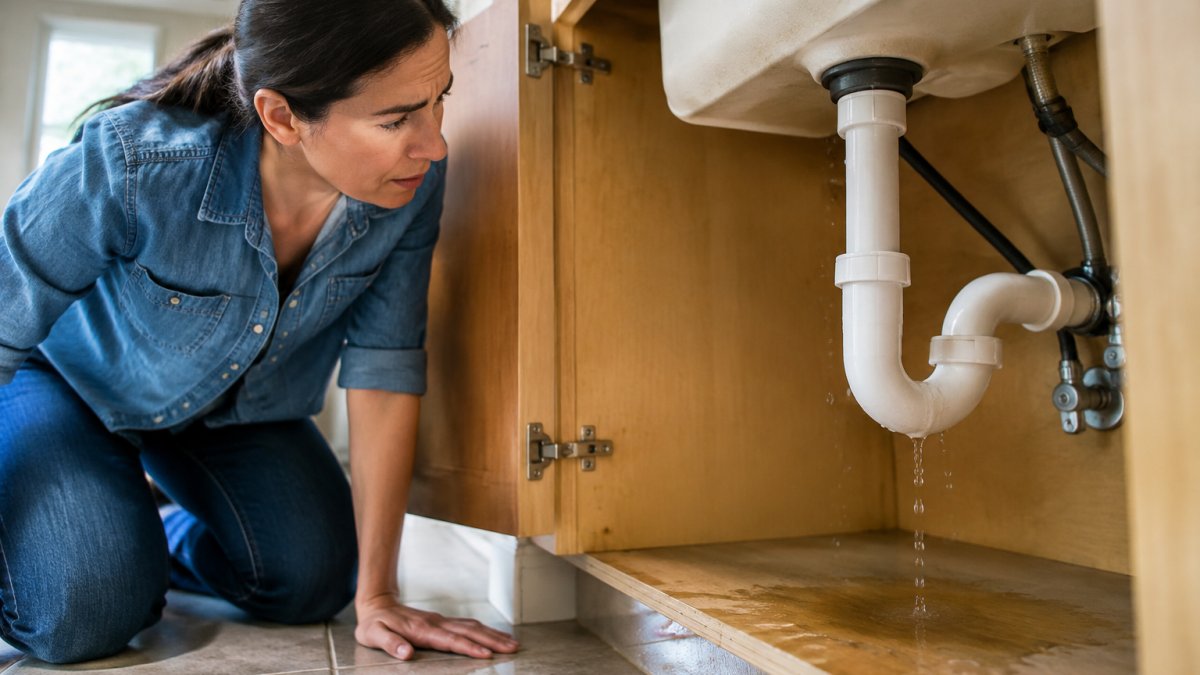
Water stains on walls or ceilings usually mean moisture is traveling along a pipe or joist. Musty or moldy odors point to damp drywall or hidden mold growth. Unexplained sounds of running water, especially a faint hissing sound when every fixture is off, suggest water is moving somewhere it shouldn't. Low water pressure, damp or soft flooring, and peeling paint or wallpaper round out the list. Any one of these is worth investigating. Two or more together is a strong signal. If you spot these warning signs, it helps to understand what happens if a leak goes unrepaired before deciding how fast to act.
Common High Water Bill Causes That Point to a Leak
A high water bill usually traces back to one of a handful of culprits. The most common high water bill causes we see are a running toilet flapper, a dripping outdoor spigot, an irrigation line leak, and a hidden pipe leak inside a wall or under a slab. Toilets are the sneaky one: a flapper that fails to seal can waste water around the clock with no sound you would notice. Outdoor lines and sprinkler systems are next, especially after a freeze. Inside the home, corroded supply lines and worn plumbing fixtures can drip quietly for months. The pattern matters. A bill that climbs steadily suggests a constant leak. A bill that spikes and settles could be a one-time event like a running toilet.
How to Use Your Water Meter to Confirm a Hidden Water Leak
The water meter is the simplest leak test you can run yourself. It takes about 15 minutes and costs nothing.
- Shut off every fixture, appliance, and outdoor spigot in the home.
- Locate your water meter and note the reading on the dial.
- Wait 20 to 30 minutes without using any water.
- Check the reading again. If the dial moved, water is flowing somewhere.
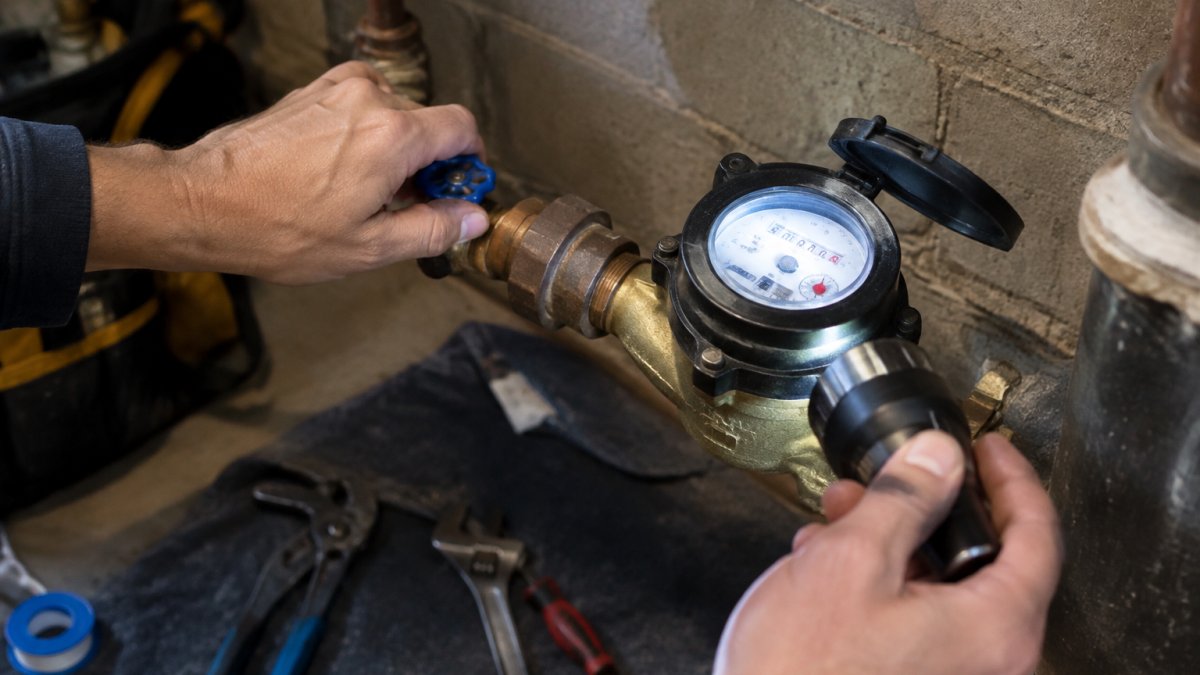
A moving dial with everything off means you have a leak. Next, shut the main shut-off valve to the house and repeat the test. If the meter still moves, the leak is between the meter and the house, often an underground leak in the service line. If it stops, the leak is inside. That single test narrows the search fast.
Plumbing Leak Detection Tools: DIY vs. Professional Equipment
DIY leak detection has real limits. A homeowner can check the meter, watch for stains, and press a dry paper towel along suspect baseboards. Beyond that, the tools get specialized. Professional plumbing leak detection tools include acoustic leak detection, which listens for the sound of escaping water, infrared thermography, which spots temperature differences behind walls, and moisture meters that read dampness in drywall and wood. A static pressure test can confirm a pressurized supply line leak. These tools find a leak without tearing open a wall first. If you want to go deeper on the DIY side, our guide on how to detect hidden water leaks walks through seven methods, and if you are leaning toward monitoring, here is how to choose a water leak sensor for your home.
How Denver's Climate and Soil Affect Hidden Pipe Leaks
Most leak guides treat plumbing as if every house sits in the same climate. Here, the local conditions do more than their share of the damage, and understanding the mechanisms helps you predict where a leak is likely to start.
Freeze-thaw cycles. Water expands when it freezes and contracts as it thaws. In an exposed pipe, that cycle stresses joints, fittings, and the pipe wall itself. A single hard freeze can split a pipe; repeated cycles weaken it until a pinhole opens. The highest-risk locations are pipes in exterior walls, unheated crawlspaces, garages, and hose bibs that were not drained before the first hard freeze. Damage often does not show up until the line thaws and water starts moving, which is why spring is a common season for hidden leaks to surface.
Expansive clay soils. The ground here swells when wet and shrinks when dry, and that movement puts stress on buried service lines and slab plumbing. A line that was fine in a wet spring can shift and crack as the soil dries in summer. Slab leaks and underground service-line leaks are a recurring pattern in older neighborhoods for exactly this reason. If your water meter test shows flow with the house main shut off, the leak is likely in the service line between the meter and the foundation, a classic soil-movement failure point.
Aging pipe materials. Homes built in the mid-twentieth century often still have galvanized steel supply lines, which corrode from the inside and eventually pinhole or fail at threaded joints. Older copper can develop pinhole leaks from water chemistry and turbulence. Knowing your home's pipe material tells you which failure mode to expect.
Seasonal prevention checklist. A little maintenance before each seasonal shift prevents most of these leaks:
- Fall, before the first freeze: disconnect hoses, shut off and drain exterior hose bibs, insulate exposed pipes in crawlspaces and garages, and seal gaps where cold air reaches plumbing.
- Winter: keep cabinet doors open under sinks on exterior walls during hard freezes, and know where your main shut-off valve is.
- Spring: after the thaw, run the water meter test and check for new stains or soft spots, since freeze damage often reveals itself then.
- Summer: watch for signs of soil movement, such as new cracks in the slab or foundation, and check irrigation lines for leaks after the system pressurizes.
Keeping up with a seasonal walk-through is an easy way to reduce the risk of hidden leaks.
Denver Water Leak Adjustment: What to Know Before You Call
A hidden water leak can send a bill through the roof, and Denver Water leak adjustment policies exist for exactly that reason. The utility may adjust a bill when a documented leak caused the spike. Confirm the current requirements directly with Denver Water before you count on an adjustment. Rules and eligibility change, so confirm the current policy directly with Denver Water before you count on an adjustment. Keep your repair receipts and any photos. A licensed plumber's invoice is the kind of documentation that supports a claim.
Documenting the Damage for Your Insurance Claim
Documentation helps make an insurance claim easier to support. Before you clean anything up, photograph the damage: stained drywall, warped flooring, damaged belongings. Keep the plumber's report and repair invoice. Save the water bills that show the spike. Before you document, it helps to know whether your homeowners insurance covers plumbing repairs at all, since policies vary widely on sudden versus gradual damage. Our guide on what documentation you need for a plumbing leak claim lays out the full checklist, and does homeowners insurance cover plumbing repairs answers the coverage question first. Start with coverage, then build your file.
Schedule a Professional Leak Inspection with Colby Plumbing
Some leaks you can confirm yourself. Finding and fixing them is another matter, and that is where a professional inspection pays off. Colby Plumbing Company LLC has served the Denver metro area since 1996 as a family-owned and operated business. Our licensed professionals can help locate the source of a leak, whether it is a slab leak, a hidden pipe leak, or a failed supply line. For current pricing or a quote, contact us directly. If you have spotted the signs of a hidden water leak, do not wait for the ceiling to sag.
Frequently Asked Questions
How long can a hidden water leak go undetected before causing damage?
A slow hidden water leak can run for weeks or months before you notice it. Small drips behind a wall or under a slab often show up first as a rising water bill or a faint musty smell. By the time stains or soft flooring appear, moisture has usually been soaking into framing, drywall, or the foundation for a while. Checking your water meter monthly and watching for damp spots catches most leaks early.
What should I do if I suspect a hidden leak in my property?
Shut off every fixture and appliance that uses water, then check the water meter. If the dial still moves, water is flowing somewhere it shouldn't. Note the reading, photograph any stains or damp areas, and call a licensed plumber for a plumbing system inspection. Avoid tearing into walls yourself, since pros use moisture detection and acoustic leak detection to pinpoint the source without unnecessary damage.
What are the most common high water bill causes besides a leak?
A running toilet flapper, a dripping irrigation zone, and a faulty water pressure regulator can all push usage up without an obvious puddle. Seasonal watering and a stuck fill valve on a water heater are other culprits. If your bill jumps and none of these explain it, the next step is a meter test to rule out a hidden pipe leak before you request a Denver Water leak adjustment.
Can I get a bill adjustment from Denver Water for a leak?
Denver Water leak adjustment policies may apply to documented leaks, but requirements and eligibility change, so confirm the current policy directly with Denver Water. Keep your repair receipts, dates, and photos of the damage. Ask your plumber for documentation that identifies the leak location and cause. Filing soon after the repair, with clear records, gives you the best chance of a favorable outcome.
A small leak today is a foundation problem, a mold issue, or an emergency plumbing call tomorrow. If your water meter moved when everything was off, that is your answer. Get it checked before the damage spreads. Get started with Colby Plumbing Company LLC and schedule a professional leak inspection that finds the source and fixes it right the first time.