 how-to
5 Signs You Need to Call a Plumber for Drain Issues
Last Updated: October 25, 2026
Quick Summary
You should call a plumber drain problems when multiple fixtures back up simultaneously, sewage smells appear, or water pools in your basement or yard, as these indicate a main sewer line clog beyond DIY repair. Call a plumber for drain issues after one failed chemical cleaner application, when a hand snake cannot clear the blockage in 15 minutes, or if you notice signs of water damage to your home's foundation.
- Multiple drains clogging at once indicates a blockage 10 to 50 feet away in your main drainage system, beyond a hand snake's reach.
- Chemical drain cleaners damage older metal pipes through corrosion and can compromise PVC joints, often requiring professional repair after repeated use.
- A main sewer line clog poses serious health risks from sewage backup and can damage your foundation and landscaping if left untreated.
- Video camera inspection is the gold standard diagnostic method professionals use to locate blockages and determine the right removal approach.
- Stop using all drains immediately if the toilet gurgles when other fixtures run, as this signals a vent or main line obstruction.
Table of Contents
- When to Call a Plumber for Drain Issues
- Signs of a Main Sewer Line Clog
- Multiple Drains Clogged at Once
- Chemical Drain Cleaner Risks and When DIY Fails
- What to Do When a Drain Backs Up
- Water Damage and Pipe Integrity Issues
- Getting Professional Help for Your Drain Problem
- Frequently Asked Questions
When to Call a Plumber for Drain Issues
Knowing when to call a plumber drain problems can save you thousands in water damage and emergency repairs.
Most drain problems start small, a slow bathtub or gurgling sink, but waiting turns a fixable issue into a crisis affecting your entire plumbing system.
This guide covers the red flags for main sewer line problems, multiple drain failures, chemical cleaner dangers, and water damage risks, so you'll know when to call a plumber for drain issues rather than attempt fixes yourself.
Signs of a Main Sewer Line Clog
A main sewer line clog affects your entire drainage system, preventing waste from leaving your home. The signs are unmistakable once you know them.
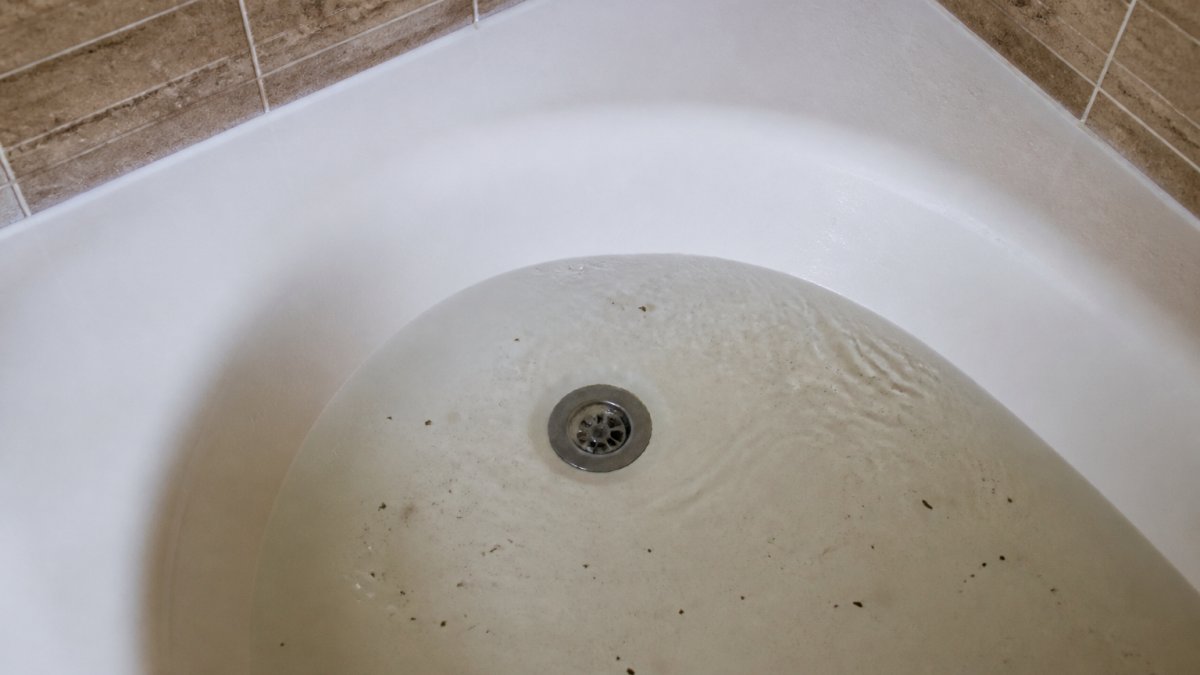
Watch for these specific warning signs:
- Water backing up into the bathtub when you flush the toilet
- Sewage smell coming from drains or your yard
- Lush green patches in your lawn (from sewage seeping into soil)
A main sewer line problem demands immediate professional attention. Sewage backup poses serious health risks, and waiting increases contamination and damage to your foundation and landscaping.
For detailed information about recognizing these warning signs, check out 10 Signs of a Main Sewer Line Clog.
Multiple Drains Clogged at Once
When two or more drains clog simultaneously, the blockage lives deeper in your plumbing system, not in the individual traps under your sink or tub.
A single clogged drain usually means hair or debris in that P-trap, often clearable with a drain snake.
Common causes of multiple drain failures include:
- Tree roots penetrating the main sewer line
- Collapsed or damaged pipes underground
- Sediment and mineral buildup in older plumbing systems
Professional plumbers use video camera inspection to locate the blockage, then choose the right removal method, hydro-jetting, professional-grade snaking, or pipe repair.
Professional diagnosis costs far less than a major backup or pipe damage.
Chemical Drain Cleaner Risks and When DIY Fails
Chemical drain cleaners are the first thing most homeowners reach for, which is exactly why they cause so many avoidable plumbing problems. Understanding how they work and what they can't fix tells you when a chemical attempt is reasonable and when it's throwing money into a pipe.
How caustic cleaners actually work
Most liquid drain cleaners fall into two categories: caustic (lye-based) and acidic (usually sulfuric acid). Caustic cleaners generate heat as they dissolve grease, hair, and soap scum; acidic cleaners are more aggressive and usually sold only to professionals.
These products need contact with the clog. If the blockage sits 20 or 30 feet down the line, the chemical dilutes in standing water and loses potency before reaching it, which is why a caustic cleaner often clears a slow bathroom sink but does nothing for a main line clog.
The pipe-integrity trade-off
Repeated caustic cleaner use damages plumbing in ways that are not visible until a failure occurs:
- Older metal pipes: Lye accelerates corrosion on galvanized steel and cast iron, thinning walls from the inside.
- PVC joints: The heat generated by caustic reactions can soften solvent-welded joints and create slow leaks.
- Residue buildup: Cleaners that do not fully dissolve leave a sticky film that attracts future debris, so clogs return faster.
Plumbers commonly report a drain cleared with chemical cleaner three or four times over a year, then failing completely because the pipe wall was compromised at the clog point.
Enzymatic cleaners vs. caustic chemicals
Enzymatic drain cleaners use bacteria and enzymes to break down organic matter without heat or corrosive chemicals. They're slower, often requiring overnight dwell time, but gentler on pipes and septic-safe.
| Factor | Caustic cleaner | Enzymatic cleaner |
|---|---|---|
| Speed | Minutes to hours | 8-24 hours |
| Pipe safety | Corrosive over time | Generally pipe-safe |
| Septic safe | No | Yes |
| Works on hair | Partially | Yes, with dwell time |
| Works on deep clogs | Rarely | No |
| Cost per application | $5-$15 | $15-$30 |
Enzymatic products are best for maintenance between professional cleanings, not as a rescue for a fully blocked drain, they won't clear a main line obstruction or tree roots.
When a chemical attempt is reasonable, and when it is not
A single application of a caustic cleaner is a reasonable first attempt only when all of the following are true:
- The clog is in a single fixture, not multiple drains.
- Water drains slowly rather than standing completely still.
- The plumbing is newer PVC or copper, not galvanized steel.
Stop and call a plumber instead when:
- Multiple fixtures are affected.
- Water backs up rather than drains slowly.
- You have already tried one chemical application without success.
When a chemical cleaner hasn't worked after one application, the clog is beyond a consumer product's reach. Learn about best methods for stubborn drain clogs that professionals use to clear blockages chemical cleaners cannot reach. More chemical adds cost and hazard without touching the blockage, that's the point to call for professional help.
What to Do When a Drain Backs Up
A drain backup is a plumbing emergency, but not every backup is the same emergency. In the first five minutes, figure out where the blockage sits, that determines whether you can safely handle it yourself or need a plumber immediately.
Step 1: Stop adding water
Shut off water to the affected fixtures and stop using every drain in the house until you understand the scope. Every gallon sent down a backed-up line increases the chance of sewage entering your home, no washing machine, dishwasher, or shower anywhere.
Step 2: Diagnose the location, P-trap, branch line, or main line
The location of the clog changes everything. Use this three-test sequence:
Test 1, Is it one fixture or many?
- One fixture only: the clog is almost certainly in that fixture's P-trap or the short branch line behind it. This is usually a DIY-fixable clog.
- Two or more fixtures on the same floor: the clog is in a shared branch line. A drain snake may reach it, but a plumber is often faster.
- Fixtures on multiple floors or a floor drain backing up: the clog is in the main sewer line. Stop and call a plumber.
Test 2, Does the toilet gurgle when you run a sink?
Gurgling from a toilet or tub when you run a different fixture is a classic sign of a blocked vent or main line obstruction, air is pulled through the wrong path because the normal drain path is blocked.
Test 3, Is there a cleanout near the backup?
Most homes have a cleanout plug, a capped fitting, often in the basement, crawlspace, or just outside the foundation. If water backs up out of the cleanout, the clog is downstream in the main line.
Step 3: Match your response to the diagnosis
| Diagnosis | Likely location | Safe DIY action | When to call |
|---|---|---|---|
| One sink or tub backing up | P-trap or branch line | Plunger, hand snake, P-trap cleanout | After one failed attempt |
| Two fixtures on same floor | Shared branch line | Hand snake only | If snake does not clear in 15 minutes |
| Toilet gurgles with other fixtures | Vent or main line | None, stop using water | Immediately |
| Floor drain or cleanout backing up | Main sewer line | None, stop using water | Immediately |
| Sewage smell indoors or in yard | Main line or septic | None | Immediately |
Step 4: What not to do
Do not plunge a main-line backup, plunging a fixture when the main line is blocked forces water and waste into other fixtures and can rupture older pipes. Do not run a hand snake through a cleanout unless you know the direction of flow and it's accessible without tools. Do not pour chemical cleaner into a standing backup, it won't reach the clog and creates a hazardous pool of caustic liquid the plumber must work around.
Step 5: Document before you call
Before the plumber arrives, note which fixtures are affected, whether the cleanout is wet or dry, and whether you've used any chemical products. This lets the plumber bring the right equipment on the first visit and helps you get an accurate phone estimate.
A backup that fails the one-fixture test is a main-line event, not a maintenance issue. Treat it that way and you'll avoid the most expensive outcomes: sewage in the basement, damaged flooring, and a repair bill covering both the clog and the water damage.
Water Damage and Pipe Integrity Issues
Unrepaired drain problems create cascading damage to your home's structure and systems.
Water pooling near drains or seeping into basements means your drainage system isn't working.
Pipe integrity suffers from several drain-related problems:
- Frozen pipes crack when water can't drain
- Sediment buildup creates pressure that damages pipe walls
- Tree roots puncture buried sewer lines
Once pipes crack or hole, they leak sewage into surrounding soil, contaminating groundwater and creating health hazards.
For a comprehensive look at the consequences of ignoring drain problems, review What Happens If a Leak Goes Unrepaired.
Getting Professional Help for Your Drain Problem
Look for licensed, insured plumbers experienced with your specific issue.
For drain issues in your area, Residential Drain Cleaning Services Denver: 2026 Guide explains what professional drain cleaning involves and how to find qualified help.
When you're ready to address your drain problem professionally, contact Colby Plumbing Company LLC. Our licensed professionals diagnose drain issues accurately and fix them right.
Frequently Asked Questions
How long should I try to unclog a drain before calling a plumber?
If a simple plunger doesn't clear the clog within 15-20 minutes, or if you've already tried a drain snake or natural cleaning solution without success, it's time to call a plumber. Persistent clogs often indicate deeper blockages in your drainage system that require professional tools and expertise. Waiting too long risks water backup and potential pipe damage.
What should I do when a drain backs up into my home?
Stop using all drains immediately and call a professional plumber. Water backup signals a serious plumbing blockage, often in the main sewer line or P-trap. Do not attempt to clear it yourself, as this can spread contaminated water. A licensed plumber can identify whether the obstruction is localized or affects your entire drainage system and provide safe removal.
Can chemical drain cleaners damage my pipes?
Yes. Caustic chemicals generate intense heat and can corrode older pipes, crack PVC, and damage drain trap seals. They're also hazardous to handle and harmful to the environment. If a chemical cleaner doesn't work, you're left with a pipe full of toxic liquid that a plumber must navigate carefully. Professional drain cleaning methods are safer for your pipe integrity and more effective for stubborn blockages.
What does the 100% satisfaction guarantee from Colby Plumbing actually cover?
Colby Plumbing stands behind every job with a commitment to your complete satisfaction. Contact us directly to discuss what's covered under your specific repair or service, our team ensures transparency before and after the work so you know exactly what to expect and have no surprises on your final bill.
When drain problems persist or worsen, professional help isn't optional, it's the most cost-effective solution. Colby Plumbing Company LLC has served the Denver metro area since 1996, helping homeowners and property managers address plumbing issues before they become emergencies. Our licensed professionals use proven methods to diagnose and fix drain problems quickly and affordably, protecting your home and your peace of mind.