 How-to
Slab Leak Insurance: Does Homeowners Insurance Cover It?
Last Updated: November 6, 2026
Quick Summary
Slab leak insurance sometimes covers the resulting water damage, but rarely the failed pipe itself or the concrete breaking needed to reach it. Most policies pay only when the damage is sudden and accidental, not from gradual wear and tear. Read your policy wording before you call your insurer.
- A slab leak is a water leak in a supply pipe running beneath your home's concrete foundation.
- Filing a water leak claim starts with shutting off the water at the main valve.
- Documentation decides most claims, so photograph the leak and damage before repairs.
- A denial is not the end; you can submit a written appeal with photos, reports, and receipts.
- Colby Plumbing Company LLC has served the Denver metro area since 1996 as a family-owned business.
Table of Contents
- Does Homeowners Insurance Cover Slab Leaks?
- Slab Leak Symptoms: Signs You Shouldn't Ignore
- Slab Leak Detection: How Plumbers Find the Leak
- How to Make a Water Leak Insurance Claim
- What Homeowners Insurance Typically Covers (and What It Doesn't)
- Slab Leak Repair Cost: What Affects the Bill
- When Your Claim Is Denied: Appeals and Next Steps
- Schedule a Slab Leak Inspection with Colby Plumbing
- Frequently Asked Questions
Does Homeowners Insurance Cover Slab Leaks?
The short answer: sometimes. A slab leak insurance claim usually hinges on one question: did the pipe fail suddenly, or did it wear out over years? Either way, slab leak insurance rarely covers the pipe itself. Most home insurance policies cover sudden and accidental water damage. They rarely cover the failed pipe itself or the concrete breaking needed to reach it.
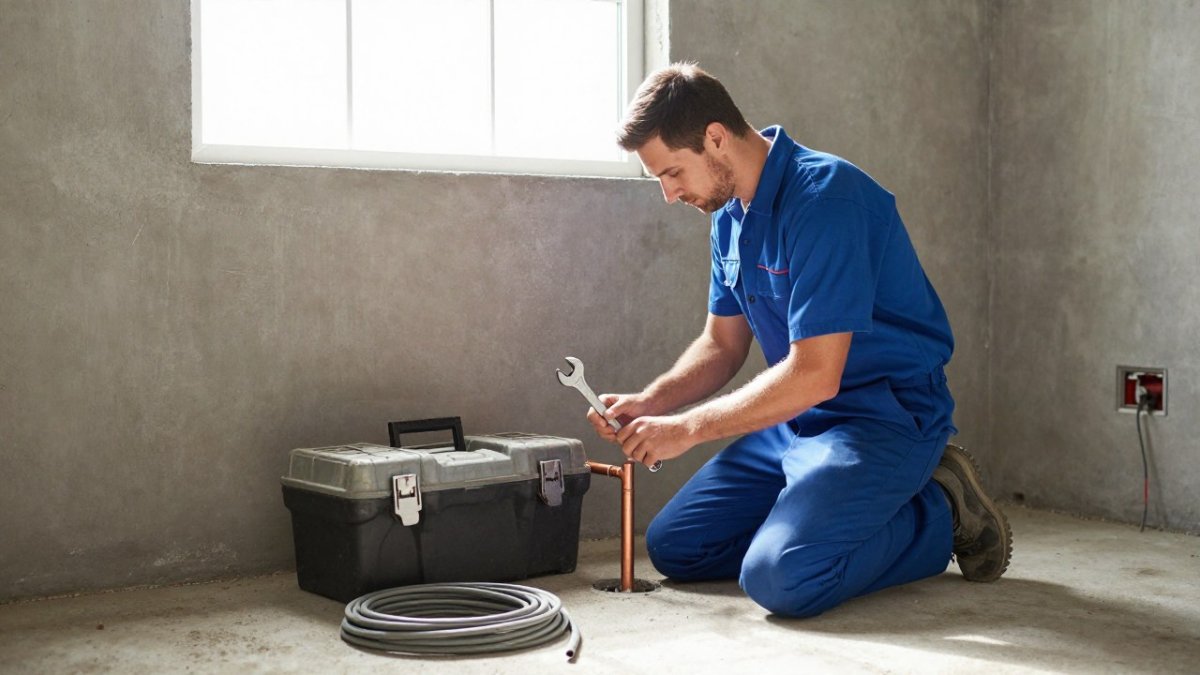
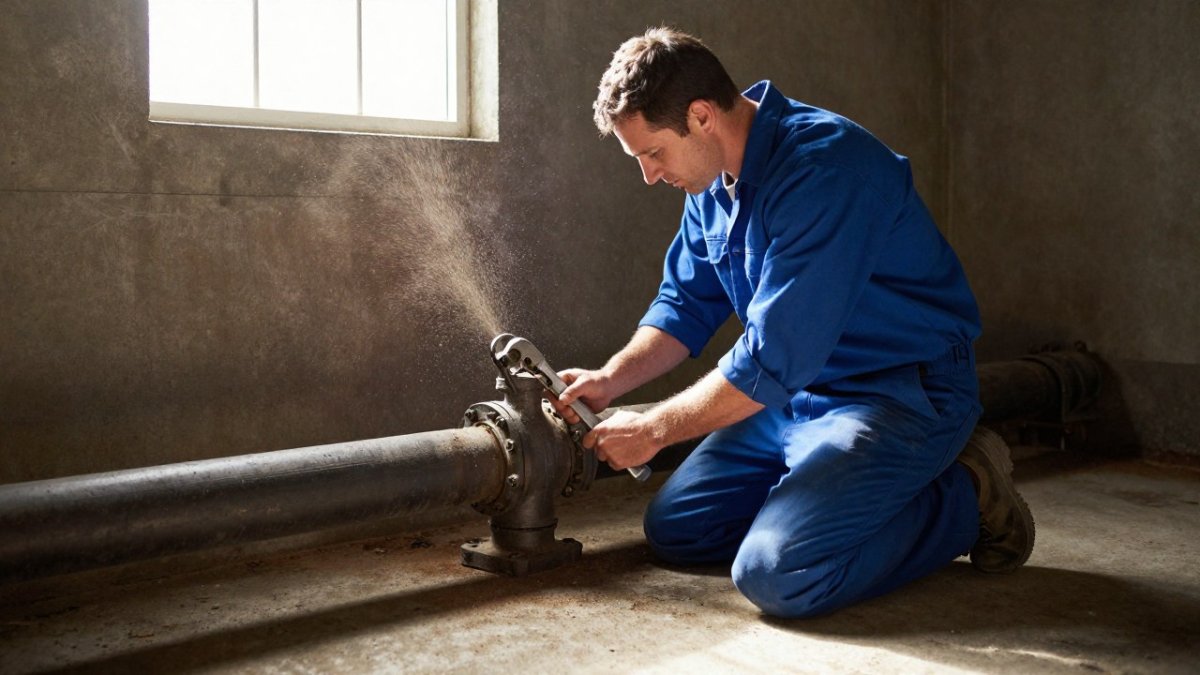
A slab leak is a water leak in a supply pipe running beneath your home's concrete foundation. The pipe sits under the slab, so finding and fixing it means cutting into the floor.
Here is what we recommend before you call your insurer: read your policy wording first. The Insurance Information Institute's guide to homeowners insurance explains that coverage depends on the cause of the loss, not just the damage it leaves behind.
Below, we walk through what is typically covered, what is not, and how to file a claim without wasting weeks.
Slab Leak Symptoms: Signs You Shouldn't Ignore
Watch for these warning signs. Catching a slab leak early limits damage and strengthens your claim.
- The sound of running water when every fixture is off
- Warm spots on the floor, which point to a hot water line leak
- A water bill that jumps without explanation
- Damp carpet, buckling flooring, or a musty smell
- Cracks in the slab or baseboards
- Low water pressure in one area of the home
One symptom alone proves little. Two or more together are worth a professional look. If you notice these signs, it helps to compare them against signs of a hidden water leak before the damage spreads.
Slab Leak Detection: How Plumbers Find the Leak
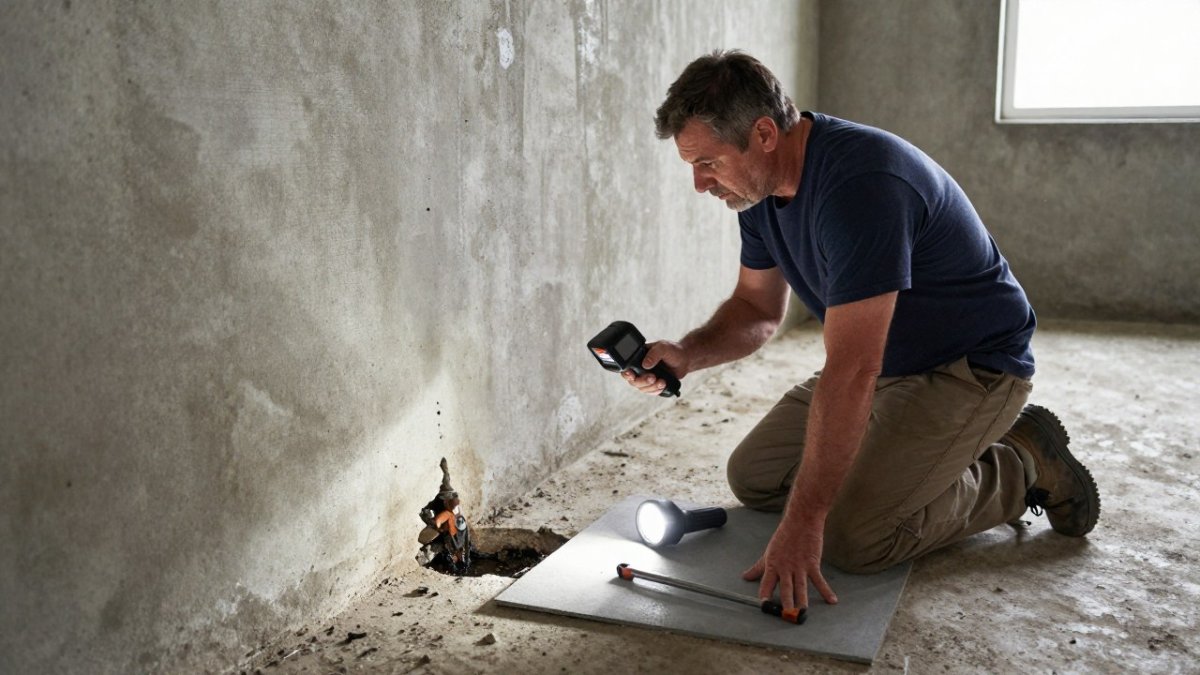
Leaks under a slab are typically located with specialized detection methods rather than guesswork. Accurate detection matters because your insurance claim needs a documented cause and location.
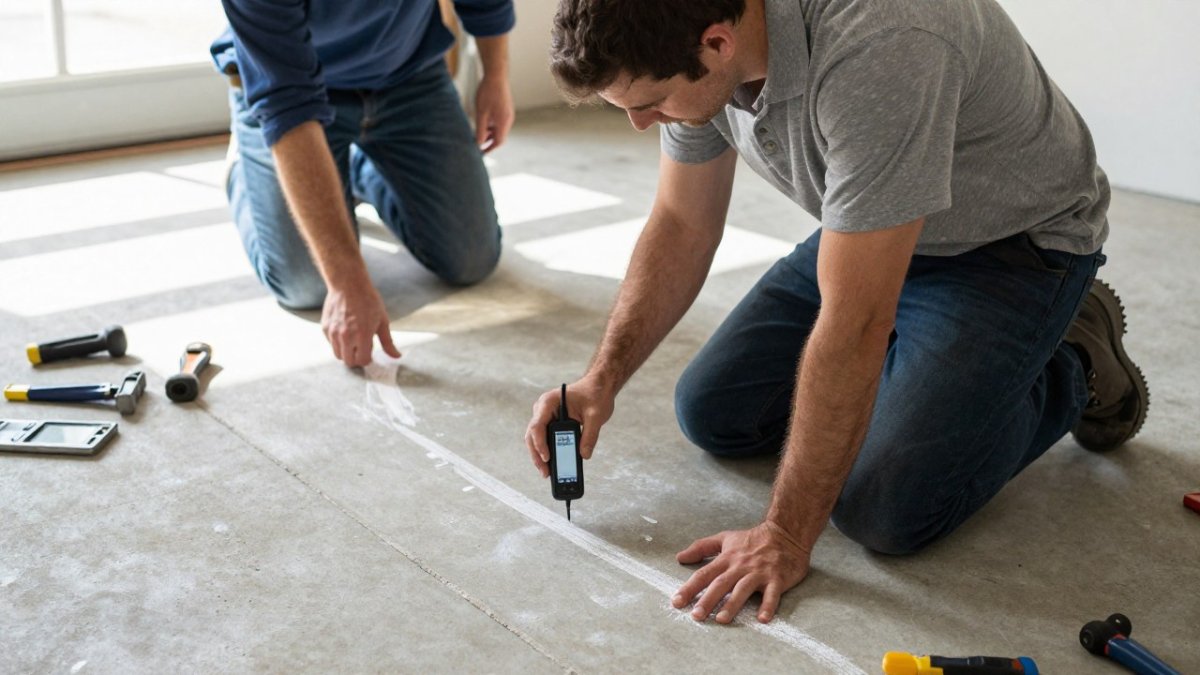
The EPA's WaterSense program notes that household leaks waste significant water, which is why fast detection pays off on your bill too. If you want the full picture of how plumbers trace hidden leaks, our guide to how to detect hidden water leaks covers seven methods.
How to Make a Water Leak Insurance Claim
Filing a water leak insurance claim follows a set order. Skip a step and the insurer may reduce or deny the payout.
- Stop the water. Shut off the supply at the main valve.
- Prevent further damage. Move furniture, pull wet carpet, and run fans. Insurers expect reasonable steps to mitigate damage.
- Call a licensed plumber. Get a written report naming the cause and location.
- Photograph everything. Take dated photos of the leak, the damage, and any torn-out materials.
- Call your insurer. Report the loss promptly and ask what your policy requires.
- Keep every receipt. Mitigation costs and temporary repairs add up.
- Meet the adjuster. Walk them through the damage with your plumber's report in hand.
Documentation decides most claims. Our team can point you to what documentation you need for a plumbing leak claim so nothing gets missed.
What Homeowners Insurance Typically Covers (and What It Doesn't)
Most policies split a slab leak claim into two buckets: the damage the water caused, and the pipe that failed. The second bucket is where claims often fall apart. The split depends on the cause, the policy form, and whether the damage is classified as sudden or gradual.
| Item | Usually Covered? | Why |
|---|---|---|
| Water damage to flooring, walls, personal property | Often, if sudden and accidental | Counts as resulting damage |
| Slab access and tear-out | Sometimes | Depends on policy wording and whether tear-out is endorsed |
| The failed pipe itself | Rarely | Wear and tear exclusion |
| Repair or replacement of the pipe | Rarely | Considered maintenance |
| Damage from a long-running leak | Seldom | Gradual damage exclusion |
Three terms drive these decisions:
- Sudden and accidental: a burst pipe or failed fitting with a clear start date
- Gradual damage: corrosion or a slow leak that built up over months
- Wear and tear: the normal aging of the plumbing system
How the same leak can land differently
Coverage is fact-specific, so a scenario matrix is more useful than a yes-or-no answer. The four patterns below are common; your policy wording and the adjuster's findings control the outcome.
| Scenario | Likely treatment of resulting damage | Likely treatment of pipe and access |
|---|---|---|
| Sudden pipe failure (burst fitting, clear date) | Often covered as sudden and accidental | Pipe repair usually excluded; tear-out may be covered if endorsed |
| Long-term seepage discovered during a remodel | Often denied as gradual damage | Excluded as maintenance |
| Corrosion-related pinhole leak with limited water damage | Case-by-case; depends on how long it ran | Excluded as wear and tear |
| Resulting mold or rot after a covered event | Covered only up to policy sublimits and time limits | Not applicable |
A common mistake is assuming a paid claim for water damage also covers the pipe repair. It usually does not. Many homeowners find that homeowners insurance coverage for plumbing repairs stops at the resulting damage, not the plumbing itself.
Policy language to look for
Before you call your insurer, find these terms in your policy and note what each one says. The wording, not the marketing brochure, decides the claim.
- Ensuing loss: damage that follows a covered event may be covered even when the cause is excluded. This is the clause that often saves the flooring claim when the pipe itself is excluded.
- Tear-out: some policies or endorsements pay to break through the slab to reach a failed pipe. Look for "tear-out" or "access" language and any dollar limit.
- Water damage: the definition usually excludes repeated or gradual seepage. Read the definition, not just the coverage grant.
- Service-line coverage: an optional endorsement that may extend to exterior water and sewer lines. It rarely covers pipes under the slab, but it is worth checking.
Watch out: an endorsement that adds tear-out coverage usually carries its own limit and may require the tear-out to follow a covered loss. Buying it after the leak starts will not help with the current claim.
Slab Leak Repair Cost: What Affects the Bill
Slab leak repair cost varies widely, and no responsible plumber quotes a price without seeing the job. What you can do is understand the cost drivers and the three repair paths so you can compare bids and ask better questions. Once flooring and concrete restoration are included, the total can exceed the plumbing portion of the bill.
What drives the bill:
- Leak location. A leak near an exterior wall costs less to reach than one under a finished floor in the middle of the home.
- Access method. Cutting through carpet, tile, or hardwood adds restoration work.
- Repair versus reroute. Sometimes rerouting the line through the attic avoids slab removal entirely.
- Pipe condition. A single failure point is cheaper than a system with widespread corrosion.
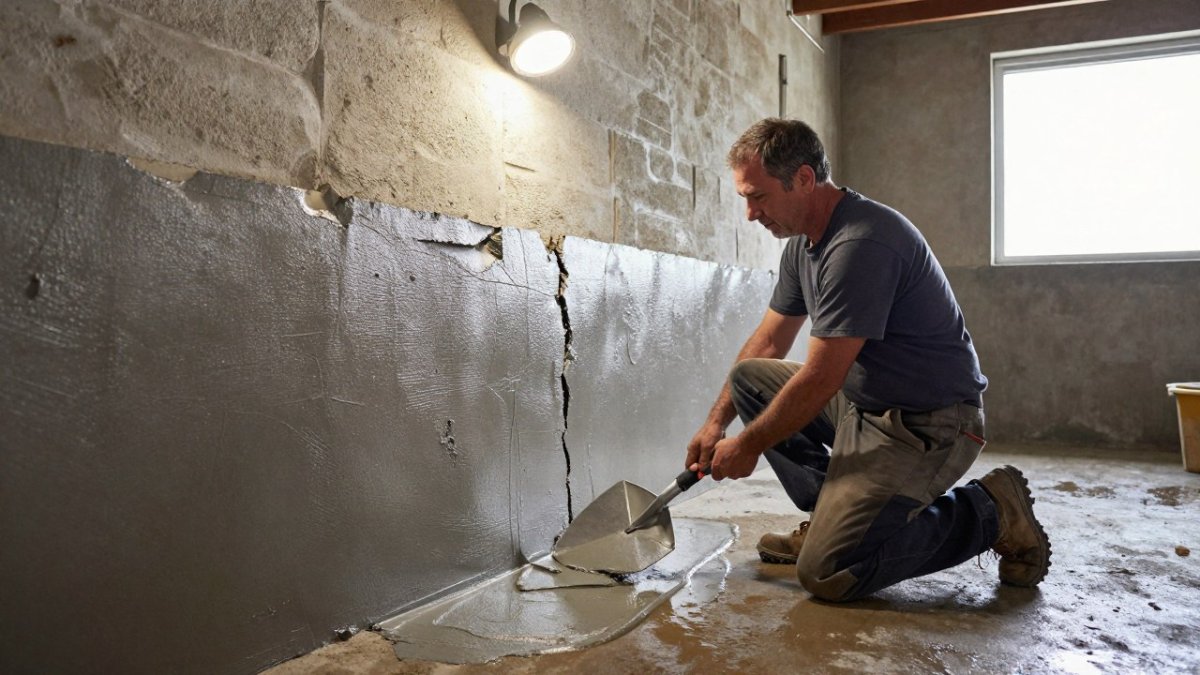
- Restoration. Patching concrete and replacing flooring can rival the plumbing bill.
Three repair paths and their trade-offs
| Option | What it involves | Disruption | Best suited for |
|---|---|---|---|
| Spot repair | Cut the slab at the leak, fix or replace the failed section, patch concrete | Localized but includes concrete and flooring restoration | A single, clearly isolated failure in otherwise sound pipe |
| Reroute | Abandon the failed line and run a new line through walls or attic | Less concrete work, more interior routing | Leaks under finished floors where slab access is costly |
| Repipe | Replace the plumbing system, often in copper or PEX | Highest upfront disruption | Widespread corrosion or repeated failures |
Homeowners often ask whether slab removal is required. Not always. A reroute can be the smarter trade-off when the slab sits under finished flooring, because it trades concrete and tile work for wall and ceiling access. A repipe may be the better long-term choice when the plumber finds multiple failure points or advanced corrosion.
Questions to ask before you commit
- Will you price spot repair, reroute, and repipe so I can compare?
- What is included in restoration, concrete, flooring, baseboards, paint?
- Will you document the cause and location in writing for my insurer?
- Who pulls the permit, and is it included in the quote?
- What warranty applies to the repair, and does it cover the access point?
Watch out: a quote that covers only the plumbing and leaves concrete and flooring restoration to you can end up costing more than a higher bid that bundles restoration. Compare total scope, not just the plumbing line item.
When Your Claim Is Denied: Appeals and Next Steps
A denial is not the end. Insurers deny slab leak claims most often because the policy excludes the cause, not the damage. Read the denial letter carefully and find the exact clause cited.
Your next steps:
- Request the claim file and the adjuster's report
- Get a second opinion from a licensed plumber on the cause
- Submit a written appeal with photos, reports, and receipts
- Ask about an endorsement that adds coverage going forward
Do not delay repairs during an appeal. A leak left running can cause structural damage and mold, which no policy treats kindly. Our article on what happens if a leak goes unrepaired explains the risks in detail.
Watch out: tearing out flooring before the adjuster inspects the damage can weaken your claim. Photograph first, then repair.
Schedule a Slab Leak Inspection with Colby Plumbing
A slab leak is a race against your water bill and your foundation. The faster you know the cause, the stronger your position with your insurer.
Colby Plumbing Company LLC has served the Denver metro area since 1996 as a family-owned business. Our licensed plumbers can help you understand the cause of a leak and review your repair options. We stand behind our work with a 100% satisfaction guarantee.
Contact us today to discuss your slab leak.
A leaking slab will not fix itself, and insurance paperwork will not fix it either. Call a licensed plumber, document everything, and file your claim with evidence in hand. Colby Plumbing Company LLC offers fast, professional leak detection, honest repair options, and a 100% satisfaction guarantee, all from a family-owned team that has served the area since 1996. Contact us today.
Frequently Asked Questions
Does homeowners insurance cover the cost to access a slab leak?
It depends on your policy. Many homeowners insurance policies cover the cost to tear out and restore walls or floors needed to access a covered leak, but some exclude slab access entirely. Check your policy wording for a slab access or tear-out provision. If coverage exists, your deductible applies. Keep all receipts and photos of the damaged areas to support your claim.
Is it expensive to fix a slab leak?
Slab leak repair cost varies widely based on location, pipe material, and access difficulty. Simple spot repairs may cost less, while rerouting pipes or breaking through concrete adds labor and restoration expenses. Your homeowners insurance may cover resulting water damage but often excludes the pipe repair itself. Get a written estimate from a licensed plumber before work begins.
What should I do if my slab leak insurance claim is denied?
Review the denial letter carefully to understand the reason. If it cites gradual damage or maintenance, gather documentation showing a sudden event, like a burst pipe. You can request a reconsideration, file an appeal with your insurer, or contact your state insurance department for guidance. A licensed plumber's report can help prove the cause.
How do I make a successful water leak insurance claim for a slab leak?
Report the leak immediately, document everything with photos and receipts, and hire a licensed plumber to provide a written cause report. Mitigate further damage by shutting off water and drying the area. Submit your claim with all evidence, keep a detailed log of communications, and follow up regularly. Clear proof that the leak was sudden and accidental improves your chances.